
Last updated September 23, 2026
Free visual inspection and a written scope of work before any mitigation begins - photos, moisture readings, and drying logs go in your claim file
The scope we write is the scope we bill. Anything new gets shown to you, in writing, before we touch it.
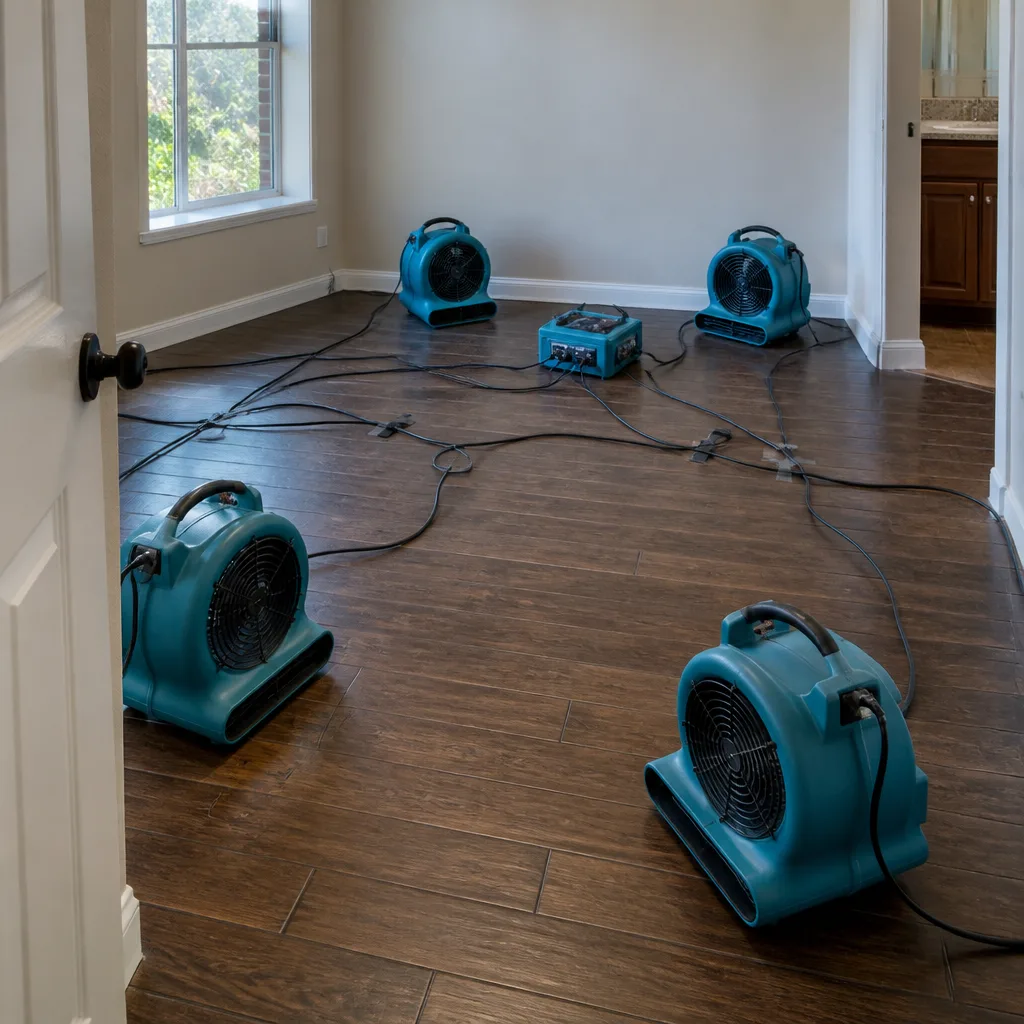
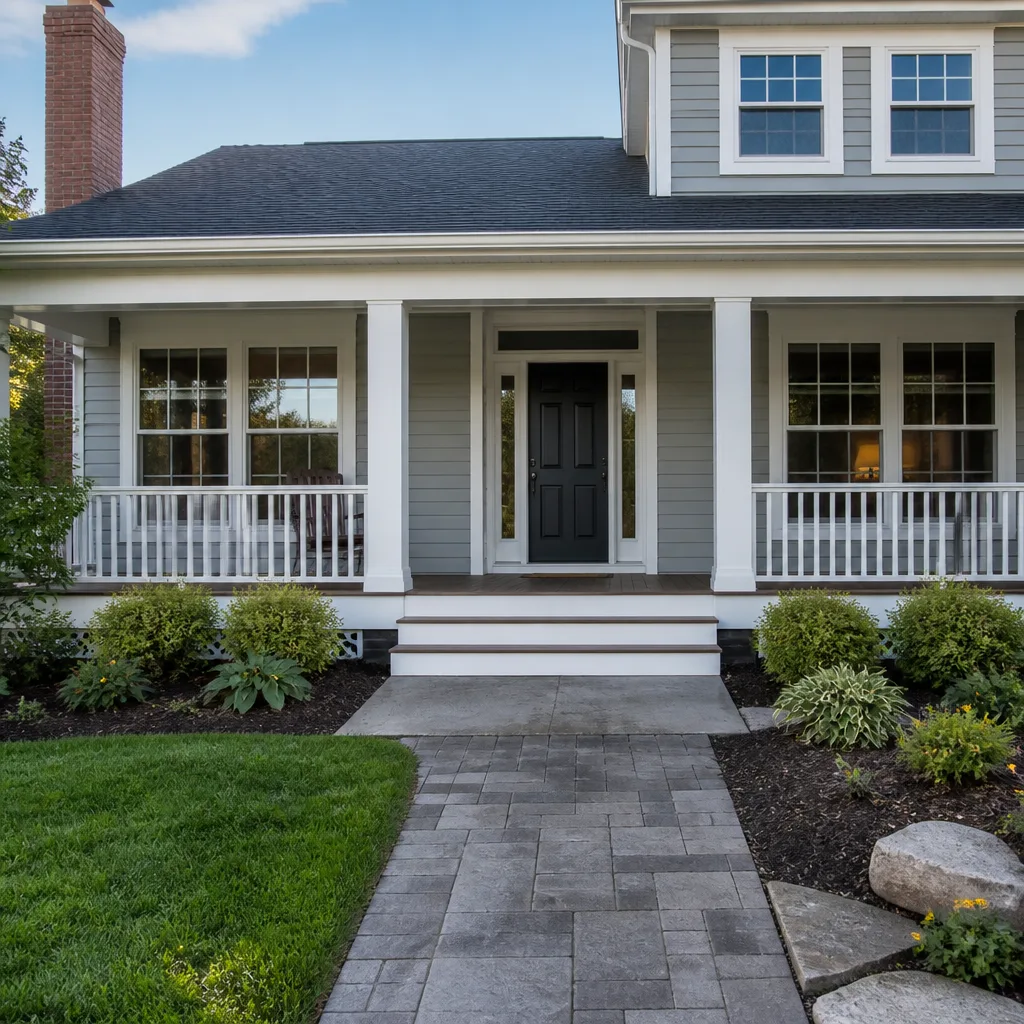
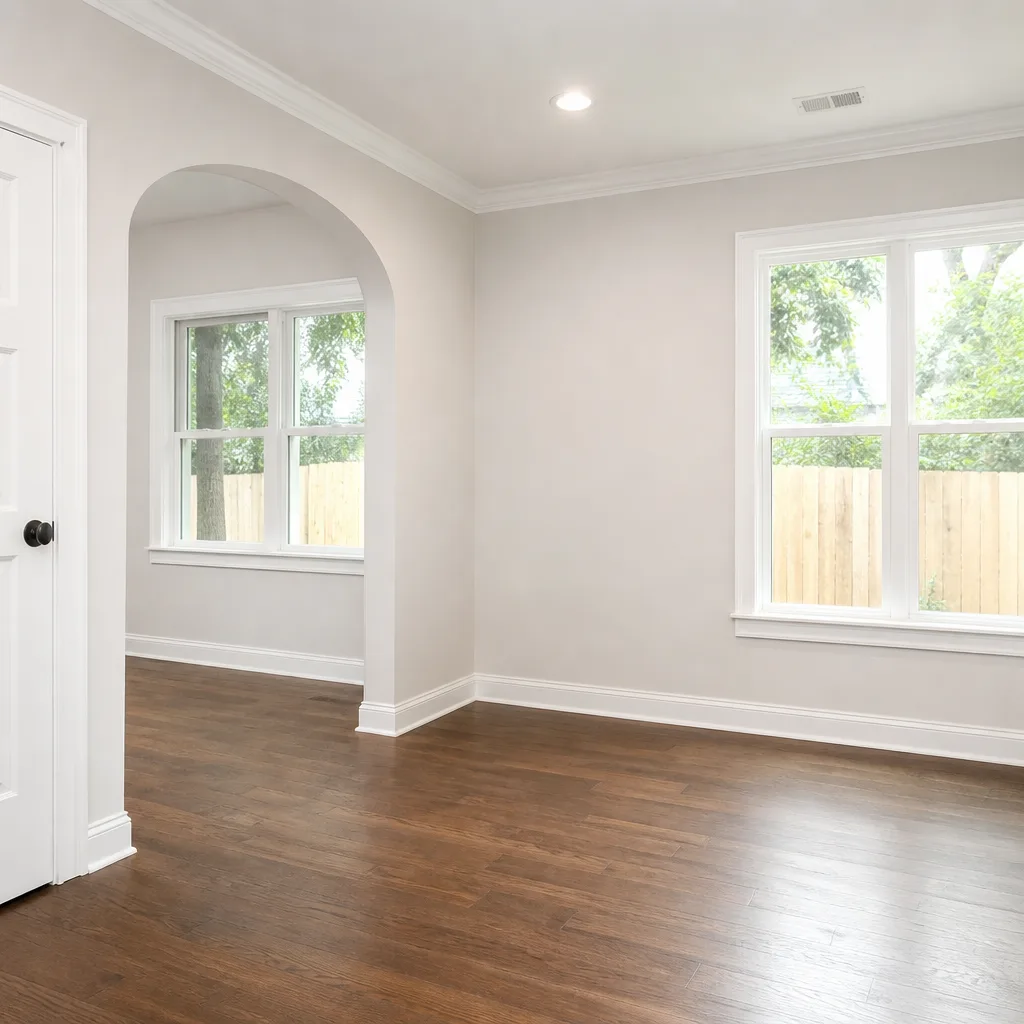
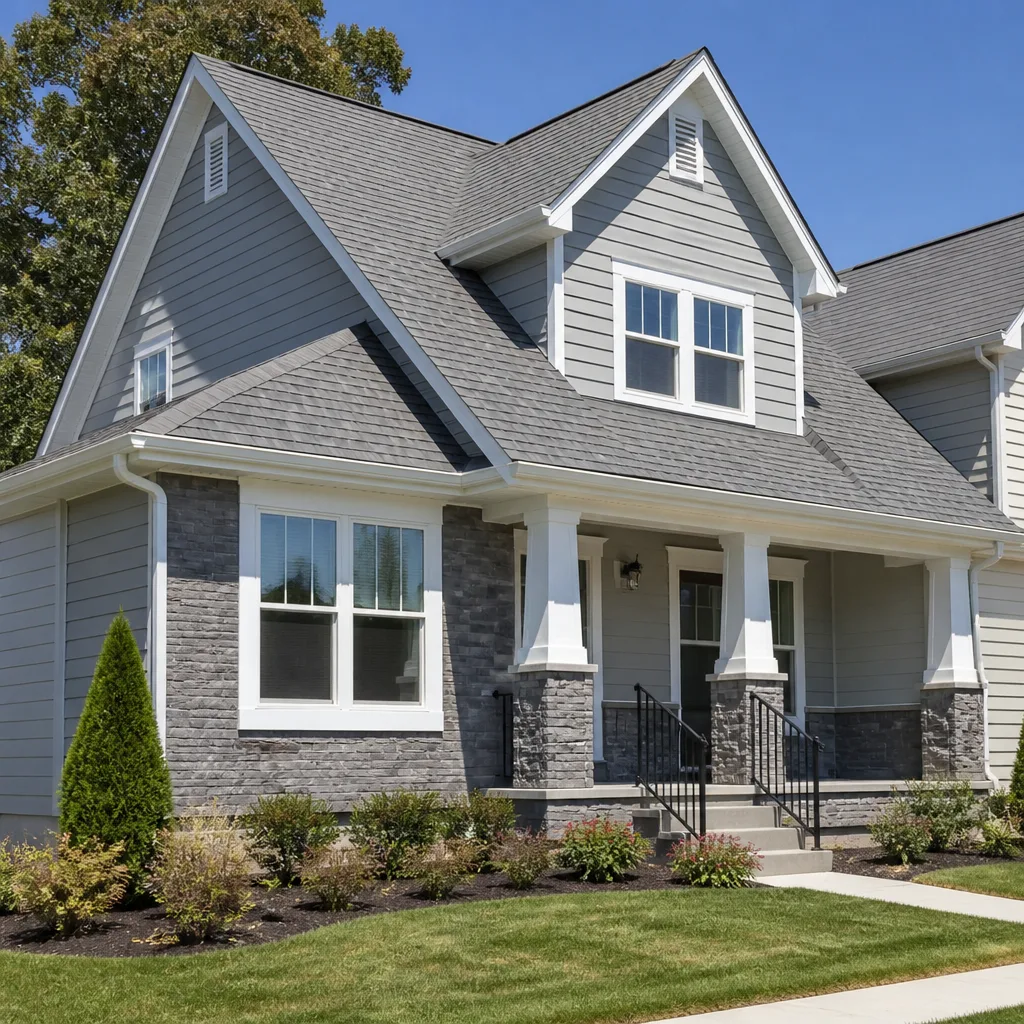
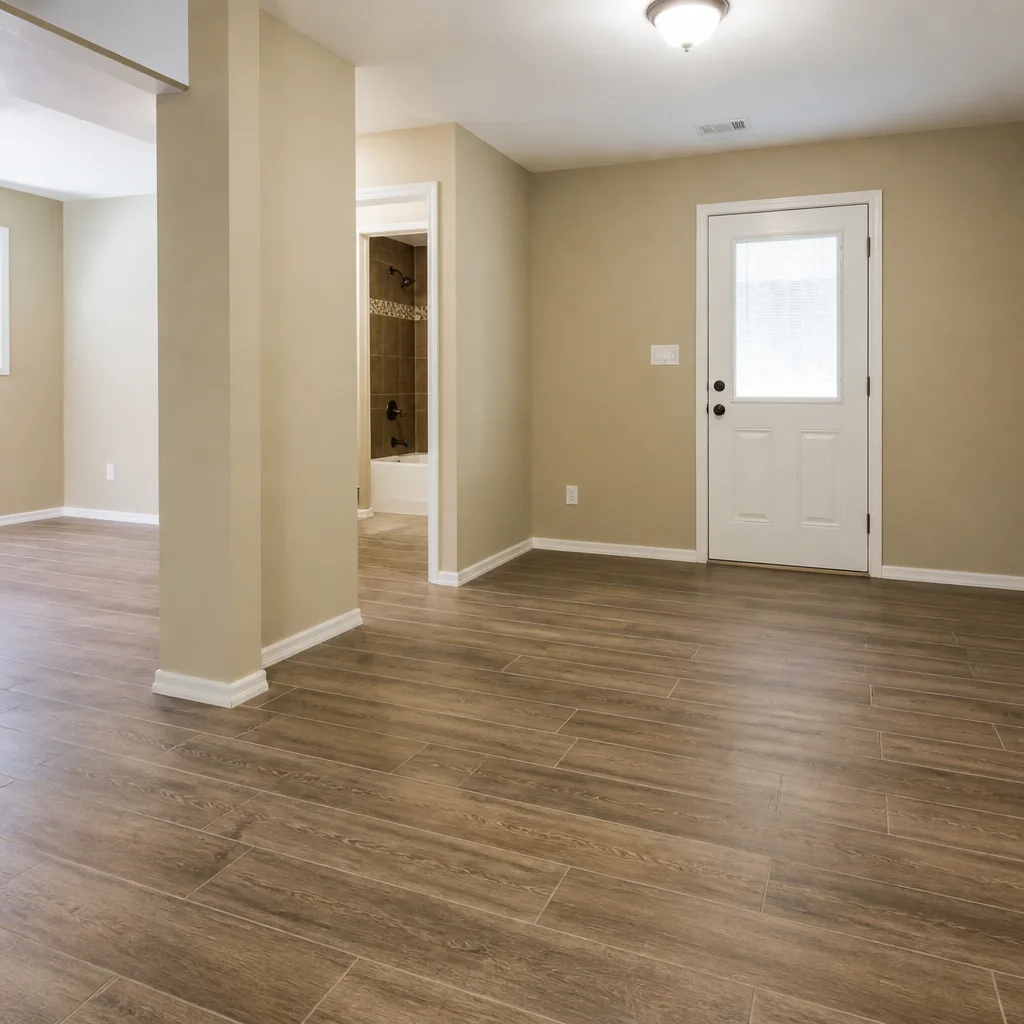
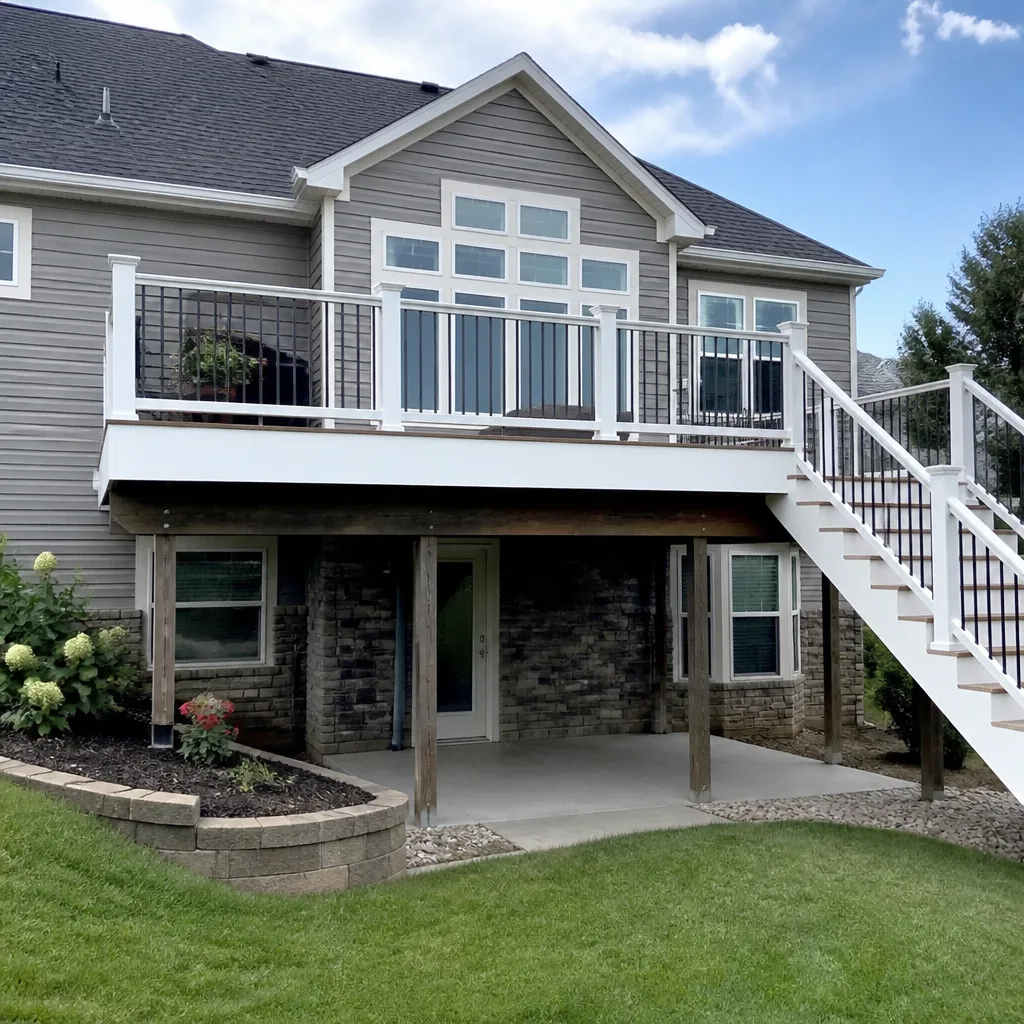
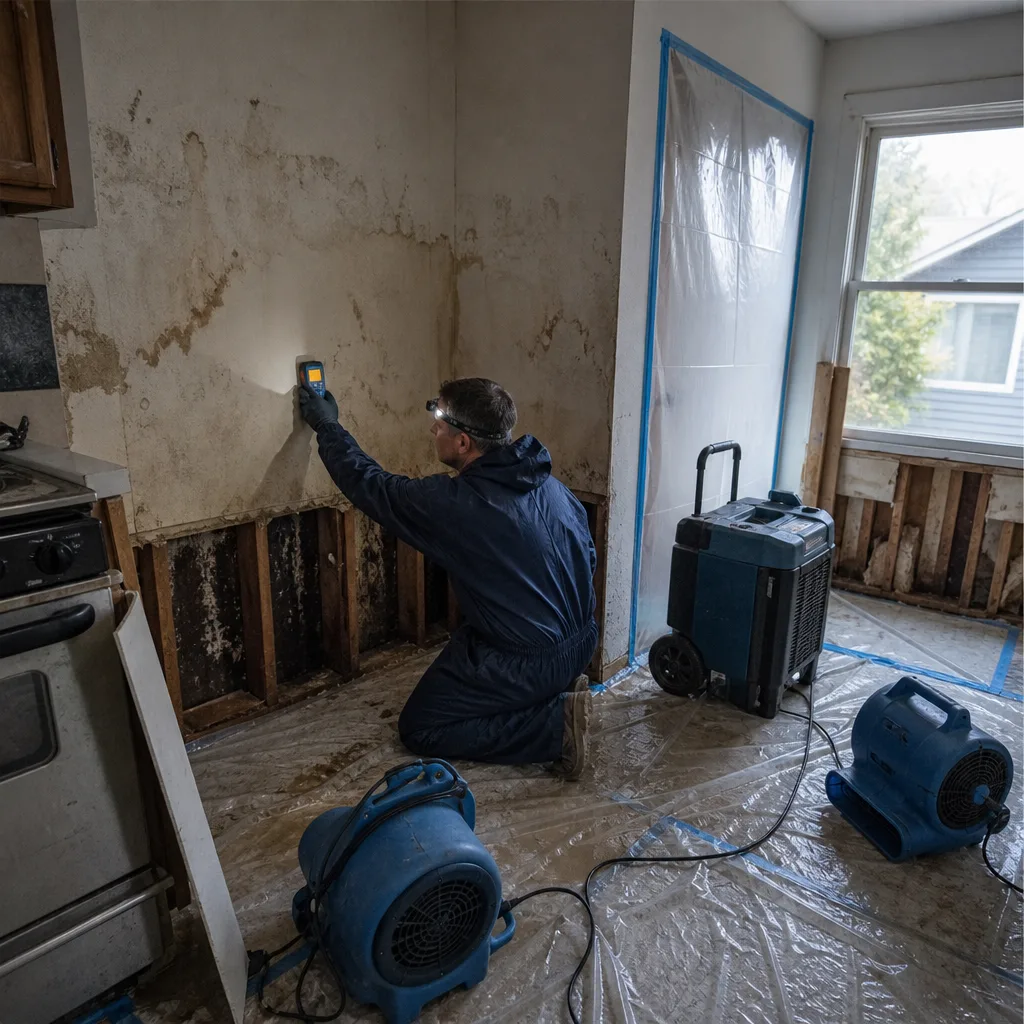 Before
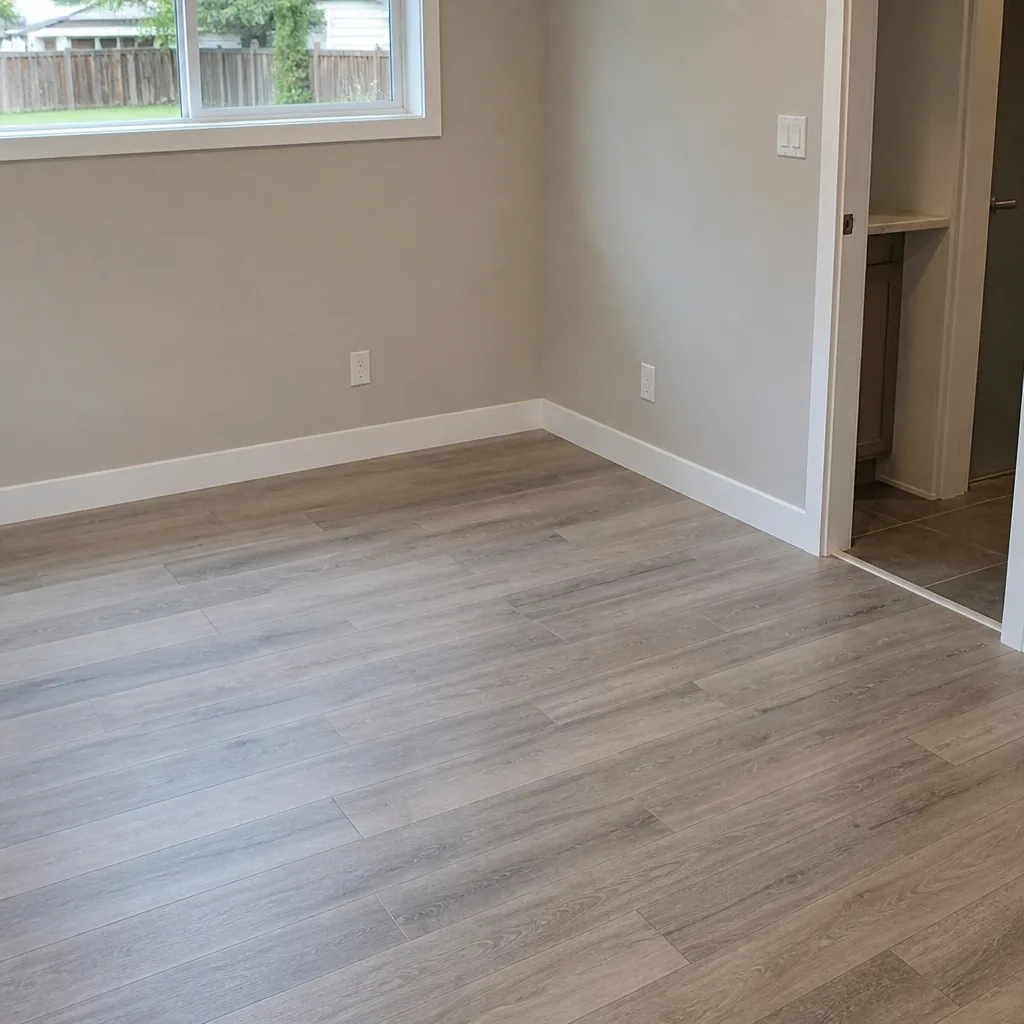 After
After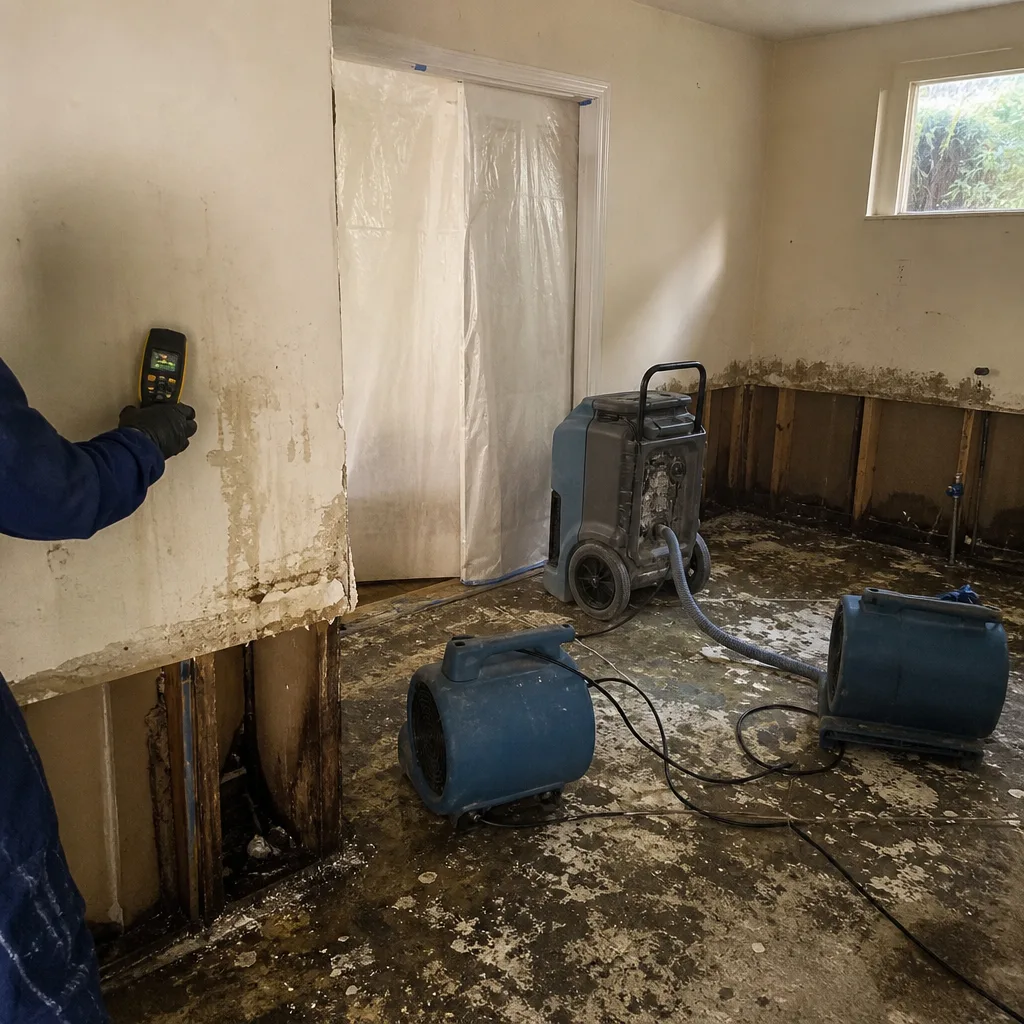 Before
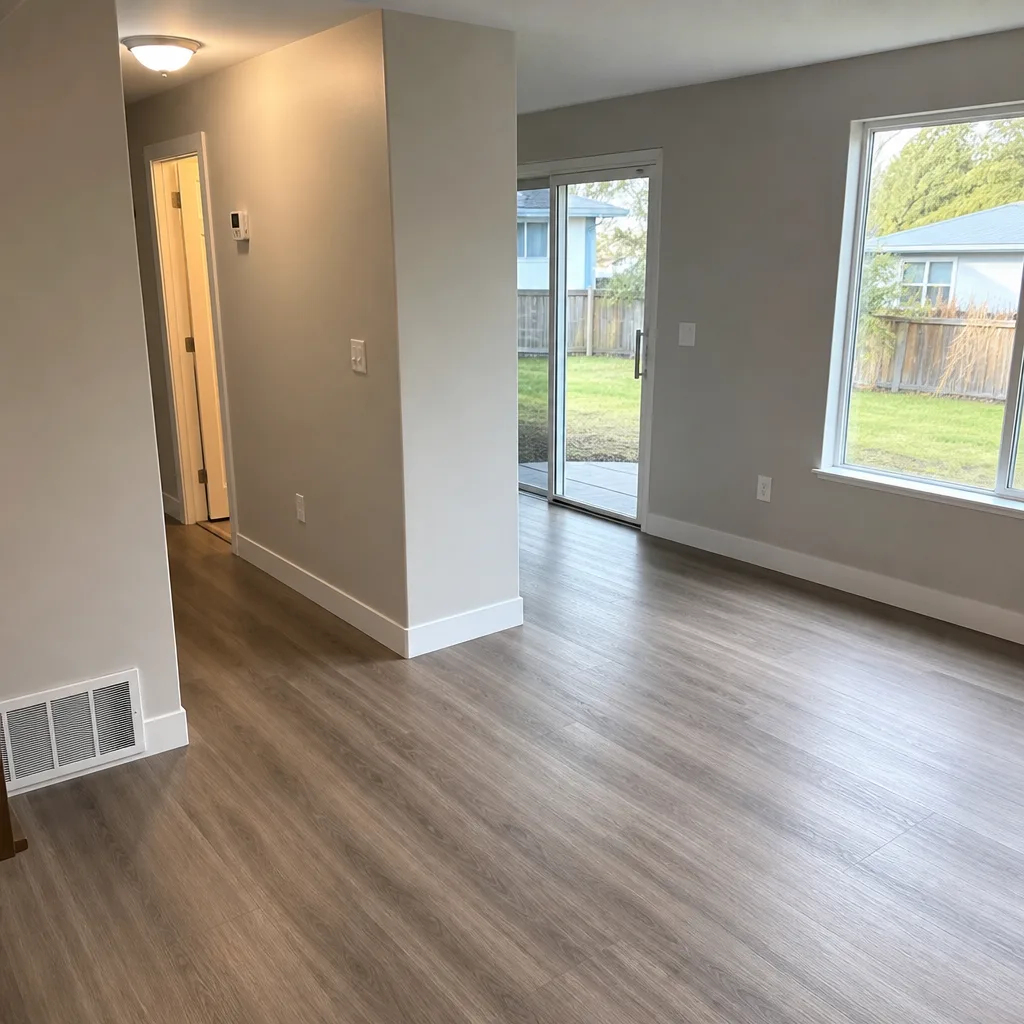 After
After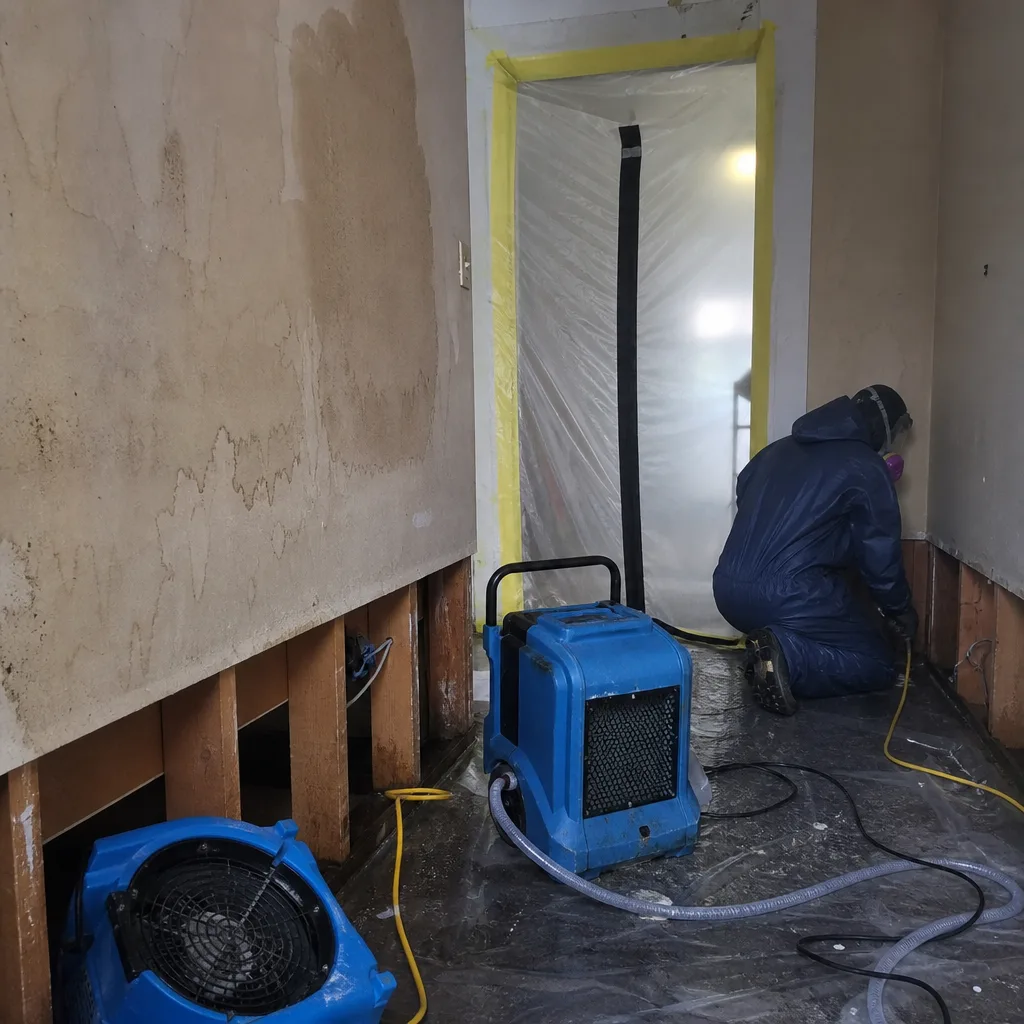 Before
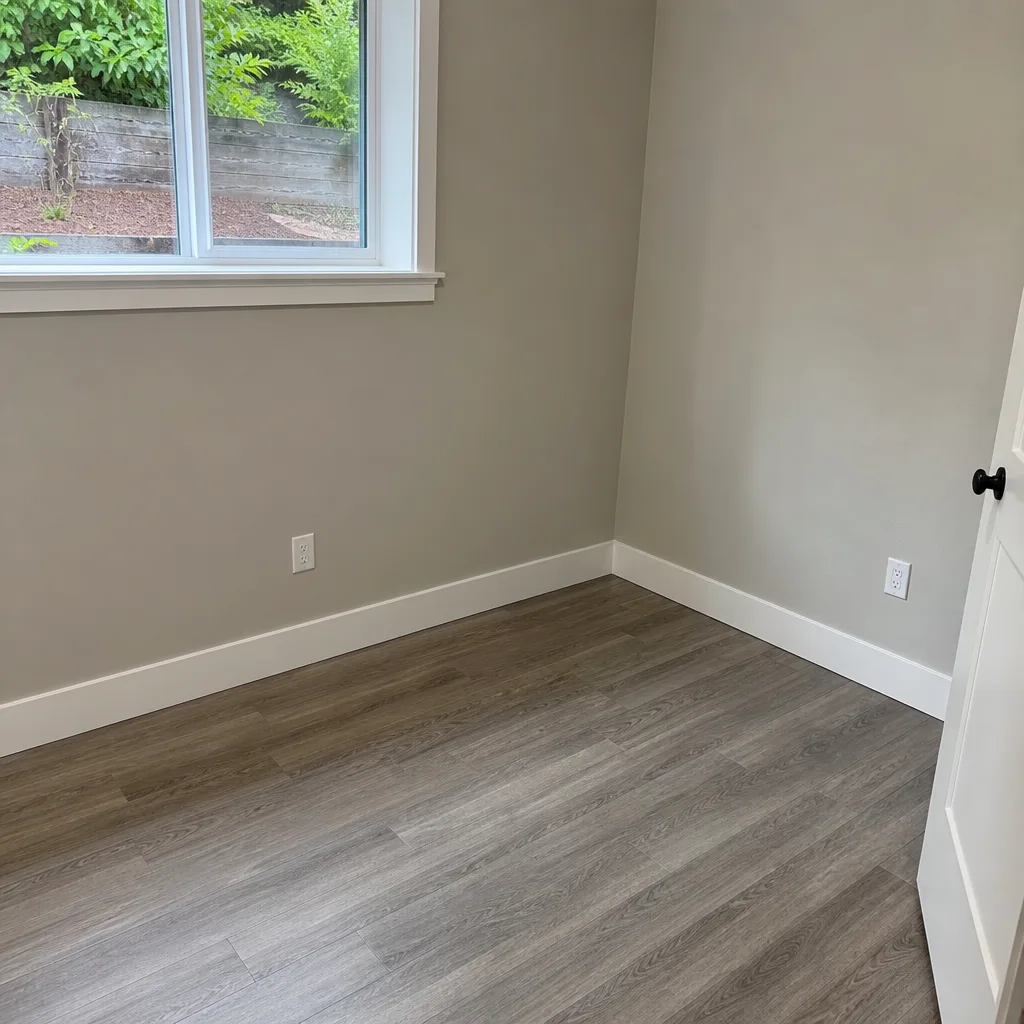 After
AfterDIY vs Professional Damage Restoration: The Renton Homeowner’s Decision Guide
Washington State has no legal barrier to a homeowner performing their own water damage remediation. But a homeowner’s own moisture readings, without a licensed contractor’s signed clearance report, are inadmissible as claim documentation by most major insurers operating in the state. We’ve reviewed thousands of claims since 2011, and the pattern is consistent: the DIY work itself is often competent, but the documentation gap costs the homeowner their full recovery. In this guide, we’ll show you exactly where the line falls between what you can handle yourself and what requires professional documentation to protect your Renton property and your insurance position; for more background, see our How to Hire a Damage Restoration Contractor in Renton: A Step-by-Step Guide.
Quick Answer
Most Renton homeowners can safely handle Category 1 clean water extraction from a small, contained area under 150 square feet if they own or rent commercial-grade dehumidification and can document daily moisture readings with a calibrated thermo-hygrometer. For anything involving gray or black water, mold, fire or smoke damage, or any loss where insurance reimbursement matters, professional restoration pays for itself through documented compliance with IICRC S500 drying standards that insurers recognize.
Table of Contents
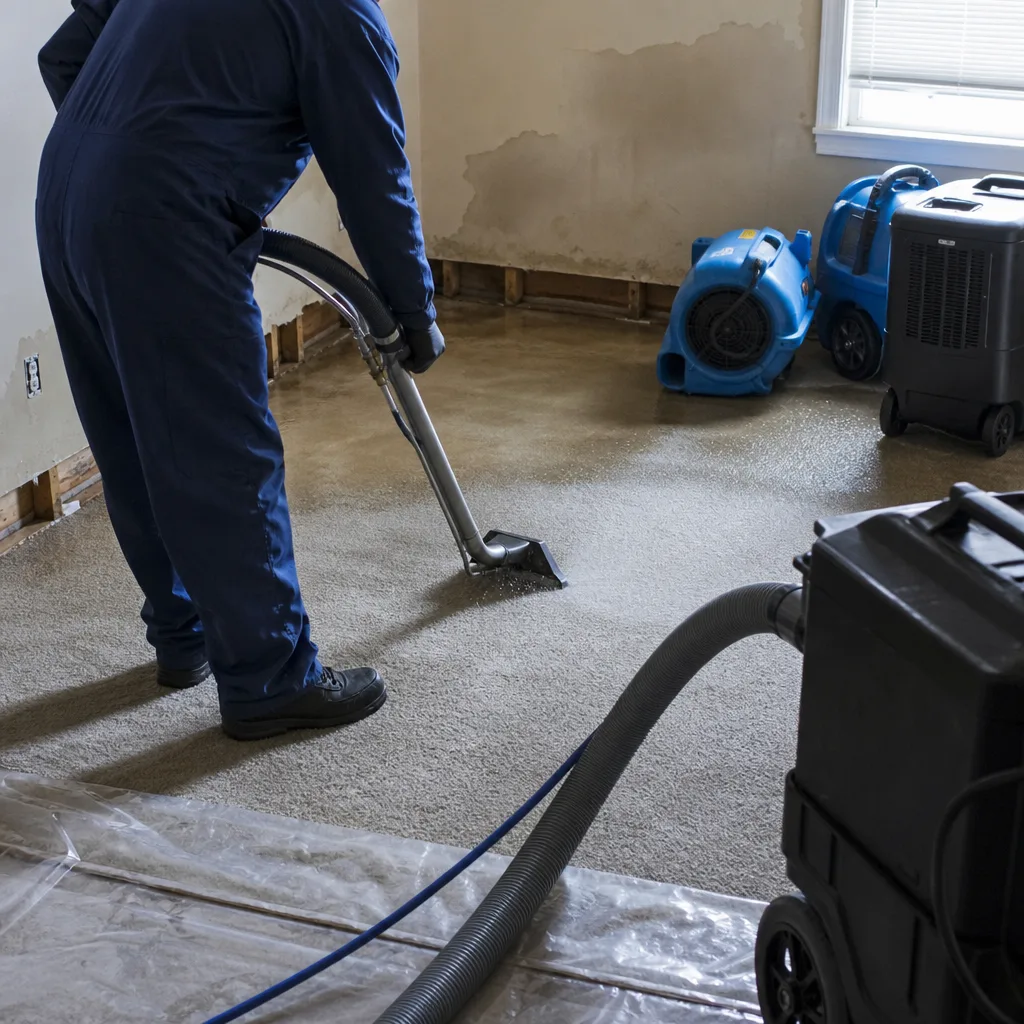
- What Washington State Law Actually Allows Homeowners to Do
- The Documentation Gap: Why Competent DIY Work Still Fails
- IICRC S500 Drying Standards and the Equipment Required to Prove Them
- Water Damage Categories: Where DIY Ends and Professional Begins
- The Mold Liability You Inherit When DIY Drying Falls Short
- Three Scenarios Where Professional Restoration Pays for Itself
- The Hybrid Approach: Controlling Cost Without Sacrificing Documentation
- Common Mistakes to Avoid
- When to Call a Professional
- Frequently Asked Questions
BeforeAfterWhat Washington State Law Actually Allows Homeowners to Do
RCW 18.27 and RCW 19.28, the statutes governing contractor registration and electrical work, contain a homeowner exemption that permits property owners to perform their own construction, repair, and maintenance work on their primary residence. This includes water extraction, drying, and even limited mold removal. The exemption does not extend to work performed for compensation on rental properties, nor does it override local health department authority when public health is at risk.
What the law permits and what your insurance policy will pay for are different questions. Most standard HO-3 and HO-5 policies in King County contain language requiring “reasonable and necessary repairs performed by qualified persons” for full reimbursement. The interpretation of “qualified persons” varies by carrier, but in our experience reviewing claims across Renton, Bellevue, and Seattle markets, the major insurers operating here - including those writing policies for the Boeing corridor workforce and the tech professionals in Landing, Talbot Hill, and Kennydale - uniformly require third-party documentation of dry standard achievement for structural drying claims over $2,500.
The City of Renton Building Division issues permits for reconstruction work but does not inspect water damage remediation itself. However, any reconstruction involving electrical, plumbing, or structural modification requires permits and licensed trade contractors. This creates a common scenario in Renton’s older neighborhoods like Renton Hill and the Highlands: a homeowner successfully extracts water and installs fans, then discovers that replacing the water-damaged subfloor triggers permit requirements that expose the undocumented drying phase to insurer scrutiny.
We’ve seen this sequence repeatedly. The homeowner saves $800 on extraction costs, then faces a $12,000 reconstruction claim that the insurer reduces by 40% due to lack of documented drying compliance. The savings evaporate, and the homeowner has no contractor to hold accountable for the documentation failure.
The Documentation Gap: Why Competent DIY Work Still Fails
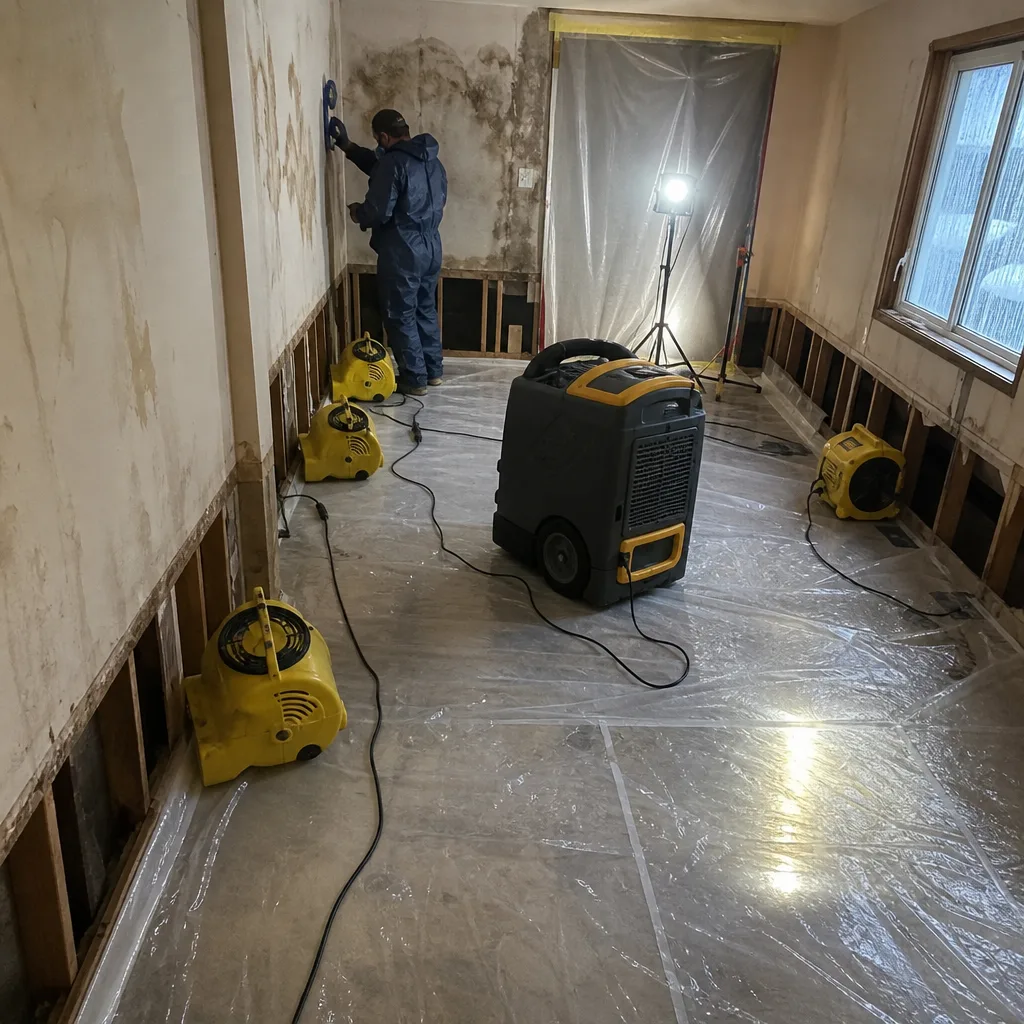
In 2019, we were called to a home in Fairwood where the homeowner had executed what appeared to be textbook water damage response. A supply line to the refrigerator had failed on a Friday evening. He extracted standing water with a wet-dry vacuum, rented six air movers and two dehumidifiers from a national equipment supplier, and ran them continuously for five days. The carpet felt dry. The drywall appeared normal. He replaced the pad and reinstalled the carpet.
Six months later, mold was visible along the baseboards. The insurer denied the mold claim in full, citing the homeowner’s failure to document that the structure had reached dry standard before reconstruction. The $23,000 remediation and reconstruction cost became an out-of-pocket expense.
The gap was not skill. It was documentation. Specifically, three documents the homeowner never obtained:
- A daily drying log showing moisture content readings for each affected material, recorded with a calibrated pin or pinless moisture meter, compared against dry standard values for that material type and that geographic region.
- Psychrometric data - temperature, relative humidity, and specific humidity readings - taken at the dehumidifier intake and at multiple points in the affected space, demonstrating that the drying environment was controlled to promote evaporation without secondary damage.
- A signed clearance report from a licensed restoration contractor or industrial hygienist stating that the structure had reached equilibrium moisture content and was safe for reconstruction.
Without these three documents, the insurer has no basis to confirm that the loss was fully mitigated before the policyholder’s own reconstruction efforts potentially concealed continuing damage. The adjuster’s position, which we’ve seen sustained in appraisal and mediation, is straightforward: if the drying was done right, the mold wouldn’t have occurred, and if the drying can’t be proven, the policyholder assumes the risk of incomplete mitigation.
This is the core issue that DryMark Restoration Renton home was built to address. Our founder, Alicia Brennan, spent years as a claims adjuster watching homeowners lose legitimate claims to documentation gaps. The Haven Standard was designed to close that gap with written prices before work begins, photo-documented assessments on every visit, and daily moisture logs that turn restoration invoices into payable claims.
IICRC S500 Drying Standards and the Equipment Required to Prove Them
The Institute of Inspection, Cleaning and Restoration Certification (IICRC) publishes the S500 Standard and Reference Guide for Professional Water Damage Restoration, which defines “dry standard” as the moisture content at which a material will neither gain nor lose moisture when exposed to the surrounding air at normal indoor conditions. This is not a single number. It varies by material and by climate zone.
In Renton’s marine west coast climate, with average indoor relative humidity of 45-55% and seasonal variation driven by Puget Sound proximity, the equilibrium moisture content for structural wood typically falls between 9% and 12%. For gypsum drywall, it’s 0.5% to 1.0% by weight. For concrete subfloors common in Renton’s post-war ranch homes and mid-century construction, it’s 3.5% to 5.0% using calcium chloride testing, or 75-80% relative humidity in situ.
Proving these thresholds requires equipment that most homeowners do not own and cannot rent from consumer equipment suppliers:
| Equipment | Purpose | Approximate Cost to Purchase | Rental Availability |
|---|---|---|---|
| Calibrated pin-type moisture meter | Measures moisture content in wood, drywall, insulation to ±0.5% accuracy | $350-$600 | Limited; calibration certification required |
| Pinless/RF moisture meter | Non-destructive scanning of large surface areas for moisture mapping | $400-$800 | Rare |
| Thermo-hygrometer (calibrated) | Measures temperature and relative humidity for psychrometric calculations | $200-$500 | Occasional |
| Psychrometric chart or software | Calculates vapor pressure differential, grains per pound, dew point | $50-$300 | Software subscriptions available |
| Thermal imaging camera | Identifies hidden moisture behind finished surfaces | $2,500-$6,000 | Some equipment depots |
| Dehumidifier (LGR or desiccant) | Removes moisture from air at rates measured in pints per day; LGR units operate below 40 grains | $3,000-$8,000 | Widely available; consumer-grade units inadequate |
| Air mover (axial or centrifugal) | Creates airflow across wet surfaces to accelerate evaporation | $300-$600 each | Widely available |
The critical distinction is calibration. A moisture meter purchased from a hardware store or rented without current calibration certificate provides readings that insurers and industrial hygienists will not accept. Calibration drift of 2-3% is common in meters that haven’t been serviced annually, and in Renton’s climate, that drift can mean the difference between a reading that shows dry standard achievement and one that conceals continuing moisture.
Psychrometric data - the measurement of air conditions that control drying rate - is equally essential. Vapor pressure differential, the difference between the vapor pressure at the wet material surface and the vapor pressure in the air, drives evaporation. If the air in the drying chamber is too humid or too cool, evaporation stalls even with continuous airflow. Professional-grade low-grain refrigerant (LGR) dehumidifiers, like those manufactured by Dri-Eaz and Phoenix, can achieve air conditions below 40 grains per pound, creating the vapor pressure differential needed to dry dense materials like Douglas fir framing common in Renton construction.
Without this equipment and the training to interpret it, a homeowner cannot produce the documentation that insurers require for full claim payment. The work may be physically correct. The record is not.
Water Damage Categories: Where DIY Ends and Professional Begins
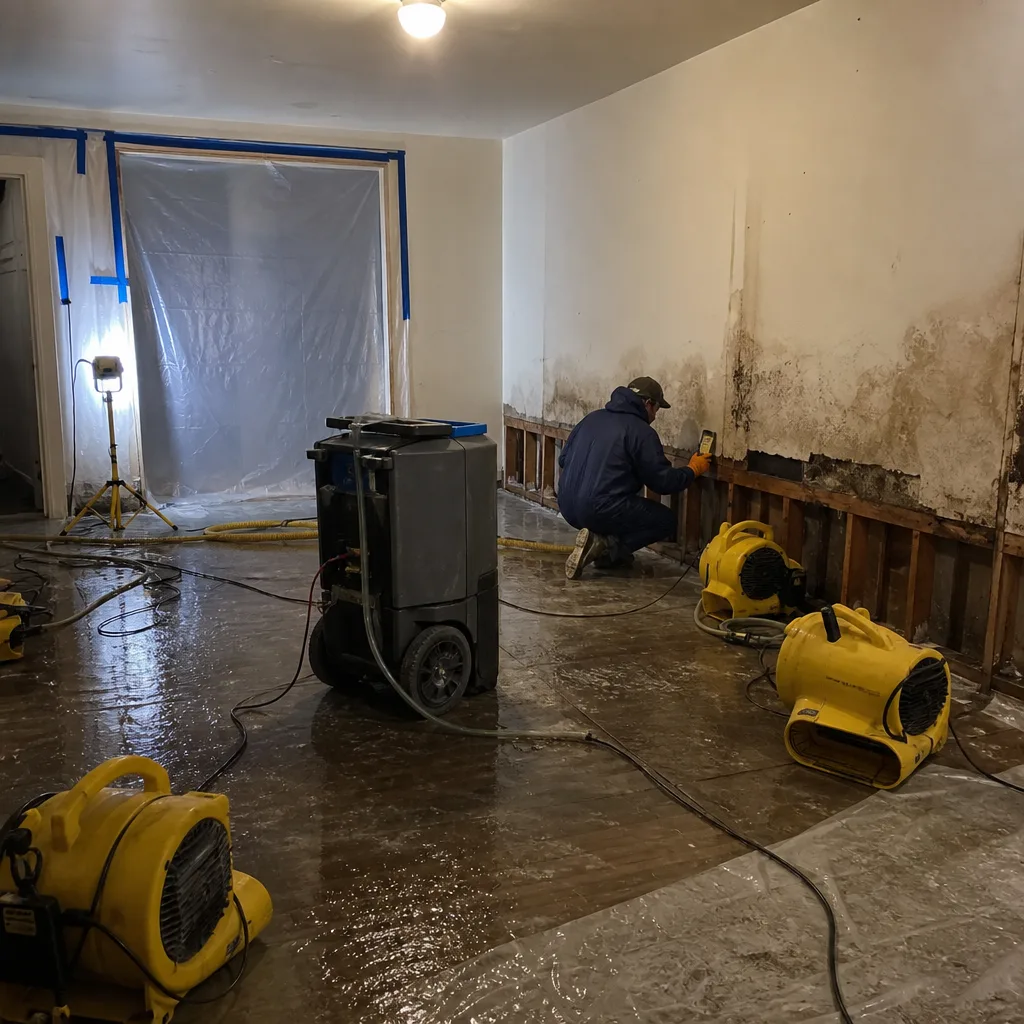
The IICRC S500 defines three categories of water damage based on contamination level. This classification determines not only health risk but also insurance coverage, reconstruction requirements, and whether homeowner self-remediation is legally and practically viable.
Category 1: Clean Water
Originates from a sanitary source: broken supply lines, tub or sink overflows with no contaminants, melting ice or snow, falling rainwater. Category 1 water does not pose substantial risk from dermal, ingestion, or inhalation exposure. It can degrade to Category 2 or 3 if left untreated for 24-48 hours, a common occurrence in Renton when homeowners attempt weekend drying without adequate dehumidification capacity.
DIY viability: Limited. Small, contained areas under 150 square feet with immediate response (within 4-6 hours) and access to commercial-grade drying equipment. The homeowner must still document moisture readings and achieve dry standard before reconstruction. Most Renton homeowners lack the equipment and calibration records to satisfy insurer requirements.
Category 2: Gray Water
Contains significant contamination and has the potential to cause discomfort or sickness if contacted or consumed: dishwasher discharge, washing machine overflow, flush from sink drains, sump pump failures. Category 2 water contains nutrients that accelerate microbial growth, and the King County Public Health Code requires specific handling protocols for gray water intrusion into wall cavities or subfloor spaces.
DIY viability: Not recommended. The Washington State Department of Health and King County Code both recommend professional remediation for Category 2 water affecting structural cavities. Insurance policies typically require professional documentation for gray water claims. The microbial loading in Category 2 water makes self-remediation a health risk, and the documentation burden is higher than most homeowners can meet.
Category 3: Black Water
Grossly contaminated: sewage, seawater, rising flood water from rivers or streams, water from beyond the toilet trap. Category 3 water contains pathogenic, toxigenic, or other harmful agents. The King County Board of Health has specific authority to order professional remediation and may require post-remediation verification by an industrial hygienist.
DIY viability: Prohibited for practical purposes. Homeowner’s insurance policies universally exclude coverage for self-performed sewage cleanup. Health code violations are possible. The personal protective equipment alone - full-face respirator with organic vapor and particulate filters, Tyvek suit with sealed seams, boot covers - exceeds $400 in acquisition cost. Disposal must follow King County Solid Waste Division requirements for regulated medical/biohazardous waste.
In Renton’s flood-prone areas near the Cedar River and Black River, particularly in the Renton Highlands and along the Maple Valley Highway corridor, we’ve seen homeowners attempt Category 3 self-remediation after seasonal flooding that proper Seasonal Damage Restoration Care for Renton: Year-Round Homeowner’s Guide could have helped them avoid. The health consequences have included bacterial infections and prolonged respiratory illness. The insurance consequences have included complete claim denial and potential policy rescission for failure to mitigate properly.
The Mold Liability You Inherit When DIY Drying Falls Short
Washington State does not have a specific mold remediation licensing requirement, which creates a dangerous perception that mold is a manageable DIY project. The absence of licensing does not mean the absence of liability. It means the liability falls entirely on the property owner.
When a licensed restoration contractor performs structural drying and mold remediation, the work product includes:
- A written scope defining the affected area, the remediation method, and the clearance criteria
- Containment protocols with negative air pressure to prevent cross-contamination
- HEPA filtration and proper disposal documentation
- Post-remediation verification, typically by third-party industrial hygienist
- A warranty or guarantee of the work
When a homeowner performs the same work, none of these protections exist. If mold recurs, the homeowner has no contractor to hold responsible. If mold spreads to adjacent units in a condominium or townhome, as is common in Renton’s denser neighborhoods like Downtown Renton and the Landing, the homeowner faces liability to neighbors without the protection of a contractor’s general liability policy.
The specific risk in Renton’s climate is delayed failure. Our marine climate maintains high ambient humidity through fall and winter. A homeowner who achieves surface dryness in September may have concealed moisture in wall cavities that doesn’t manifest as visible mold until January, when temperature differentials create condensation conditions. By that point, the original water loss claim is closed, the documentation gap is permanent, and the mold remediation becomes a new, uninsured loss.
We’ve documented this pattern in homes across Renton, from the vintage construction in Renton Hill to the newer developments in Talbot Hill and Benson Hill. The common element is not construction quality or homeowner competence. It’s the absence of a drying record that proves the structure reached equilibrium before reconstruction sealed the moisture inside.
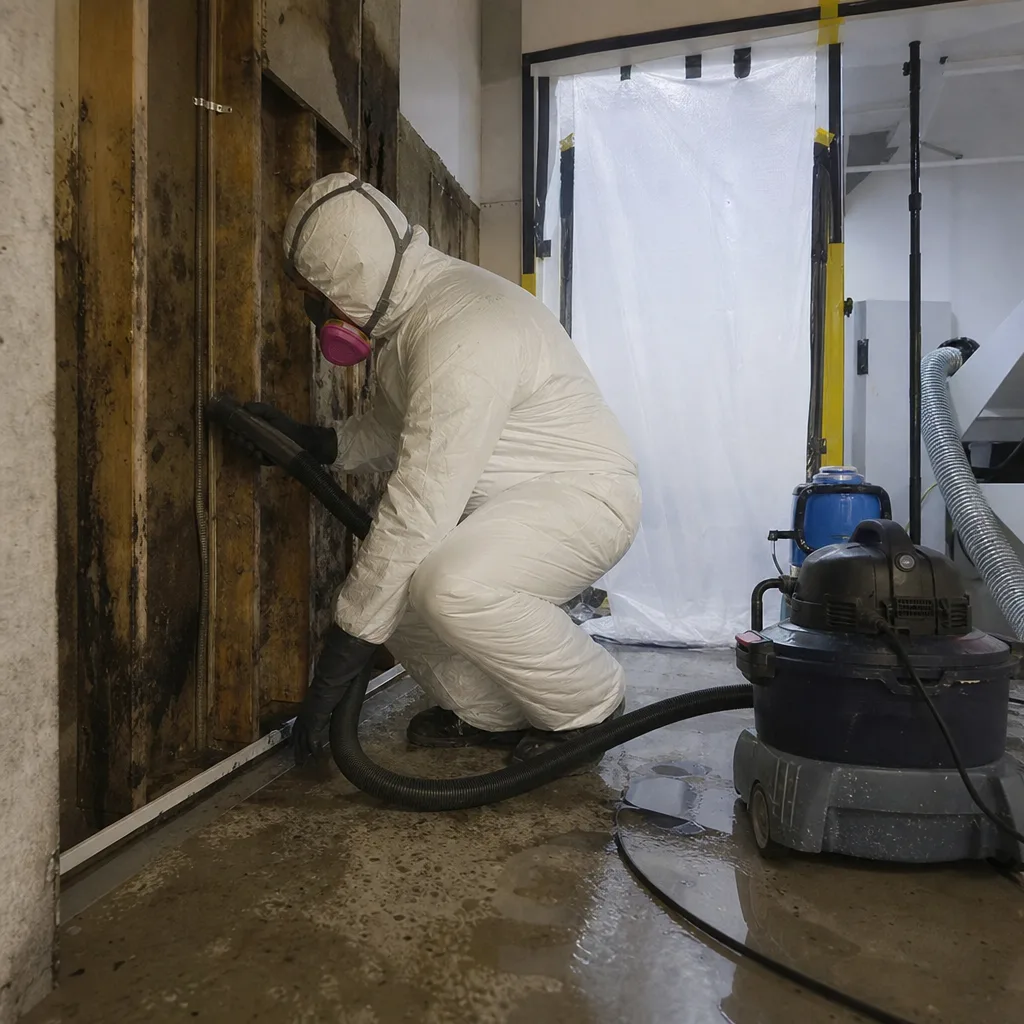
Mold Remediation in Renton requires not just removal of visible growth but documentation that the underlying moisture source has been eliminated. Professional remediation includes this documentation as a standard deliverable, not an upsell.
Three Scenarios Where Professional Restoration Pays for Itself
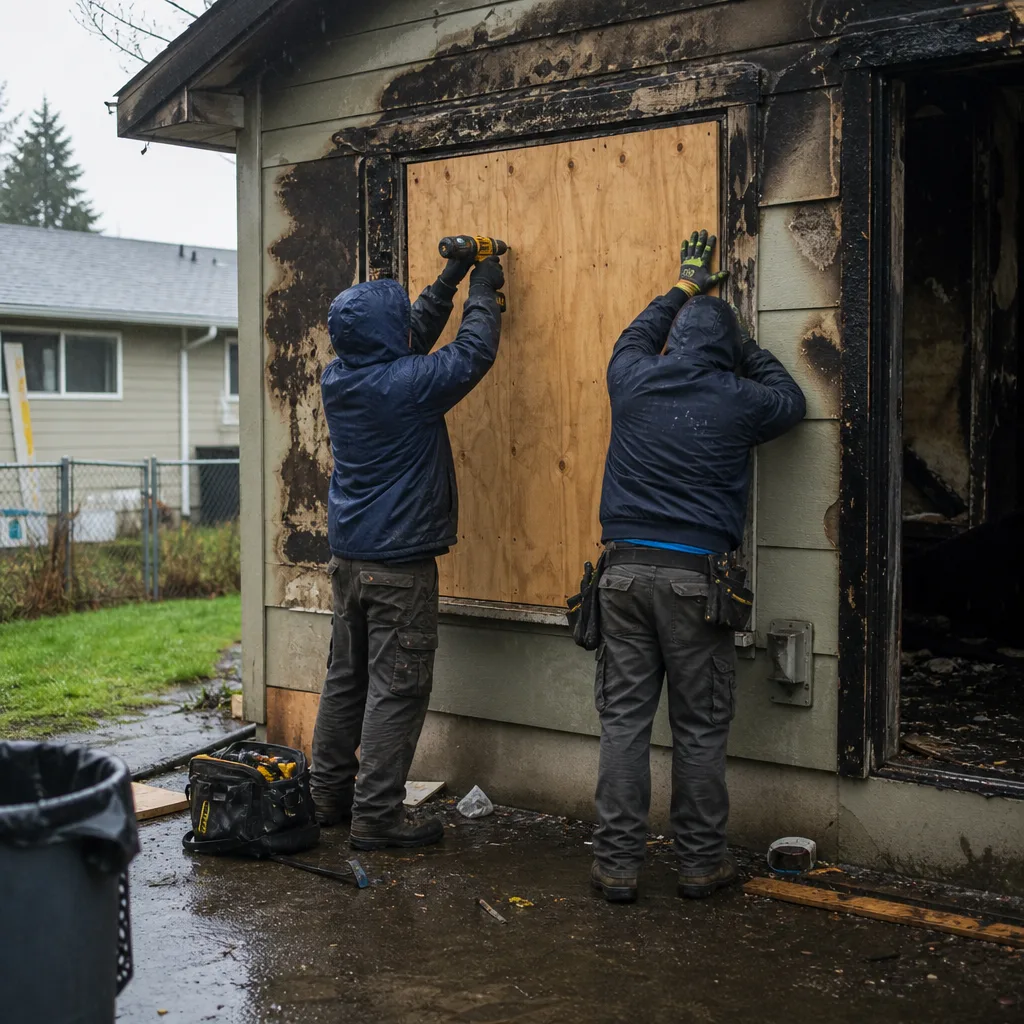
Even when the physical work of extraction and drying appears straightforward, there are three scenarios where professional involvement generates net financial benefit for the Renton homeowner.
Scenario 1: Documented Mold Presence
Any visible mold growth exceeding 10 square feet, or any mold growth in an HVAC system, triggers EPA and IICRC protocols that require containment, negative air pressure, and post-remediation verification. The cost of proper containment materials, HEPA equipment rental, and third-party clearance testing typically exceeds $1,800 for even a small bathroom. A professional remediation contractor absorbs these costs within a scoped price and provides documentation that protects against future liability.
More importantly, mold remediation performed by a licensed contractor is typically covered by that contractor’s errors and omissions insurance. DIY remediation carries no such protection. In Renton’s condominium market, where units in buildings like those along Lake Washington Boulevard and in the Landing share HVAC systems, this liability exposure is particularly acute.
Scenario 2: Any Category 2 or 3 Water Source
As detailed above, gray and black water carry health code implications and insurance documentation requirements that make self-remediation impractical. The professional cost is offset by: full insurance reimbursement that self-remediation cannot secure; health risk avoidance; and protection against claim denial for related mold or structural damage.
In our experience, a typical Category 2 kitchen loss in Renton runs $4,500-$7,500 for professional remediation. The same loss, self-remediated without documentation, often generates a denied or reduced claim that leaves the homeowner with $15,000-$25,000 in uncovered reconstruction costs.
Scenario 3: Any Loss Exceeding the Homeowner’s Deductible
With standard deductibles in King County running $1,500-$5,000, any loss above that threshold should trigger professional involvement for documentation purposes alone. The homeowner pays the deductible regardless. The question is whether the insurer pays the balance, and that payment depends on documentation.
We’ve reviewed claims where a $3,200 professional drying invoice generated full payment of $28,000 in reconstruction, while a neighboring homeowner’s $400 DIY extraction effort produced a $9,000 reconstruction claim that was reduced to $3,400 due to documentation failure. The professional service paid for itself six times over.
Haven Standard, Clause 1: written price before work begins. This applies to every scenario. The homeowner knows the cost before committing, and the written scope becomes part of the claim documentation from day one.
The Hybrid Approach: Controlling Cost Without Sacrificing Documentation
There is a middle path that respects both budget consciousness and documentation requirements. In our work across Renton, we’ve structured hybrid engagements that assign tasks based on who can perform them most cost-effectively while preserving the documentation chain that insurers require, as outlined in our Water Damage Restoration Maintenance Checklist for Renton Homeowners.
The homeowner handles:
- Immediate source control - shutting off the water supply, removing standing water with available equipment, moving contents to unaffected areas. These actions require no documentation and prevent loss amplification.
- Content protection and pack-out - photographing personal property, inventorying damaged items for the adjuster, moving salvageable contents to dry storage. The homeowner’s intimate knowledge of their possessions makes them efficient at this task.
- Demolition of clearly unsalvageable materials - removing saturated carpet pad, cutting wet drywall below the water line, disposing of damaged insulation. This is unskilled labor that requires only basic safety precautions.
The licensed contractor handles:
- Moisture mapping and documentation - establishing the full extent of water migration with thermal imaging and moisture meters, creating the baseline record that the insurer will reference.
- Structural drying with documented daily logs - deploying and monitoring LGR dehumidifiers, air movers, and specialty drying systems like Injectidry floor mats or wall cavity injection, recording psychrometric data that proves dry standard achievement.
- Clearance documentation - providing the signed report that the insurer requires before authorizing reconstruction payment.
- Reconstruction - performing or subcontracting the rebuild to code, with permits and inspections as required by Renton Building Division.
This hybrid structure typically reduces professional fees by 25-35% while preserving full documentation compliance. The critical boundary is the moisture mapping and drying log. Once the contractor establishes the baseline and performs the drying with documented equipment, the insurer has the third-party verification required for full claim payment. The homeowner’s initial extraction work is incidental to the documentation chain, not a substitute for it.
We offer free second opinions on any competitor’s written estimate, and we’ll review hybrid proposals to confirm that the documentation chain remains intact; explore our more guides & resources for additional homeowner guidance. A common error in hybrid structures is allowing the homeowner’s demolition to remove evidence of water migration extent, making the contractor’s moisture mapping less definitive. We specify exactly what to leave in place until our assessment is complete.
Water Damage Restoration in Renton from DryMark Restoration Renton includes this consultation as part of our standard emergency response. We’ll help you structure the most cost-effective approach that still protects your claim.
Common Mistakes to Avoid
- Renting consumer-grade dehumidifiers from home improvement stores. These units typically extract 30-50 pints per day under optimal conditions. A professional LGR dehumidifier extracts 120-200 pints per day and continues operating below 40 grains per pound, where consumer units become ineffective. In Renton’s fall and winter humidity, consumer units often run continuously without achieving dry standard.
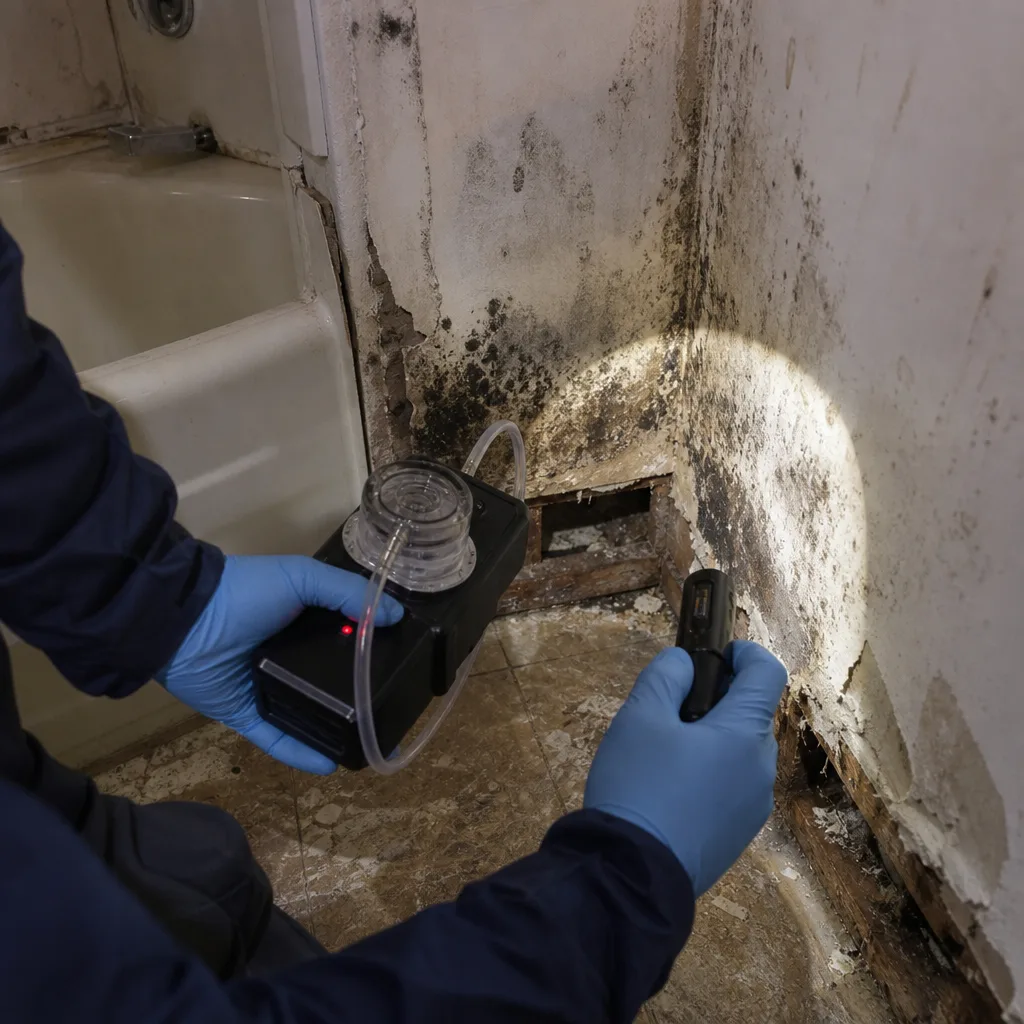
- Using bleach on mold growth. Bleach kills surface mold but does not penetrate porous materials like drywall or wood framing. It also adds moisture to the material. We’ve found dead mold with active moisture behind it in dozens of Renton homes where bleach was the sole remediation method. The visible problem was gone; the structural problem was worse.
- Installing new flooring over concrete without calcium chloride testing. Renton’s older homes, particularly in the Renton Hill and Highlands neighborhoods, often have concrete slabs that appear dry but retain elevated moisture. Flooring installed without verifying 3-5% moisture content via calcium chloride test or in-situ relative humidity probe will fail within 6-18 months, voiding manufacturer warranties.
- Failing to document the water source and migration path. Insurers deny claims for “long-term” or “repeated seepage” that the policyholder should have addressed. A photo record of the original loss, the water line, and the affected materials establishes that the damage was sudden and accidental, not gradual.
- Delaying the call to preserve the deductible. Every hour of delay increases the water migration area and the microbial amplification risk. In Renton’s moderate temperatures, mold colonization begins in 24-48 hours. The deductible is fixed; the loss amount is not. Delay transforms a $4,000 mitigation into a $12,000 remediation.
- Accepting a contractor’s verbal estimate. Haven Standard, Clause 1 exists because verbal estimates invite scope creep. A written price before work begins protects both parties. If a contractor will not put the price in writing before starting, that is information about that contractor’s business practices.
- Neglecting to verify that the contractor’s documentation meets your insurer’s specific requirements. Some carriers require IICRC-compliant drying logs; others accept more general documentation. A professional who has worked with multiple carriers in the Renton market, like DryMark Restoration Renton, knows these variations and produces documentation formatted for your specific adjuster.
When to Call a Professional
Call a professional restoration contractor when: the water source is Category 2 or 3; the affected area exceeds 150 square feet or involves multiple rooms; water has entered wall cavities, ceiling spaces, or subfloor areas; mold is visible or suspected; the loss value exceeds your insurance deductible; or you need the work documented for any insurance claim, including potential future claims if hidden damage develops.
In Renton’s climate, with its sustained fall and winter humidity, we also recommend professional assessment for any water loss that occurs between October and March, when ambient conditions make natural drying impossible and concealed moisture particularly likely.
DryMark Restoration Renton offers free estimates in Renton. Our live phone coverage is available 24 hours a day, 7 days a week with no voicemail on emergency lines. Every job is quoted in writing before work begins, documented with a photo record on every visit, and covered by the 365-Day Done Right Promise under The Haven Standard. We also provide free second opinions on any competitor’s written estimate. Call (360) 469-6341.
Frequently Asked Questions
Category 1 clean water drying in a single room typically runs $2,800-$4,500, including equipment, daily monitoring, and documentation. Category 2 or 3 losses, or those requiring demolition and reconstruction, range from $5,500-$18,000 depending on affected square footage and material types. These are price ranges for planning purposes; your specific loss requires a written scope for an exact price. Haven Standard, Clause 1 requires that written price before any work starts. Call (360) 469-6341 for a free estimate.
Most insurers operating in Washington State will reimburse documented material costs for homeowner-performed Category 1 extraction, but they will not pay for your time or accept your moisture readings as proof of dry standard achievement. Without a licensed contractor’s signed clearance report, any subsequent mold or structural damage is typically excluded as resulting from incomplete mitigation. For losses above your deductible, professional documentation usually pays for itself through fuller claim recovery.
Our live dispatch answers every call, 24 hours a day, 7 days a week, with no voicemail trees. Emergency response teams typically arrive within 60-90 minutes for Renton addresses, including neighborhoods from Kennydale to Fairwood to the Landing. The first hour is critical for loss containment; every additional hour of delay increases the affected area and the final restoration cost.
Visible mold exceeding 10 square feet, or any mold in an HVAC system, requires professional containment and remediation per EPA guidelines. Surface cleaning with household products does not address root systems in porous materials and may spread spores through the structure. More importantly, self-performed mold remediation creates liability that a professional warranty would otherwise cover. In Renton’s condominium and townhome market, this liability extends to neighboring units.
At DryMark Restoration Renton, we coordinate directly with your adjuster, providing the documented photo record, daily drying logs, and written scope that adjusters need to authorize payment. Our documentation is formatted to IICRC, RIA, and IFA standards, which major carriers recognize. We do not require you to mediate between the contractor and the insurer; that documentation gap is precisely the problem The Haven Standard was designed to eliminate.
Yes, this hybrid approach can reduce costs if structured correctly. The critical requirement is that the contractor perform moisture mapping before your demolition removes evidence of water migration extent. We specify exactly what to leave in place and will guide you through the sequence during our initial assessment. The drying log and clearance documentation must come from the licensed contractor to be insurer-admissible.
Every DryMark Restoration Renton job includes: a written scope and price before work begins (Haven Standard, Clause 1); a photo record on every visit, delivered digitally; daily moisture logs showing readings, equipment placement, and psychrometric data; a signed clearance report stating dry standard achievement; and the 365-Day Done Right Promise warranty under The Haven Standard. These documents become your permanent record for the property file and any future insurance or real estate transaction.
The Bottom Line
The DIY-vs-professional question in restoration is not primarily about whether a homeowner can extract water or run a fan. It’s about whether the homeowner can produce documentation that an insurer, a future buyer, or a court will accept as proof that the structure was restored to standard. In our experience since 2011, across more than 12,000 homes, the documentation gap costs more than the drying work ever saves.
Renton’s climate, its mix of vintage and contemporary construction, and the documentation requirements of major insurers operating in King County all point toward professional involvement for any loss where the claim value matters. The hybrid approach offers cost control for disciplined homeowners who can follow a contractor’s guidance on evidence preservation. For everything else, the written price before work begins, the photo record on every visit, and the signed clearance report are not marketing promises. They are the difference between a paid claim and a denied one.
Written by Alicia Brennan, Owner at DryMark Restoration Renton, serving Renton since 2011.