
Last updated September 23, 2026
Free visual inspection and a written scope of work before any mitigation begins - photos, moisture readings, and drying logs go in your claim file
The scope we write is the scope we bill. Anything new gets shown to you, in writing, before we touch it.
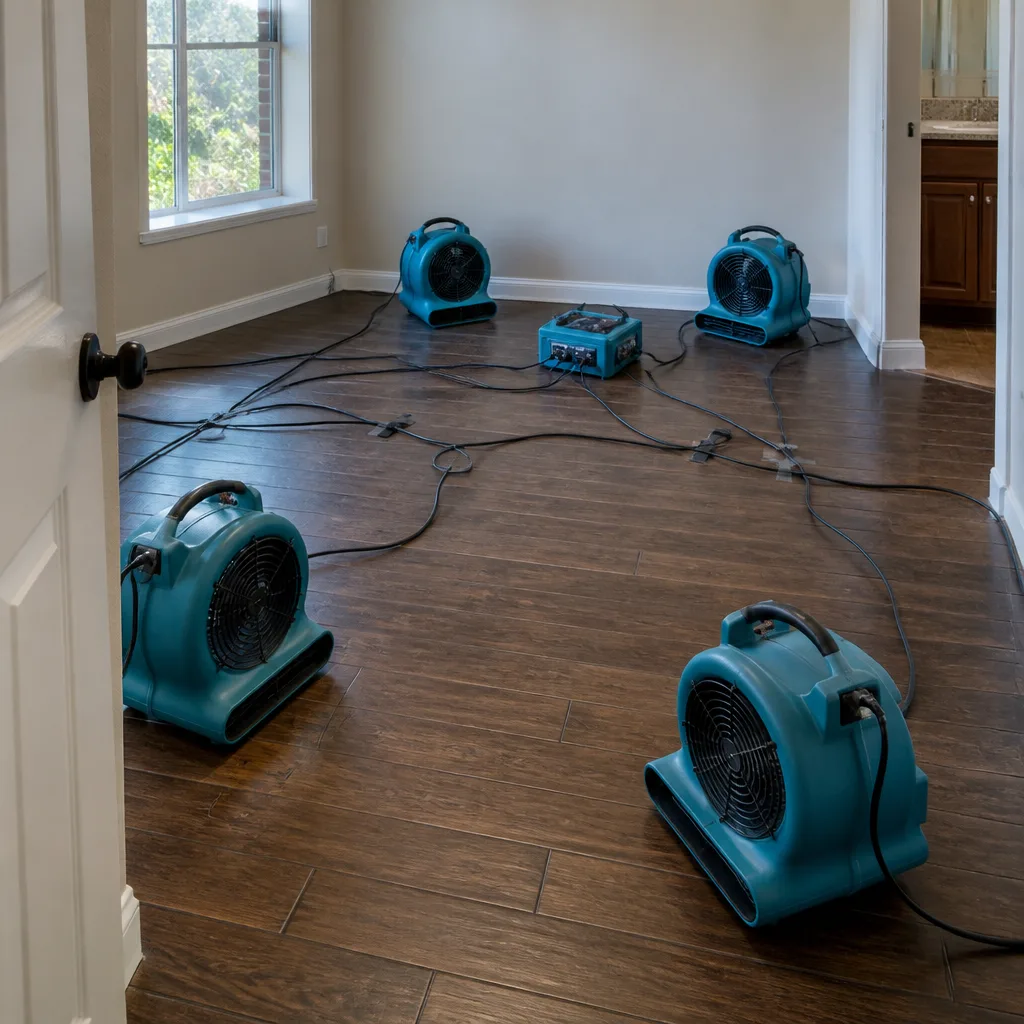

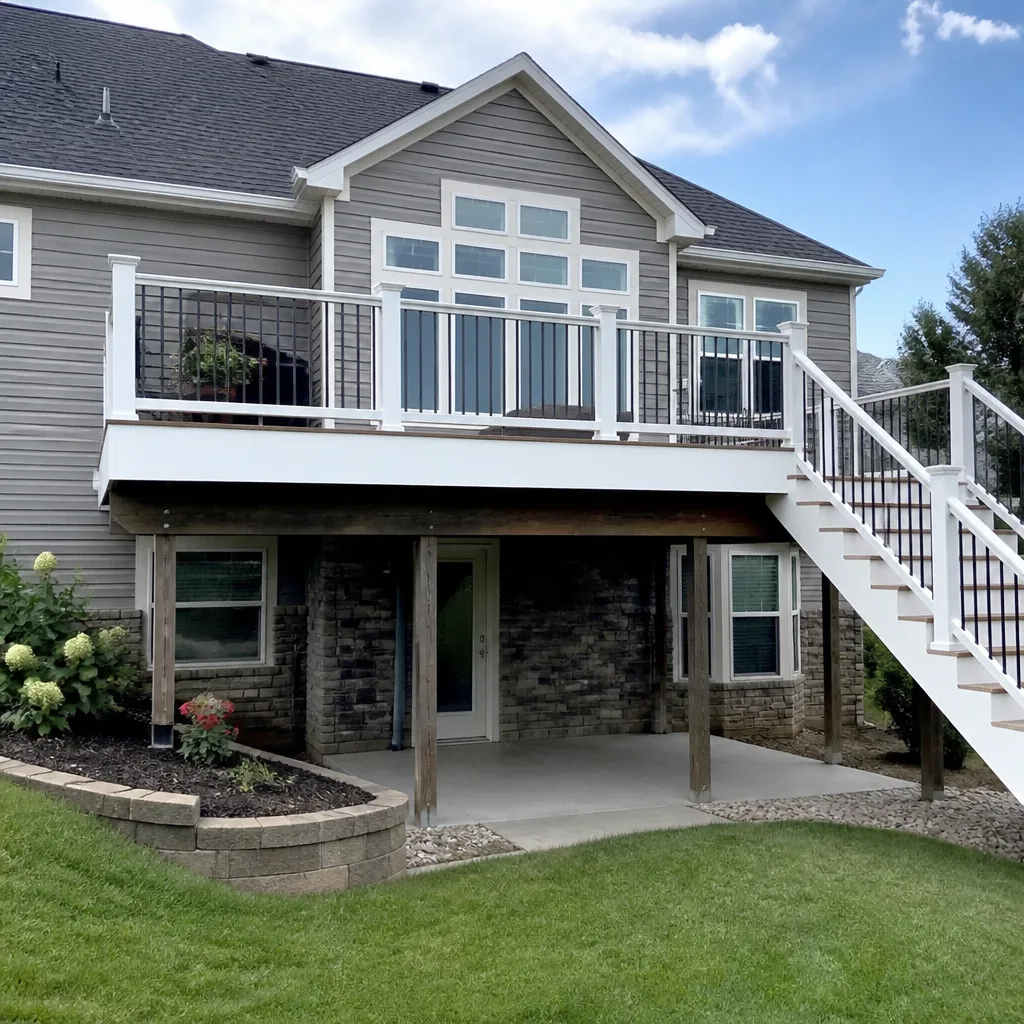
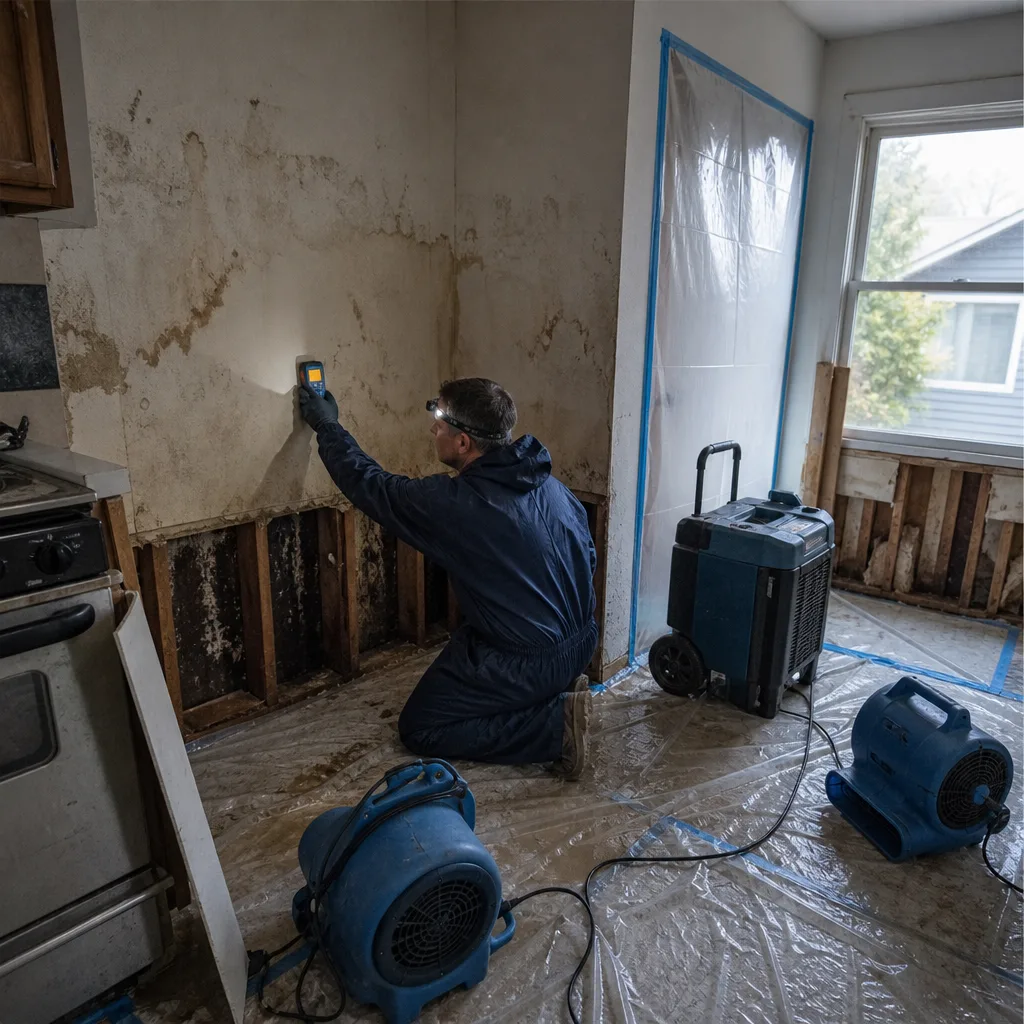 Before
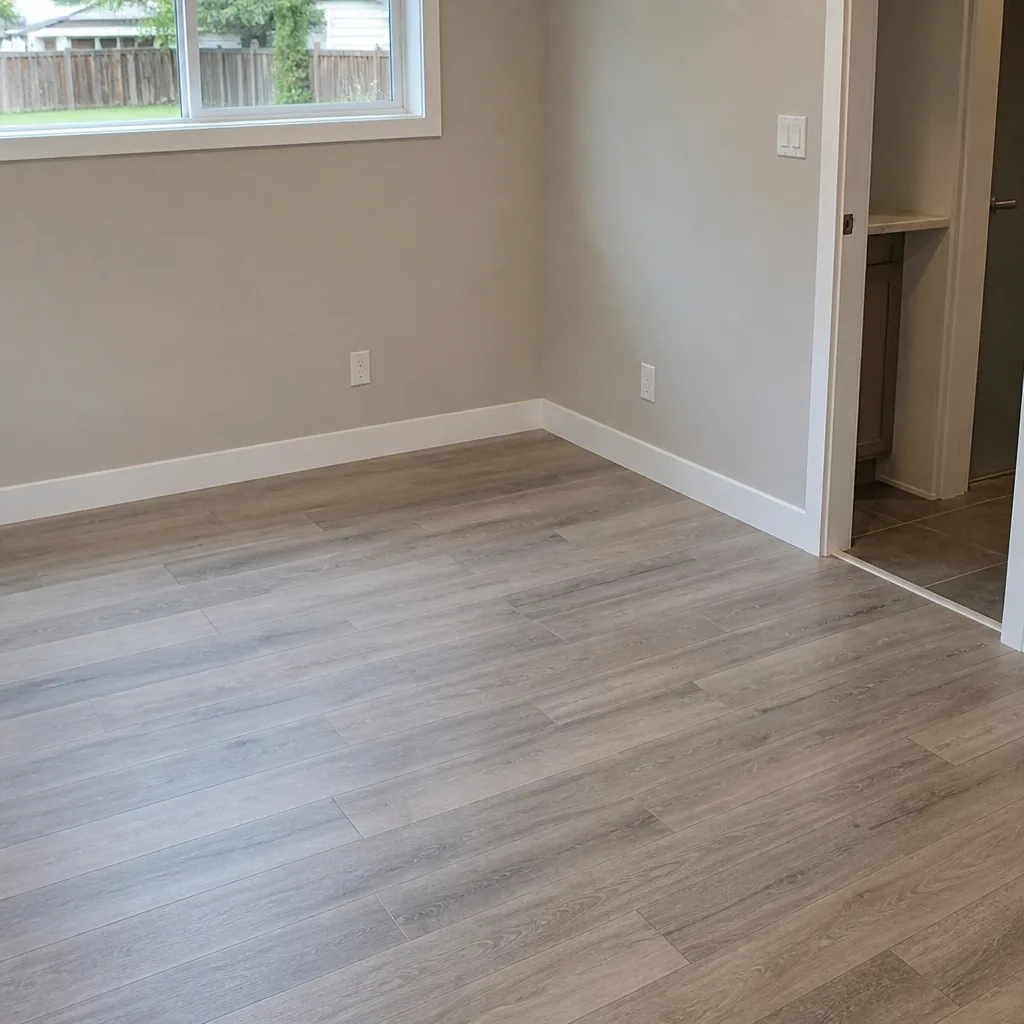 After
After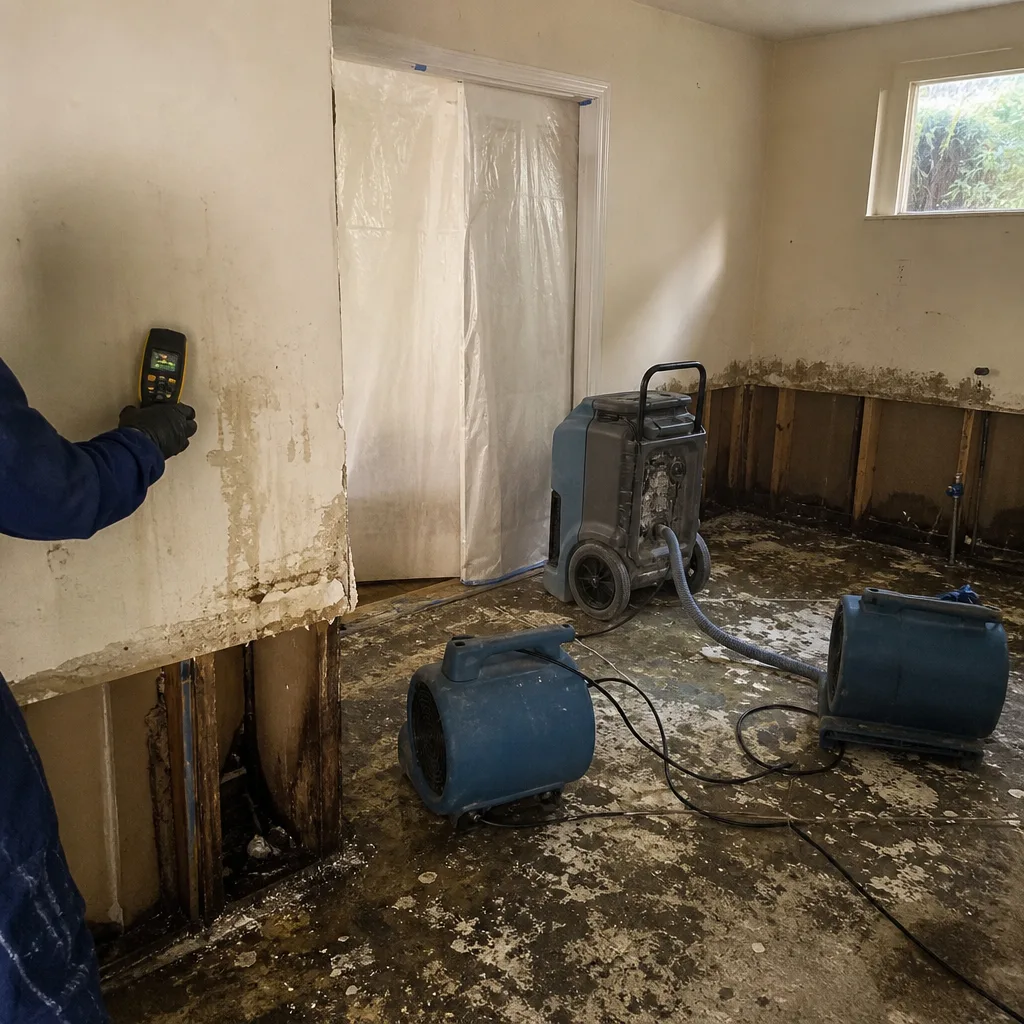 Before
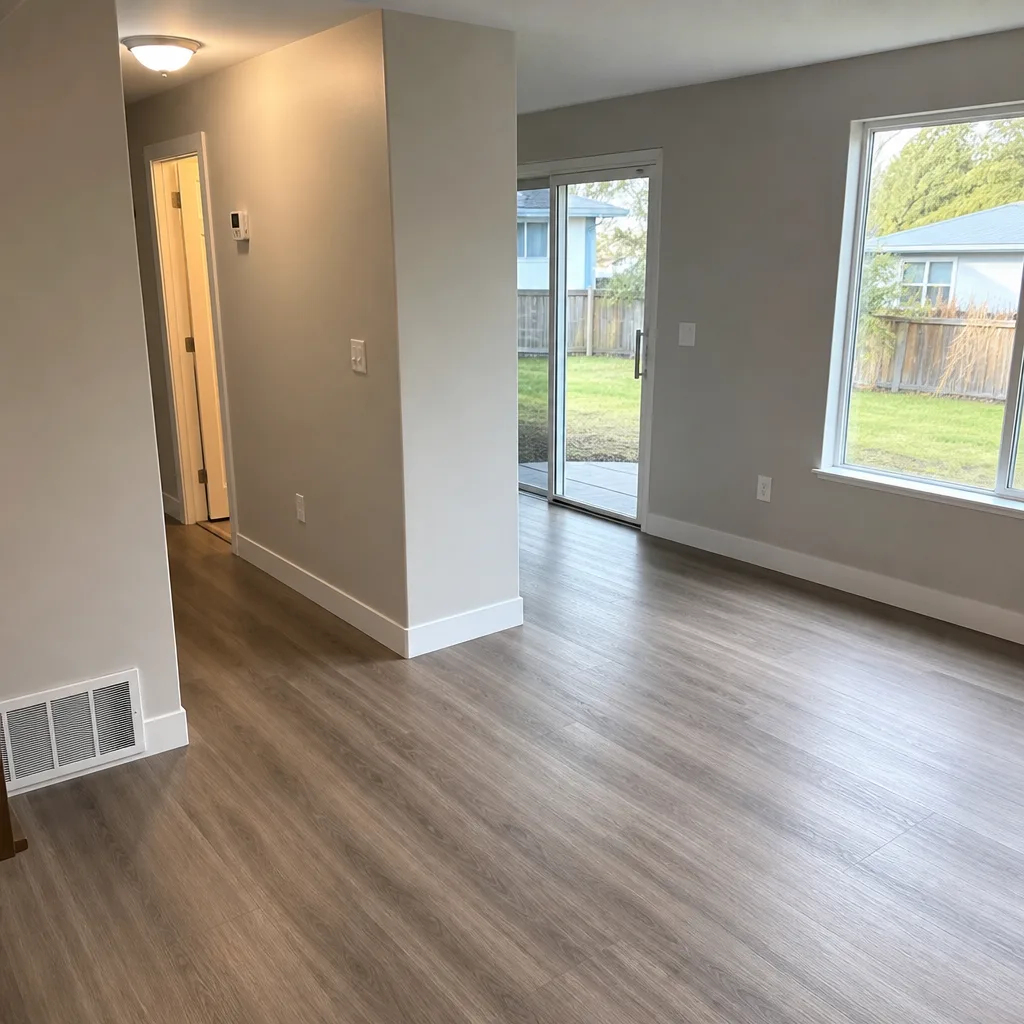 After
After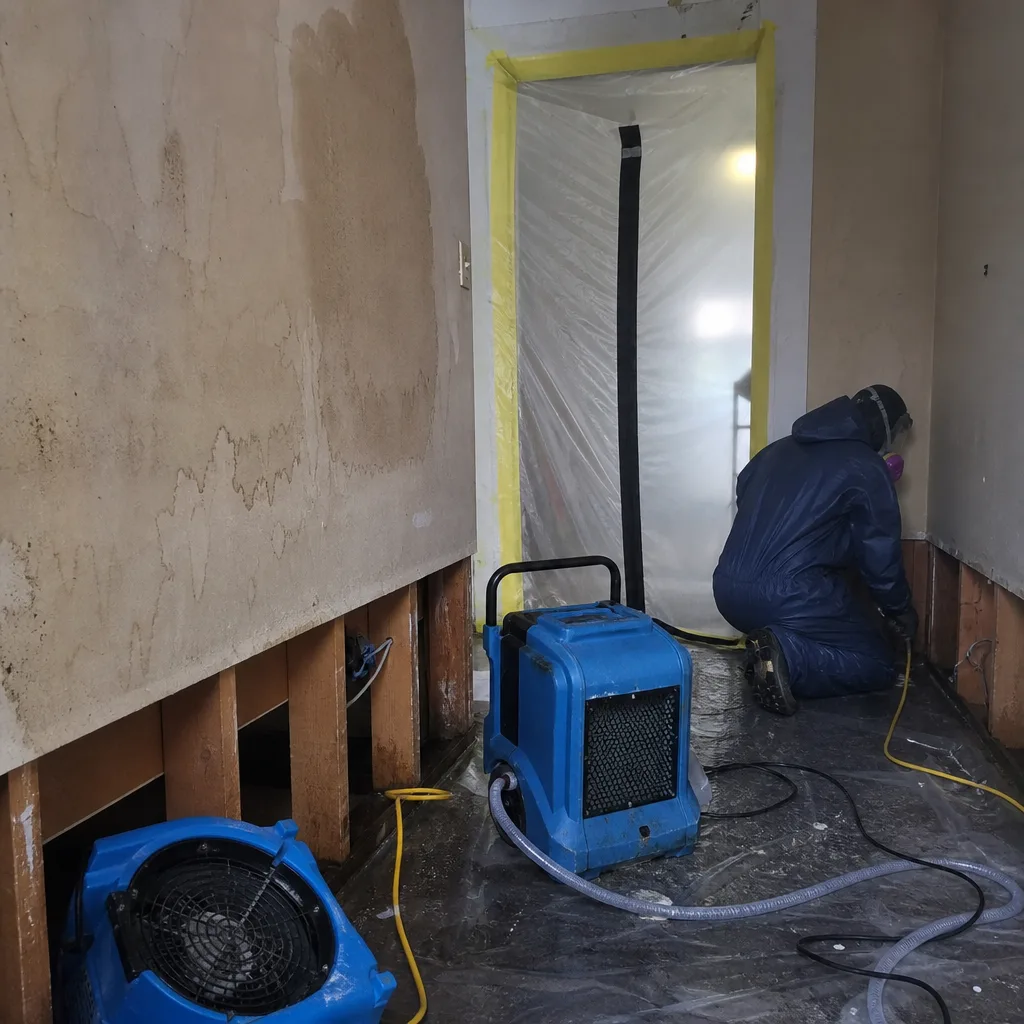 Before
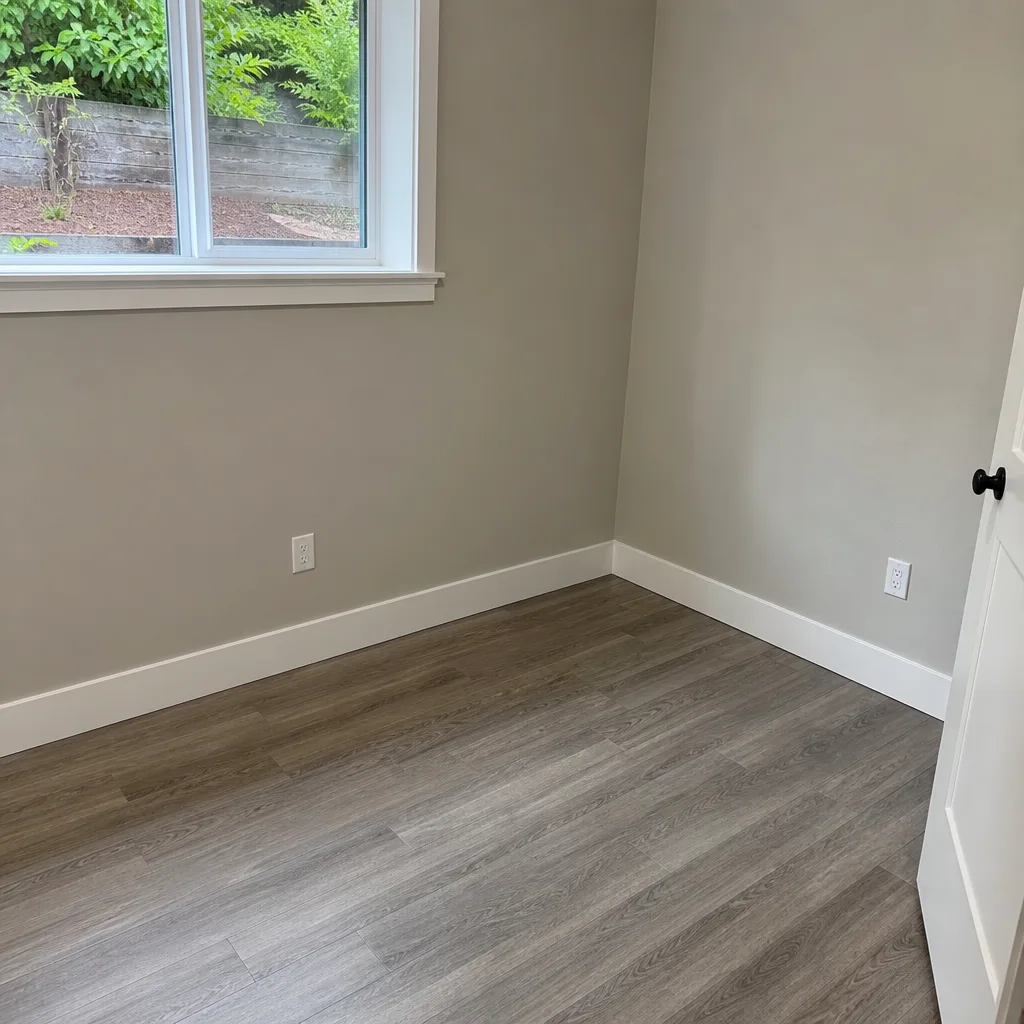 After
AfterSeasonal Damage Restoration Care for Renton: Year-Round Homeowner’s Guide
February is Renton’s highest-volume month for water intrusion claims, but the conditions that cause most of those claims - saturated soil, clogged conveyance, and compressed crawl space vents - are visible and measurable in October. In our experience restoring over 12,000 homes since 2011, the homeowners who spend least on restoration are the ones who treat seasonal maintenance as documentation, not chore work. This guide - along with our Complete Guide to Damage Restoration in Renton - maps Renton’s four predictable damage windows to specific inspection points, measurement methods, and photo records that establish pre-loss condition before an adjuster ever asks.
Quick Answer
Renton homeowners should perform targeted inspections in four seasonal windows: late October (before soil saturation), mid-December (before freeze-thaw cycles), late March (after snowmelt and drainage stress), and mid-August (during peak dry-shrinkage). Each inspection takes 45-90 minutes, requires only a flashlight, moisture meter, and dated photo archive, and intercepts problems at maintenance cost ($50-$400) rather than restoration cost ($3,000-$25,000+).
Table of Contents
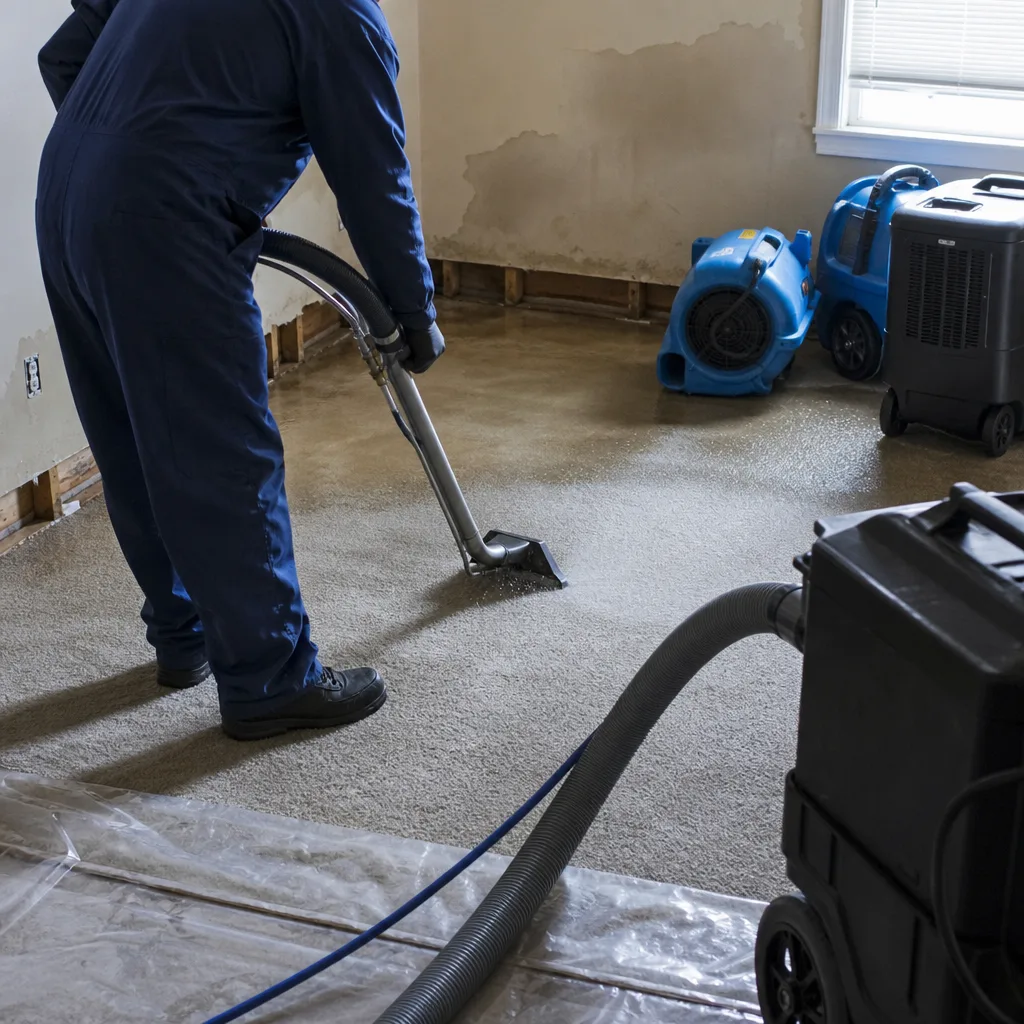
- Renton’s Damage Calendar: Four Predictable Windows
- Fall Inspection: Before the Soil Saturates
- Winter Pipe Freeze Risk: Highlands vs. Valley Floor
- Spring Drainage Recovery: When the Ground Unloads
- Summer Dry-Shrinkage: The Hidden Fall Entry Points
- Building Your Seasonal Photo Archive
- Seasonal Maintenance as Warranty Documentation
- Common Mistakes to Avoid
- When to Call a Professional
- Frequently Asked Questions
- The Bottom Line
BeforeAfterRenton’s Damage Calendar: Four Predictable Windows
Renton’s climate data from NOAA station KRNT shows three distinct precipitation regimes: a dry summer corridor (June-September averaging 1.2 inches monthly), a sharp fall ramp (October-November jumping to 5.8 and 6.4 inches), and a sustained wet winter (December-March averaging 4.5-5.2 inches). Those numbers translate directly into four damage windows that repeat annually with enough consistency to plan around.
Window 1: Soil Saturation (Late October-Early November)
When cumulative fall rainfall exceeds 8 inches - typically by the third week of October in Renton - the clay-loam soils that dominate the Fairwood and Highlands areas reach field capacity. Water that cannot percolate downward begins moving laterally against foundations. This is when we see the first surge of crawl space moisture calls, often from homeowners who inspected in September and found everything dry.
Window 2: Freeze-Thaw Stress (Mid-December-Late January)
Renton’s elevation gradient matters here. The valley floor (elevation 20-40 feet) rarely sees sustained hard freezes, but the Renton Highlands (400-600 feet) and Fairwood bench (300-450 feet) experience 5-10 nights below 28°F annually. Pipe freeze risk is not a city-wide condition; it’s a zone-specific calculation.
Window 3: Spring Drainage Overload (March-April)
Snowmelt from the Cascades combines with continued rainfall on already-saturated ground. The Cedar River and its tributaries run high, and homes with perimeter drains tied to municipal storm systems experience back-pressure. This is when deferred fall gutter maintenance becomes basement flooding.
Window 4: Summer Dry-Shrinkage (July-August)
Renton’s summer drought period - 60+ days with negligible rainfall - causes dimensional shrinkage in wood framing. Sill plates pull away from concrete foundations. Window rough openings gape. These gaps are invisible in August and catastrophic in October when wind-driven rain finds them.
Key Takeaways:
- October 15-30: Inspect before soil saturation; this is your highest-ROI window
- December 15-January 15: Evaluate pipe freeze risk by elevation zone, not zip code
- March 15-April 15: Test drainage systems under spring load
- August 1-15: Measure and seal shrinkage gaps before fall rains begin
Fall Inspection: Before the Soil Saturates
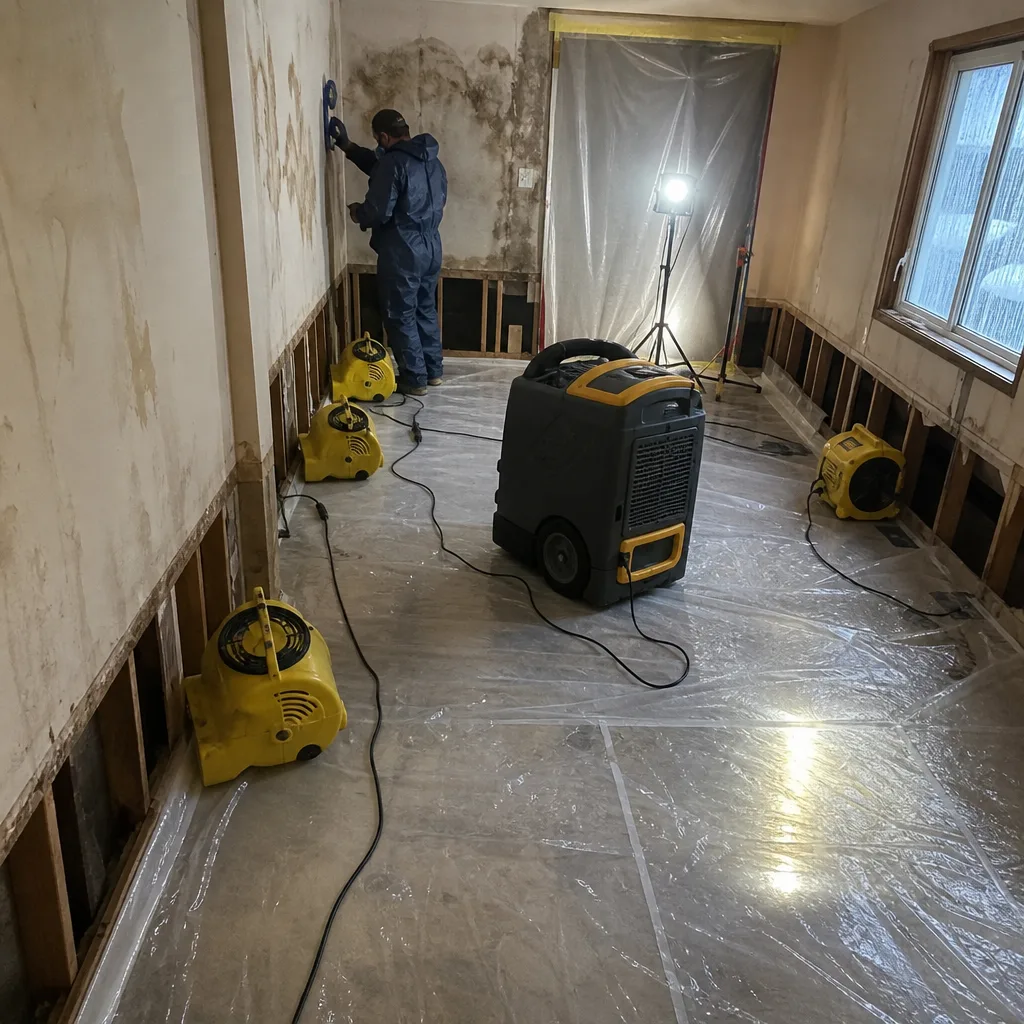
The October inspection is the most consequential 90 minutes a Renton homeowner spends on property maintenance. We regularly see homes in the Kennydale and Landing neighborhoods that sustained $8,000-$15,000 in crawl space restoration damage that a $200 gutter cleaning and vent clearance would have prevented.
Here’s what to measure and document:
- Roof conveyance capacity: Clean gutters and downspouts, then run a hose at each downspout for 3 minutes. Water should exit freely; any backup indicates a clog in the underground conductor. In Renton’s mature neighborhoods like Benson Hill, original 1960s-era clay tile conductors are often fractured by tree roots - a condition visible only with a scope, but detectable by overflow during this test.
- Crawl space vent clearance: Measure free air space at each vent. Code in Renton requires 1 square foot of net free area per 150 square feet of crawl space, but landscaping mulch, stored items, and compressed soil routinely block 30-50% of this area. Use a tape measure; photo the measurement.
- Foundation perimeter grade: Soil should slope away from the foundation at 6 inches of fall per 10 horizontal feet for at least the first 5 feet. In the Highlands, where lots are often cut-and-fill construction, we see reverse grades that pool water against stem walls. This is measurable with a 4-foot level and a ruler.
- Exterior penetration sealing: Check where hose bibs, dryer vents, and electrical conduits pass through siding. The butyl rubber sealants used in Renton’s 1980s-2000s construction have a 15-20 year service life; many are now brittle. Probe gently with a putty knife - crumbly material needs replacement before fall rains.
Document each finding with a dated photo showing the measurement tool in frame. This establishes pre-loss condition and supports insurance claims if damage occurs despite maintenance.
Expected costs for fall maintenance items in the Renton market:
- Gutter cleaning (single-story): $120-$180
- Downspout conductor scope and clearing: $200-$350
- Crawl space vent extension/clearance: $80-$150
- Grade correction (hand work, localized): $150-$400
- Exterior penetration resealing (materials only): $30-$60
Winter Pipe Freeze Risk: Highlands vs. Valley Floor
Pipe freeze risk in Renton is not uniform. The city’s 580-foot elevation range creates distinct thermal zones with different probabilities of sustained hard freeze.
Zone A: Valley Floor (20-80 feet elevation)
Areas including the Landing, South Renton, and the Boeing vicinity. Minimum winter temperatures typically bottom at 28-32°F for 2-4 hours. Pipe freeze risk is limited to unconditioned outbuildings, hose bibs without frost-free valves, and pipes in exterior walls with compromised insulation. Interior pipe freeze is rare.
Zone B: Transition Slope (80-250 feet)
Areas including downtown Renton, the north end of Benson Hill, and portions of Kennydale. Occasional 4-6 hour periods at 25-28°F. Risk extends to pipes in crawl spaces with inadequate insulation, particularly on north-facing foundation walls.
Zone C: Highlands and Bench (250-600 feet)
Fairwood, Renton Highlands, and Talbot Hill. Sustained freezes of 8-12 hours below 25°F occur 2-4 times per winter. Wind exposure increases on ridge-top lots. Pipe freeze is a genuine threat for any plumbing in unconditioned space, and burst pipe restoration in these areas typically runs $4,000-$12,000 depending on detection delay.
For Zone C properties, we recommend:
- Install a temperature alarm in the crawl space or unconditioned basement ($40-$80); set at 38°F
- Insulate all pipes in unconditioned spaces with minimum R-4 pipe insulation; in Zone C, we prefer R-6
- Seal all foundation vents with magnetic covers for the duration of freeze events; remove promptly after thaw to prevent moisture buildup
- Maintain minimum 55°F thermostat setting even when away; the fuel cost is trivial against a burst pipe deductible
Critical safety note: thawing a frozen pipe with an open flame or unattended space heater causes more house fires in Renton than frozen pipes cause burst damage. If you suspect a frozen pipe, shut the main valve and call a licensed plumber. Water damage restoration in Renton addresses the aftermath; prevention is the better investment.
Spring Drainage Recovery: When the Ground Unloads
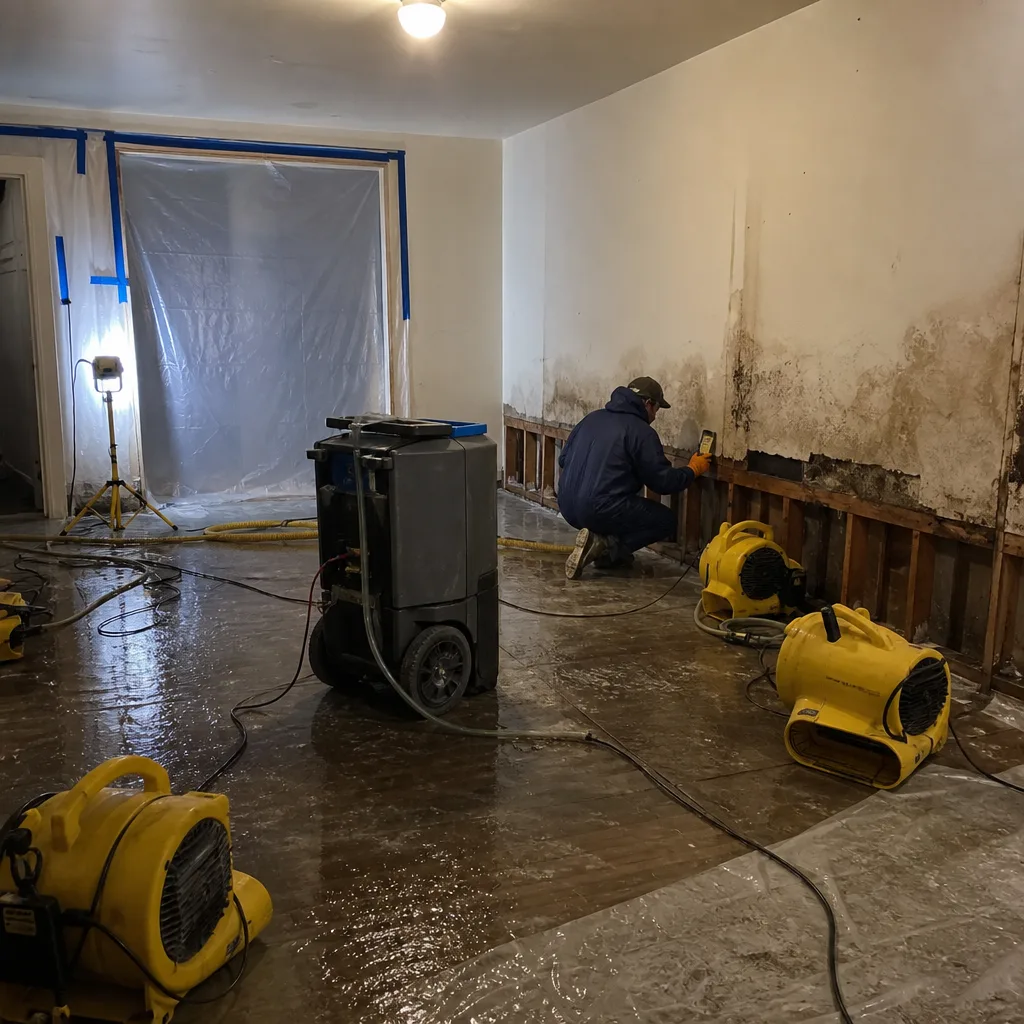
March and April in Renton present a specific hydrologic condition: the soil profile is fully saturated from winter rainfall, and additional precipitation or snowmelt has nowhere to go. This is when perimeter drain systems, dry wells, and municipal storm connections reveal their maintenance status.
The inspection focus shifts from entry points to exit paths:
- Test sump pump operation: Pour 5 gallons of water into the sump basin. The pump should activate before water reaches the inlet pipe. In Renton’s older homes, particularly in the Valley View and Sunset areas, we see pedestal pumps with failed float switches that activate only when water has already backed up onto the basement slab. Note the pump’s age; 7 years is typical service life for continuous-duty units.
- Verify discharge termination: The discharge pipe must terminate at least 10 feet from the foundation and slope continuously away. In spring, we commonly find discharge pipes that were displaced by frost heave and now terminate against the foundation wall - pumping the same water in a loop.
- Inspect perimeter drain cleanouts: If your home has a perimeter drain system with cleanout ports (common in 1970s-1990s Renton construction), spring is the time to check for flow. Remove the cap carefully; standing water in the cleanout indicates a downstream obstruction. This is not a DIY clearing job - the pipes are often fragile ABS or Orangeburg that collapses under mechanical cleaning.
- Document basement moisture readings: Using a pinless moisture meter, record readings at the base of each wall, at the slab perimeter, and at any historic crack locations. Baseline readings in March should be 12-16% on concrete, 10-14% on wood framing. Elevated readings now predict summer mold risk.
Spring is also when we receive the highest volume of mold remediation in Renton calls. The combination of saturated structure and warming temperatures creates ideal fungal growth conditions in 72-96 hours. If your March inspection reveals moisture readings above 20% on any organic material, that is not a wait-and-see situation.
Summer Dry-Shrinkage: The Hidden Fall Entry Points
Renton’s summer drought - typically 70-85 consecutive days with less than 0.25 inches of rainfall - causes predictable dimensional changes in wood structure that create water entry points invisible until fall rains begin.
Wood moisture content drops from 14-16% in spring to 8-10% by late August. At 10% moisture content, a 2×10 sill plate shrinks approximately 1/16 inch across its width. A 4-foot window header shrinks nearly 1/8 inch. These dimensions seem small until you consider that a 1/16-inch gap at a sill plate, running the perimeter of a 1,500-square-foot home, equals roughly 15 linear feet of unsealed opening.
The August inspection targets these shrinkage gaps:
- Sill plate to foundation: With the foundation wall as reference, measure any gap between concrete and the mudsill. Gaps exceeding 1/8 inch should be sealed with backer rod and polyurethane sealant rated for joint movement (±25% minimum). In Renton, we prefer Sikaflex 1a or equivalent for this application.
- Window and door rough openings: Check the interface between framing and window frame. Gaps here are often covered by trim, so probe gently with a putty knife. Caulk failure is common at south- and west-facing exposures where thermal cycling is most severe.
- Deck ledger to house connection: This is a critical inspection point. The IRC requires flashing at this connection, but in Renton’s 1980s-2000s construction, we estimate 40% of homes lack proper ledger flashing. Summer shrinkage pulls the ledger away from the house, creating a direct water path into the rim joist. This connection should be tight; any visible gap or corroded fastener is a priority repair.
- Chimney-to-roof intersection: The metal flashing at this joint accommodates differential movement between masonry and framing. Summer shrinkage in the roof structure can displace step flashing. Look for lifted corners, separated solder joints, or missing sealant at the counter-flashing.
Sealant work in August has a narrow window: temperatures must be between 50°F and 85°F for proper cure, and the substrate must be dry. In Renton, this typically means the first two weeks of August. Miss this window and you’re sealing in October, when substrates are damp and cure is uncertain.
Cost ranges for August sealing work in the Renton market:
- Sill plate perimeter sealing (typical home): $200-$400
- Window/door opening re-caulk (per unit): $35-$75
- Deck ledger flashing repair: $400-$900
- Chimney flashing repair: $350-$700
Building Your Seasonal Photo Archive
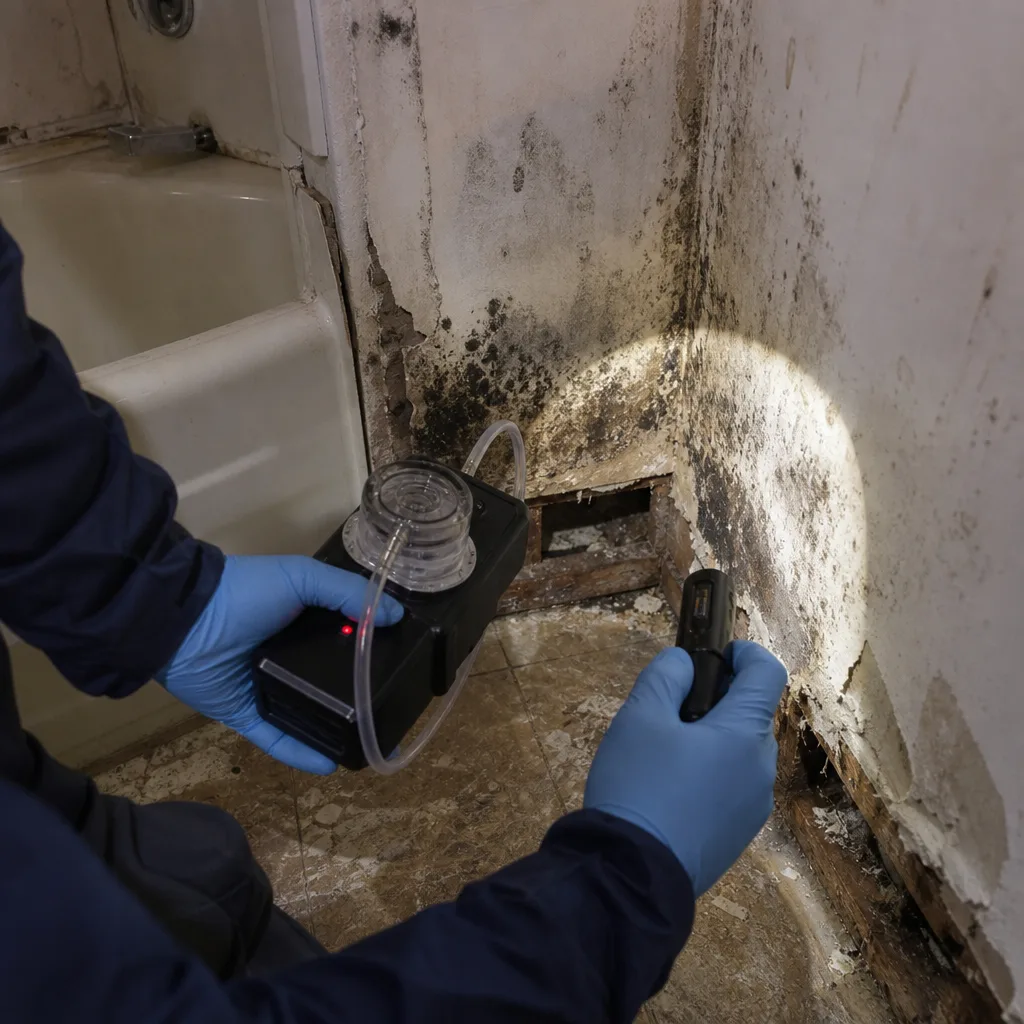
Insurance adjusters evaluate claims against documented pre-loss condition. A homeowner who can produce dated photos showing proper maintenance, clear vents, and intact seals receives different treatment than one with only verbal assertions.
We recommend a quadrant system that mirrors how adjusters photograph losses:
- Establish quadrants: Divide the home exterior into four zones - northeast, southeast, southwest, northwest - corresponding to compass orientation. This creates consistent reference frames for year-over-year comparison.
- Standardize the shot list per quadrant (minimum 6 photos):
- Wide establishing shot showing full wall plane and grade
- Foundation-to-siding transition, with ruler or tape measure visible
- Window/door penetration, showing trim and sealant condition
- Roof edge and gutter/downspout termination
- Any mechanical penetration (hose bib, vent, conduit)
- Crawl space or basement access point in that quadrant
- Include measurement tools in frame: A tape measure, moisture meter, or even a coin for scale provides objective reference. Adjusters are trained to distrust photos without scale.
- Use consistent file naming: Format as YYYY-MM-DD_Quadrant_Description.jpg (example: 2024-08-15_SW_SillPlateGap.jpg). This permits rapid retrieval when a claim is filed.
- Store in two locations: Local device plus cloud storage. We have seen homeowners lose their documentation in the same event that caused the damage.
For crawl space and basement interiors, add seasonal moisture readings recorded on a simple spreadsheet: date, location, meter type, reading, and any visible conditions. This is the documentation that transforms a disputed claim into a paid claim.
Our DryMark Restoration Renton home page includes additional guidance on documentation standards that align with IICRC and RIA protocols.
Seasonal Maintenance as Warranty Documentation
Most restoration warranties, including our 365-Day Done Right Promise under The Haven Standard, contain homeowner maintenance obligations that must be documented to preserve coverage. The warranty is not a blanket promise; it’s a conditional agreement with specific duties.
Haven Standard, Clause 4 (Homeowner Maintenance Obligations) requires:
- Seasonal gutter cleaning and downspout verification, with dated photo or invoice
- Crawl space vent maintenance to preserve airflow specifications
- Prompt reporting of any moisture recurrence within 72 hours of discovery
- Maintenance of grade and drainage improvements installed during restoration
Failure to document these obligations does not automatically void warranty coverage, but it shifts the burden of proof. A homeowner with invoices and photos demonstrating compliance has a straightforward claim. One without documentation faces questions about whether the recurrence is a warranty defect or a maintenance failure.
We have processed warranty callbacks where the homeowner’s photo archive - showing clean gutters two weeks before a storm, proper vent clearance, and intact seals - resolved the coverage question in a single phone call. We have also seen claims delayed weeks while maintenance history was reconstructed from memory and credit card records.
The practical standard: keep one folder per calendar year, with subfolders for each seasonal inspection. Include photos, receipts, and a brief log of what was checked and what was found. This is a 30-minute annual investment that protects warranty rights worth thousands of dollars.
Common Mistakes to Avoid
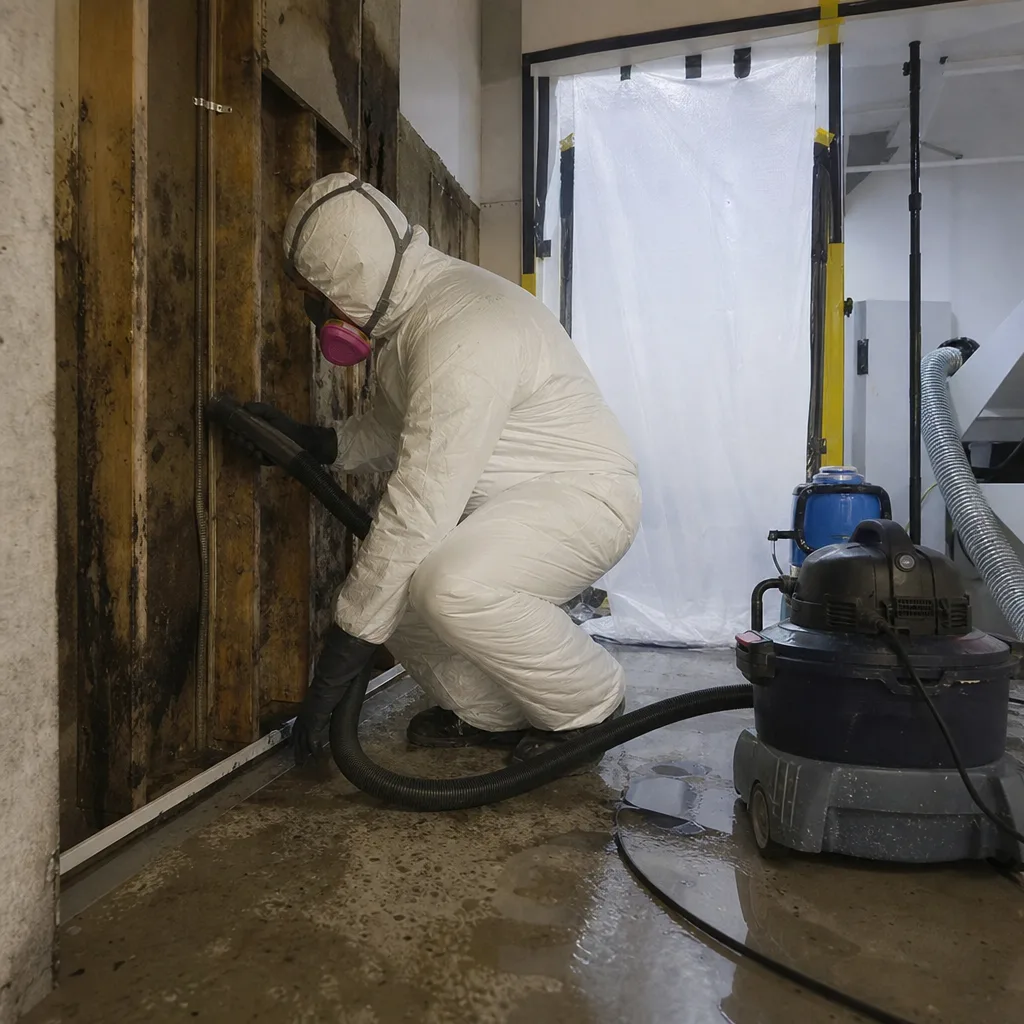
- Inspecting only after damage occurs. The October inspection prevents February claims; the August inspection prevents October leaks. Reactive inspection is always more expensive than preventive.
- Treating elevation as irrelevant. A homeowner in Fairwood applying valley-floor maintenance standards will have frozen pipes. A valley-floor homeowner applying Highlands standards will waste money on unnecessary freeze protection. Know your zone.
- Using “call for quote” contractors for maintenance. Contractors who won’t put a price in writing before work begins - violating Haven Standard, Clause 1 - often discover “additional necessary work” once inside. Get a written scope and price for maintenance just as you would for restoration.
- Sealing summer gaps in wet fall conditions. Polyurethane sealant applied to damp concrete in October will fail by December. The August window exists for material-science reasons; respect it.
- Neglecting the photo archive after no damage occurs. The value of documentation is proven only when it’s needed. A five-year archive of “nothing found” is powerful evidence of proper maintenance when a sudden loss occurs.
- Assuming new construction is exempt. Renton’s 2015-2023 construction boom produced homes with rapid-growth lumber, minimal drying time, and trades rushing to close. We see more shrinkage-gap issues in 5-year-old homes than in 30-year-old homes with stable framing.
- Ignoring municipal drainage changes. Renton’s ongoing development alters surface water patterns. A home that never flooded may experience new runoff from upstream impervious surface. Check the city’s stormwater improvement maps annually.
When to Call a Professional
Some conditions exceed homeowner maintenance and require documented professional assessment. Call for evaluation if you find: moisture meter readings above 20% on any wood or drywall; visible mold growth exceeding 10 square feet; water entering the basement or crawl space during rainfall; ice formation on interior pipes or exterior walls; or any structural movement, cracking, or settlement that appears new.
For water damage, fire and smoke damage restoration in Renton, or any emergency requiring immediate response, DryMark Restoration Renton offers free estimates in Renton. Our live dispatch answers every call, 24 hours a day, 7 days a week, with no voicemail on emergency lines. Every job is quoted in writing before work begins, documented with a photo record on every visit, and covered by the 365-Day Done Right Promise. We also provide a Free Second Opinion on any competitor’s written estimate. Call (360) 469-6341.
Frequently Asked Questions
Complete seasonal maintenance for a typical Renton home runs $350-$800 annually, distributed across four inspection windows. This includes gutter cleaning, sealant materials, a basic moisture meter, and occasional contractor assistance for grade or flashing work. Restoration costs for water damage that preventive maintenance would have avoided typically start at $3,000 and exceed $15,000 for crawl space or basement flooding with mold involvement; see our Damage Restoration Cost Breakdown for 2026 for detailed pricing. Call (360) 469-6341 for a free estimate on any maintenance concern - estimates are free.
Homeowners insurance generally covers sudden and accidental water damage, but may deny or reduce claims where maintenance failures contributed to the loss. A documented maintenance history - dated photos, invoices, moisture logs - demonstrates that the loss was not foreseeable or preventable, supporting full coverage. Without documentation, the adjuster must rely on physical evidence alone, which often suggests gradual deterioration rather than sudden failure. We recommend treating maintenance documentation as an insurance protection strategy, not just a chore.
For active water intrusion, DryMark Restoration Renton maintains live phone coverage 24 hours a day, 7 days a week, with emergency dispatch. Response time depends on current event volume, but our standard is initial contact within 15 minutes of call and on-site assessment within 2-4 hours for active losses in Renton city limits. Reconstruction and non-emergency work is scheduled, not dispatched, with a written scope and price agreed before any work begins - Haven Standard, Clause 1.
Remediation is required when mold growth exceeds 10 square feet, involves HVAC systems, or follows Category 2 or 3 water damage (gray or black water). Cleaning is appropriate for limited surface growth on non-porous materials with a confirmed dry source. The determination should be made by inspection with moisture verification, not visual guesswork. We provide documented moisture readings and photo records with every assessment so you can make an informed decision with your adjuster.
DryMark Restoration Renton coordinates directly with adjusters as part of our standard service. We provide the documented photo record, daily drying logs, written scope, and moisture readings that adjusters need to approve claims. Our documentation is formatted to IICRC, RIA, and IFA standards, using equipment from Dri-Eaz, Phoenix, and XPOWER that produces verifiable psychrometric data. This direct coordination reduces claim cycle time and dispute frequency.
The Haven Standard is DryMark Restoration Renton’s operating protocol, established in 2011 by former claims adjuster Alicia Brennan. It consists of six clauses covering written pricing, background-checked technicians, documented photo records, equipment standards, warranty terms, and homeowner maintenance obligations. The 365-Day Done Right Promise - if it’s not done right, we make it right - is a written guarantee under The Haven Standard, not a marketing statement. Every customer receives a copy with their initial scope.
The Bottom Line
Renton’s damage calendar is predictable because its climate is predictable. The homeowners who spend least on restoration are not luckier; they inspect in October before soil saturates, in August before shrinkage gaps open, and in spring before drainage fails. They document with dated photos and moisture readings. They understand that elevation determines freeze risk, that sealant has a temperature window, and that a written price before work begins is not a sales tactic but a protection against scope creep. Seasonal maintenance is maintenance, but done with documentation discipline, it becomes insurance strategy and warranty preservation. For year-round guidance, explore our Water Damage Restoration Maintenance Checklist for Renton Homeowners.
Written by Alicia Brennan, Owner at DryMark Restoration Renton, serving Renton since 2011. Browse more guides & resources on protecting your home.