
Last updated September 23, 2026
Free visual inspection and a written scope of work before any mitigation begins - photos, moisture readings, and drying logs go in your claim file
The scope we write is the scope we bill. Anything new gets shown to you, in writing, before we touch it.


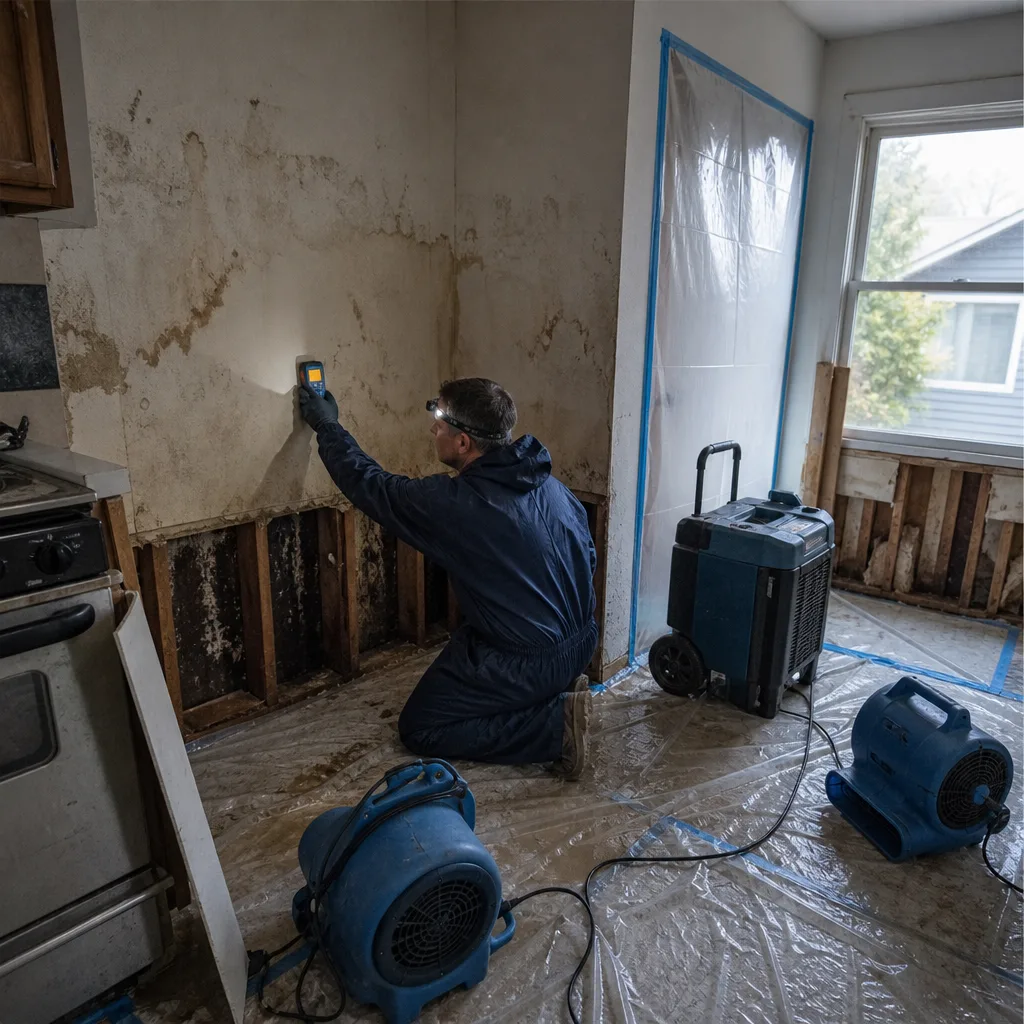 Before
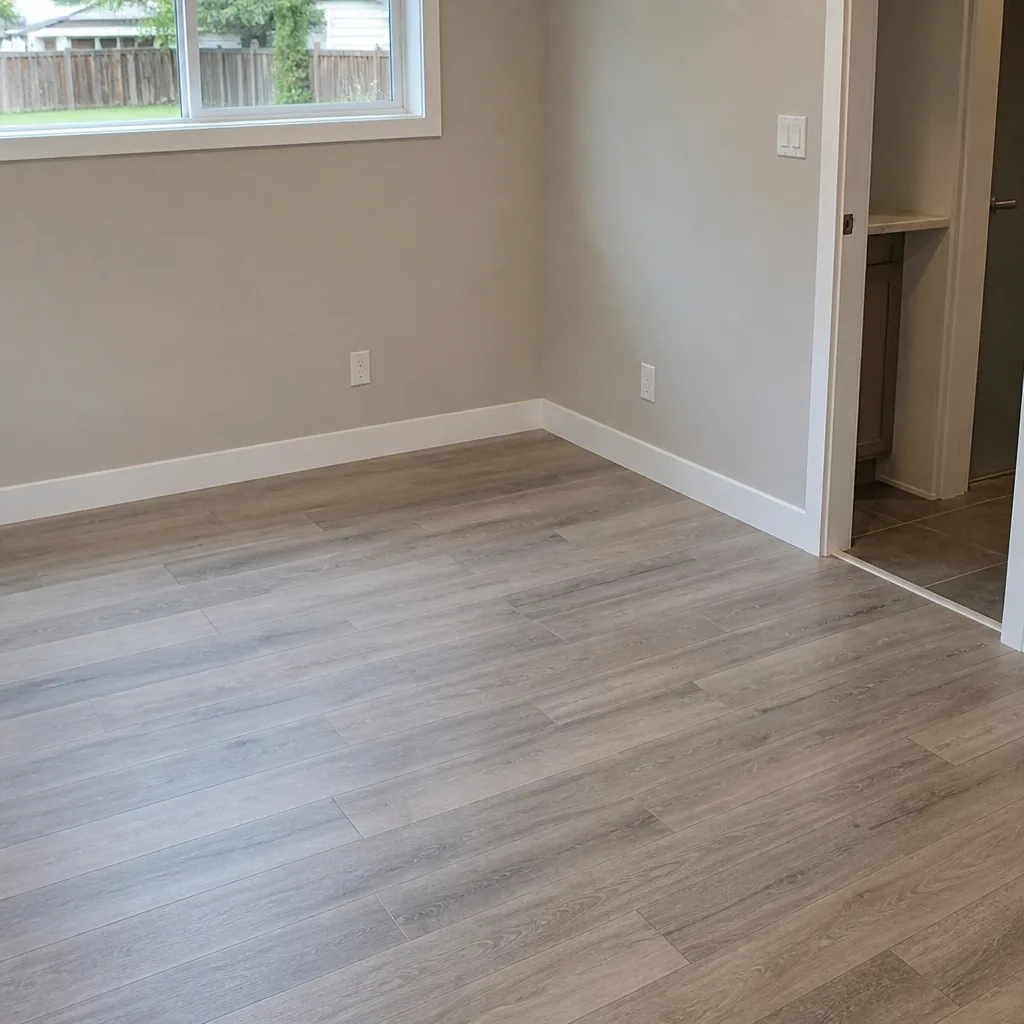 After
After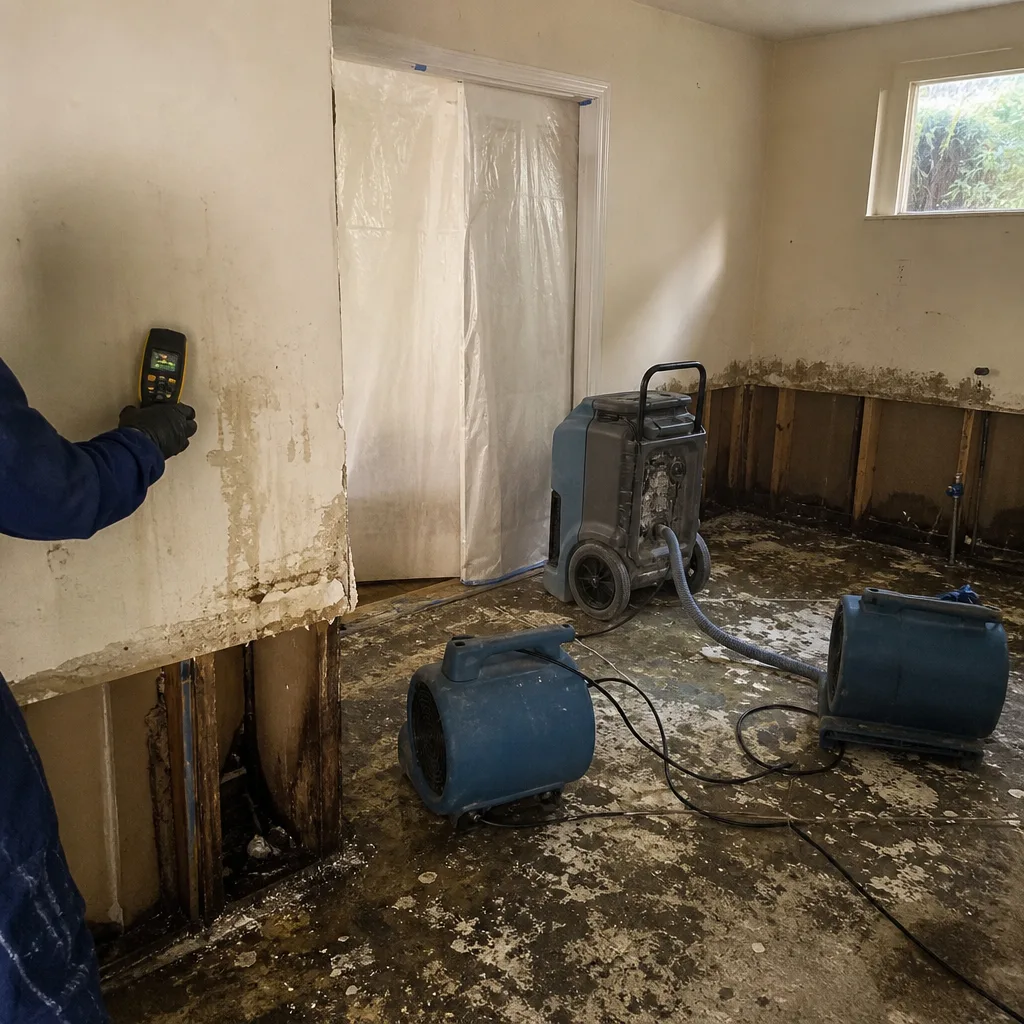 Before
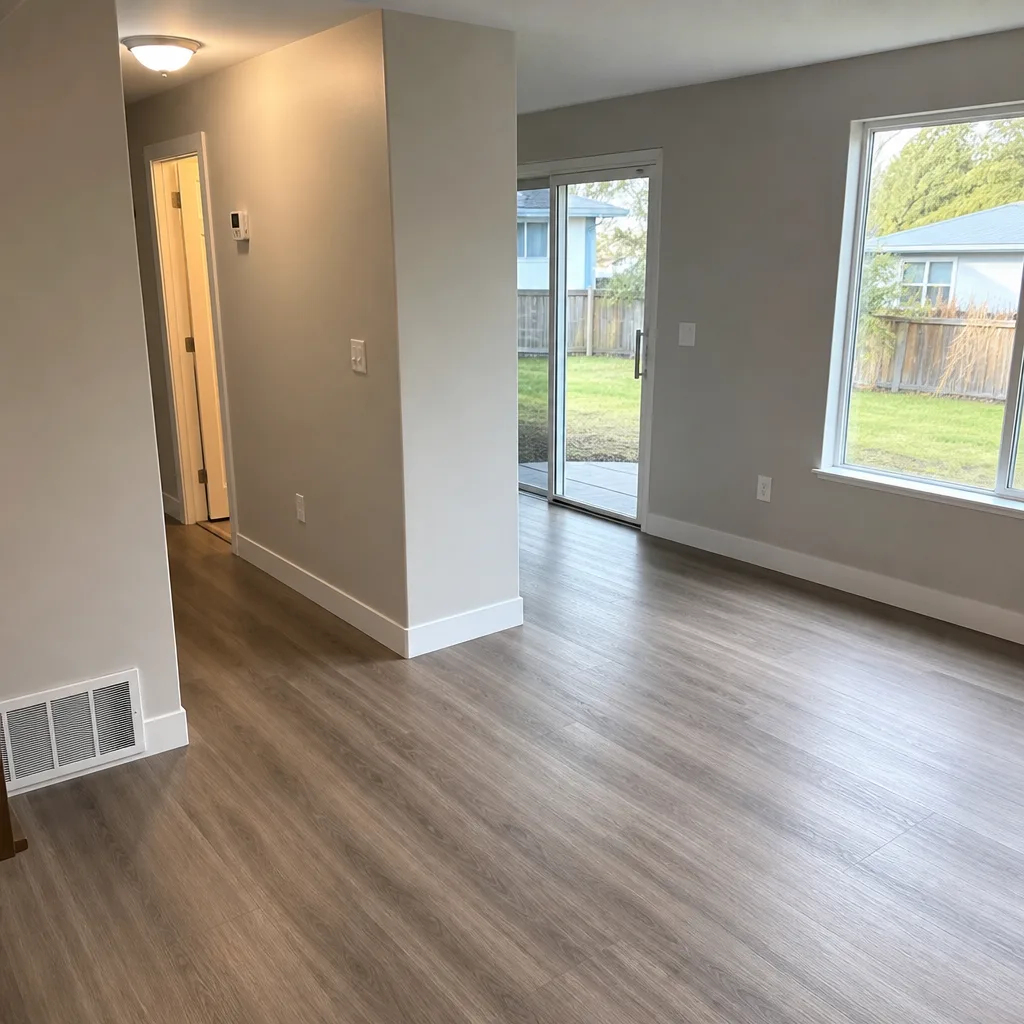 After
After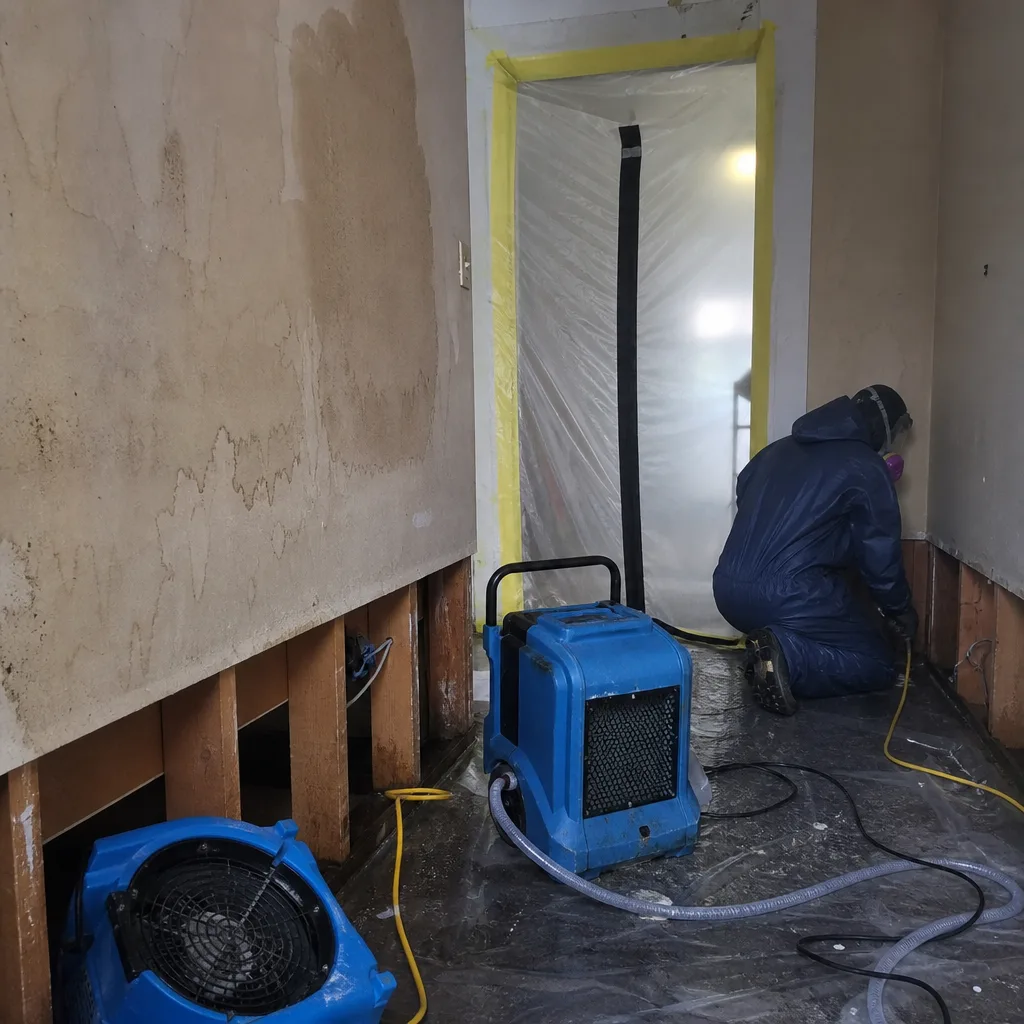 Before
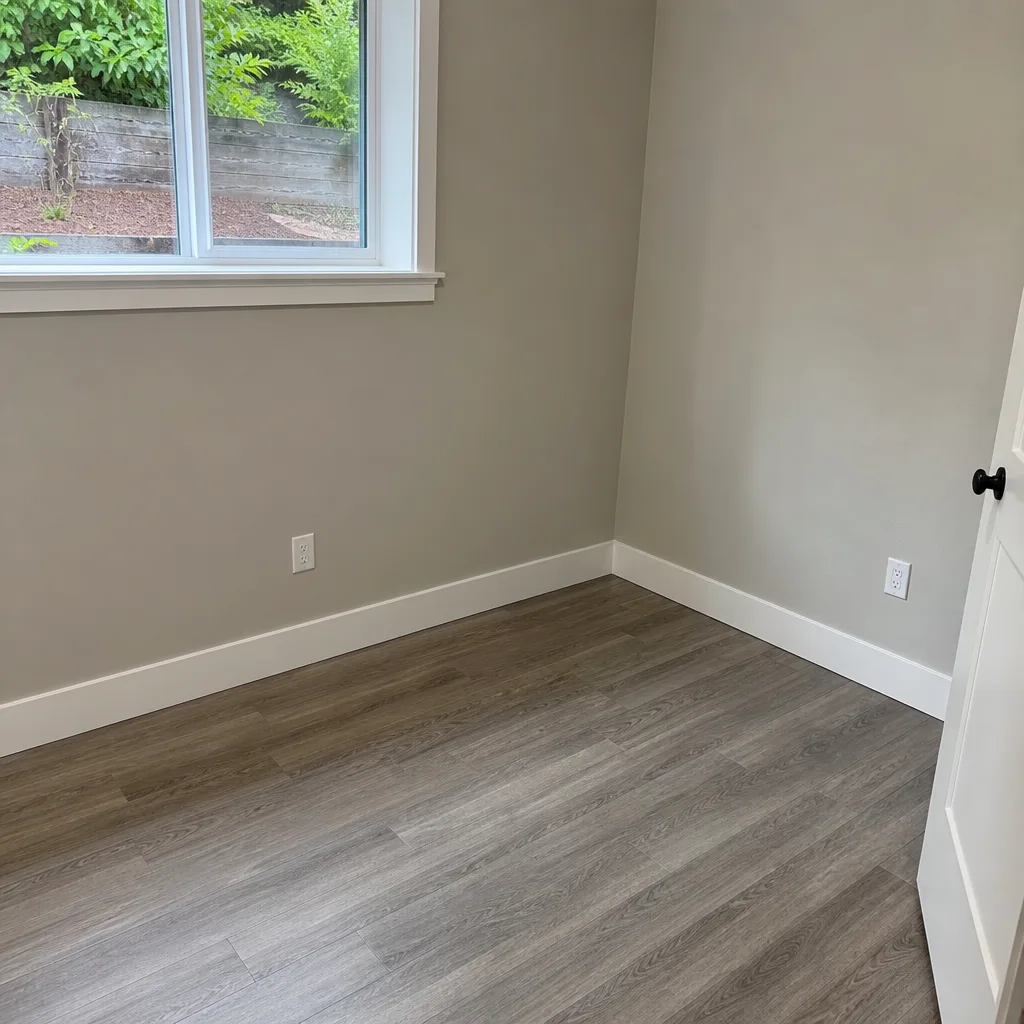 After
AfterWater Damage Restoration Maintenance Checklist for Renton Homeowners
The crawl space under a Renton rambler can read 70% relative humidity and feel bone dry to the touch. By the time visible mold appears on the subfloor above it, the remediation cost has already crossed five figures. Most maintenance checklists stop at “check gutters” and “look for stains,” which is why most homeowners discover water damage only after it’s become a Water Damage Restoration job. This guide gives you the measurable benchmarks - specific moisture percentages, material thresholds, and documentation methods - that let you catch intrusion while it’s still a maintenance issue. You’ll learn the exact readings that separate normal from problematic, the seasonal windows when checks in Renton pay the highest return, and how to build a photo record that protects your insurance claim if damage ever does occur.
Quick Answer
A proper water damage maintenance checklist for Renton homeowners includes monthly visual inspections of high-risk zones, quarterly moisture meter readings with documented baselines for wood framing (below 16%), drywall (below 1% moisture content by weight), and concrete subfloors (below 4% moisture content by weight), plus pre- and mid-rain-season comprehensive checks in October and February. Documentation - dated photos, written readings, and maintenance logs - is not optional; it’s what transforms a disputed insurance claim into a paid one.
Table of Contents
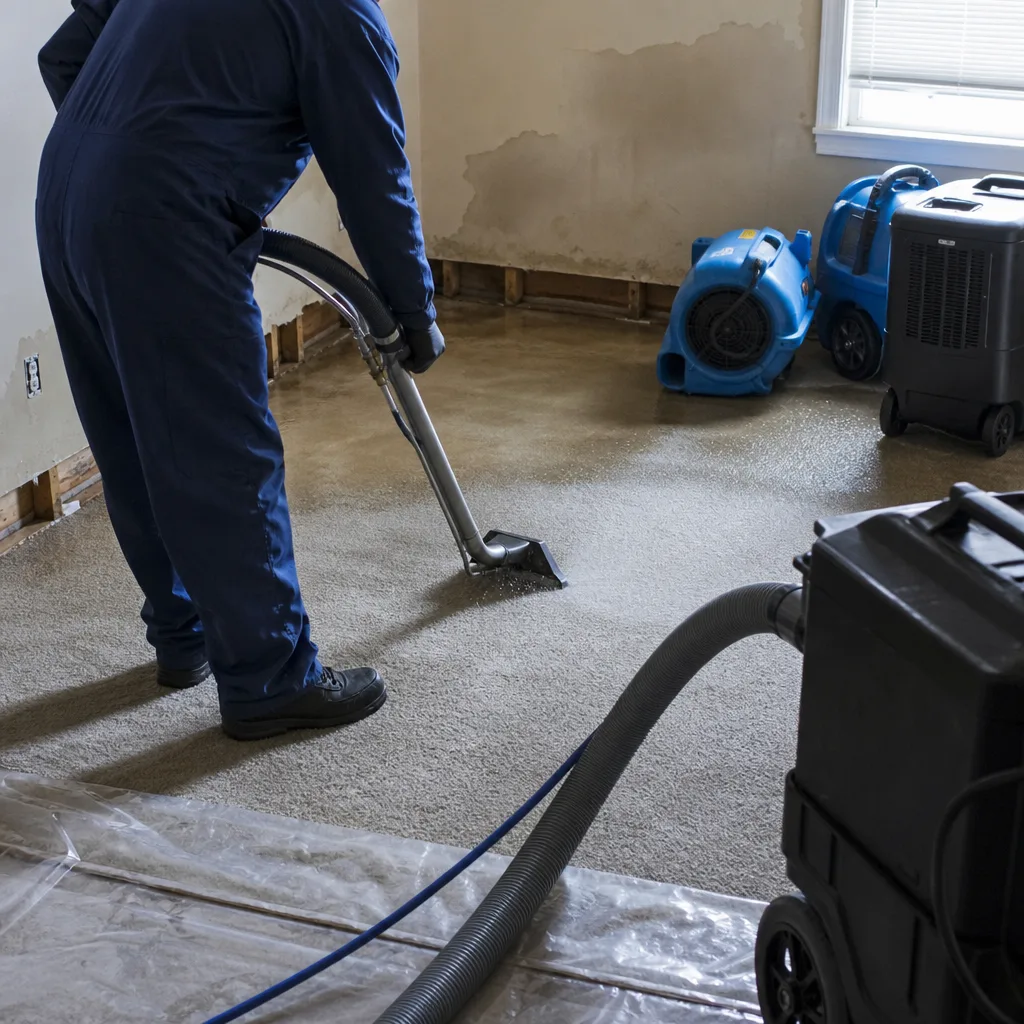
- Why Baseline Moisture Readings Matter More Than Visual Checks
- Room-by-Room Inspection Sequence for Renton Homes
- Moisture Thresholds by Material Type: When to Act
- Seasonal Timing Windows in Renton: October and February Checks
- Documenting Baseline Conditions for Insurance Protection
- Maintenance Items That Void Restoration Warranties
- Tools and Monitoring Systems Worth Owning
- Common Mistakes to Avoid
- When to Call a Professional
- Frequently Asked Questions
- The Bottom Line
BeforeAfterWhy Baseline Moisture Readings Matter More Than Visual Checks
We’ve restored over 12,000 homes since 2011, and the pattern never changes: the homeowner who calls us has almost always seen a stain, smelled something musty, or found soft drywall. By then, the water has been present long enough to alter the material’s structure. Visual inspection is a lagging indicator. Moisture readings are a leading one.
A baseline reading is simply a documented measurement of normal, dry conditions in your home. Without it, you have no reference point when a meter shows something elevated. In our work across Renton and the broader metro area, we regularly encounter homeowners who bought a moisture meter, took one reading during a leak, and had no idea whether the number was alarming because they’d never measured the same spot dry.
Here’s what a proper baseline protocol looks like:
- Choose 10-15 permanent test points - spots you’ll return to every time. Mark them with small pencil marks on baseboards or masking tape on concrete. Good locations: the bottom plate of a north-facing exterior wall, the subfloor above your crawl space access, the garage-to-living transition slab, and the drywall behind your washing machine.
- Record the reading, the date, the weather, and the season. A reading of 14% on wood framing means something different in August (possibly normal) than in February (almost certainly elevated).
- Use the same meter, same settings, same depth. Pin-type and pinless meters read differently. Switching between them introduces noise into your data.
- Store readings with photos. A spreadsheet is fine; a cloud photo album with notes in the caption is often easier to maintain.
The documentation habit serves two purposes. First, it catches gradual elevation before damage appears. Second, if you ever file an insurance claim, your baseline record demonstrates pre-loss condition. Adjusters see disputed claims every day where the homeowner claims “it was fine before the storm” and the insurer’s desk reviewer questions whether the damage was actually pre-existing. A dated photo with a moisture reading and a weather note ends that dispute before it starts. This is the documentation gap that costs homeowners their claims, and it’s why we built DryMark Restoration Renton home around written records from day one.
Room-by-Room Inspection Sequence for Renton Homes
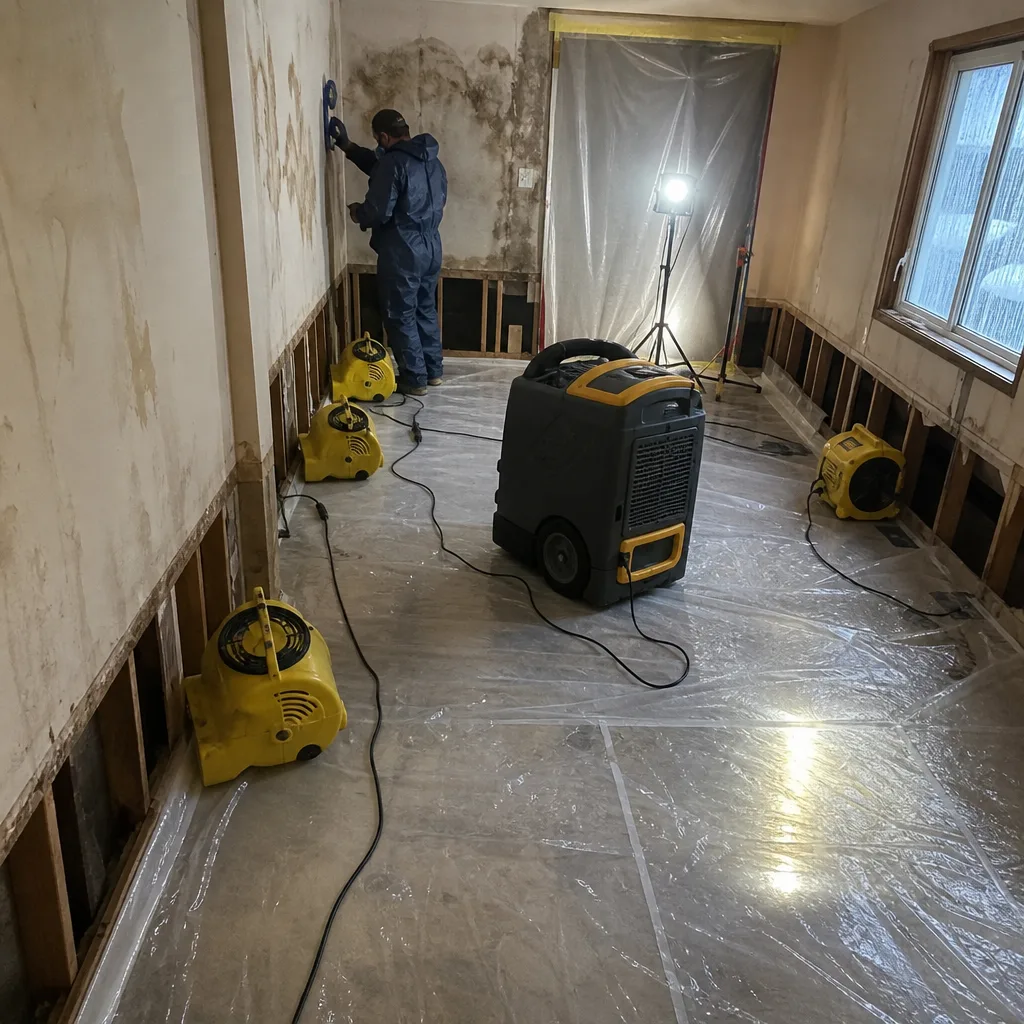
Renton presents a specific set of failure patterns. The Cedar River floodplain affects foundation drainage in neighborhoods from Kennydale to the Landing. Post-war ramblers on the East Hill often have unconditioned crawl spaces that behave like outdoor environments. Newer construction near The Landing has tighter envelopes but more complex HVAC and plumbing routing. Your inspection sequence should match these realities.
Crawl Space or Basement
Start here. In Renton, this is where we find the majority of preventable damage. Check the vapor barrier for displacement or ponding. Look for efflorescence on block walls - that white, powdery residue is mineral deposits left by evaporating water, and it means water has entered the wall system. Measure wood moisture at the sill plate, rim joist, and any posts or beams. Take a reading at the subfloor directly above, accessible through any floor register or plumbing access.
In the Cedar River-adjacent areas, we regularly see spring failures in older foundations where the exterior drainage has silted in. The homeowner smells nothing, sees nothing, but the sill plate reads 22% and fungal growth is established on the sheathing above. A $12 moisture meter reading in October would have caught it before the February rains finished the job.
Garage-to-Living Transition
This is Renton’s most under-inspected zone. The slab in your garage is typically at grade or below, with a different drainage profile than your main foundation. The common wall between garage and living space often lacks the full weather barrier detail of exterior walls. Check the drywall or sheathing on the living side of that wall, especially near the floor. Measure concrete moisture at the garage slab center and at the perimeter where it meets the foundation wall. If your garage has a water heater, washing machine, or utility sink, those appliances get quarterly checks, not annual.
Kitchen and Laundry
Refrigerator icemaker lines fail with surprising regularity, and the damage often runs horizontally under cabinets before any visible sign appears. Check the cabinet base under the sink with a pinless meter. In the laundry room, the washing machine supply valves and the drain standpipe are obvious points, but also check the wall behind - the box where hoses connect is a common leak point that drips into the wall cavity.
Bathrooms
Grout and caulk are maintenance items, not permanent installations. In Renton’s hard water environment, mineral deposits can mask deteriorated grout. Check around the tub and shower with a pinless meter set to tile mode; elevated readings in the wall behind indicate failed waterproofing. The toilet flange is another common source; a wobbly toilet almost always means the subfloor is compromised.
Attic
Ventilation and insulation interact here in ways that create condensation. In Renton’s marine climate, we see more attic moisture issues from warm, humid interior air leaking upward than from roof leaks. Check for stained sheathing, compressed or displaced insulation, and proper soffit vent clearance. Measure sheathing moisture at the north slope and near any penetration.
Moisture Thresholds by Material Type: When to Act
This is where most checklists fail: they tell you to “check for moisture” without defining what constitutes a problem. These thresholds are based on IICRC S500 standards for water damage restoration and our field data from Renton-area jobs.
| Material | Normal Baseline | Elevated - Investigate | Critical - Active Damage Likely |
|---|---|---|---|
| Wood framing (studs, sill plates, subfloor) | 9-14% | 15-19% | 20%+ |
| Drywall (gypsum wallboard) | 0.5-1.0% MC by weight | 1.1-2.0% | 2.1%+ |
| Concrete slab | 2-4% MC by weight | 5-7% | 8%+ |
| Engineered wood flooring | 6-10% | 11-14% | 15%+ |
| OSB or plywood sheathing | 10-15% | 16-20% | 21%+ |
These numbers require context. A 17% reading on a sill plate in July, after two weeks without rain, is more concerning than the same reading in January during a storm cycle. The trend matters as much as the absolute value. We recommend plotting your readings; a steady climb from 11% to 16% over three quarters is your early warning, even if 16% alone doesn’t cross the critical threshold.
The “elevated” column is your action window. This is when you find the source, improve drainage or ventilation, and re-check in two weeks. The “critical” column is when material degradation is likely underway - wood rot fungi activate around 20% sustained moisture, and mold colonization on drywall becomes probable above 2% MC with available organic material.
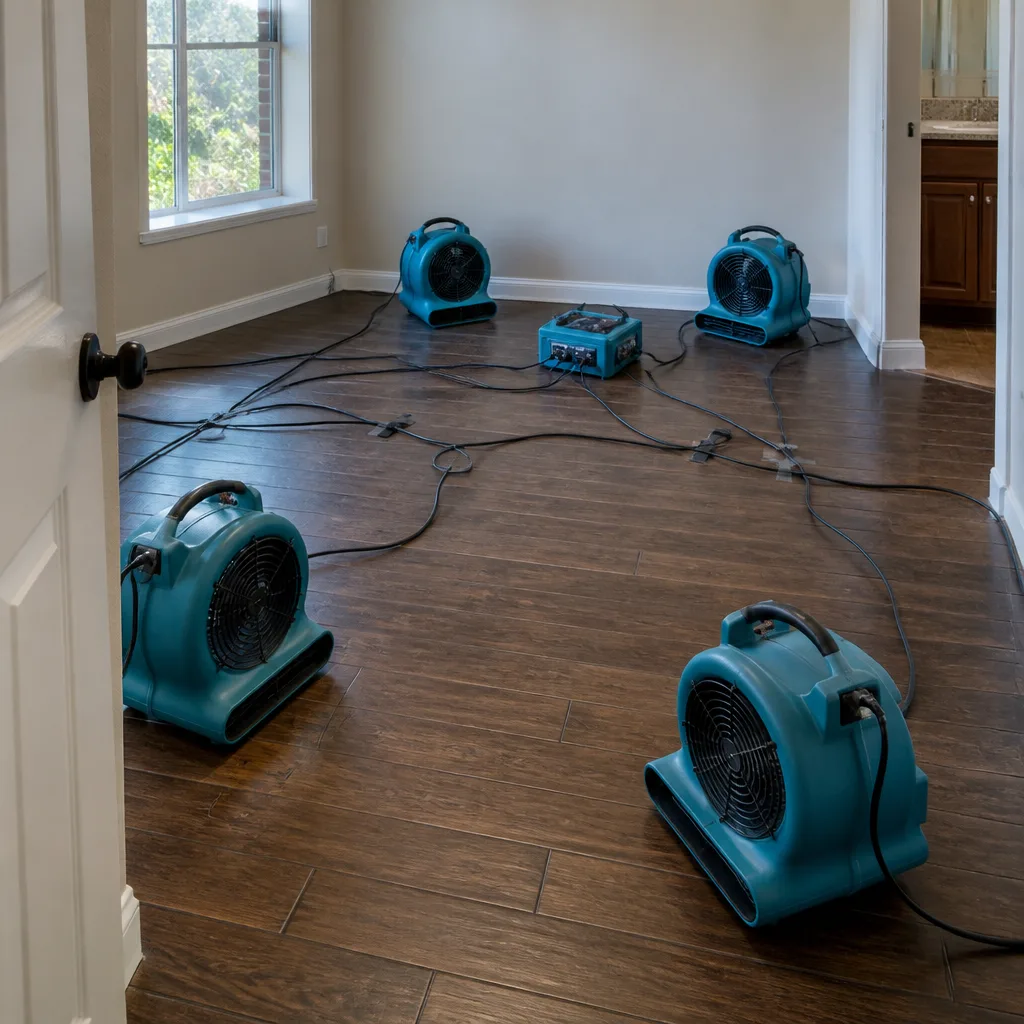
For homeowners who want professional-grade monitoring, we document drying jobs using equipment from Dri-Eaz, Phoenix, and XPOWER, with daily psychrometric logs tracking temperature, relative humidity, and vapor pressure differential. That level of documentation isn’t necessary for routine maintenance, but the principle - measured data, not guesswork - applies at every scale.
Seasonal Timing Windows in Renton: October and February Checks
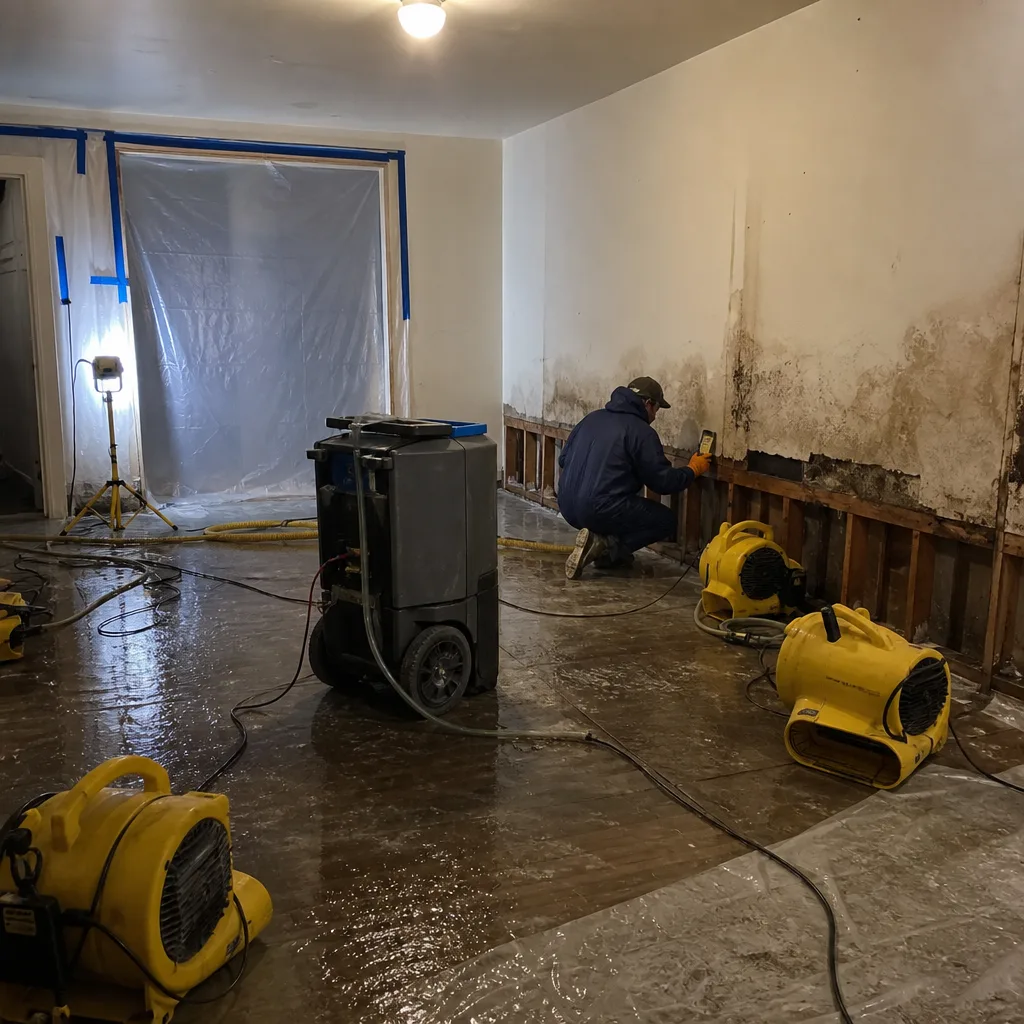
Renton’s rainfall pattern creates two high-value inspection windows. Missing them means discovering damage in April, when the rain has already done its work and contractors are scheduling six weeks out.
October: Pre-Rain-Season Preparation
The first sustained rains typically arrive in mid-October. Your October check is about confirming that your home’s defenses are intact before they’re tested. This is when you:
- Clean gutters and downspouts, then verify discharge points are clear and water runs at least six feet from foundation
- Inspect roof penetrations, flashing, and valleys - summer heat cycling can crack sealants
- Test sump pump operation by pouring five gallons into the pit; verify the float triggers and discharge flows freely
- Take fresh baseline readings at all documented points; compare to your April readings to catch summer-to-fall drift
- Check exterior grade for settlement or erosion that has reversed slope toward foundation
In the Kennydale and Newcastle-adjacent hillsides, we see October checks reveal compromised perimeter drains that functioned adequately through summer but will fail under sustained winter loading. The October window gives you time to schedule correction before the ground saturates.
February: Mid-Rain-Season Stress Test
By February, the ground is at maximum moisture capacity. Your drainage systems are working hardest. Any flaw has been exposed. This check is about finding what’s already failing:
- Re-measure all baseline points; any elevation from October indicates active intrusion
- Inspect crawl space or basement with particular attention to corners and the wall-to-footing joint
- Check interior finishes for delayed symptoms: baseboard staining, floor cupping, door binding from frame swelling
- Verify that your humidity control is keeping interior RH below 60% - above this, mold growth risk rises sharply even without liquid water
The February check often reveals the gap between “my house has always been fine” and “my house was fine until the ground stopped absorbing water.” We’ve responded to dozens of Renton calls in late February where the homeowner reports “sudden” damage that began in November and progressed unseen. The October check would have caught it; the February check confirms whether your prevention worked.
Documenting Baseline Conditions for Insurance Protection
Insurance claims fail on documentation more often than on coverage disputes. The adjuster’s question is simple: prove this damage was caused by the claimed event, and prove it didn’t exist before. Most homeowners have no answer. This section gives you one.
Your documentation system needs four elements:
- Photographic record. Wide shots establishing location, close shots showing condition, and detail shots of any reading or measurement. Include a date reference - newspaper, phone screenshot, or printed label. Store in cloud with automatic backup.
- Written moisture log. Date, location, material, reading, meter type, ambient conditions. A simple table in a shared document suffices.
- Maintenance receipts and notes. Gutter cleaning, caulk replacement, sump pump service - anything that demonstrates proactive care. Warranty claims often require proof of maintenance; insurance claims benefit from the same standard.
- Pre-event inventory. Photos of finished spaces, contents, and mechanical systems before any loss. Update annually.
The photo record is particularly critical. In our Water Damage Restoration in Renton work, we produce a documented photo record on every visit as a standard deliverable, never an upsell. Homeowners who have their own pre-loss documentation see faster claim resolution and fewer disputes over scope. The adjuster can compare your October basement photo - dry, clean, reading 12% on the sill plate - with the post-event condition, and the scope writes itself.
Store this documentation off-site or in cloud storage. A fire or flood that damages your home can destroy paper records kept in the same building.
Maintenance Items That Void Restoration Warranties
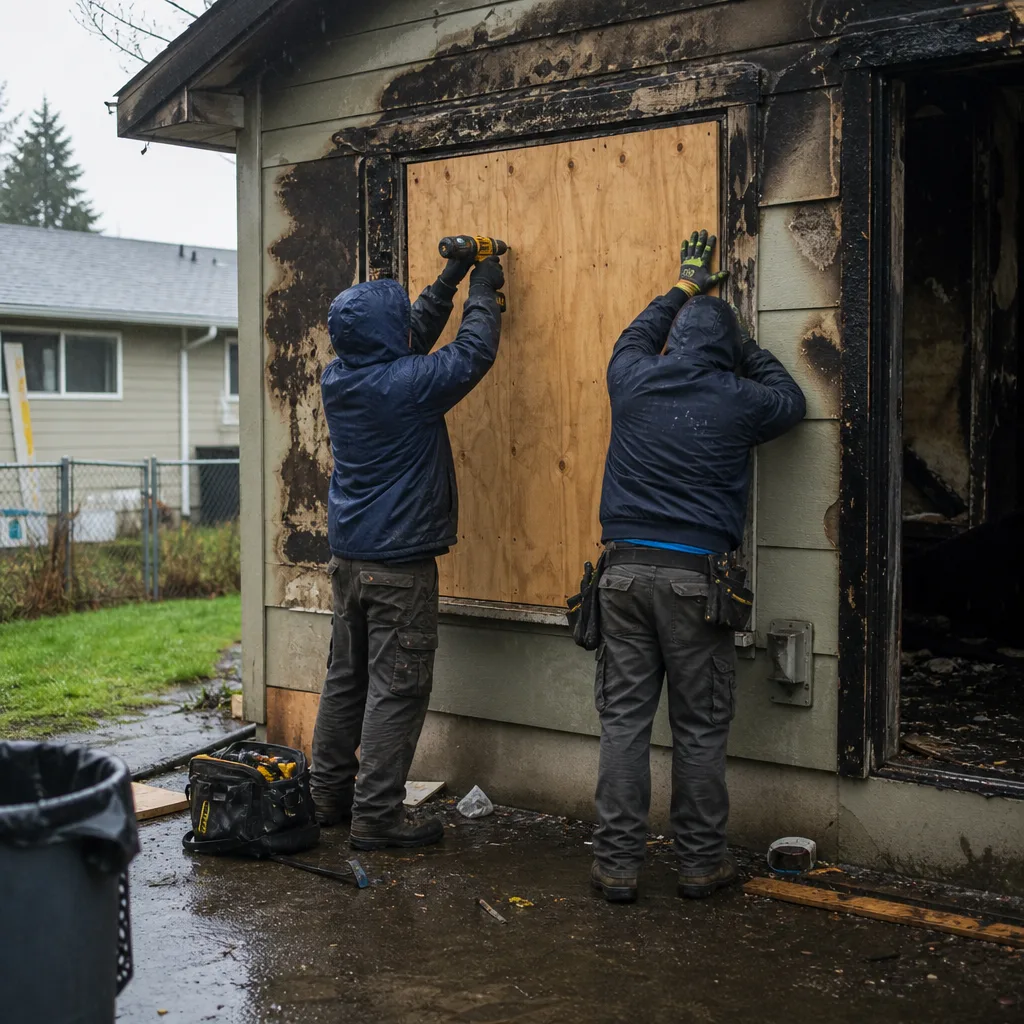
Restoration work warranties, including our 365-Day Done Right Promise under The Haven Standard, carry maintenance conditions. Skipping them doesn’t just risk new damage; it can invalidate your protection for existing work. These are the items we see most often neglected:
- Gutter and downspout maintenance. Water must discharge at least six feet from foundation, and gutters must be clear enough to handle peak rainfall. Overflowing gutters are the leading cause of repeated foundation intrusion after restoration.
- Sump pump testing. Annual replacement of the pump is excessive, but quarterly testing and five-year replacement is standard. A failed sump pump during a rain event voids warranty coverage for subsequent damage.
- Humidity control. Post-restoration, interior relative humidity must be maintained below 60%. Running a dehumidifier in conditioned crawl spaces and basements is often required; turning it off to save electricity can void moisture-related warranties.
- Caulk and grout renewal. In wet areas, these are sacrificial barriers with finite life. Ignoring cracked grout in a restored shower can void warranty for adjacent wall damage.
- Grade and drainage maintenance. Landscaping changes, settling, or hardscape displacement that reverses slope toward foundation voids warranty for subsequent intrusion.
The Haven Standard, Clause 1 requires a written price before work begins, and our warranties are similarly explicit: the maintenance conditions are listed in writing, not implied. If you’ve had restoration work performed, request the warranty document and verify your maintenance obligations. Document your compliance with the same rigor as your baseline readings.
Tools and Monitoring Systems Worth Owning
You don’t need professional equipment to maintain effective monitoring. Here’s what we recommend for Renton homeowners, with approximate investment and application:
Pinless moisture meter ($50-120): General scanning of walls, floors, and ceilings. Less precise than pin-type but non-destructive and fast. Look for models with species correction for wood and a reference scale for drywall and masonry. Use for monthly quick checks and finding problem areas.
Pin-type moisture meter ($40-80): Precision readings at specific points. The pins penetrate to measurable depth, giving you actual moisture content rather than surface indication. Essential for baseline documentation and for verifying that a “dry” surface reading isn’t masking wet material behind.
Hygrometer with logging ($30-60): Continuous relative humidity and temperature recording. Place in crawl space, basement, attic, and one living space. Data logging reveals patterns invisible to spot checks - the humidity spike every afternoon when the HVAC cycles off, or the sustained elevation during a rain period.
Infrared thermometer ($25-50): Not a moisture tool directly, but evaporative cooling shows as temperature differential. A 5°F cooler spot on a wall during normal conditions suggests moisture evaporation. Use to guide where to place the moisture meter.
Smart water leak detector ($50-150 per unit): Battery-powered sensors with app notification. Place at water heater, washing machine, dishwasher, and under sinks. The best models include temperature monitoring to catch freezing risk. In our experience, these devices pay for themselves if they prevent one minor leak from becoming a major loss.
For homeowners who want integrated monitoring, several systems combine leak detection with automatic water shutoff. These require professional installation at the main supply but eliminate the most common source of catastrophic damage: the supply line failure that runs for hours while you’re at work.
Common Mistakes to Avoid
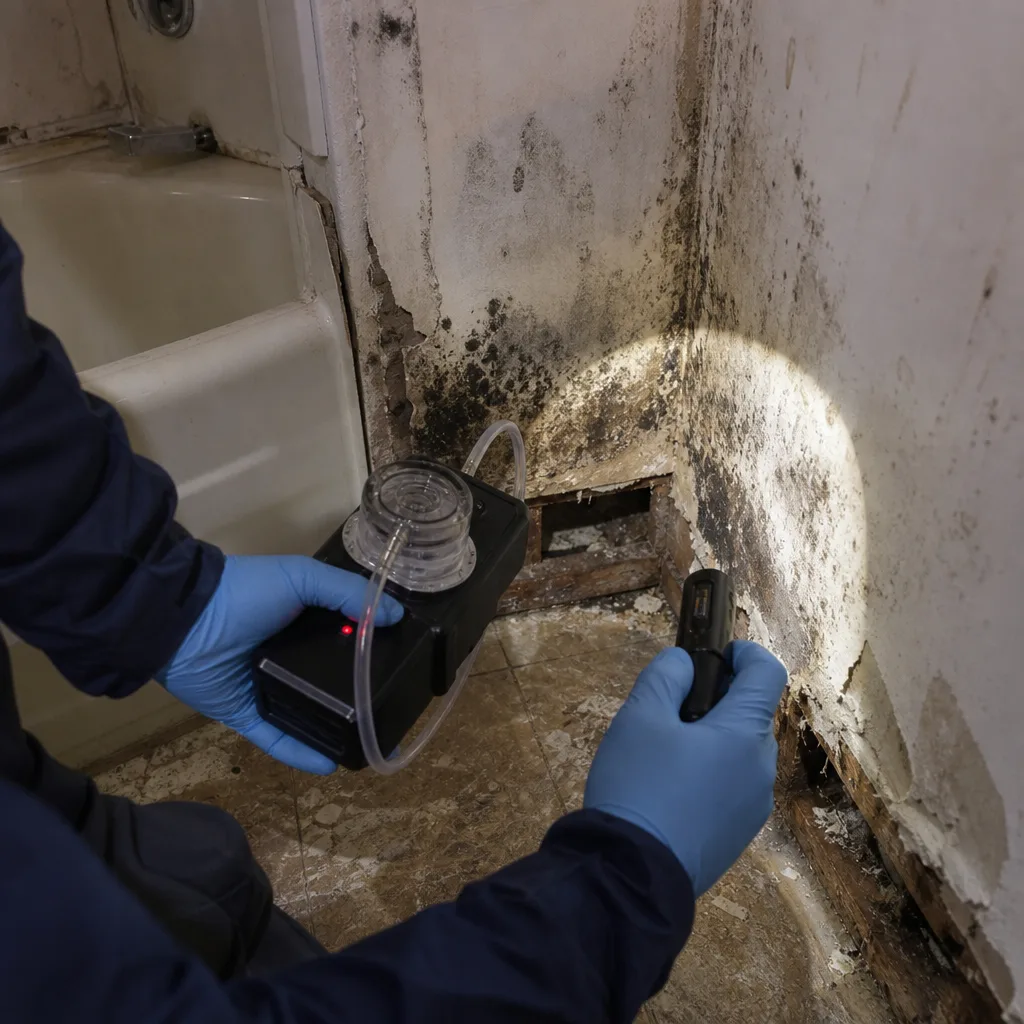
- Checking only after you suspect a problem. Reactive inspection finds damage already done. Baseline monitoring finds intrusion before it becomes damage. The moisture meter you buy during a crisis is too late for that crisis.
- Ignoring the garage. Renton garages often house water heaters, laundry, and utility sinks on slabs with different drainage than the main foundation. We’ve restored living spaces where the source was a garage leak that traveled under the common wall.
- Measuring once, deciding forever. A single reading is a snapshot, not a diagnosis. Seasonal variation of 3-5% on wood framing is normal. The trend over multiple readings reveals the real condition.
- Storing documentation only in the home. Cloud storage, email to yourself, or physical copies in a safe deposit box. The documentation you need most is the documentation most at risk from the event that triggers the claim.
- Assuming new construction is exempt. Tight building envelopes trap moisture. Complex plumbing routing creates more failure points. We’ve done significant restoration on homes less than five years old in The Landing area where construction defect or installation error created concealed damage.
- Waiting for visible mold to act. Visible mold means the moisture problem has been present long enough for colonization, typically 48-72 hours of sustained wetting. Your moisture meter should have caught it weeks earlier.
- Skipping the February check because October was fine. These are different inspections with different purposes. October verifies readiness; February verifies performance under load. Both are necessary.
When to Call a Professional
Some conditions exceed homeowner maintenance and require documented professional assessment. Call for evaluation when: moisture readings cross critical thresholds and trend upward despite your intervention; you find visible mold covering more than 10 square feet; there’s any suspicion of sewage or gray water contamination; structural materials show deformation, delamination, or crush; or you need a written scope and price for insurance submission.
Professional restoration brings capabilities beyond homeowner tools: thermal imaging to trace moisture migration, psychrometric calculation to determine drying requirements, and containment systems to prevent cross-contamination during remediation. Most critically, professional documentation - moisture logs, photo records, and written scopes - is what insurers expect for claim validation.
DryMark Restoration Renton home offers free estimates in Renton. Call (360) 469-6341. Every estimate includes a written price before work begins, per Haven Standard, Clause 1. We also provide free second opinions on any competitor’s written estimate.
Frequently Asked Questions
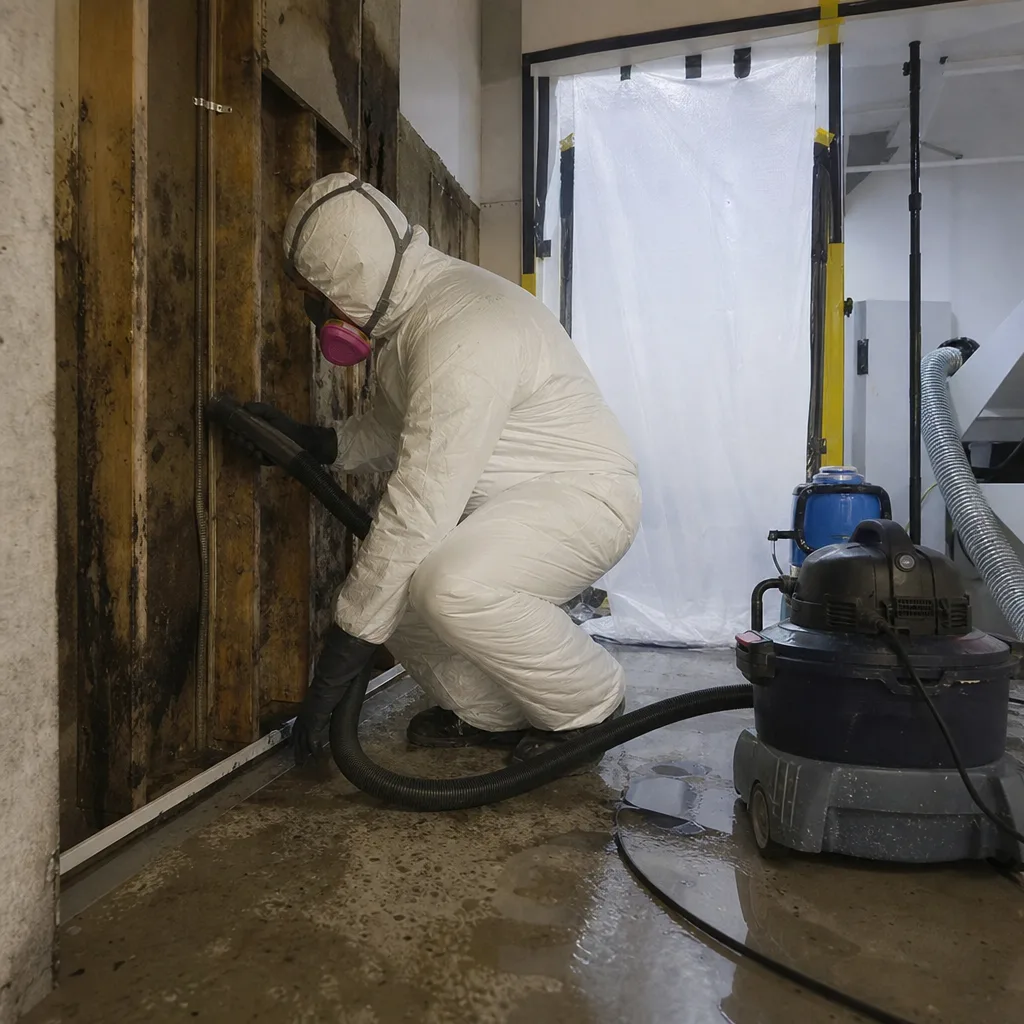
Most restoration companies in Renton provide initial moisture assessment at no charge when tied to a service estimate; see our Damage Restoration Cost Breakdown: The Renton Homeowner’s Reference for 2026 for typical project ranges. At DryMark Restoration Renton, estimates are free and include documented moisture readings, thermal imaging scan, and a written scope with price before any work begins. Call (360) 469-6341 to schedule.
Probably not. Insurance covers sudden and accidental damage, not damage from gradual leakage or neglected maintenance. This is precisely why documentation matters - your maintenance records demonstrate that the damage was sudden and not the result of long-term neglect. Without that documentation, the burden of proof shifts against you.
For active water intrusion, same-day response is standard among established restoration companies. DryMark Restoration Renton maintains live phone coverage 24 hours a day, 7 days a week with no voicemail on emergency lines. Speed matters for mitigation - water continues migrating until extraction and drying begin - but reconstruction work is always scoped, scheduled, and priced in writing before starting.
For minor, clean water spills affecting less than 10 square feet of material, homeowner equipment may suffice if you can achieve and verify drying within 24-48 hours. For larger areas, Category 2 or 3 water, or any suspicion of concealed wetting, professional equipment is necessary. Our teams use Injectidry and other professional drying systems with air filtration and dehumidification capacity measured in pints per day, not the gallons-per-hour of consumer units. More importantly, we document the drying process to IICRC standards, producing the logs that insurers require.
Water damage restoration addresses the moisture source and dries affected materials. Mold remediation addresses fungal contamination and requires containment, air filtration, and removal of colonized materials. The same event often requires both. In Renton’s climate, we regularly see situations where delayed or incomplete drying has progressed to mold requiring separate remediation. Early moisture detection prevents this escalation. For established mold concerns, see our Mold Remediation in Renton service page.
Keep baseline documentation for the duration of ownership plus any applicable statute of limitations for insurance claims - typically three to five years. If you’ve had restoration work performed, keep all job documentation, warranties, and maintenance records for the warranty period plus two years. The Haven Standard 365-Day Done Right Promise requires our records for verification; your maintenance records support your compliance with warranty conditions.
The Bottom Line
A maintenance checklist without numbers is just a list of chores. The homeowners who avoid restoration costs are those who know their home’s normal moisture profile, measure it consistently, and act when readings drift - not when stains appear. In Renton’s climate, the October and February inspection windows are your highest-return preventive investment. Document everything. Store it off-site. And understand that the same discipline that prevents damage also protects your claim if damage occurs despite your care. The written price before work begins, the photo record on every visit, and the documented drying log aren’t marketing promises at DryMark Restoration Renton. They’re the standard we apply to every job, because we’ve seen what sloppy documentation costs.
Need a professional assessment or a free second opinion on an estimate you’ve already received? Call (360) 469-6341. Written price before work begins, every time. Haven Standard, Clause 1.
Written by Alicia Brennan, Owner at DryMark Restoration Renton, serving Renton since 2011.