
Last updated September 23, 2026
Free visual inspection and a written scope of work before any mitigation begins - photos, moisture readings, and drying logs go in your claim file
The scope we write is the scope we bill. Anything new gets shown to you, in writing, before we touch it.
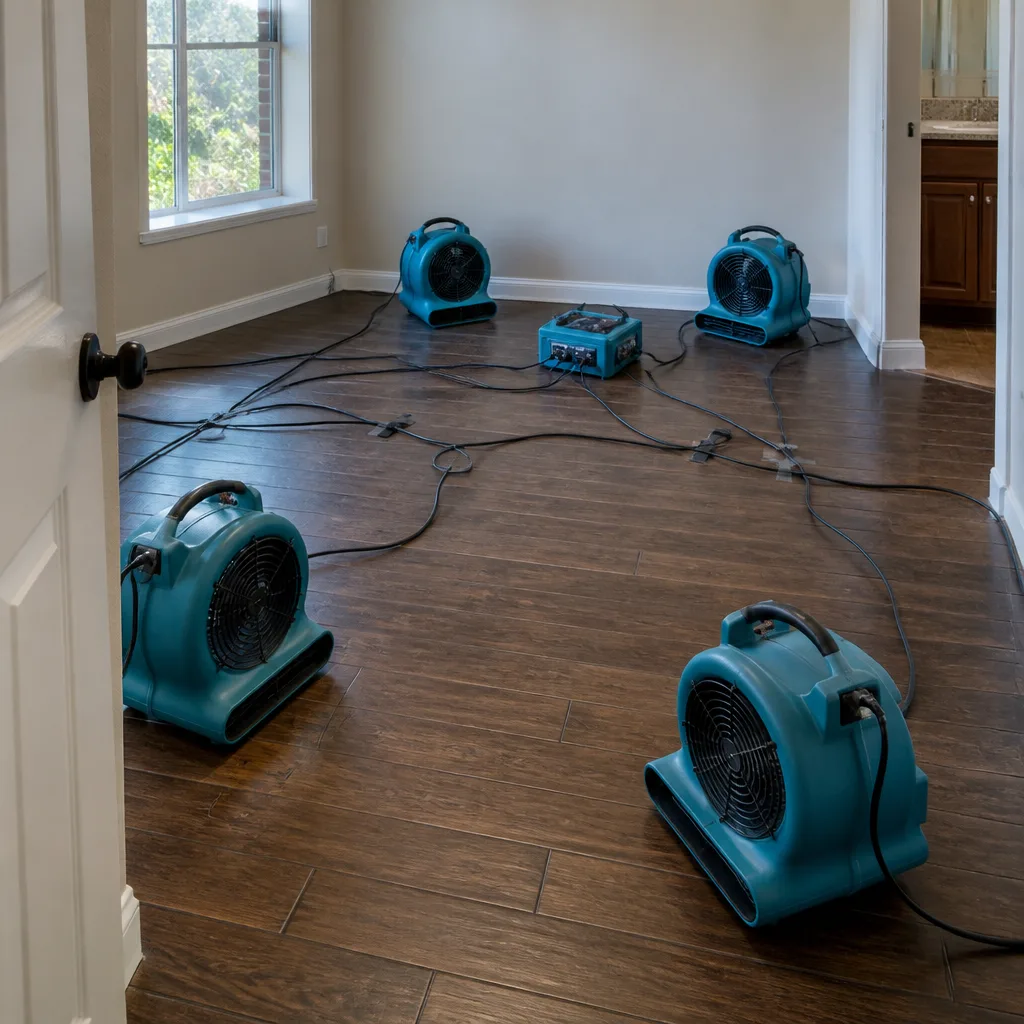

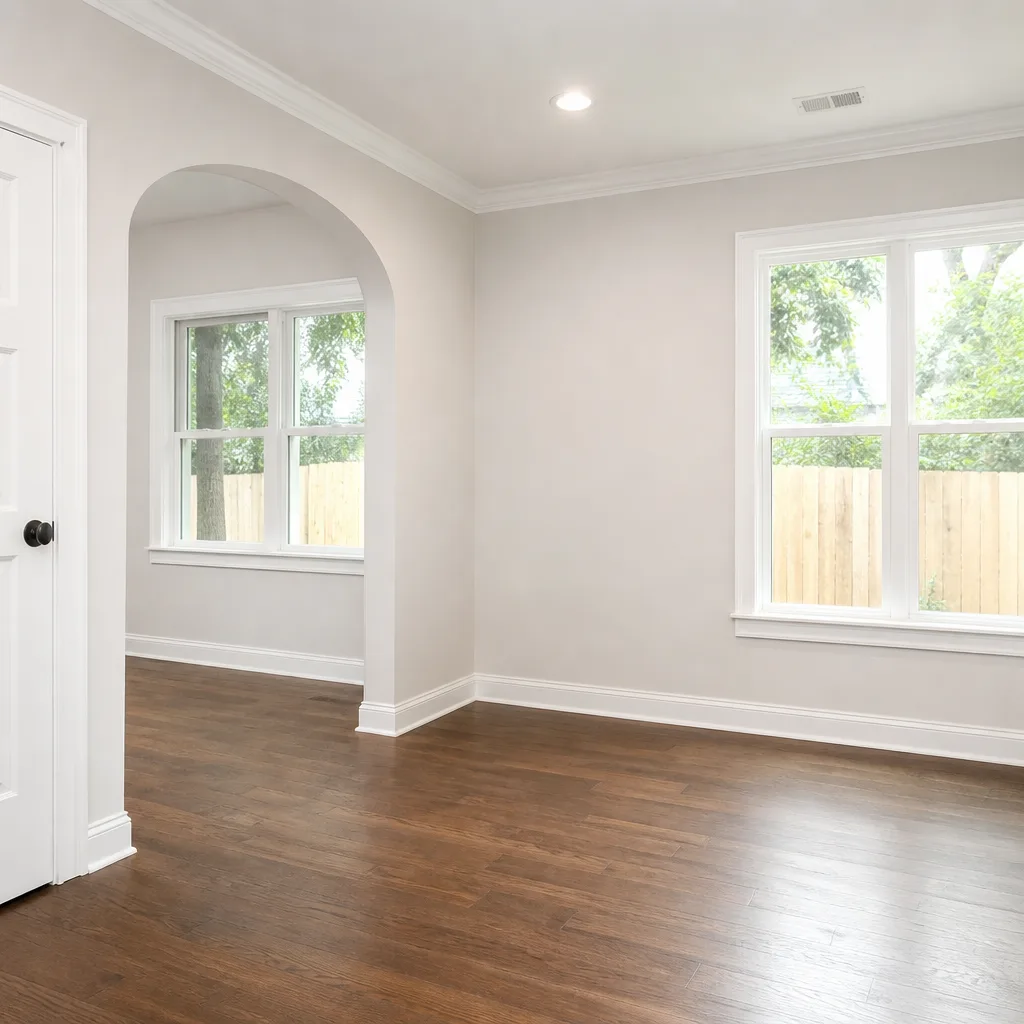

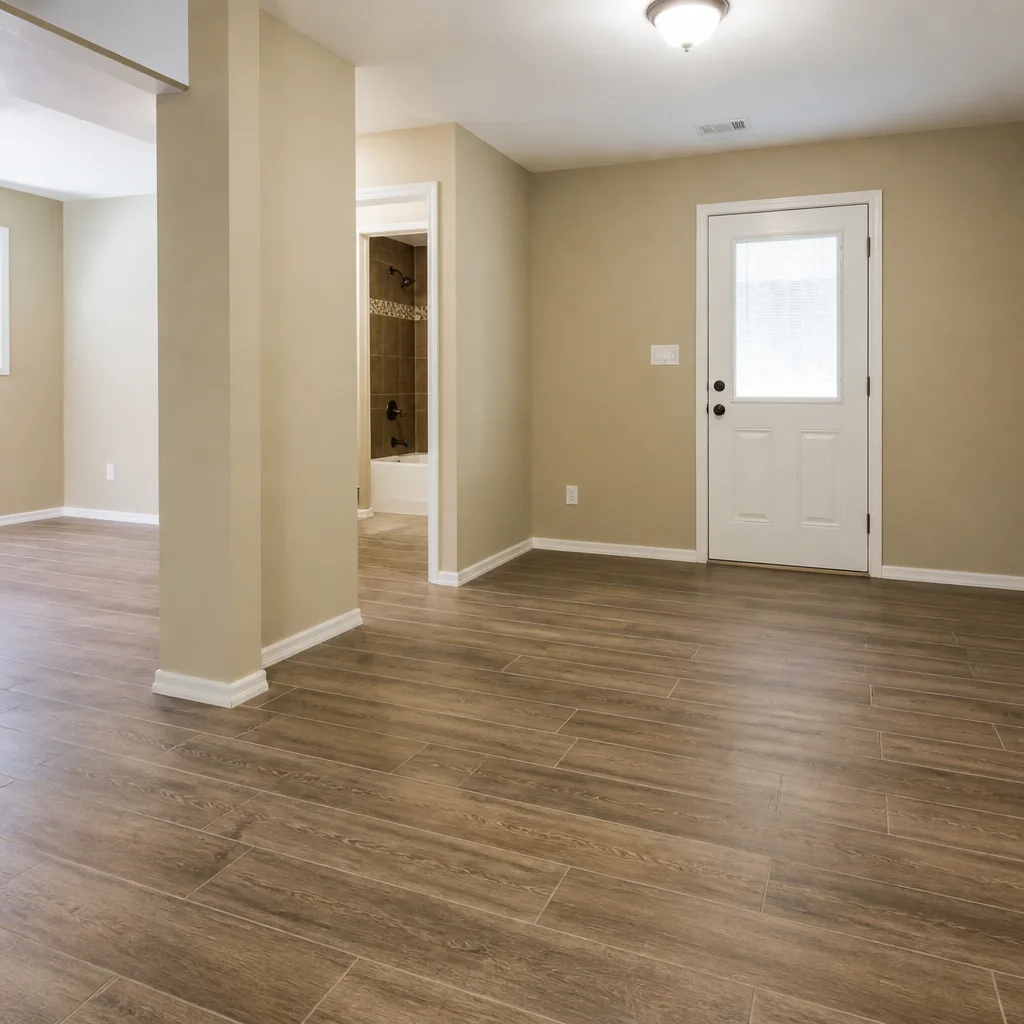
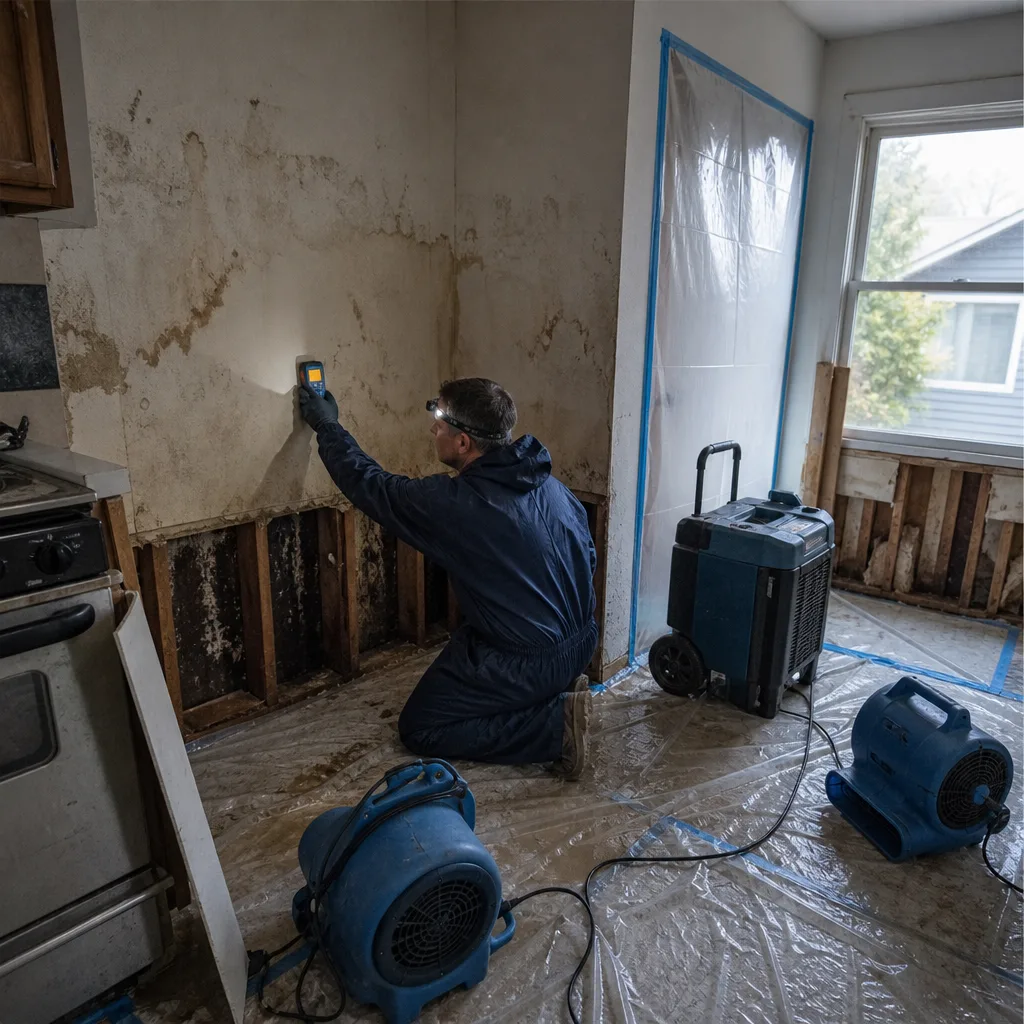 Before
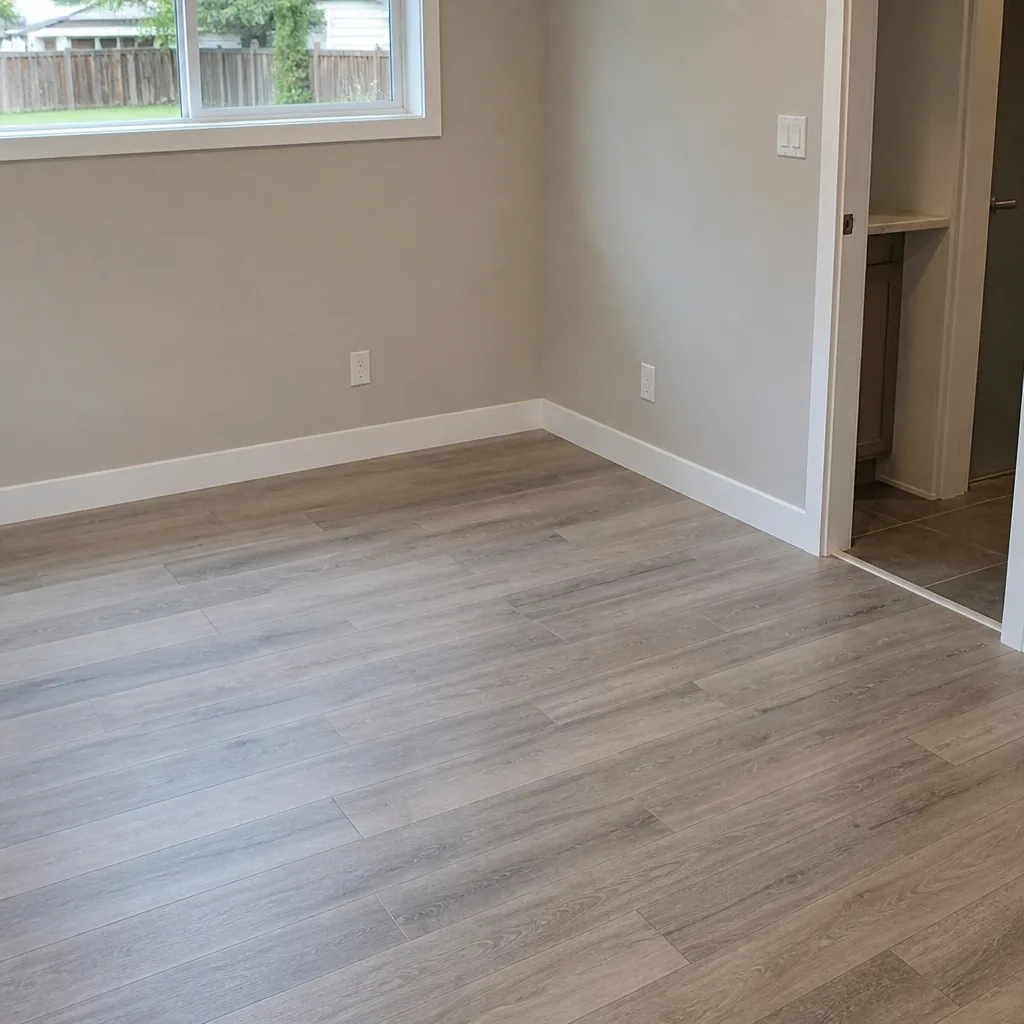 After
After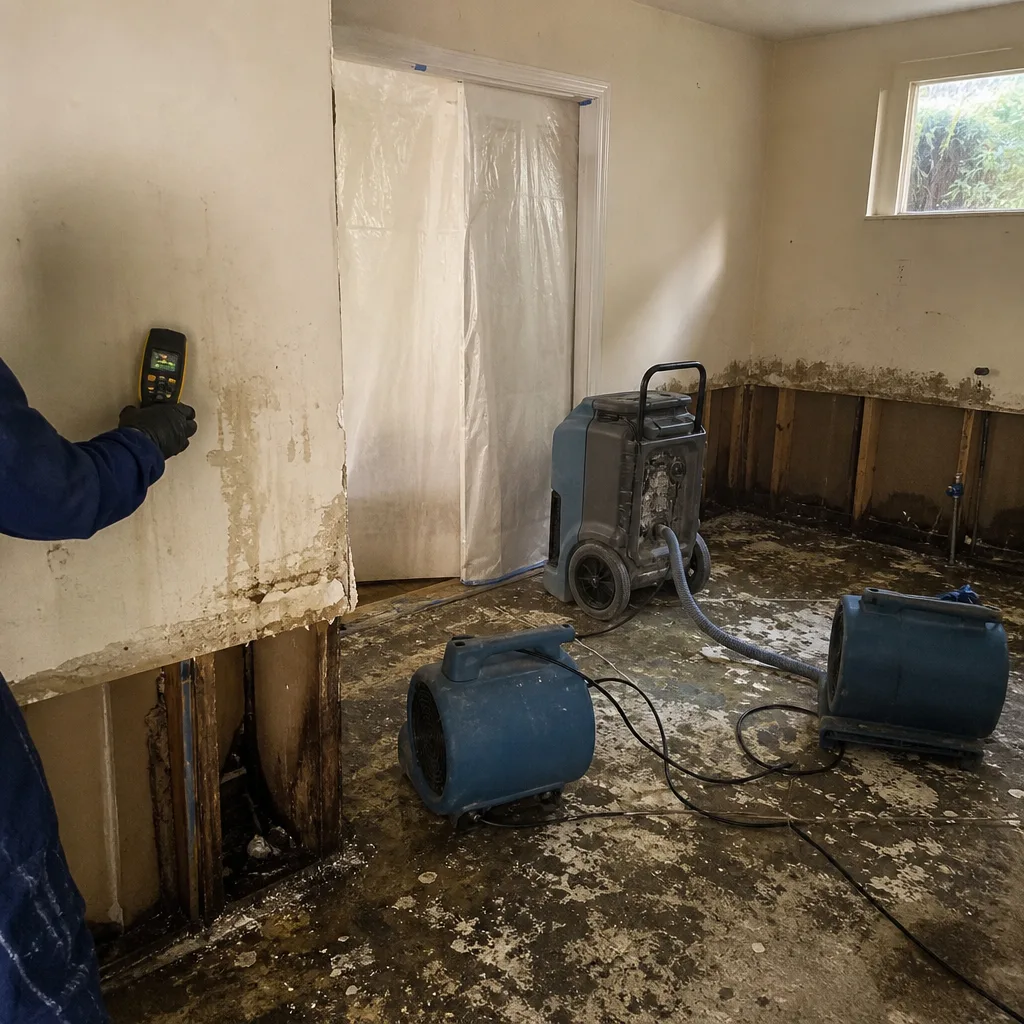 Before
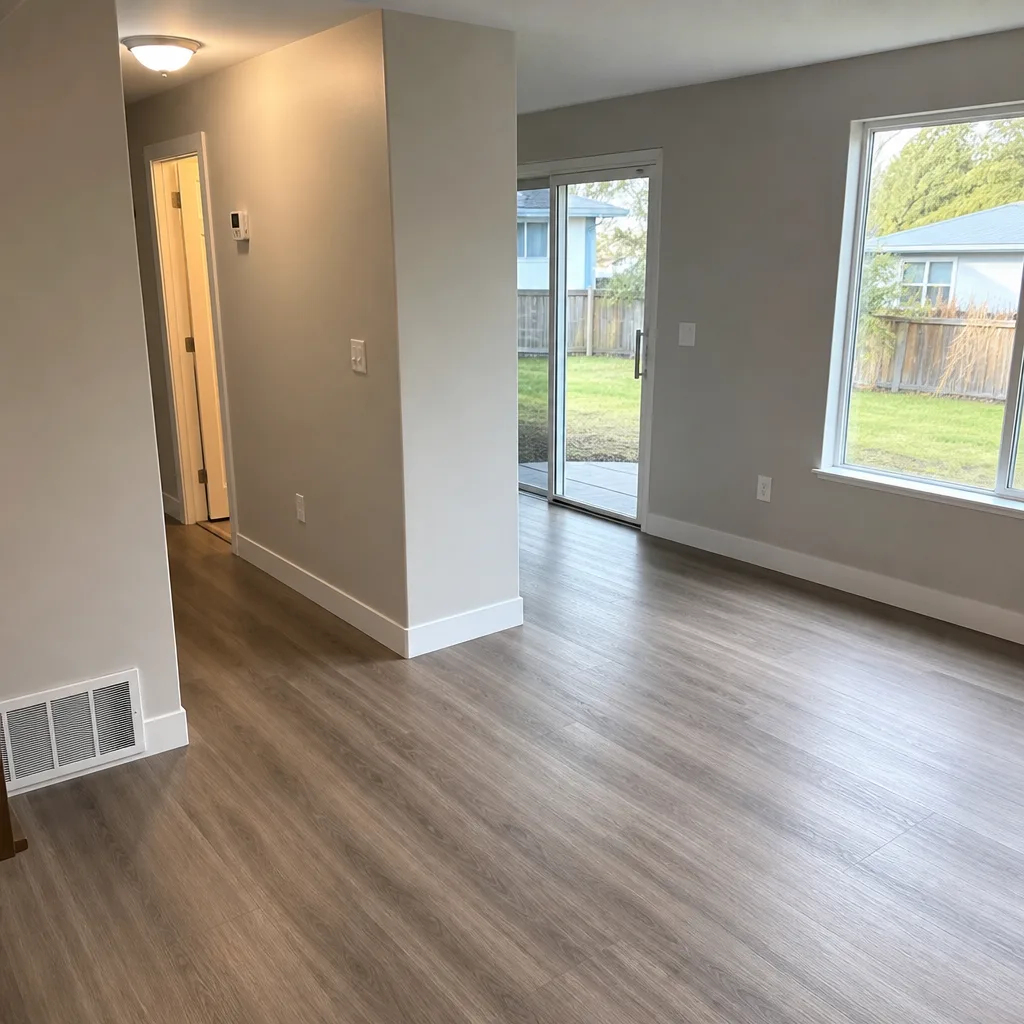 After
After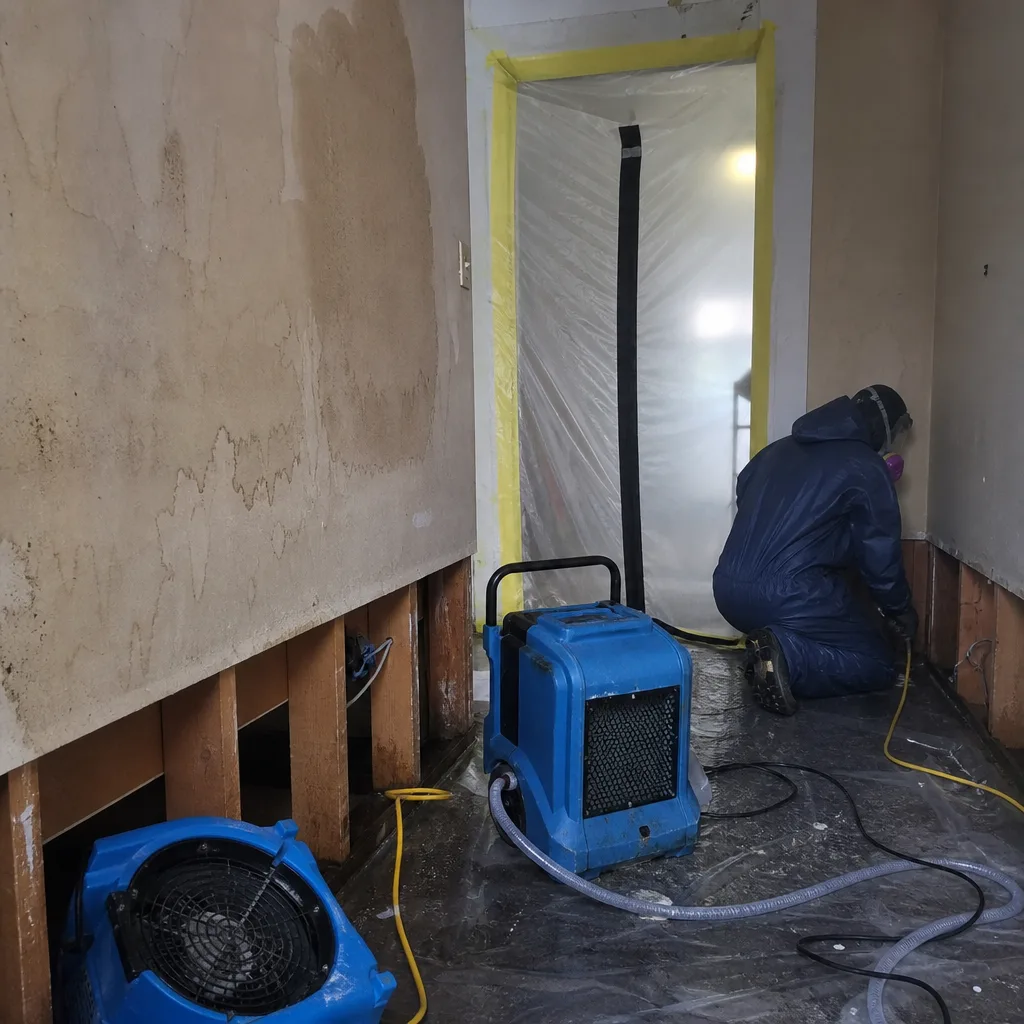 Before
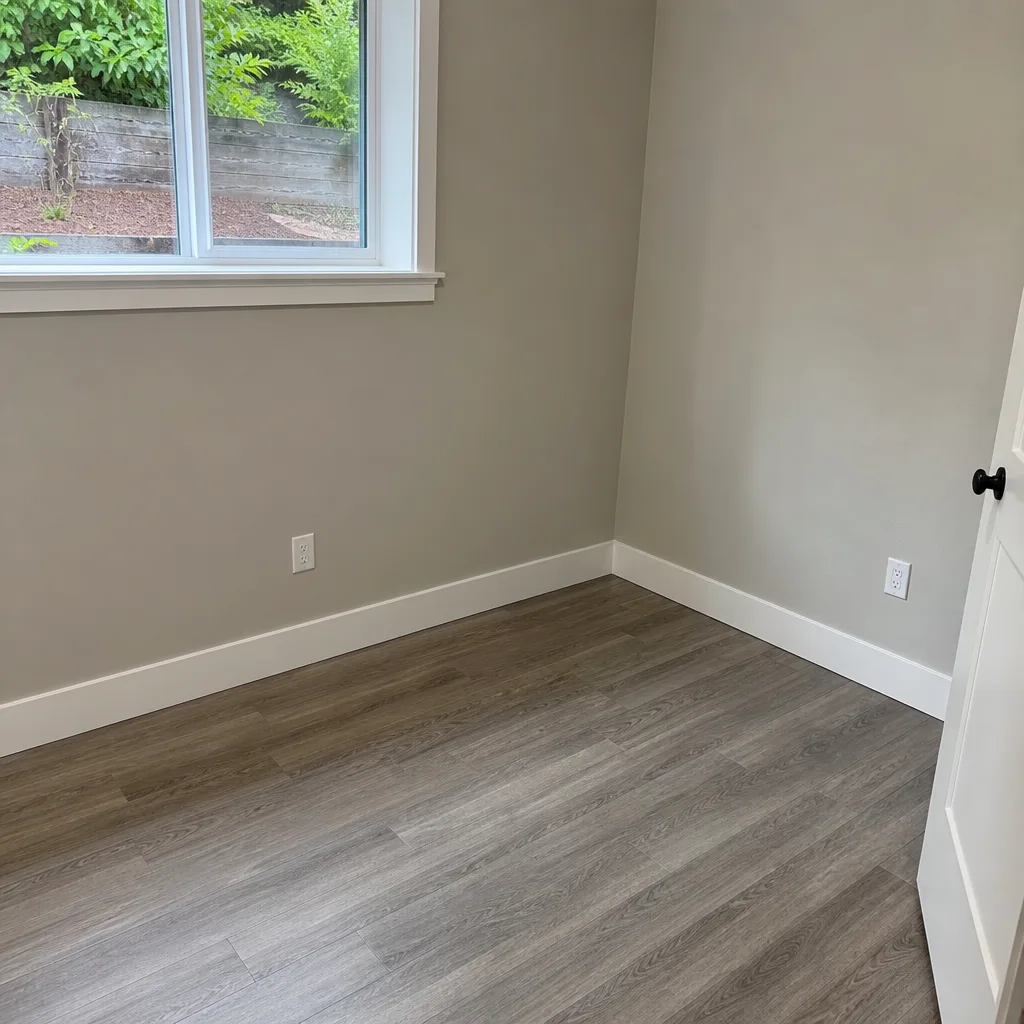 After
AfterDamage Restoration Warning Signs: A Renton Homeowner’s Reference Guide
A musty smell in a Renton basement isn’t a warning sign. It’s a confirmation. The warning sign was the crawl space humidity reading that crossed 60% relative humidity three months earlier and went unmeasured. By the time paint bubbles, drywall stains, or mold spots appear, the structural and microbial damage is already underway behind the surface. In our experience across more than 12,000 homes since 2011, the homeowners who avoid five-figure rebuilds are the ones who learn to read the earlier, measurable signals. This guide teaches Renton homeowners exactly that: a hierarchy of damage indicators from the earliest detectable deviations to the late-stage failures, with specific action thresholds and documentation protocols for each. For seasonal damage restoration care in Renton, see our year-round homeowner’s guide.
Quick Answer
The earliest damage restoration warning signs in a Renton home are measurable, not visible: crawl space or basement humidity above 60% relative humidity, pin-type moisture meter readings above 16% in wood framing, and doors or windows that begin binding from subtle framing movement. These precede visible staining by weeks or months. Later indicators include musty odors, visible mold, bubbling paint, and drywall discoloration. The critical distinction for insurance coverage is whether signs indicate sudden occurrence (typically covered) or long-term neglect (often denied).
Table of Contents
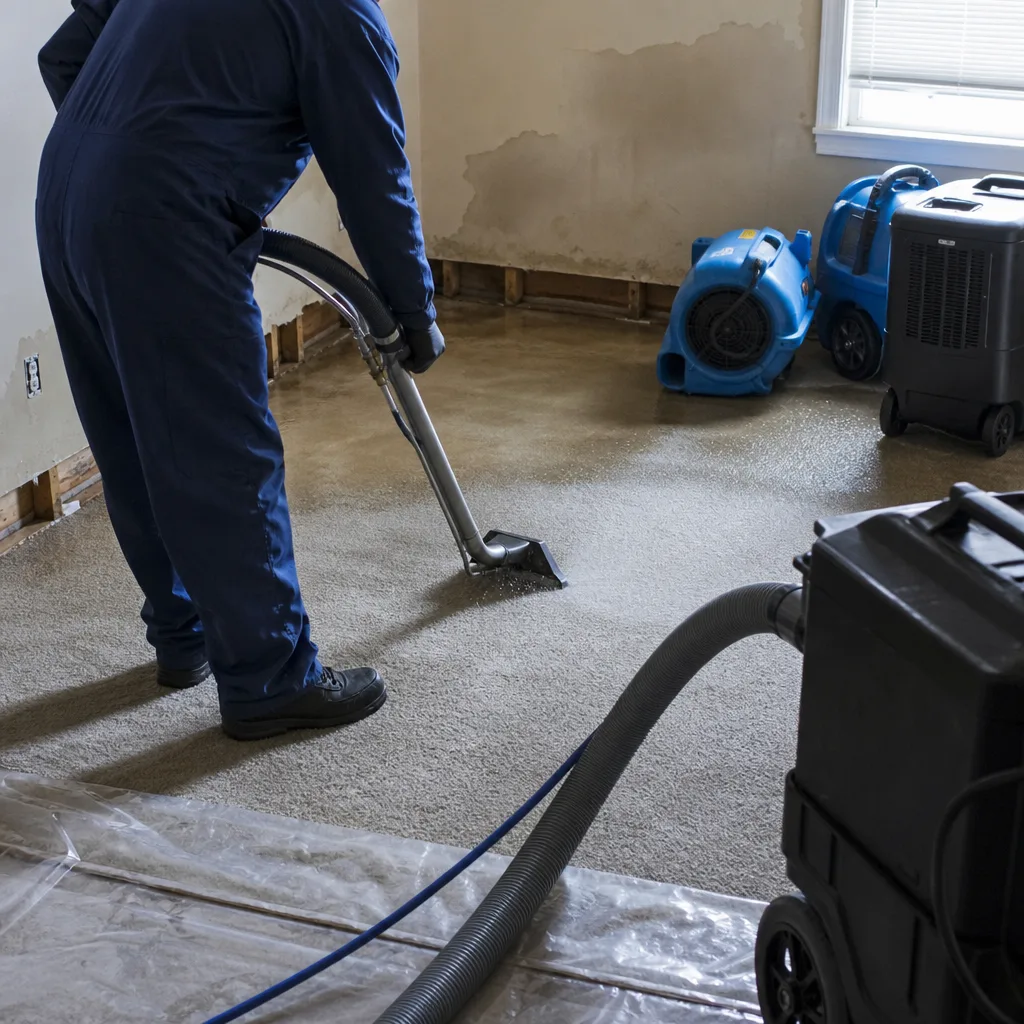
- The Earliest Signals: Measurable Deviations Before Visible Damage
- How Renton’s Housing Stock Ages Differently
- Using a $30 Moisture Meter to Catch Intrusion Early
- The Documentation Protocol for Suspected Water Issues
- Which Warning Signs Insurers Treat as Neglect vs. Sudden Occurrence
- Fire and Smoke Damage Warning Signs
- Sewage and Biohazard Indicators
- Common Mistakes to Avoid
- When to Call a Professional
- Frequently Asked Questions
BeforeAfterThe Earliest Signals: Measurable Deviations Before Visible Damage
Visible water damage is a lagging indicator. The leading indicators are numbers, and they require only basic tools to capture.
Relative humidity thresholds: In Renton’s marine climate, indoor relative humidity should run 30-50% in conditioned spaces year-round. Crawl spaces and basements are the exception that proves the rule: they run higher, but a sustained reading above 60% relative humidity creates the vapor pressure differential that drives moisture into framing, insulation, and subflooring. We see this constantly in Renton’s Fairwood and Benson Hill neighborhoods, where mid-century homes with vented crawl spaces sit on clay-heavy soils that hold moisture through the winter rainy season. A $15 digital hygrometer left in the crawl space for 48 hours will tell you more than a visual inspection.
Wood moisture content: Seasoned wood framing in the Pacific Northwest should read 9-14% on a pin-type moisture meter. Readings above 16% indicate active moisture intrusion. Above 20%, fungal growth becomes likely. The critical measurement points are baseboard edges (water wicks up from slab or subfloor), window sill undersides (condensation and seal failure), and cabinet toe-kicks in kitchens and baths (supply line leaks and drain seepage). These are the locations where we find elevated readings in 70% of pre-purchase inspections in Renton.
Structural movement indicators: Doors that suddenly stick, windows that won’t latch, or trim gaps that appear seasonally often indicate framing swelling from moisture uptake. In newer construction with engineered lumber, this happens faster and more dramatically than with old-growth dimensional lumber. A door that binds at the top of the jamb suggests header swelling; binding at the strike plate suggests stud movement. Neither requires a moisture meter to detect, though confirming with one removes guesswork.
Olfactory thresholds: The human nose detects mold at approximately 500 spores per cubic meter in many species. By the time you smell mustiness, the source colony is established. In Renton’s older homes with paper-faced drywall and cellulose insulation, that smell often means the cavity behind the wall has been colonized for 30-60 days. The warning sign was the humidity spike that preceded it.
Electrical and HVAC anomalies: Ground fault circuit interrupter (GFCI) trips in bathrooms, kitchens, or exterior outlets can indicate moisture in the electrical box. Condensation on ductwork in crawl spaces or attics signals that the surrounding air has reached dew point, which means surrounding materials are wet enough to support mold. Both are measurable with a simple thermometer-hygrometer combination.
How Renton’s Housing Stock Ages Differently
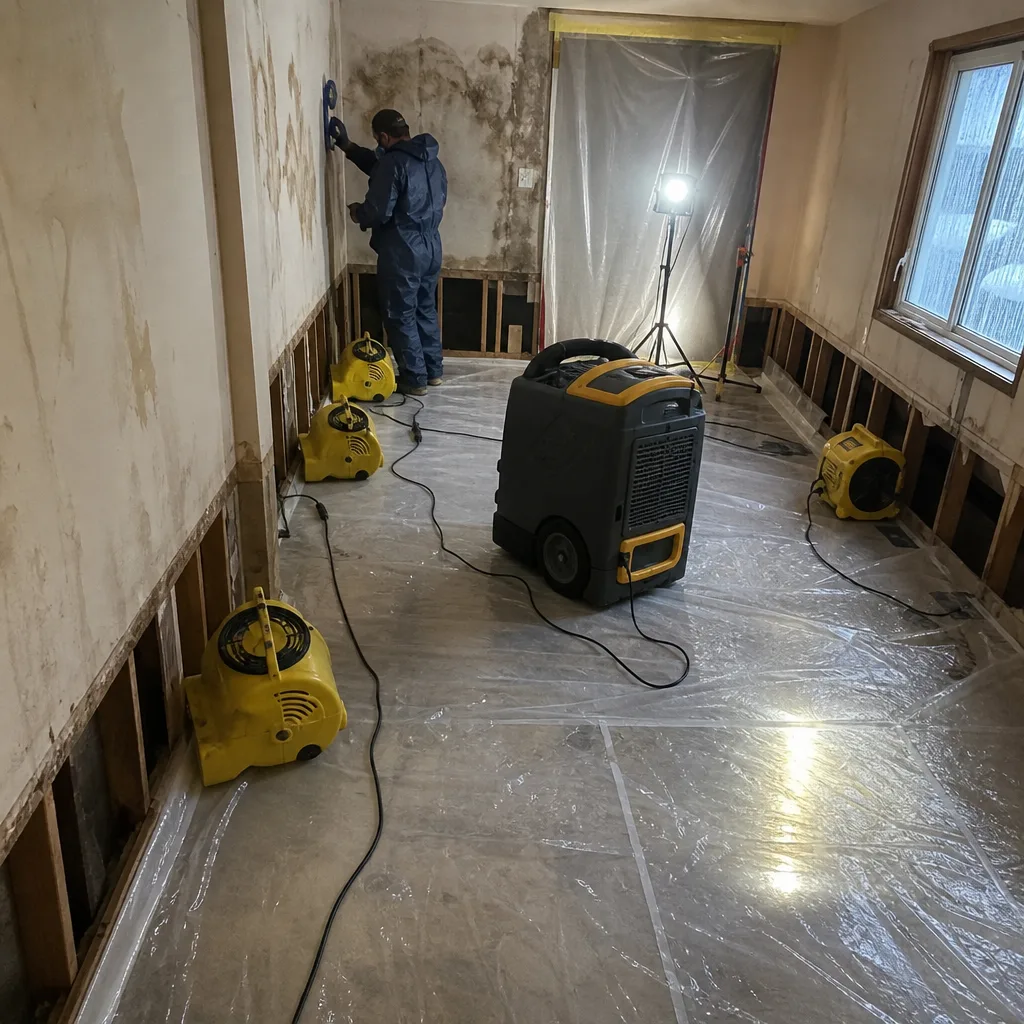
Renton’s housing spans from 1940s bungalows near downtown to 2020s infill in the Landing district. The warning signs vary significantly by era.
Pre-1970 construction: These homes in Renton’s Olde Renton and Sunset Highlands neighborhoods were built with old-growth Douglas fir framing, minimal or no vapor barriers, and often no footing drains. Foundation seepage shows differently here than in newer homes. Instead of wall-base staining, you will see:
- Efflorescence (white mineral deposits) on basement walls, indicating chronic moisture migration through concrete
- Floor joist ends that darken and soften where they bear on the foundation sill
- Plaster cracks that follow the line of lath, not random patterns, as wood swells behind
- Original single-pane windows that weep condensation and rot the sash from the bottom up
The clay soils in these areas, particularly east of I-405 toward May Creek, hold water against foundations for months after the rainy season ends. We regularly see spring failures in these neighborhoods due to hydrostatic pressure that builds through February and March.
1970-2000 construction: This era brought paper-faced drywall, fiberglass batt insulation, and increasingly complex rooflines with valley intersections that fail. The warning signs here are:
- Staining at ceiling penetrations (light fixtures, smoke detectors) where attic leaks track along rafters
- Carpet tack strip rust in rooms below plumbing walls
- Particleboard subfloor swelling that creates soft spots before any surface discoloration
- HVAC flex duct collapse in attics, where moisture from leaks pools in low spots
Post-2000 construction: Newer homes in Renton’s Talbot Hill and Cascade areas use engineered lumber, OSB sheathing, and tighter envelopes. They fail faster and with less warning. OSB sheathing can reach 30% moisture content and begin fungal degradation before any interior sign appears. The critical warning signs are:
- Exterior trim gaps that open seasonally as engineered studs shrink and swell dramatically
- Window flashing tape failure at head joints, visible only from exterior inspection
- Garage ceiling staining where the firewall meets the living space above
- Exhaust fan duct termination failure in attics, dumping moisture directly into insulation
In Renton’s newer subdivisions, we have documented cases where OSB subflooring reached critical moisture content within 72 hours of a supply line leak, with no visible interior indication until the flooring adhesive failed.
Using a $30 Moisture Meter to Catch Intrusion Early
A pin-type moisture meter is the single most cost-effective damage prevention tool a Renton homeowner can own. We recommend the General Tools MMD4E or equivalent, available at most hardware stores. For DIY vs professional damage restoration in Renton, see our homeowner’s decision guide.
- Establish baseline readings. In October, when Renton’s outdoor humidity is moderate, take readings at baseboard edges in every room, window sill undersides, and cabinet toe-kicks in kitchens and baths. Record these on paper with the date and location. These are your reference points.
- Identify critical measurement zones. The highest-risk locations in Renton homes are:
- Baseboards on exterior walls, especially north-facing (slow drying, condensation potential)
- Window sills below windows that receive afternoon sun (thermal cycling degrades seals)
- Sink cabinet toe-kicks, especially with original copper supply lines (pinhole leaks develop silently)
- Dishwasher and refrigerator water line penetrations
- Laundry room walls behind washer boxes
- Crawl space access points and rim joist areas
- Take readings correctly. Insert pins perpendicular to the surface, not at an angle. For painted surfaces, press firmly to penetrate the paint film. For baseboards, measure at the bottom edge where it meets the flooring. Compare to your baseline, not to an absolute number. A reading that has risen 4 percentage points from baseline indicates active moisture even if still within “normal” range.
- Document and date every reading. A notebook entry reading “Master bath baseboard, north wall: 14% baseline 10/15/24; 18% recheck 1/15/25” is evidence. A mental note is not. If you ever need to support an insurance claim, this documentation establishes when the condition began.
- Recheck seasonally. In Renton, the critical periods are November through March (rainy season, foundation seepage) and April through June (snowmelt runoff, clogged gutters from winter debris). A 15-minute seasonal check with a moisture meter catches more problems than annual professional inspections in many cases.
- Know when a reading demands action. Wood above 20% moisture content requires professional assessment. Between 16% and 20%, increase monitoring frequency to weekly and investigate potential sources. Below 16% but rising from baseline, identify and eliminate the source if possible, then recheck in two weeks.
The psychrometric data - temperature, relative humidity, and specific humidity together - tells the full story. A room at 65°F and 55% relative humidity feels comfortable but will condense moisture on surfaces at 47°F. In Renton’s older homes with minimal insulation, that surface temperature is reached on exterior walls regularly from November through February.
The Documentation Protocol for Suspected Water Issues
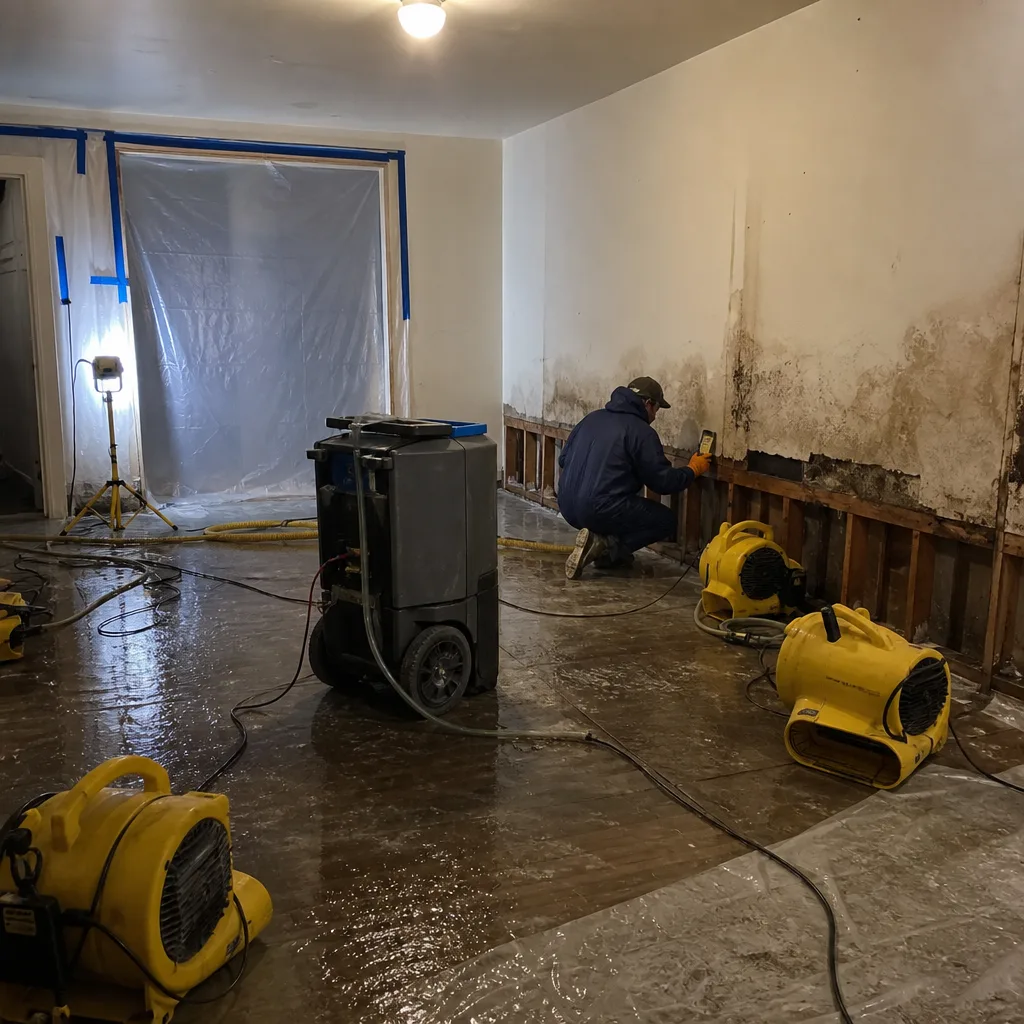
When you suspect water intrusion but cannot yet confirm it, the documentation you create in the next 48 hours may determine whether your insurance claim is paid or denied. This is the protocol we have developed from 12,000+ restoration jobs and countless claim reviews.
Photograph everything before touching anything. Take wide shots establishing the room, medium shots showing the affected area in context, and close shots with a ruler or coin for scale. Include the date stamp or photograph a phone showing the date. Photograph both sides of any damaged material if accessible. In Renton’s competitive real estate market, we have seen pre-sale inspections where the seller’s documentation of a “small leak” became the buyer’s evidence of undisclosed damage; the quality of the initial photos determined the outcome.
Record environmental readings. Note temperature, relative humidity, and any moisture meter readings with exact locations. If you have a hygrometer, photograph the display in place. These readings establish the conditions at discovery, which insurers use to assess whether the damage was sudden or developing.
Write a dated narrative. One paragraph: what you observed, when you first noticed it, what you have done since, and what you plan to do next. Email it to yourself for a timestamped record. This sounds excessive until you are in a coverage dispute and the insurer’s adjuster asks when you first knew or should have known of the condition.
Preserve physical evidence. Cut a small sample of stained drywall or carpet pad, place it in a sealed bag, and label it with date and location. If mold is later confirmed, this sample can be tested to establish species and growth timeline. Some species, like Stachybotrys chartarum, require sustained wetting and indicate long-term conditions that insurers may exclude.
Contact your insurer promptly with your documentation. The standard policy language requires prompt notice of a claim. “Prompt” is interpreted differently by different carriers, but within 72 hours of discovery is defensible. Delay beyond two weeks, especially with visible mold, invites a denial for failure to mitigate.
Request a written scope before authorizing any work. Haven Standard, Clause 1: a written price before work begins, every time, with no exceptions. This applies to mitigation, remediation, and reconstruction. The written scope is your protection against scope creep and your primary documentation for the insurer. At DryMark Restoration Renton home, we deliver this before any equipment is deployed or any material is removed.
Which Warning Signs Insurers Treat as Neglect vs. Sudden Occurrence
This distinction determines whether a claim pays, and Renton homeowners are often surprised by where the line falls.
Sudden occurrence indicators (typically covered):
- Water damage with a clear point of origin: burst supply line, failed water heater, appliance hose rupture
- Damage confined to the area immediately below the failure, with no migration pattern suggesting long-term flow
- Mold limited to the 72-hour window after a documented sudden event
- Fire or smoke damage from a single, identifiable incident
- Storm damage with weather documentation matching the loss date
Long-term neglect indicators (frequently denied or limited):
- Staining that shows layering or multiple colors, indicating repeated wetting and drying cycles
- Mold on multiple surfaces in a pattern that follows air currents, suggesting established colonization
- Wood rot in structural members, which requires sustained moisture over months or years
- Efflorescence on masonry, indicating chronic moisture migration
- Corroded plumbing fixtures or water heater connections that show gradual failure
- Crawl space or basement moisture with no documented effort at ventilation or dehumidification
The critical factor is what the homeowner knew or should have known, and when. A moisture meter reading of 22% taken six months before the visible damage, with no action taken, becomes evidence of neglect. The same reading, documented and followed by prompt professional assessment, supports a claim even if the visible damage develops later.
In Renton’s insurance market, we see particular scrutiny of crawl space moisture claims. The region’s rainy climate is known; insurers expect homeowners to monitor and maintain these spaces. A claim for joist rot in a crawl space with no vapor barrier, no dehumidification, and no inspection records faces an uphill battle. Conversely, a claim with documented annual moisture readings, a vapor barrier installation receipt, and prompt notice of the condition is much stronger.
The documentation protocol above is not just good practice. It is claim protection.
Fire and Smoke Damage Warning Signs
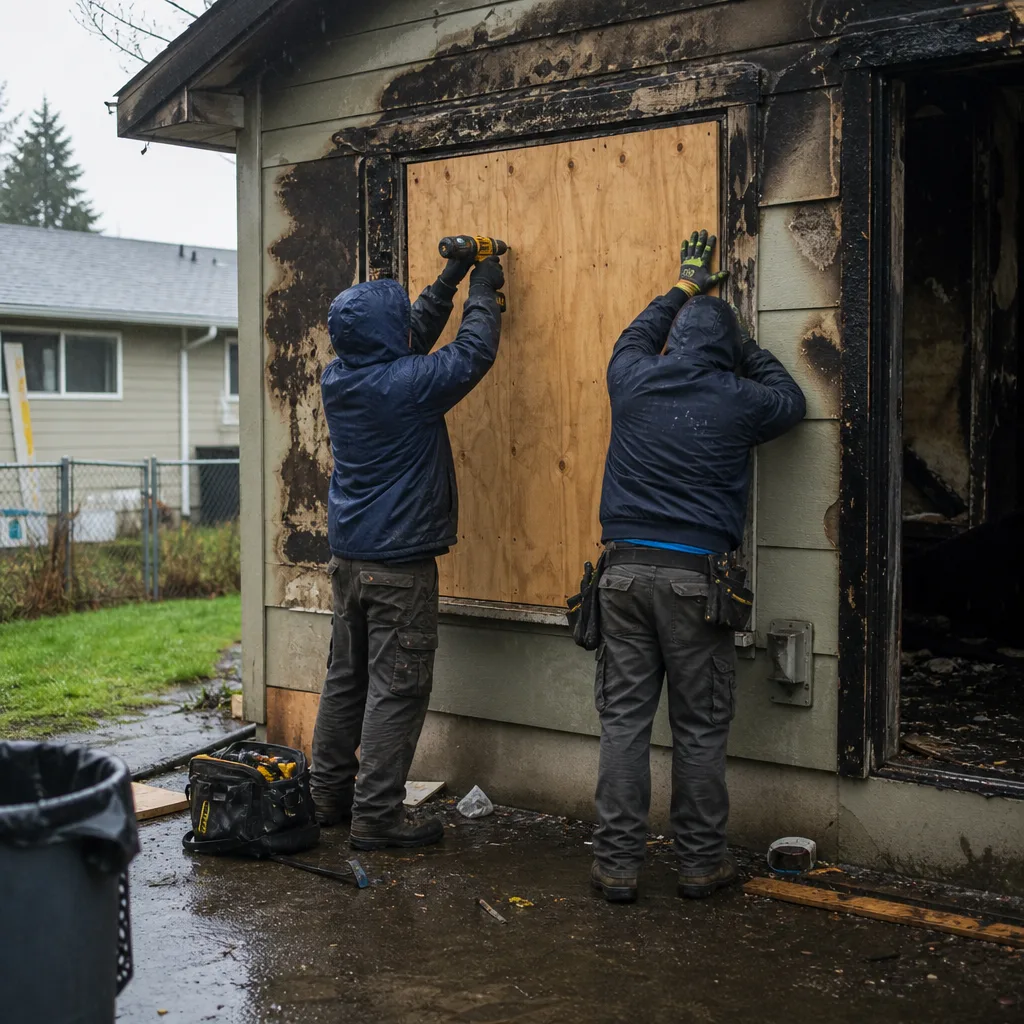
Fire damage is rarely subtle, but smoke damage often is. The warning signs that precede visible soot or odor can be detected early with attention to HVAC behavior and surface changes.
Pre-fire electrical indicators: Arcing in outlets or switches creates a distinctive ozone smell and can deposit black carbon tracking inside cover plates. GFCI devices that trip repeatedly without identifiable cause may indicate wiring damage from overheating. In Renton’s older housing stock, aluminum wiring (common 1965-1973) expands and contracts at termination points, creating loose connections that overheat before failing. Warning signs include warm outlet covers, buzzing from switches, and lights that flicker with appliance cycling.
Smoke migration patterns: Smoke follows the pressure differential created by the fire. In modern tight construction, it travels through HVAC ductwork to distant rooms before visible soot appears at the source. Early indicators are:
- HVAC filters that darken rapidly after a contained cooking fire or fireplace incident
- Light dusting on horizontal surfaces above the fire location (smoke particles settle by gravity)
- Sticky residue on kitchen cabinets near the stove, indicating grease smoke accumulation
- Corrosion on metal surfaces in the same pressure zone as the fire
Hidden char indicators: In wall or attic fires extinguished quickly, char may be concealed behind intact drywall. Warning signs include nail pops in a localized pattern (wood framing shrinks as it chars, pulling fasteners), blistered paint that follows stud or joist lines, and a persistent “hot” smell that does not dissipate with ventilation. These require thermal imaging to confirm; a surface that reads normal to touch may show 20°F elevation in the wall cavity.
For fire and smoke damage assessment in Renton, Fire & Smoke Damage Restoration in Renton covers our full documentation and restoration process.
Sewage and Biohazard Indicators
Sewage backup and biohazard situations have warning signs that demand immediate response due to health risks. The threshold for professional involvement is lower than for clean water damage.
Sewage backup precursors: Multiple drains clogging simultaneously, especially in lower levels, indicate a main line blockage rather than a localized clog. Gurgling in toilets when sinks drain, or water rising in floor drains when appliances discharge, shows reverse flow conditions. In Renton’s older neighborhoods with combined sewer systems, heavy rainfall can overwhelm municipal capacity and cause backup through the lowest fixture in the home. The warning sign is often a history of slow drains that “clear up on their own” - temporary relief as the blockage shifts, not resolution.
Category 3 water indicators: Water from sewage, flooding, or standing water that has supported microbial growth is classified Category 3 and requires specialized handling. Visual indicators include gray or black coloration, visible organic matter, and foaming. Olfactory indicators are unmistakable: the sour, fecal, or decay odor of anaerobic bacterial activity. Any water that has contacted soil, as in Renton’s frequent crawl space flooding events, is presumptively Category 3.
Biohazard situations: Unattended death, trauma scenes, and hoarding environments present biological hazards that are not always visually obvious. Warning signs for property managers and family members include persistent insect activity, fluids that have seeped through flooring to lower levels, and structural compromise from accumulated weight. These situations require technicians trained to IICRC standards for biohazard remediation, with proper PPE, containment, and disposal protocols.
We do not recommend any homeowner attempt sewage or biohazard cleanup. The pathogen exposure risk is significant, and improper handling can spread contamination to previously unaffected areas. Professional-grade equipment from Water Damage Restoration in Renton includes containment systems, negative air machines, and antimicrobial application equipment that residential tools cannot replicate.
Common Mistakes to Avoid
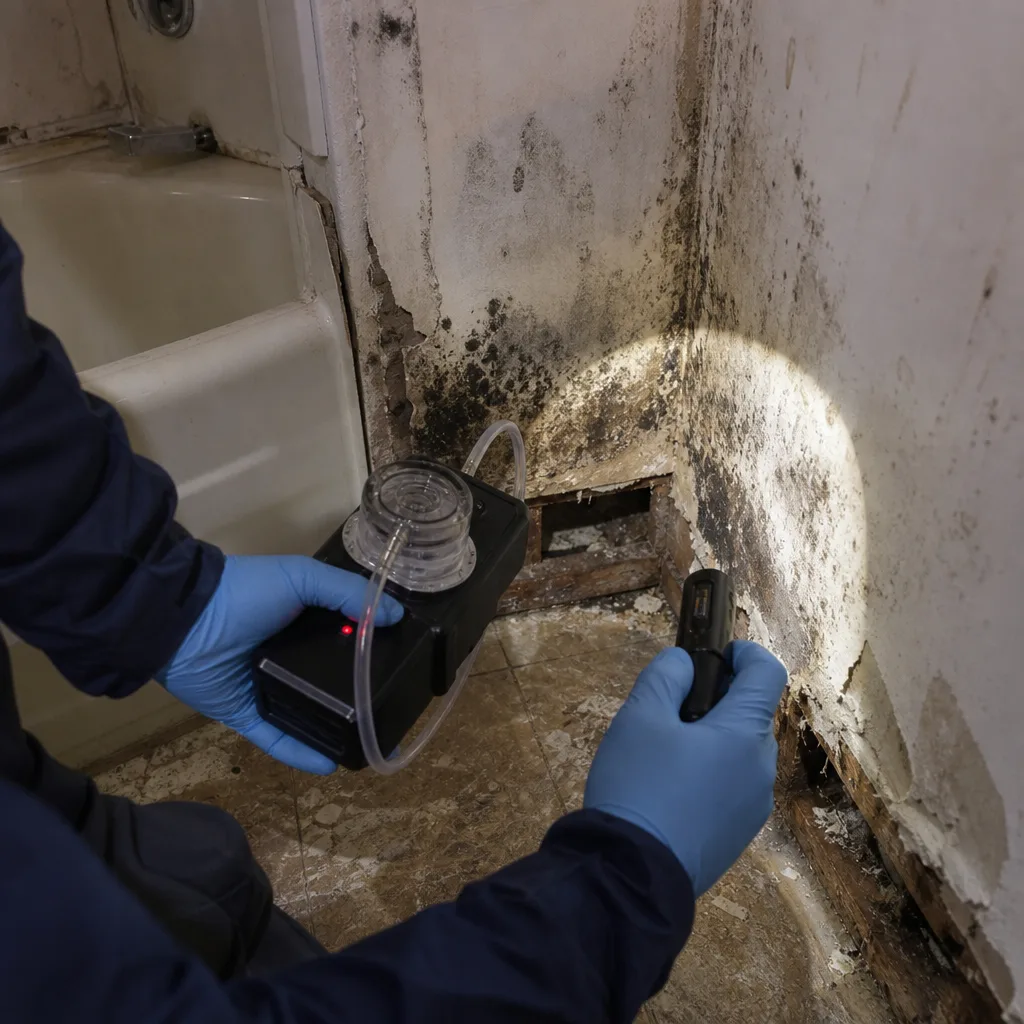
- Waiting for visible damage before acting. By the time drywall stains appear, cavity moisture has typically supported mold growth for 30-60 days. The $30 moisture meter investment prevents the $3,000+ remediation.
- Assuming new construction is immune. Renton’s post-2000 homes with engineered lumber and tight envelopes often fail faster than older homes when moisture breaches the envelope. OSB sheathing degrades at moisture levels that old-growth fir tolerates indefinitely.
- Using bleach on mold. Bleach does not penetrate porous materials and can add moisture that worsens the problem. It also destroys the pigment without killing the hyphae, creating a false sense of resolution while the colony continues growing.
- Neglecting the documentation that supports claims. A photo with a date stamp, a moisture reading with a location note, and a dated narrative paragraph take ten minutes and may determine whether a $20,000 claim is paid. The adjuster who reviews your file six months later was not in your home.
- Accepting verbal estimates for restoration work. Haven Standard, Clause 1 exists because we have seen too many homeowners sign work authorizations with blank price lines, then receive invoices 40% above expectations. A written price before work begins is not a preference. It is protection.
- Ignoring seasonal patterns. Renton’s heaviest rainfall concentrates November through March, but the highest crawl space moisture readings we document come in April and May, when clay soils release stored water and air temperatures rise enough to drive vapor pressure. Seasonal monitoring should extend through the spring.
- Failing to distinguish mitigation from reconstruction. Water extraction, drying, and mold remediation are time-sensitive mitigation services. Rebuilding walls, replacing flooring, and finish carpentry are reconstruction. In Renton’s market, some contractors blur this line, performing reconstruction under urgency pressure before the structure is fully dry. The result is mold in new walls.
When to Call a Professional
Call for professional assessment when moisture meter readings exceed 20% in any structural material, when mold is visible on more than one square foot, when sewage or Category 3 water is present, or when you smell mustiness but cannot locate the source. These thresholds reflect the point where homeowner-level tools and knowledge become insufficient, and where documentation quality increasingly determines insurance outcomes. For how to hire a damage restoration contractor in Renton, see our step-by-step guide.
Also call when you have documented a developing condition and need a written scope to support a claim, or when a competitor has provided an estimate that seems incomplete or unclear. Our Free Second Opinion on any written estimate exists for exactly this situation.
DryMark Restoration Renton offers free estimates in Renton. Call (360) 469-6341. A live person answers every call, 24 hours a day, 7 days a week, with no voicemail on emergency lines. Visit our blog for more guides & resources. Every job is quoted in writing before work begins, documented with a photo record on every visit, and covered by the 365-Day Done Right Promise under The Haven Standard.
Frequently Asked Questions
Most reputable restoration companies in Renton, including DryMark Restoration Renton, provide free estimates for water damage assessment. The estimate should include a written scope with line-item pricing before any work begins. Call (360) 469-6341 for an exact quote - estimates are free.
Coverage depends on whether the damage is classified as sudden occurrence or long-term neglect. Documented warning signs with prompt professional assessment support a claim even if visible damage develops later. Undocumented signs with months of delay before reporting typically result in denial or limitation. The key is what you knew, when you knew it, and what you did about it.
For active water intrusion and sewage backup, speed matters because water continues damaging materials and mold begins developing within 24-48 hours. DryMark Restoration Renton maintains live phone coverage 24 hours a day, 7 days a week with no voicemail on emergency lines. Reconstruction services are scheduled and scoped in writing, not dispatched for same-day arrival.
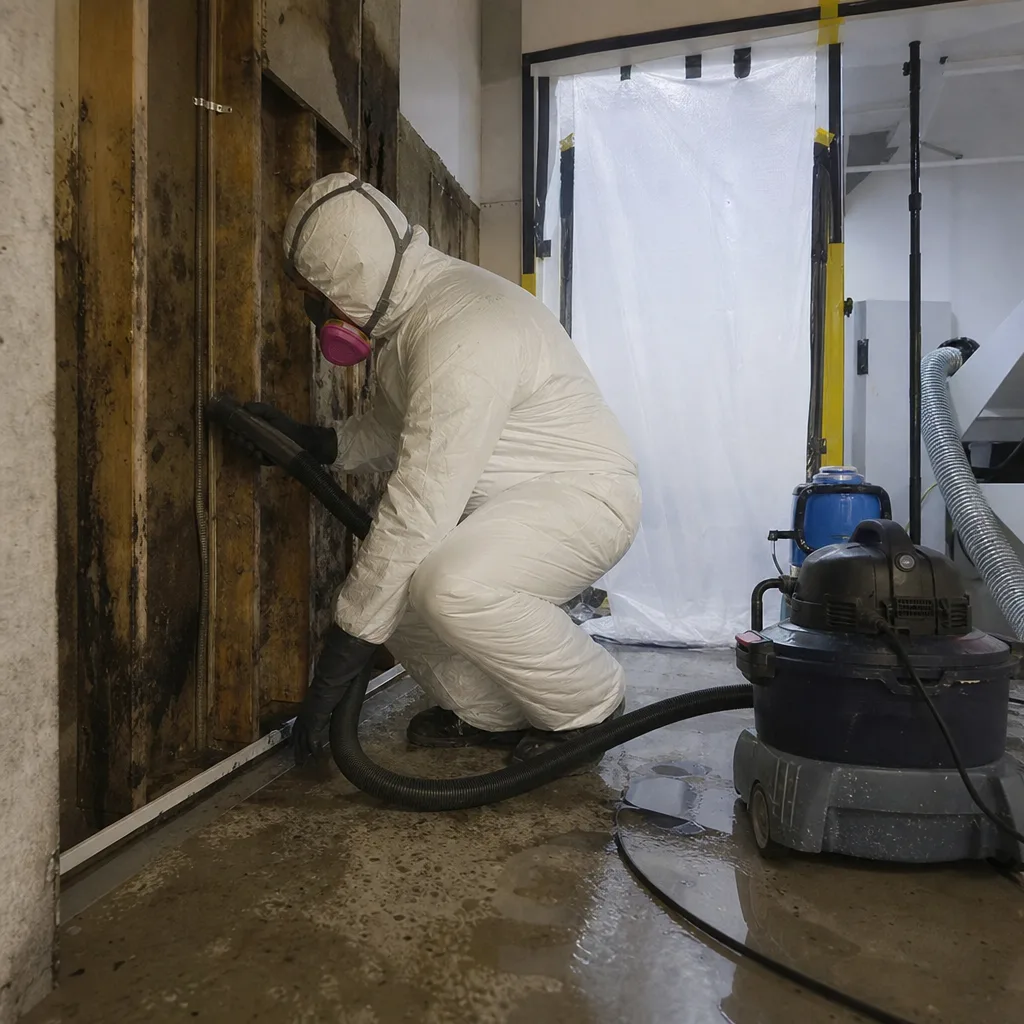
Remediation is required when mold growth exceeds one square foot, involves HVAC systems, or occurs in areas with immune-compromised occupants. Cleaning may suffice for very limited surface growth on non-porous materials with a confirmed dry source. A professional assessment with air and surface sampling removes the guesswork and provides documentation for insurers.
At DryMark Restoration Renton, we coordinate directly with adjusters as part of our standard service. Our daily drying logs, written scopes, and photo-documented assessments are formatted specifically to support claim payment. You are not left to translate technical documentation into language an adjuster will accept.
Wood framing above 20% moisture content demands professional assessment. Between 16% and 20%, increase monitoring and investigate sources. The more important measure is change from your established baseline: a 4-point rise from your October reading, even if still below 16%, indicates active moisture that requires attention. Document the reading, date it, and recheck weekly.
A residential dehumidifier removes approximately 30-70 pints per day and is appropriate for minor humidity control in single rooms. Professional drying systems from Dri-Eaz, Phoenix, and XPOWER move 400+ pints per day, with air movers that create the vapor pressure differential needed to pull moisture from within wall cavities. The equipment is only part of the difference; the psychrometric monitoring and daily moisture logs that document progress to IICRC standards are what turn restoration invoices into payable claims.
The Bottom Line
The homeowners who avoid catastrophic restoration costs are not luckier. They are earlier readers. They measure before they see, document before they assume, and act on numbers rather than waiting for visible confirmation. In Renton’s climate and housing stock, the warning signs are present weeks or months before the damage is visible. A $30 moisture meter, a $15 hygrometer, and the documentation protocol in this guide provide more protection than most insurance riders. When the numbers exceed your thresholds, professional assessment with written scope and documented record is the next step. The alternative is discovering the problem when the paint bubbles, the floor softens, or the insurer asks why no one noticed sooner.
Written by Alicia Brennan, Owner at DryMark Restoration Renton, serving Renton since 2011.