
Last updated September 23, 2026
Free visual inspection and a written scope of work before any mitigation begins - photos, moisture readings, and drying logs go in your claim file
The scope we write is the scope we bill. Anything new gets shown to you, in writing, before we touch it.
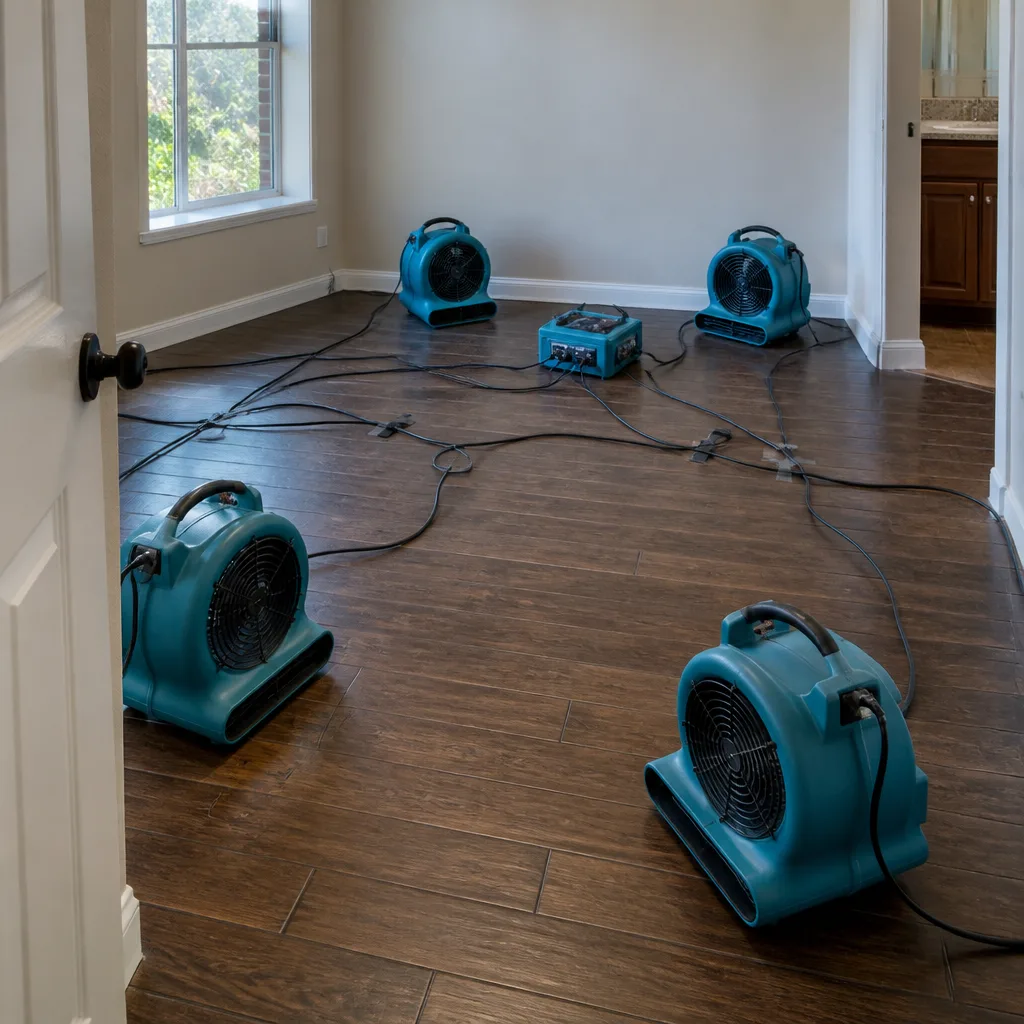
 Before
 After
After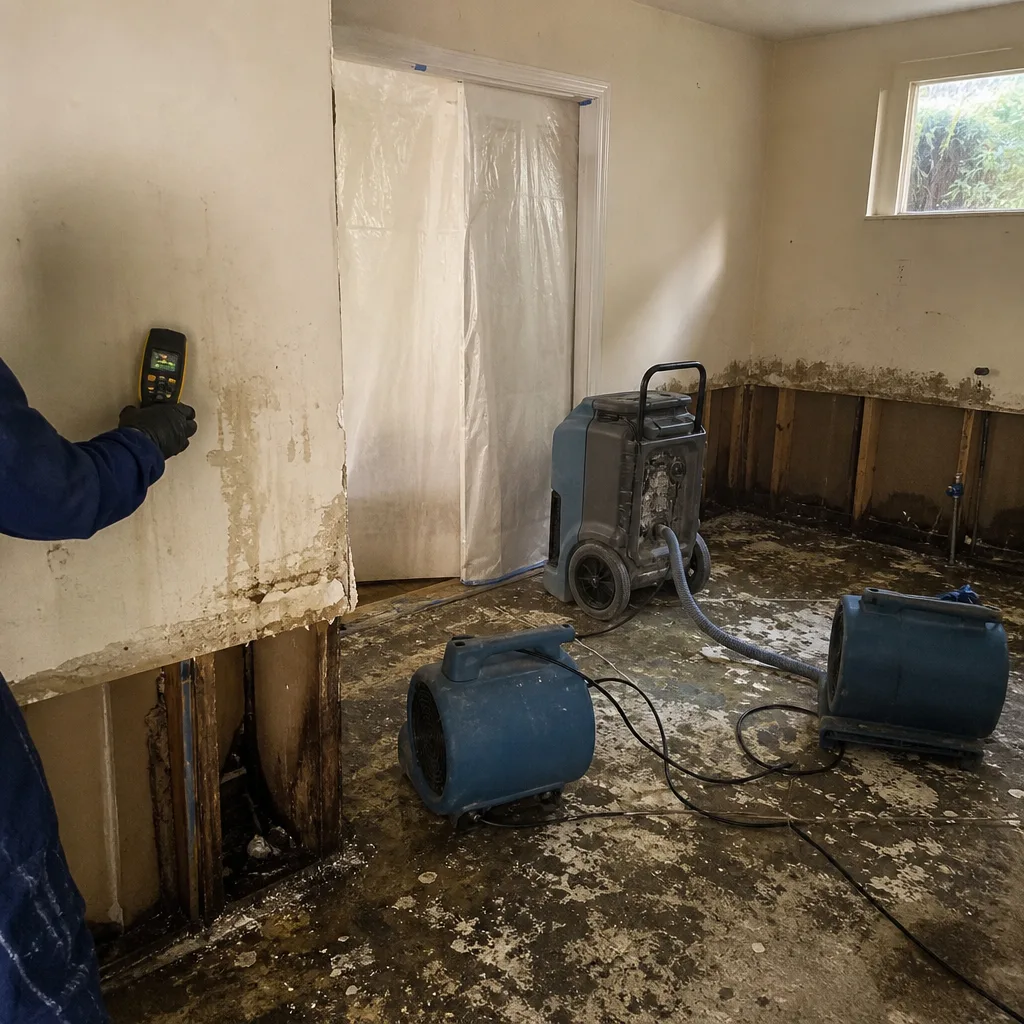 Before
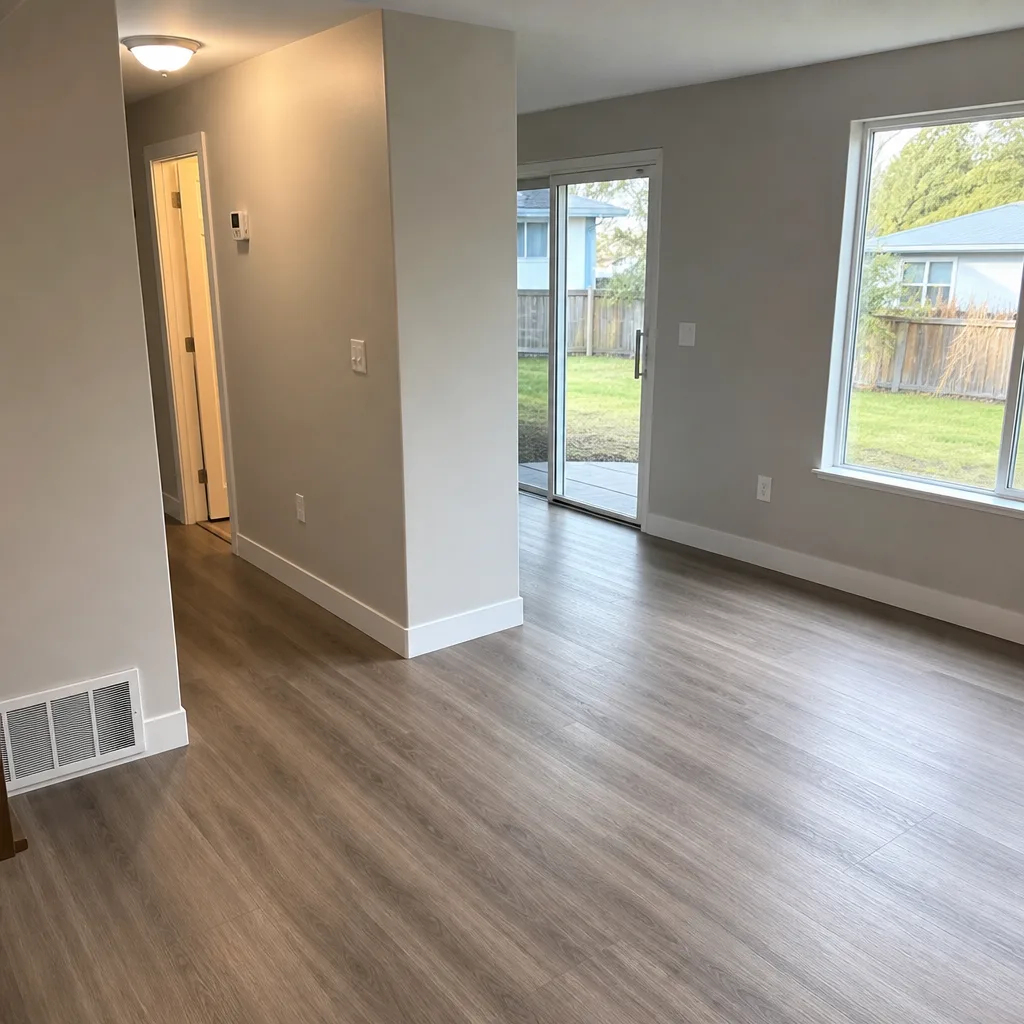 After
After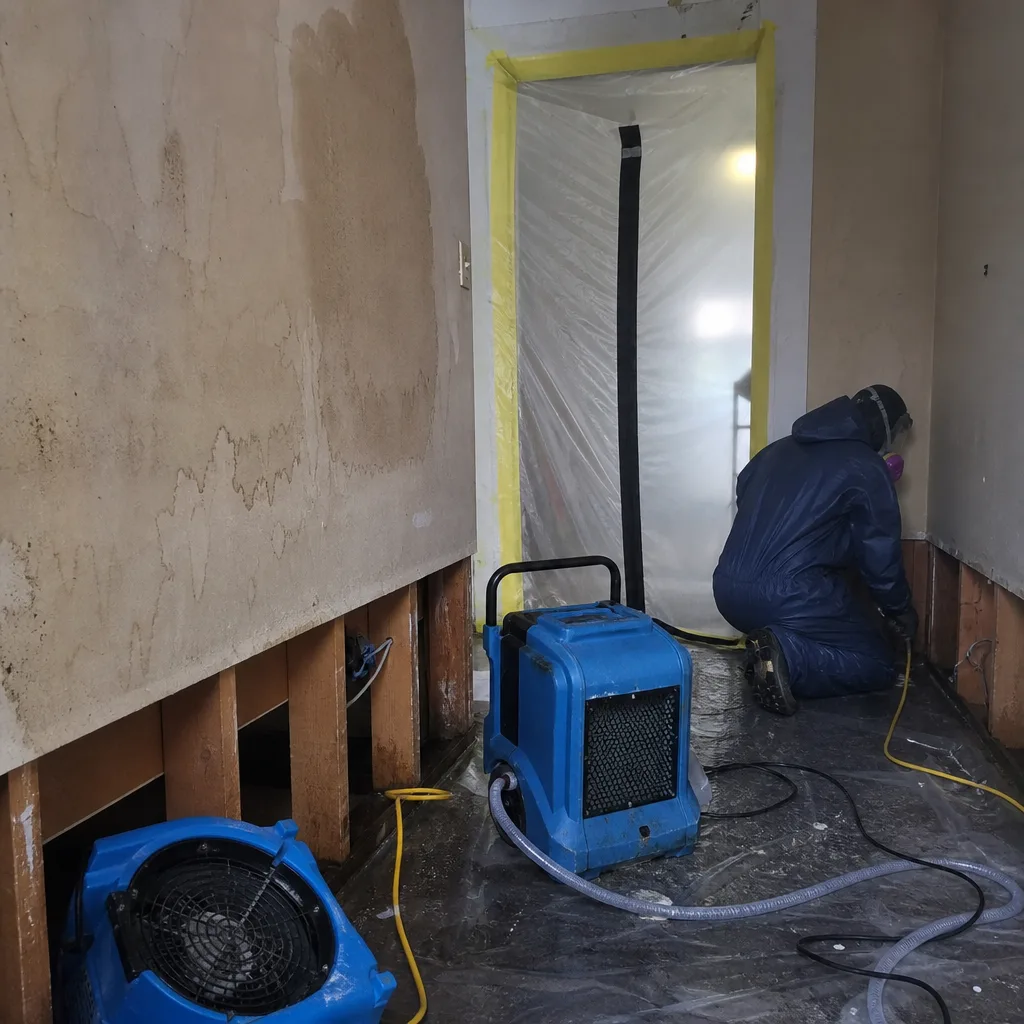 Before
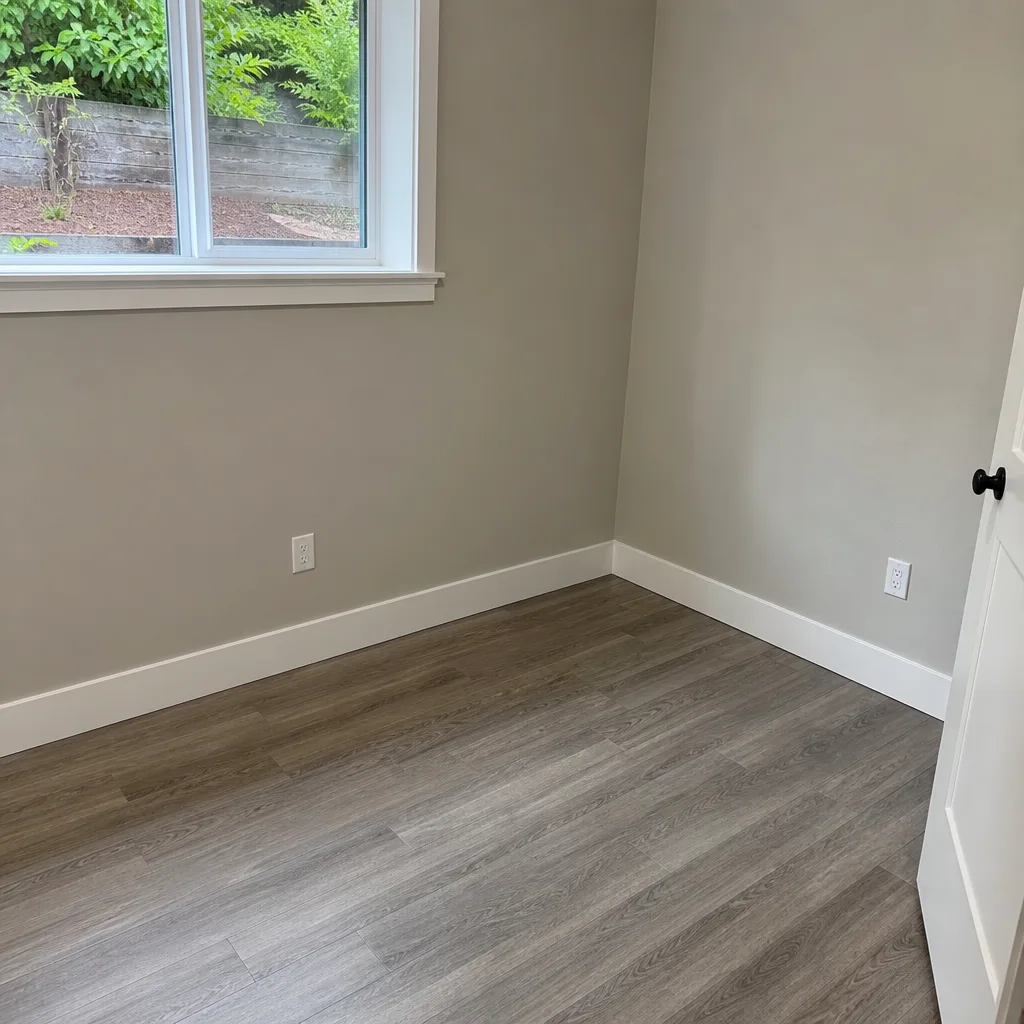 After
AfterDamage Restoration Permits, Codes & Inspections in WA: What You Need to Know
A Renton homeowner replaces storm-damaged structural framing without pulling a building permit. Two years later, a buyer’s lender flags the unpermitted work during a title search. The sale unwinds. The homeowner calls us, asking why their restoration contractor never mentioned this risk. In our experience - and we’ve documented over 12,000 homes since 2011 - this scenario plays out more often than most contractors admit. Washington State’s permit requirements aren’t bureaucratic hurdles. They’re the documentation layer that protects your property’s insurability, your claim’s payability, and your home’s marketability. This guide explains exactly which restoration scopes trigger permits in Renton, how to verify a contractor’s permit history, and why skipping this step creates liability that outlasts the drying equipment by decades.
Quick Answer
Most structural, electrical, and mechanical restoration work in Washington requires a city building permit under RCW 19.27 and local municipal code. In Renton, water damage restoration involving removed drywall, replaced framing, or rewired circuits triggers mandatory permitting through the City of Renton Community & Economic Development Department. Exempt work includes emergency water extraction, surface drying, and non-structural cleaning - but the moment a contractor opens a wall or touches a structural member, permitting rules apply, and unpermitted work can void your insurance coverage or block a future home sale. Learn the warning signs in our Damage Restoration Warning Signs: A Renton Homeowner’s Reference Guide.
Table of Contents
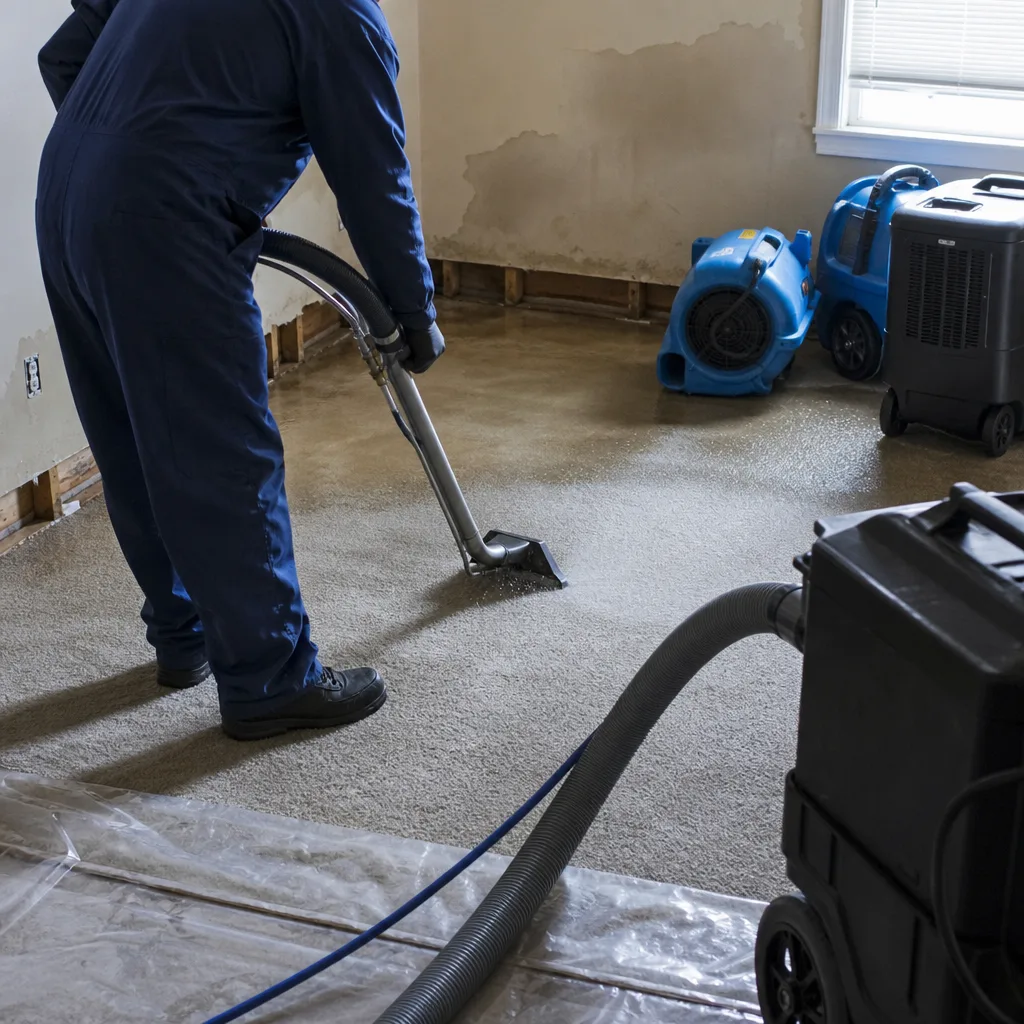
- When Are Permits Required for Restoration Work in Washington?
- The City of Renton Permit Process: Step by Step
- How Inspection Records Support or Challenge Insurance Claims
- Washington State Energy Code: The Hidden Liability in Wall Restoration
- How to Pull Permit History on Your Property Before Hiring Anyone
- What Happens When an Adjuster Finds Unpermitted Restoration Work
- Common Mistakes to Avoid
- When to Call a Professional
- Frequently Asked Questions
BeforeAfterWhen Are Permits Required for Restoration Work in Washington?
Washington State operates under a dual-permit framework: the state building code (adopted under RCW 19.27) sets baseline requirements, and each municipality enforces its own amendments. In Renton, the City of Renton Municipal Code Title 22 adopts the International Building Code (IBC), International Residential Code (IRC), and International Mechanical Code (IMC) with local modifications. Understanding where state law ends and Renton’s specific requirements begin determines whether your restoration project is legally compliant.
Work That Requires a Permit
Permit triggers fall into three categories that restoration contractors encounter regularly:
- Structural repairs: Replacement or repair of load-bearing walls, floor joists, roof rafters, or foundation elements. This includes sistering joists after prolonged water saturation, replacing fire-damaged studs, or reframing walls after mold remediation requires full gutting. Renton Municipal Code 22.100.030 requires permits for “construction, alteration, or repair of any building or structure.”
- Electrical systems: Any work beyond replacing like-for-like outlets or switches. Flood-damaged panels, rewired circuits after fire, or new outlets added during reconstruction all require an electrical permit under RCW 19.28 and inspection by a state-certified electrical inspector. Renton contracts this to the State Department of Labor & Industries or authorized third-party inspectors.
- Mechanical and plumbing systems: Replacement of HVAC ductwork, water heaters, or plumbing fixtures beyond simple swaps. The IMC and International Plumbing Code (IPC) apply here, with Renton-specific amendments for seismic strapping and earthquake shutoff valves.
Work Typically Exempt
Emergency mitigation - the work that happens in the first 24-72 hours - generally falls outside permit requirements:
- Water extraction using truck-mounted or portable extraction systems from Dri-Eaz or Phoenix
- Surface drying with air movers and LGR dehumidifiers
- Contents cleaning and pack-out
- Non-structural antimicrobial application (with EPA-registered products)
- Smoke and odor mitigation using hydroxyl generators or ozone (unoccupied spaces only)
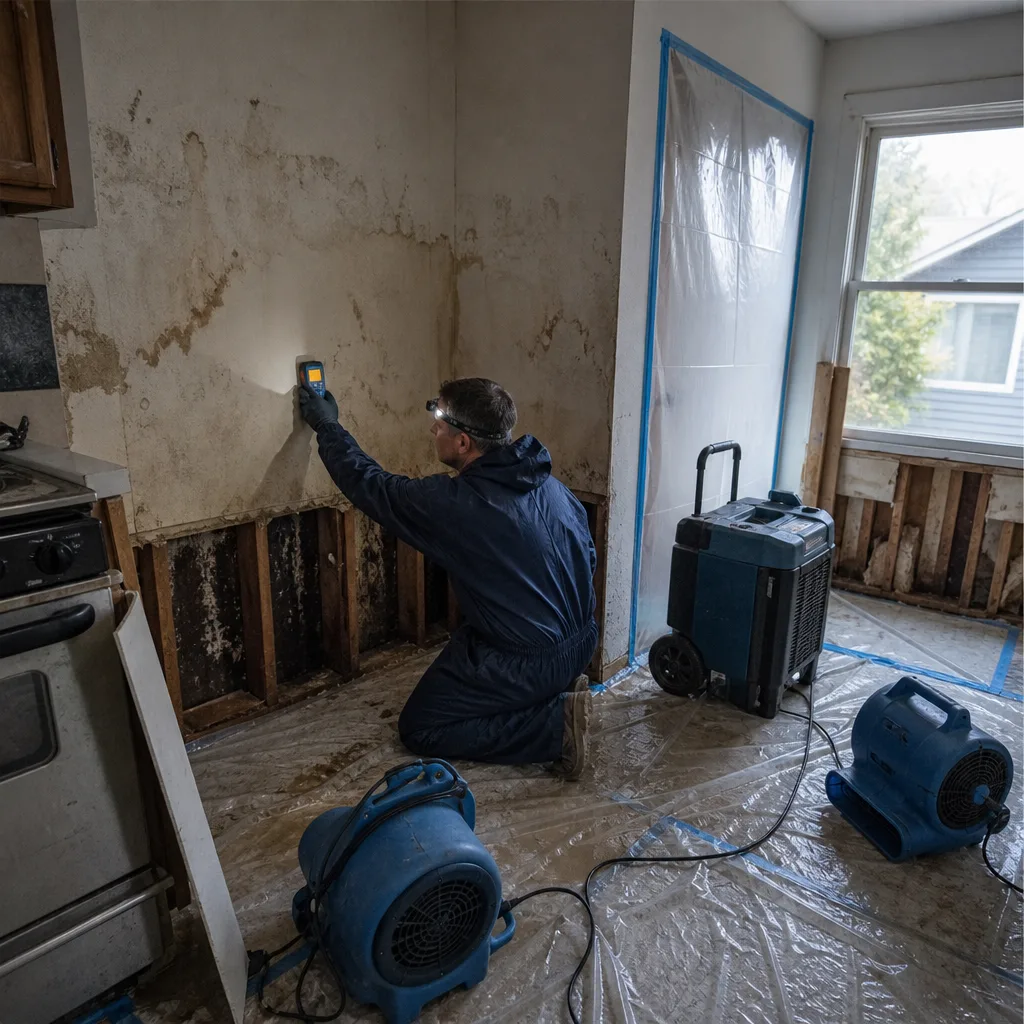
The critical boundary: once a contractor removes drywall to expose framing, replaces insulation, or cuts into wall cavities for drying access, they’ve crossed into permit territory. Many contractors blur this line, performing “emergency” demolition that exceeds exempt scope. We’ve seen this in Renton’s Benson Hill neighborhood, where contractors removed four feet of drywall throughout a flooded basement without permits, then installed new framing and electrical. The homeowner discovered the violation when selling in 2023.
The Documentation Gap
Here’s where Haven Standard, Clause 1 matters: our written scope specifies exactly which phase of work requires permitting, who obtains the permit, and how inspection scheduling integrates with the drying timeline. A restoration invoice without permit documentation is an incomplete record. When we document a job with our photo record on every visit, we include permit application numbers, inspector sign-offs, and correction notices - the same documentation we produce for 12,000+ homes restored since 2011.
The City of Renton Permit Process: Step by Step
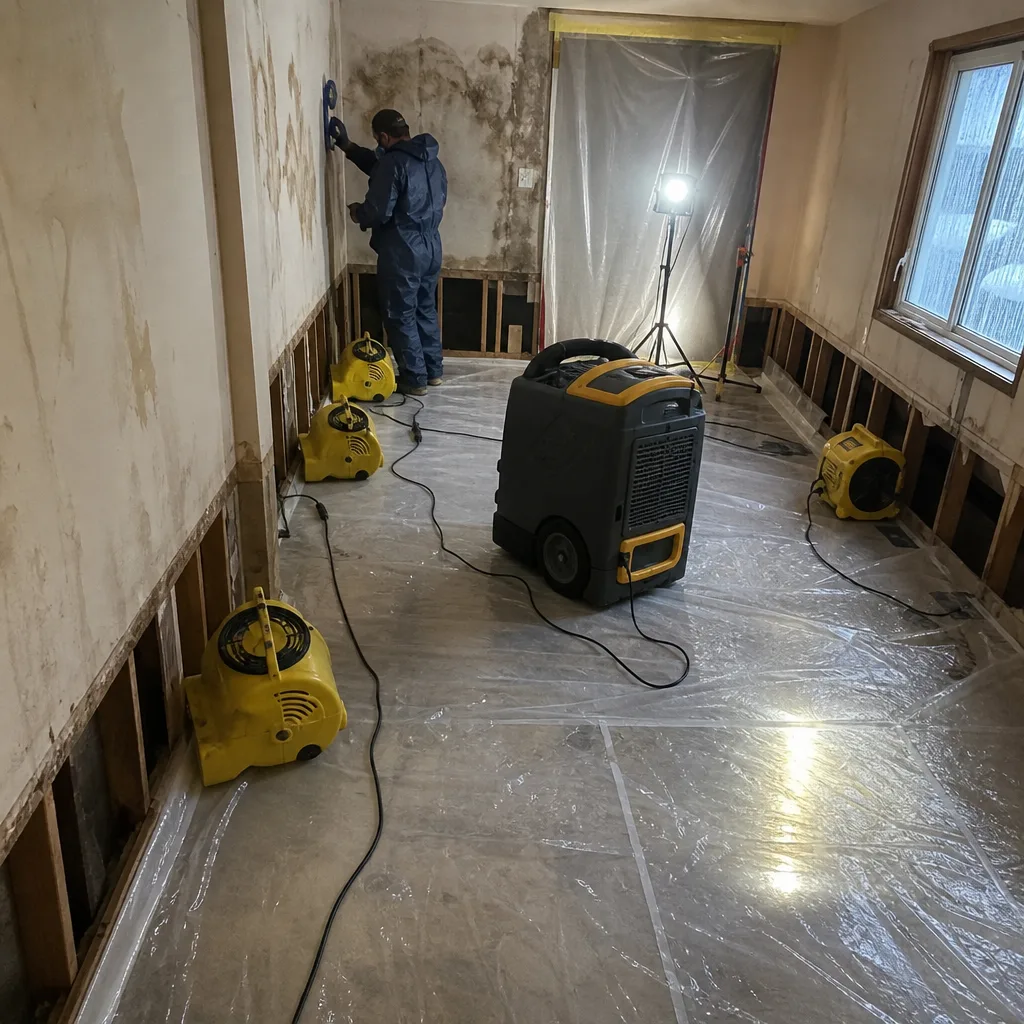
Renton processes building permits through its Community & Economic Development Department, located at 1055 South Grady Way. For restoration contractors and homeowners, understanding this workflow prevents the delays that extend moisture damage or push reconstruction into secondary mold growth.
- Determine permit type: Building permits cover structural and finish work. Electrical permits are separate, processed through L&I or Renton’s contracted inspector. Plumbing and mechanical permits may be combined or separate depending on scope. For a typical water damage reconstruction - drywall, framing, insulation, paint - you’ll need a building permit. If circuits were damaged, add electrical.
- Prepare documentation: Renton requires plans showing existing and proposed conditions, a site plan for exterior work, and energy code compliance documentation (detailed in the next section). For restoration work, we submit the moisture mapping report, thermal imaging documentation, and the written scope as supporting evidence. This connects the permit to the insurance claim record.
- Submit application: Online submission through Renton’s permit portal is preferred. Paper applications are accepted but add 3-5 business days. Fees are calculated by valuation - for restoration, this means the contractor’s bid amount. A $15,000 reconstruction job carries a permit fee of approximately $285-$340 in Renton (building permit only; electrical additional).
- Plan review: Simple restoration projects qualify for over-the-counter review if they don’t involve structural calculations or zoning issues. Complex projects - those affecting load paths, requiring engineered drawings, or in historic districts - route to full plan review, typically 2-4 weeks. Renton’s Highlands and Downtown Historic District have additional design review requirements.
- Issue permit and schedule inspections: Once issued, the permit must be posted on-site. Inspections are scheduled through Renton’s online system or by phone. Critical inspection points for restoration include: rough framing (before drywall), insulation (for energy code compliance), and final inspection. Electrical has separate rough and final inspections.
- Final approval and certificate of occupancy: All correction notices must be resolved. The final inspection generates a closed permit record, which feeds into the property’s permanent file. This closed record is what future buyers, lenders, and insurers will see - or not see, if the work was unpermitted.
Timeline reality: in our experience with Renton permits, over-the-counter building permits issue same-day to 3 business days. Full plan review adds 2-4 weeks. Emergency repairs may proceed with a temporary authorization, but this requires active communication with the inspector and does not exempt the permit requirement.
How Inspection Records Support or Challenge Insurance Claims
Insurance claims and building permits intersect in ways most homeowners don’t anticipate. An inspection record is an independent third-party assessment of whether work was performed to code. It carries evidentiary weight that a contractor’s invoice - or even their photo documentation - cannot match.
When Inspection Records Support Claims
A properly permitted and inspected restoration creates a documentation chain that validates the contractor’s invoice:
- The permit application establishes scope and valuation at a specific date
- Rough inspections verify that hidden work (framing, plumbing, electrical) was actually performed before concealment
- Final inspections confirm code compliance, creating a rebuttable presumption of proper workmanship
- Closed permit records become public documents, accessible to adjusters, lenders, and future buyers
We’ve used this documentation chain in claim disputes where carriers questioned whether reconstruction was necessary or properly priced. In one Renton case involving a second-story leak into a first-floor kitchen, the carrier’s independent adjuster disputed our $34,000 reconstruction scope. We produced the permit application, three inspection sign-offs, and the final certificate - all cross-referenced to our daily drying logs and photo record. The claim paid in full. The permit record was the difference.
When Inspection Records Contradict Contractors
The same mechanism works against contractors who cut corners. If a permit was pulled but failed inspection - for inadequate insulation, improper electrical grounding, or structural deficiencies - that failure is a public record. It can trigger:
- Carrier denial of the reconstruction portion of a claim
- Subrogation against the contractor’s general liability policy
- Requirement that the homeowner pay for corrective work before the carrier releases depreciation holdback
This is why Haven Standard documentation includes permit numbers, inspector names, and correction resolutions in the job file we deliver to every customer. A contractor who won’t show you their inspection history is a contractor with something to hide.
The Adjuster’s Perspective
Our founder built Back to Dry after working as a claims adjuster and seeing how documentation gaps killed legitimate claims. Adjusters are trained to look for permit records on any reconstruction over $10,000. The absence of a permit doesn’t automatically deny a claim, but it shifts the burden of proof. The contractor must then demonstrate code compliance through other means - typically more expensive expert testimony or destructive testing. Permits are cheaper insurance than litigation.
Washington State Energy Code: The Hidden Liability in Wall Restoration
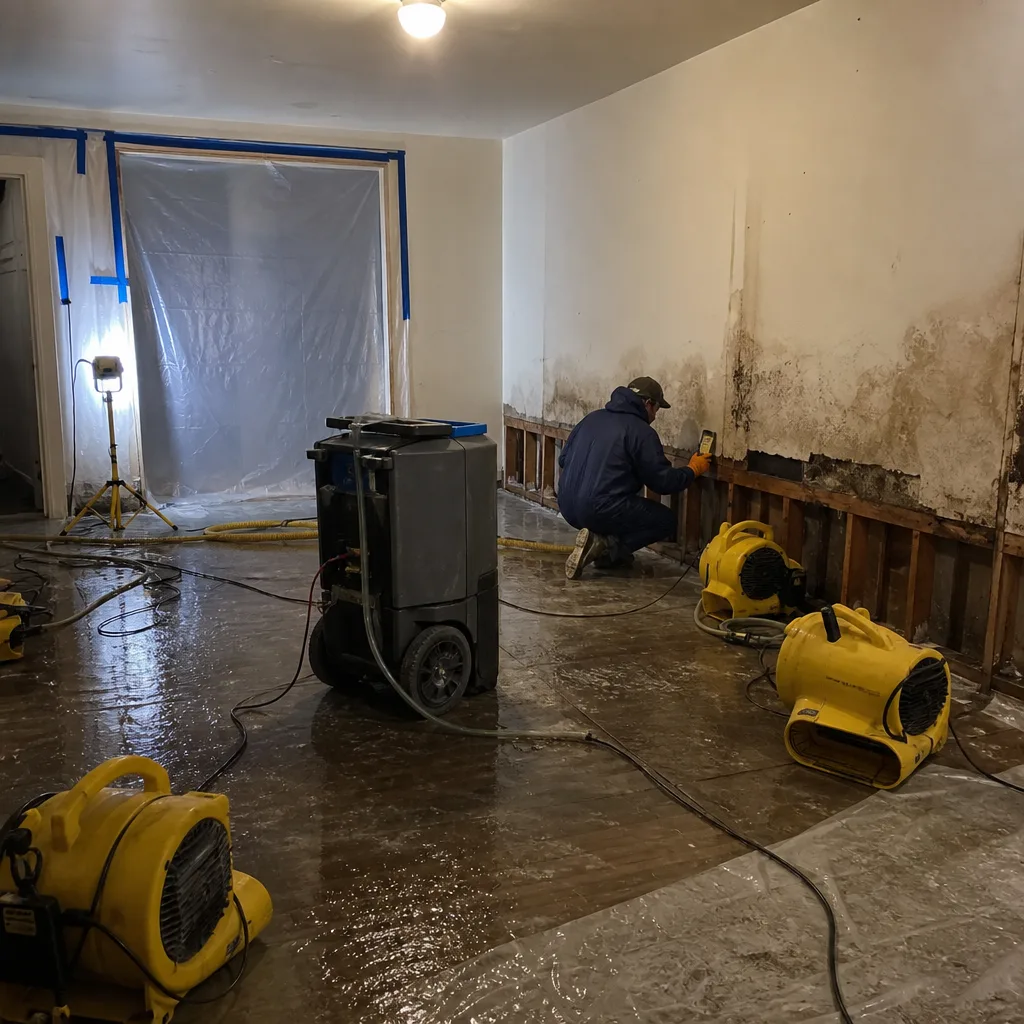
Here’s a detail competitors miss: when restoration opens an exterior wall cavity, Washington State Energy Code (WSEC) compliance becomes mandatory, not optional. This isn’t a green-building preference. It’s a code requirement with enforcement teeth that can derail a closing or trigger a carrier’s re-inspection.
The Trigger: Substantial Replacement
WSEC 2018, adopted statewide with local amendments, requires that when more than 30 square feet of exterior wall cavity is exposed during repair or alteration, the affected wall assembly must meet current energy code standards. For restoration, this means:
- Insulation R-values must meet or exceed current code minimums (typically R-21 for 2×6 walls, R-13 for 2×4 walls in Renton’s climate zone)
- Air sealing at penetrations, plates, and openings is mandatory
- Window and door replacements must meet U-factor and SHGC requirements
- Continuous insulation may be required depending on wall assembly type
The 30-square-foot threshold is surprisingly easy to cross. A water line break in an exterior kitchen wall, a leaking window causing rot in the surrounding framing, or fire damage requiring stud replacement - any of these can expose sufficient cavity area to trigger WSEC compliance.
The Liability Cascade
Ignoring WSEC requirements creates a secondary liability chain. The permit inspector will flag inadequate insulation during rough or final inspection. The correction requires reopening finished walls. The homeowner pays twice for the same finish work. If the original contractor is unresponsive, the homeowner bears the cost or pursues a bond claim.
Worse: unpermitted work that skips WSEC compliance may not be discovered until a future sale. A buyer’s inspection, a lender’s appraisal, or a title company’s search can surface the gap. In Renton’s competitive market, where homes in the Kennydale and Talbot Hill areas routinely sell above ask, a permit gap can be the defect that kills a multiple-offer situation.
How We Document Energy Code Compliance
Our written scope specifies WSEC compliance as a line item when wall cavities are affected. We photograph insulation installation, air sealing details, and vapor barrier continuity. These photos join the daily drying logs and permit records in the job file. For insurance purposes, this documentation demonstrates that reconstruction costs include code-required upgrades, which most policies cover under Ordinance or Law coverage - if the documentation proves the upgrade was mandated, not elective.
How to Pull Permit History on Your Property Before Hiring Anyone
Due diligence on a restoration contractor starts with due diligence on your own property. The City of Renton maintains permit records back to the 1980s in its online portal, and these records reveal patterns that contractor references won’t. For a complete walkthrough, see How to Hire a Damage Restoration Contractor in Renton: A Step-by-Step Guide.
Step-by-Step: Renton Permit Search
- Access the portal: Navigate to the City of Renton permit search at the Community & Economic Development Department website. No account is required for basic property searches.
- Search by address: Enter your full property address. The system returns all permit records associated with that parcel, including building, electrical, plumbing, mechanical, and land use permits.
- Review closed permits: Look for permits with “Final” or “Completed” status. Note the permit number, contractor name, issue date, and final inspection date. A permit without a final inspection is an open violation, even if work appears finished.
- Identify red flags: Multiple permits for the same scope suggest failed inspections or contractor changes. Permits in names you don’t recognize may indicate unlicensed work by a previous owner. Gaps where you know work was performed suggest unpermitted construction.
- Request detailed records: For permits over five years old, the online summary may be incomplete. Submit a public records request to Renton CED for the full file, including inspection notes and correction notices. There may be a nominal fee for printing.
What to Ask Your Contractor
Before signing any restoration agreement, verify:
- Will you pull all required permits, or is that my responsibility? (Correct answer: the contractor, for work they perform)
- What is your permit history at this address? (If they performed prior work, it should appear in the portal)
- Will the written scope include permit fees, or are those additional? (Haven Standard, Clause 1: the written price includes all costs before work begins)
- How do you handle inspection scheduling without extending the drying timeline?
We’ve reviewed competitor estimates where permit fees were omitted entirely, then added as a “change order” after demolition. That’s scope creep, and it’s why our written price is delivered before anyone starts work - every time, with no exceptions. For help deciding who to hire, read DIY vs Professional Damage Restoration: The Renton Homeowner’s Decision Guide.
What Happens When an Adjuster Finds Unpermitted Restoration Work
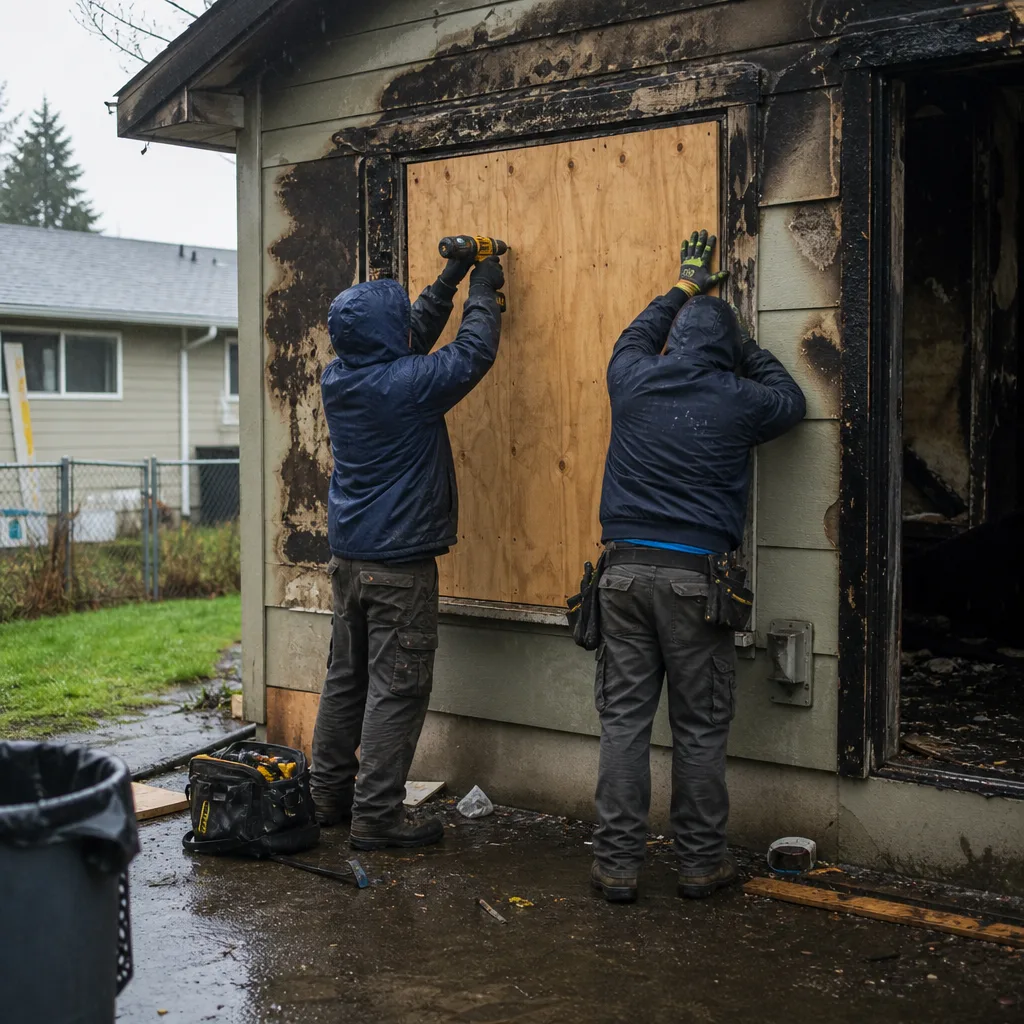
This is where the abstract risk becomes concrete financial loss. Insurance carriers conduct re-inspections for multiple reasons: large loss protocols, suspicion of fraud, or simply random quality assurance. When an independent adjuster discovers unpermitted reconstruction, specific claim outcomes follow predictable patterns.
Scenario 1: Active Claim, Work in Progress
The adjuster halts payment on the reconstruction portion pending permit verification. The homeowner must retroactively permit the work - which may require exposing finished surfaces for inspection. If the work fails inspection, the carrier may deny the reconstruction line item entirely, arguing that the contractor’s non-compliance voids the “like kind and quality” replacement standard. The homeowner is left negotiating with the contractor or pursuing their errors and omissions coverage.
Scenario 2: Claim Closed, Future Loss
A subsequent loss - even unrelated - draws adjuster attention to the property’s permit history. Unpermitted prior restoration may be cited as a contributing factor. A basement that flooded in 2022 and was “repaired” without permits floods again in 2025. The carrier’s engineer notes inadequate drainage improvements, unpermitted sump pump installation, or non-code-compliant foundation work. The new claim faces partial denial based on pre-existing conditions that were never properly remediated.
Scenario 3: Property Sale or Refinance
The title search or appraisal reveals unpermitted work. The buyer’s lender requires permit clearance before funding. The seller must either obtain retroactive permits (often impossible without destructive inspection) or credit the buyer for estimated remediation costs. In Renton’s market, this can mean a $15,000-$40,000 price reduction or a collapsed sale. The original restoration contractor is long gone, their warranty unenforceable.
Prevention: Documentation as Defense
Our 365-Day Done Right Promise under The Haven Standard includes permit compliance verification. If we performed your restoration, your job file contains the permit record, inspection sign-offs, and closed status confirmation. We deliver this documentation as a standard deliverable, never an upsell. When a Renton homeowner needed to prove code compliance for a 2024 refinance, we produced their complete file from 2019 within 24 hours. The loan funded on schedule.
Common Mistakes to Avoid
- Assuming emergency work exempts everything: Water extraction doesn’t need a permit, but the drywall and framing replacement that follows does. Contractors who blur this distinction leave you holding the violation.
- Accepting “the homeowner pulls the permit”:strong> In Renton, the party performing the work should pull the permit. A contractor who asks you to obtain it may be unlicensed, avoiding liability, or planning to perform work their license doesn’t cover.
- Ignoring open permits from prior work: That kitchen remodel from 2018 with no final inspection? It can block your restoration permit until resolved. Check your history before the emergency.
- Skipping energy code upgrades to “save the deductible”: WSEC compliance isn’t optional. The inspector will catch it, and the correction costs more than doing it right the first time. Most policies cover code upgrades under Ordinance or Law if documented properly.
- Not photographing permit postings: The permit card must be visible on site. Photo-document it, along with inspector business cards and correction notices. This creates a contemporaneous record if disputes arise.
- Hiring based on speed alone: “We’ll start tomorrow, no permit needed” is a warning, not a selling point. Proper permitting adds 3-10 days to a typical restoration timeline. Unpermitted speed buys you years of liability.
- Failing to verify contractor license against permit records: Washington State requires restoration contractors to be registered with L&I. Cross-check the contractor’s name on your permit application against their registration. Mismatches suggest subcontracting without disclosure or worse.
When to Call a Professional
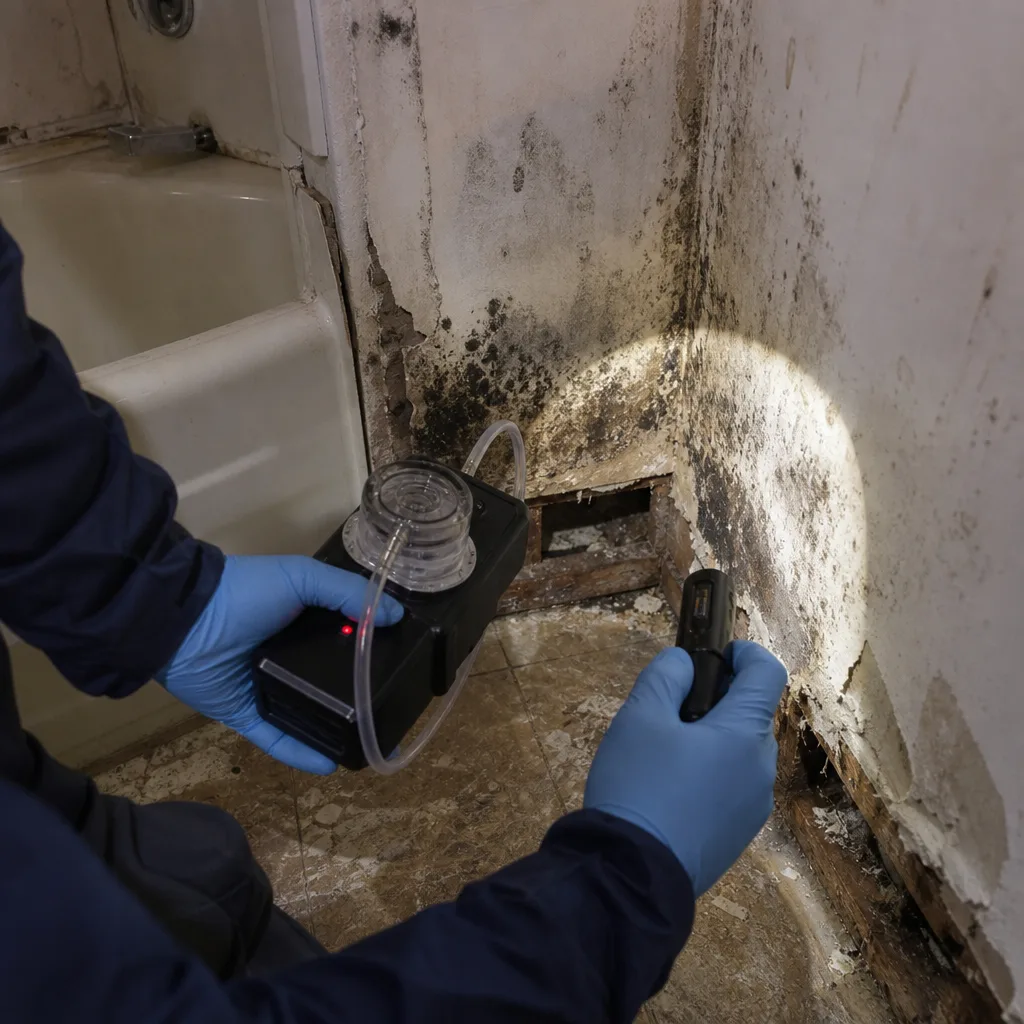
Call a professional when your loss involves structural elements, electrical systems, or exterior wall cavities - the permit triggers we’ve detailed throughout this guide. Call when your insurance carrier has assigned an adjuster and you need documentation that will survive their review. Call when you’re unsure whether prior work on your property was properly permitted and closed. For more guides & resources, see our blog.
At DryMark Restoration Renton, we provide water damage restoration in Renton, mold remediation in Renton, and fire & smoke damage restoration in Renton with permit compliance built into every written scope. Our documentation - daily moisture logs, photo records on every visit, and closed permit files - turns restoration invoices into claims that pay without dispute. We offer free estimates in Renton. Call (360) 469-6341 to discuss your property’s permit history and your restoration needs.
Frequently Asked Questions
No. Emergency water extraction, surface drying with air movers and dehumidifiers from manufacturers like Dri-Eaz and Phoenix, and non-structural antimicrobial application are exempt. The permit requirement triggers when structural members are repaired or replaced, electrical systems are modified, or exterior wall cavities are opened beyond 30 square feet. If your contractor is removing drywall or touching framing, ask to see the permit application before demolition starts.
Building permit fees are based on project valuation. For a typical reconstruction scope of $15,000, expect approximately $285-$340 for the building permit alone. Electrical, plumbing, and mechanical permits carry separate fees. These costs are typically covered by insurance under Ordinance or Law coverage if the permit is code-mandated and properly documented. At DryMark Restoration Renton, permit fees are included in our written price before work begins - no surprise additions. Call (360) 469-6341 for a free estimate with full cost disclosure.
You can list it, but you may not close. Lenders and title insurers flag unpermitted structural, electrical, and mechanical work during due diligence. The specific risk in Renton’s market: buyer competition means offers include inspection contingencies that savvy buyers use to renegotiate or withdraw. Unpermitted work discovered during this process typically forces a price reduction of $15,000-$40,000 or requires costly retroactive permitting with destructive inspection. The original contractor’s verbal warranty won’t help if they’re out of business.
Most homeowners policies include Ordinance or Law coverage, typically 10-25% of the dwelling limit, specifically for code-mandated upgrades during covered losses. The key is documentation proving the upgrade was required by current code, not elective. Our written scopes specify WSEC compliance as a code requirement with citation, and our permit records provide the third-party verification carriers require. Without this documentation, carriers may classify upgrades as improvements and deny coverage.
Search the City of Renton permit portal by your property address. All permits associated with your parcel appear in the record, including contractor name, permit type, issue date, and final status. If the contractor performed work they claim was permitted but no record exists, that’s a material misrepresentation. We encourage every homeowner to verify our permit history this way - our work since 2011 is documented and searchable.
The inspector issues a correction notice specifying the deficiency - inadequate insulation, improper electrical grounding, structural connection details, or energy code non-compliance. The contractor must correct the deficiency and schedule re-inspection before proceeding. At DryMark Restoration Renton, we build inspection scheduling into our project timeline and address corrections immediately. Our photo record documents each correction for the job file. Contractors who avoid permits to skip this quality control are contractors who can’t survive scrutiny.
The Bottom Line
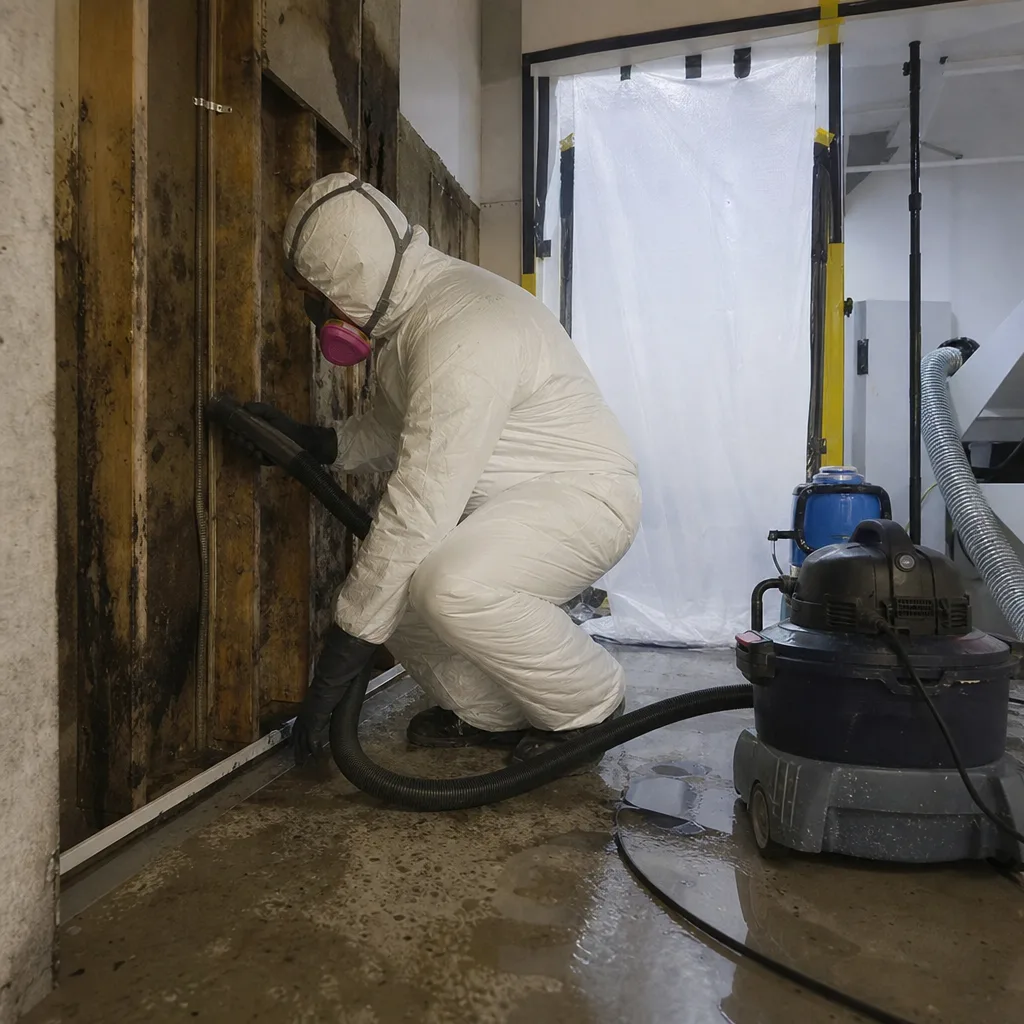
Permits aren’t obstacles to restoration. They’re the documentation infrastructure that makes restoration defensible - to insurers, to buyers, to lenders, and to your own future peace of mind. In Washington, the dual framework of state law and municipal enforcement creates complexity that rewards preparation and punishes corner-cutting. In Renton specifically, the permit portal’s accessibility means there’s no excuse for ignorance: you can verify your property’s history, your contractor’s compliance, and your own exposure in minutes. The homeowners who fare best are those who treat permits as part of the restoration deliverable, not an afterthought. That’s the approach we’ve applied to 12,000+ homes since 2011, and it’s why our documentation holds up when others fail.
Written by Alicia Brennan, Owner at DryMark Restoration Renton, serving Renton since 2011.