
Last updated September 23, 2026
Free visual inspection and a written scope of work before any mitigation begins - photos, moisture readings, and drying logs go in your claim file
The scope we write is the scope we bill. Anything new gets shown to you, in writing, before we touch it.
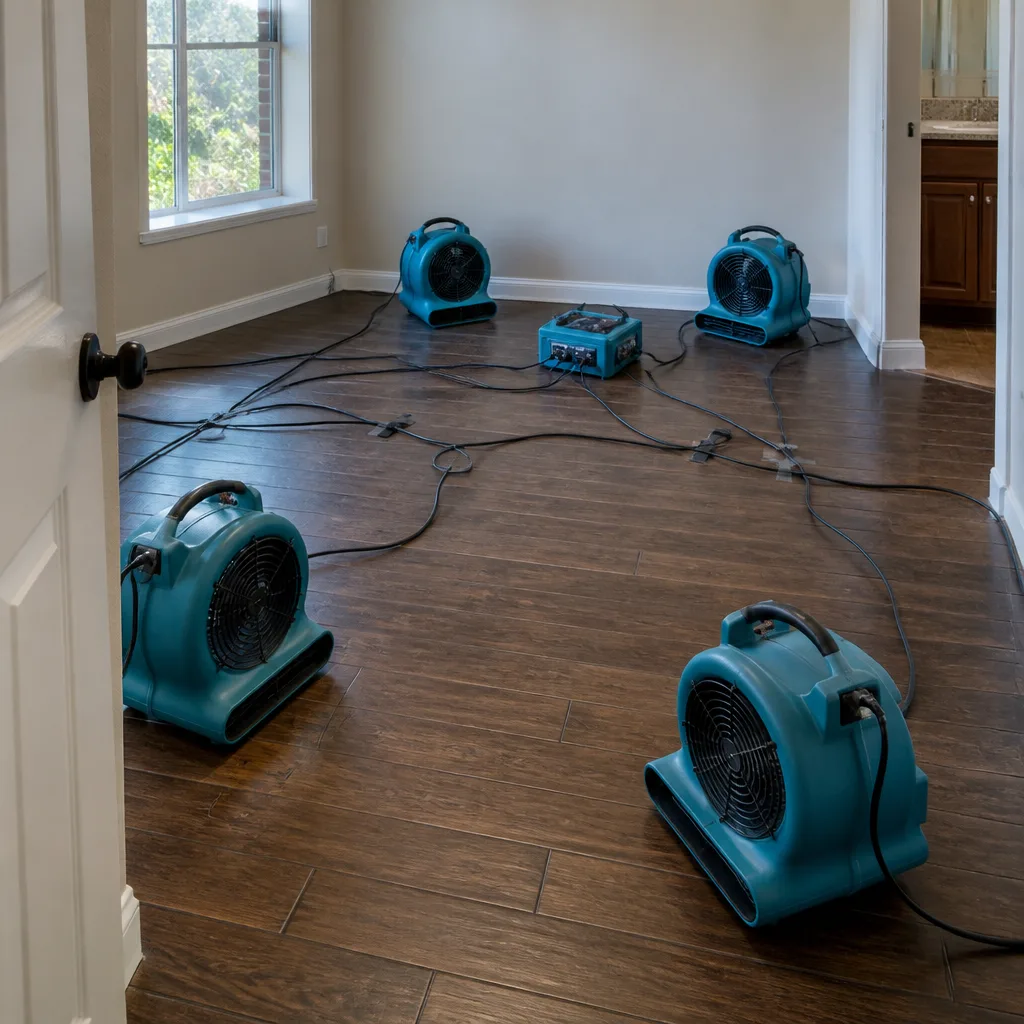
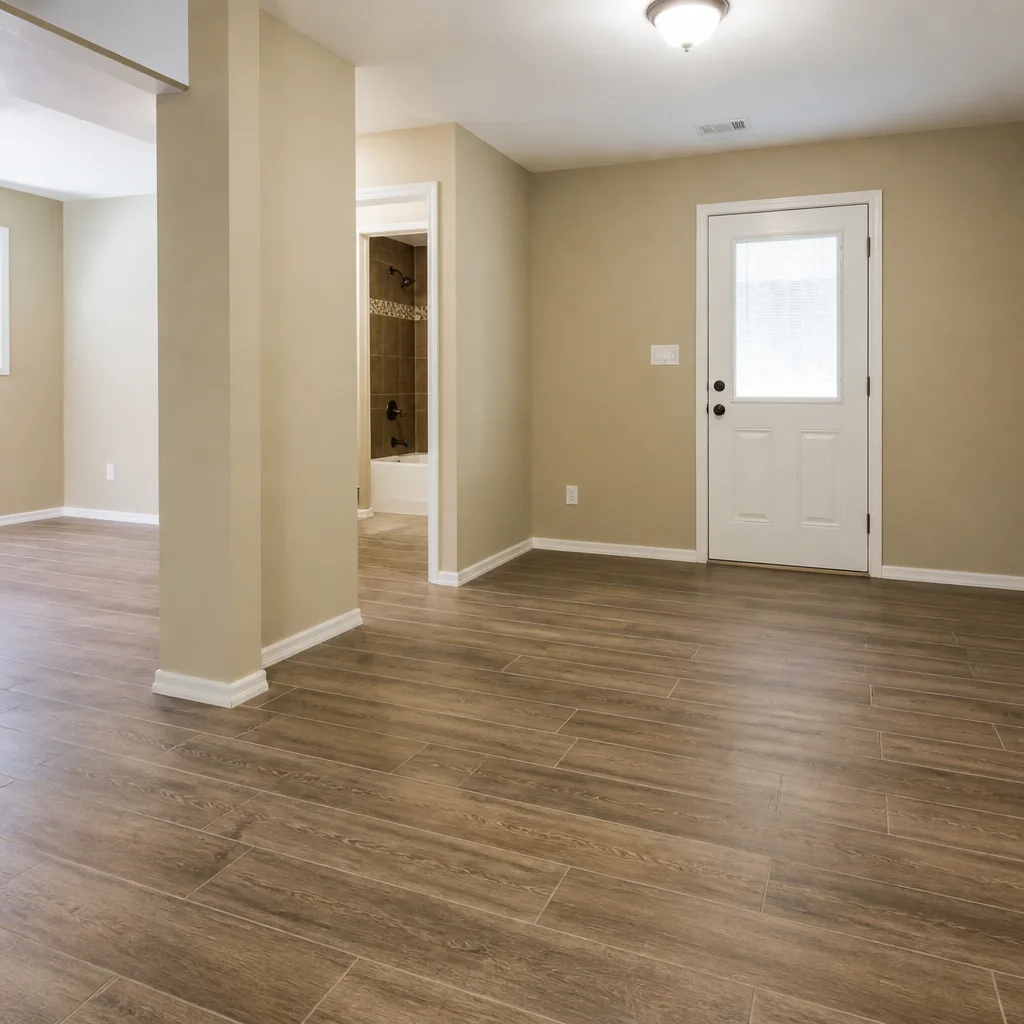
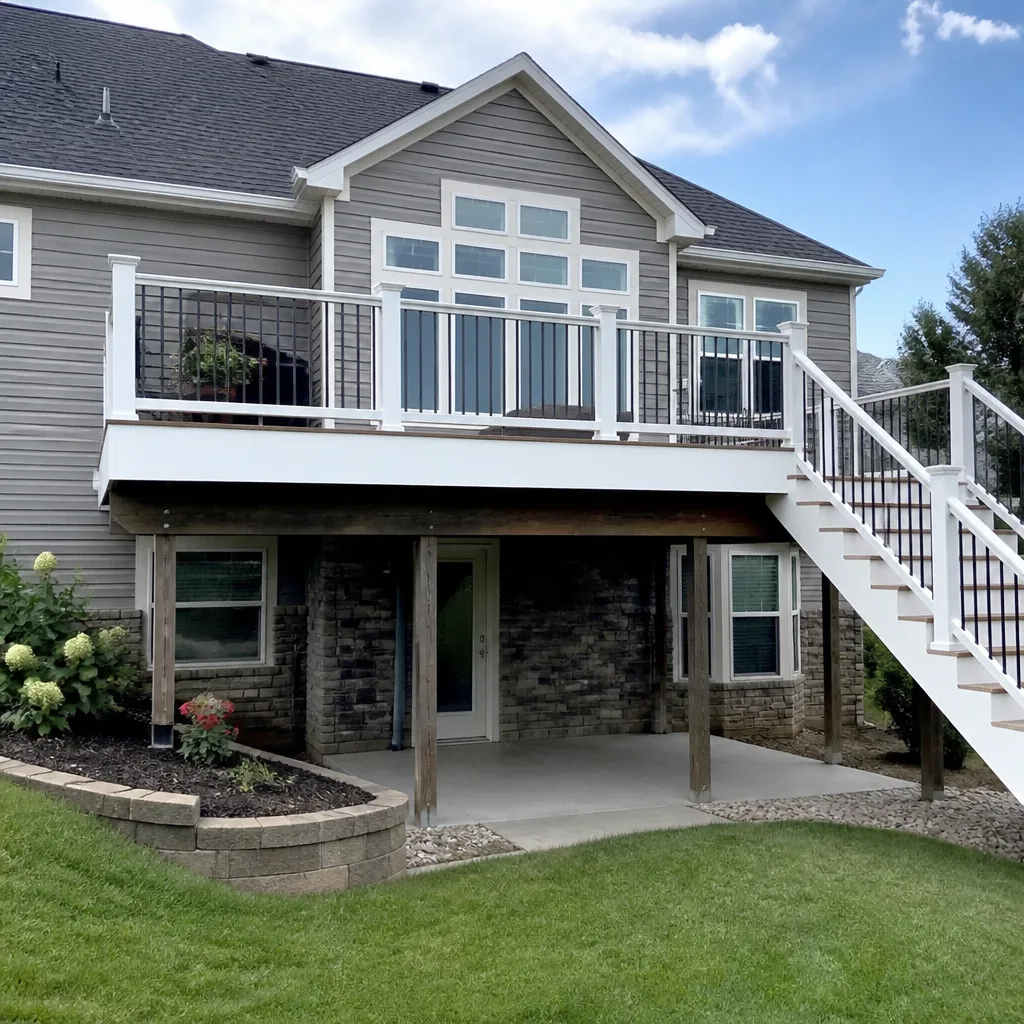
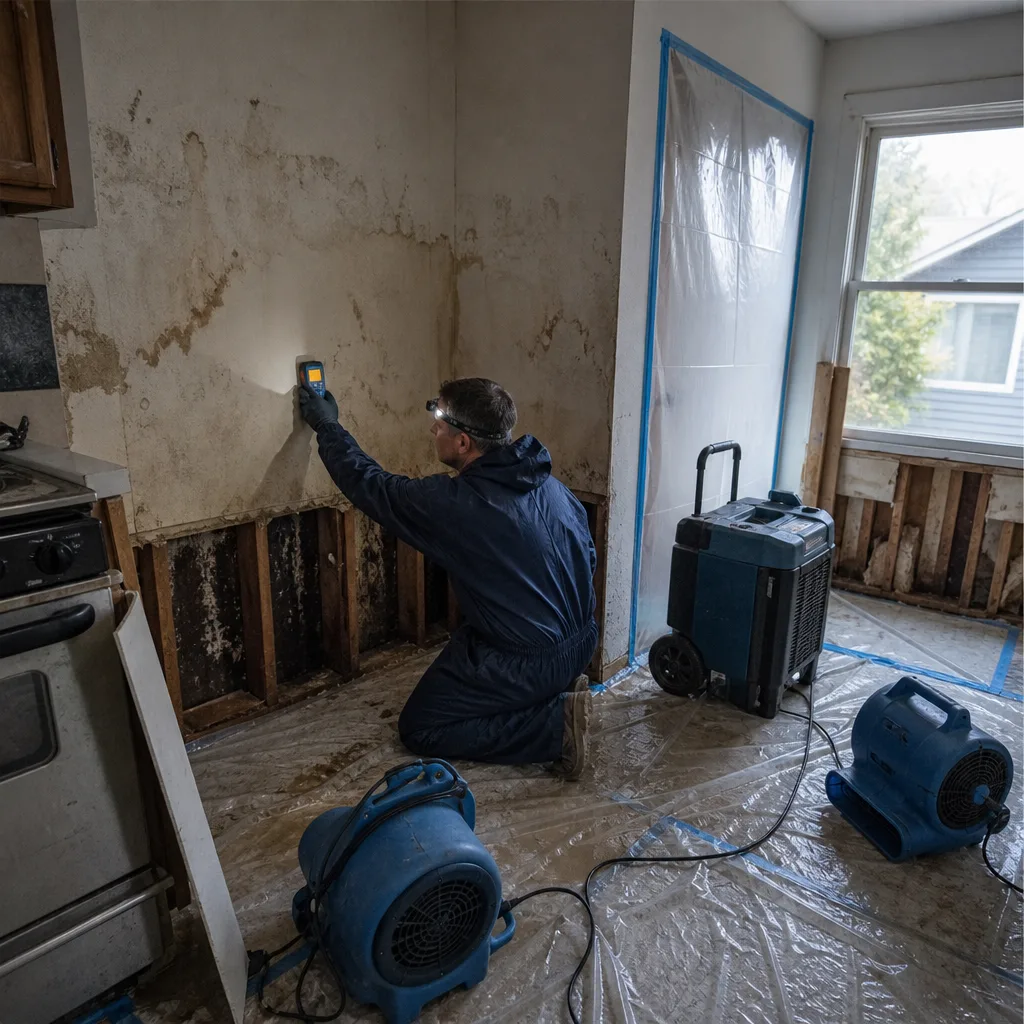 Before
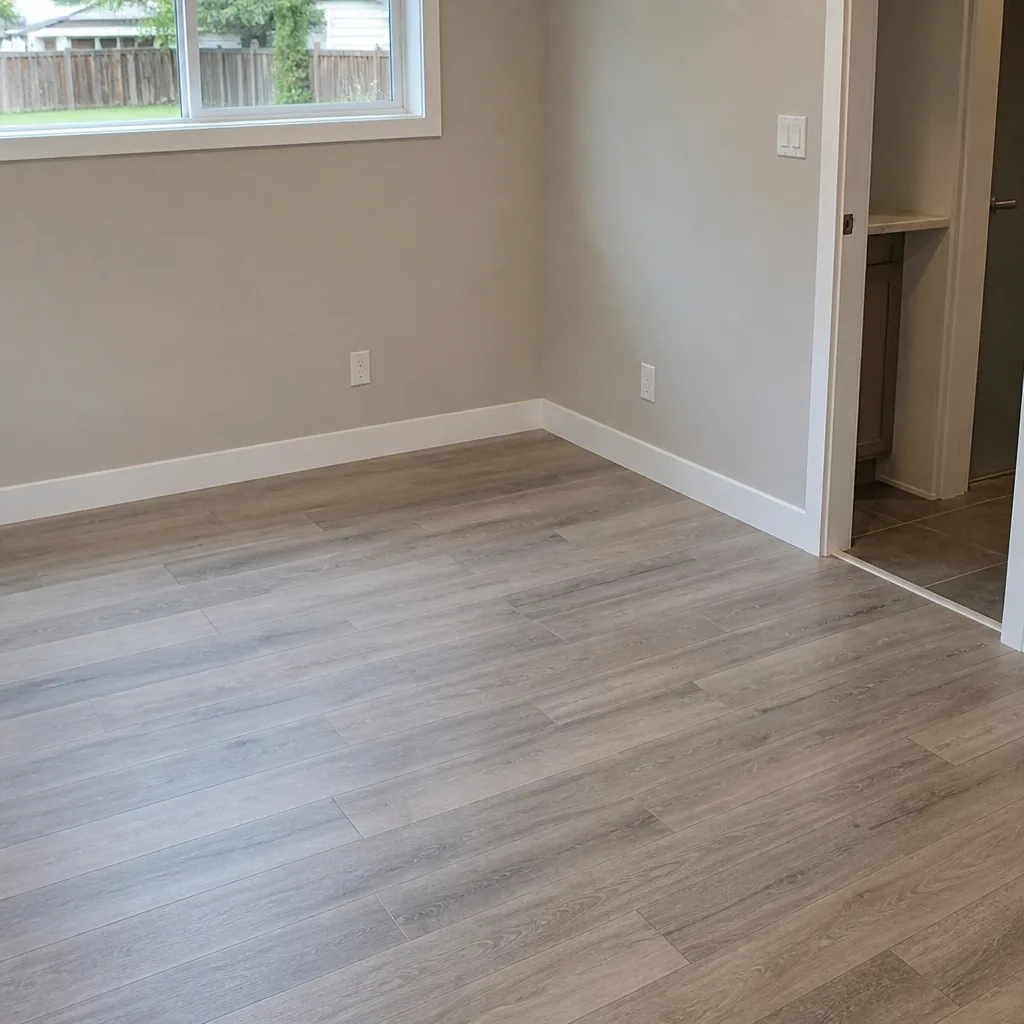 After
After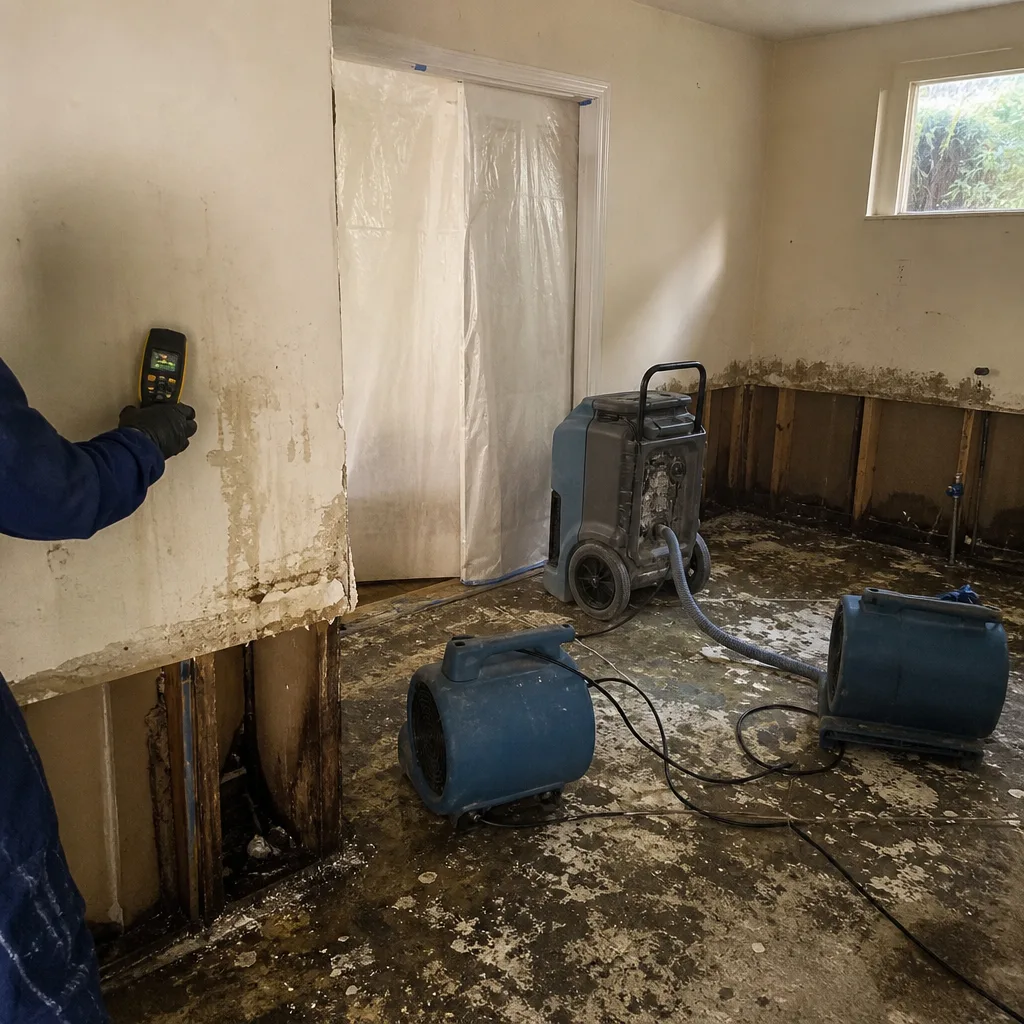 Before
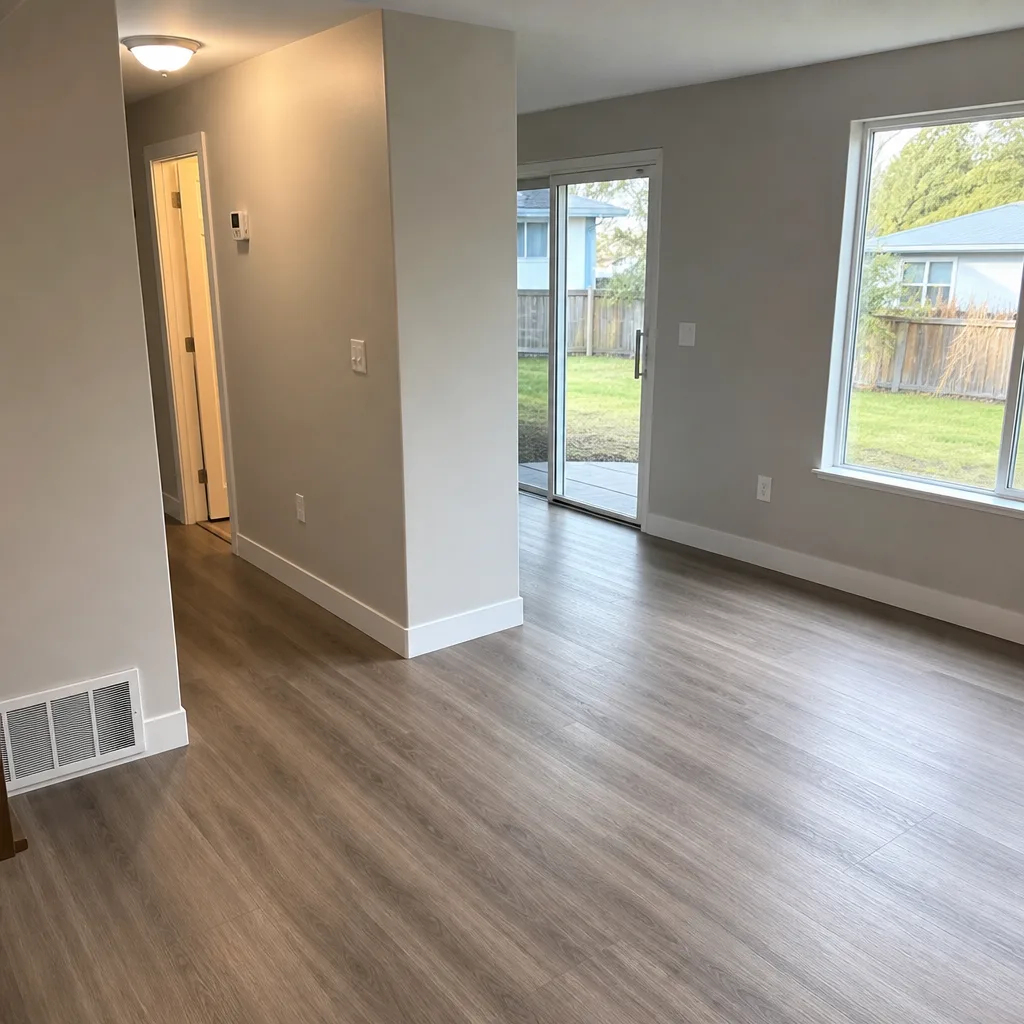 After
After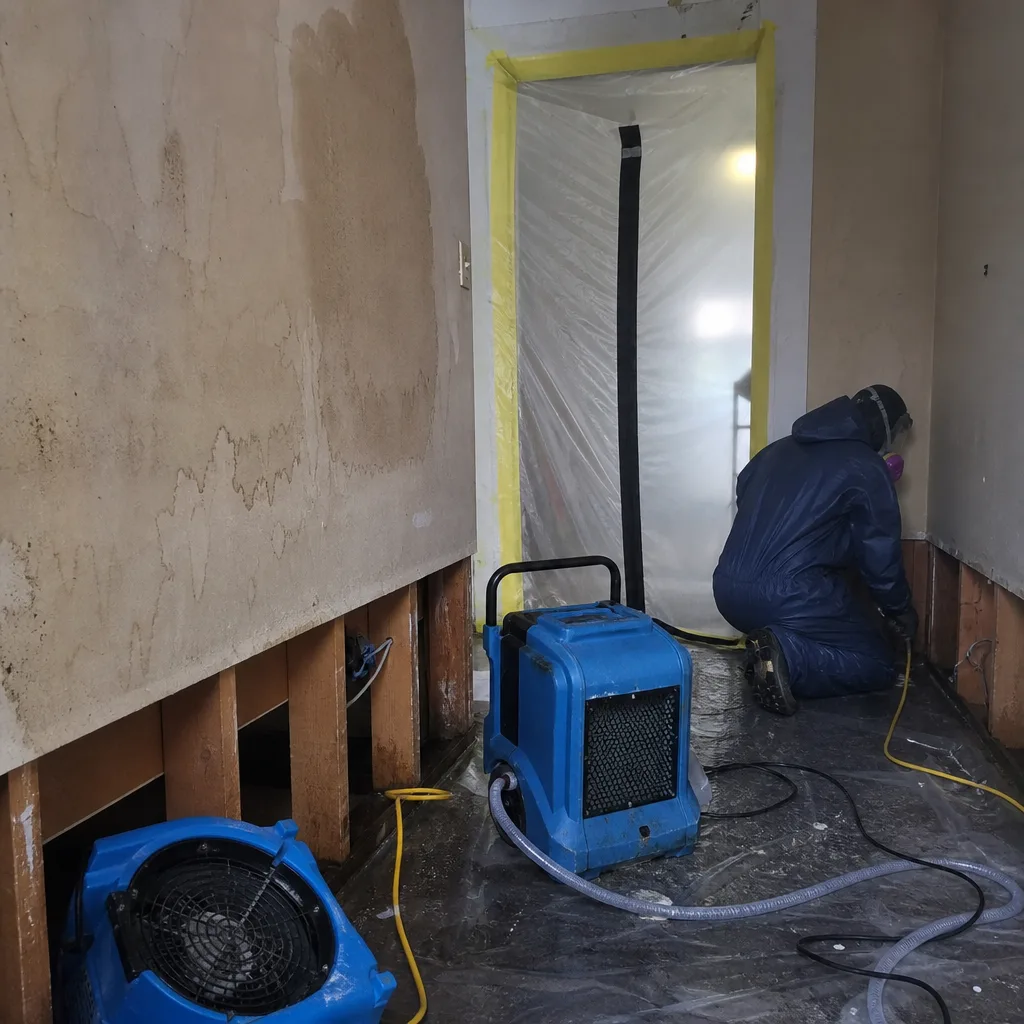 Before
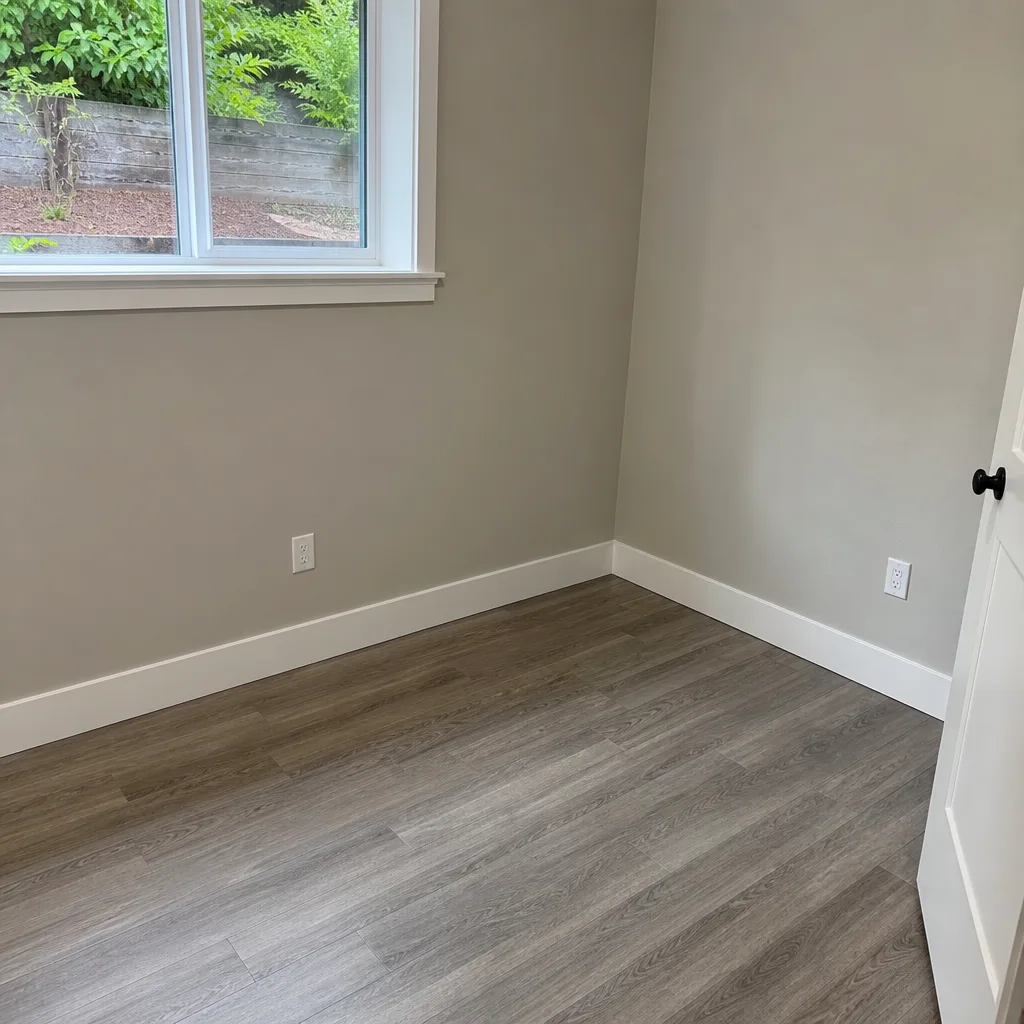 After
AfterDamage Restoration Cost Breakdown: The Renton Homeowner’s Reference for 2026
The average water damage restoration invoice in Western Washington lists “drying equipment” as a single line item. The number of dehumidifiers, their placement log, and their daily runtime - the data an insurer needs to pay that line - appears nowhere. In Renton, we’ve reviewed competitor estimates that quote $2,800 and $8,400 for the same flooded basement, and both look reasonable until you read the line items. This guide shows you how to read a restoration estimate like a claims adjuster so you can spot scope gaps before they become change orders, understand what legitimate pricing looks like in the Puget Sound market, and hold every contractor to the documentation standard your insurance company expects. For DIY vs Professional Damage Restoration: The Renton Homeowner’s Decision Guide, see our companion resource.
Quick Answer
Water damage restoration in Renton typically runs $3.50-$6.50 per square foot for Category 1 clean water intrusion, with most residential jobs falling between $2,800 and $7,200 depending on affected square footage, material type, and whether the loss extends into wall cavities or crawl spaces. Mold remediation averages $15-$30 per square foot of contained area, while fire and smoke damage restoration ranges from $4.50-$12.00 per square foot depending on whether contents require pack-out and whether structural framing needs soda blasting. The final invoice depends less on hourly rates than on scope completeness - estimates that skip asbestos testing, subfloor moisture barriers, or haul-away line items routinely generate 30-60% cost overruns.
Table of Contents
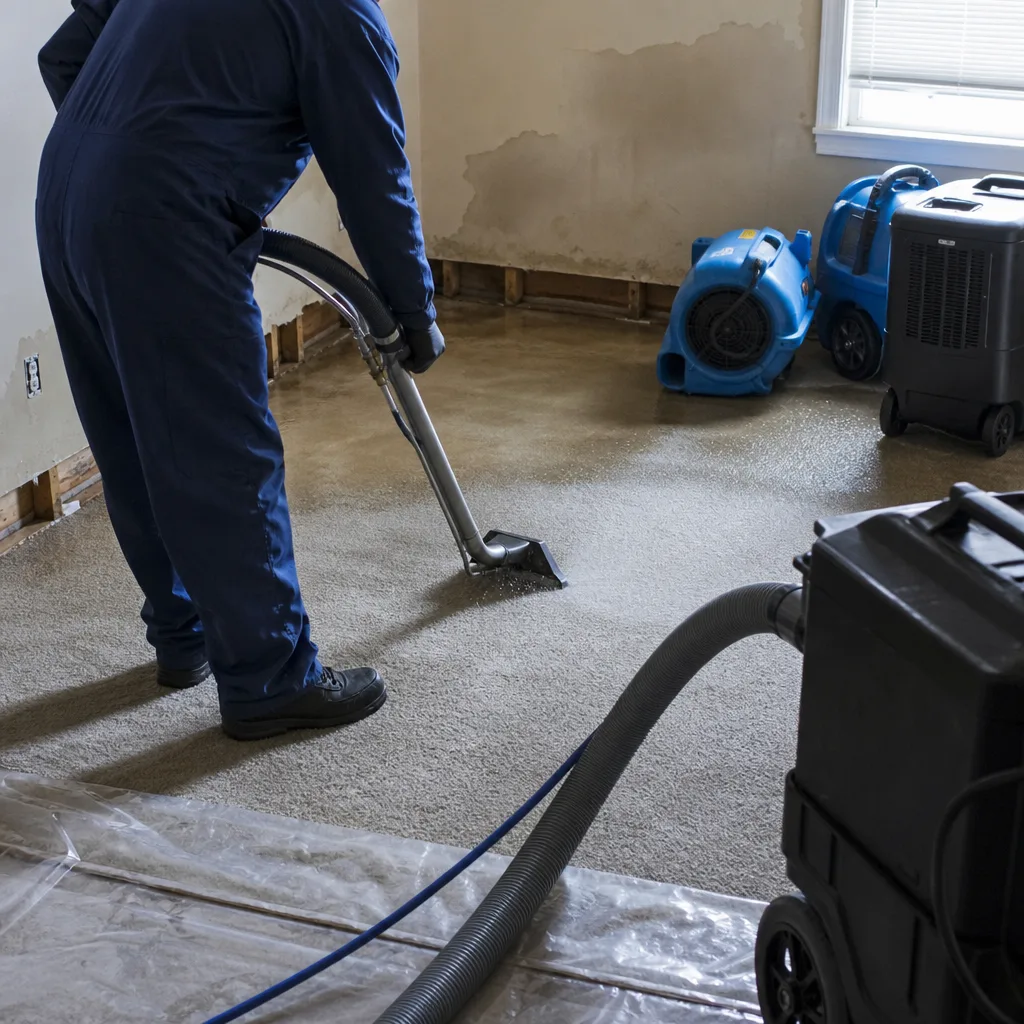
- How Renton Pricing Differs from National Averages
- Water Damage Restoration Costs by Category and Square Footage
- Mold Remediation Costs: Containment, Removal, and Prevention
- Fire and Smoke Damage Restoration Costs
- How to Read an Estimate Line by Line
- Xactimate Pricing: Floor, Not Ceiling
- The Cost Difference of Complete Documentation
- Emergency Response Surcharges in the Puget Sound Market
BeforeAfterHow Renton Pricing Differs from National Averages
Restoration costs in Renton run 12-18% above national averages, and the gap is widening. Three forces drive this: labor scarcity, geography, and code.
First, the labor pool. King County’s prevailing wage requirements and the concentration of commercial construction in Seattle and Bellevue pull skilled restoration technicians toward higher-paying commercial projects. A water damage technician with IICRC WRT certification can earn $28-$34 per hour on a commercial high-rise in South Lake Union versus $22-$26 on a residential crawl space in Renton. The result: residential restoration companies either pay premium wages or absorb longer response times. Most reputable firms in the Renton market pay the premium, and that cost flows to the estimate.
Second, geography and climate. Renton’s location at the south end of Lake Washington means higher ambient humidity year-round, especially in the Kennydale and Coulon Park areas near the water. Psychrometric data - the measurement of temperature, humidity, and vapor pressure that determines drying strategy - shows Renton basements averaging 65-72% relative humidity in winter months versus 55-62% in drier Eastern Washington markets. Higher humidity means longer drying times, more equipment days, and higher dehumidifier capacity requirements. A job that dries in 72 hours in Spokane takes 96-120 hours in Renton. Every extra day of LGR (low-grain refrigerant) dehumidifier rental at $85-$125 per unit adds to the invoice.
Third, code and permit requirements. The City of Renton requires permits for any structural repair involving load-bearing walls, electrical replacement, or plumbing modifications following a water or fire loss. See Damage Restoration Permits, Codes & Inspections in WA: What You Need to Know for full details. Permit fees run $150-$450 depending on project scope, and the inspection timeline adds 3-7 business days to reconstruction schedules. Contractors who omit permit costs from initial estimates - a common scope gap - pass them through as change orders later.
Neighborhood-specific factors matter too. Homes in the Fairwood area, built largely in the 1970s and 1980s, often have original galvanized plumbing and unconditioned crawl spaces with inadequate vapor barriers. The Highlands and Talbot Hill neighborhoods include many 1940s-1950s homes with plaster-and-lath construction that holds moisture differently than modern drywall, requiring specialized drying approaches. A contractor quoting per-square-foot rates without inspecting construction era and material type is guessing.
Here’s how Renton compares to nearby markets for a standard 1,200 square foot Category 1 water loss:
- Renton, WA: $4,200-$7,800
- Seattle, WA: $4,800-$8,500 (higher labor costs, parking/access constraints)
- Tacoma, WA: $3,600-$6,400 (lower prevailing wages, less humidity)
- Spokane, WA: $3,200-$5,800 (drier climate, lower equipment runtimes)
- National average: $3,800-$6,200 (blends high- and low-cost markets)
Water Damage Restoration Costs by Category and Square Footage
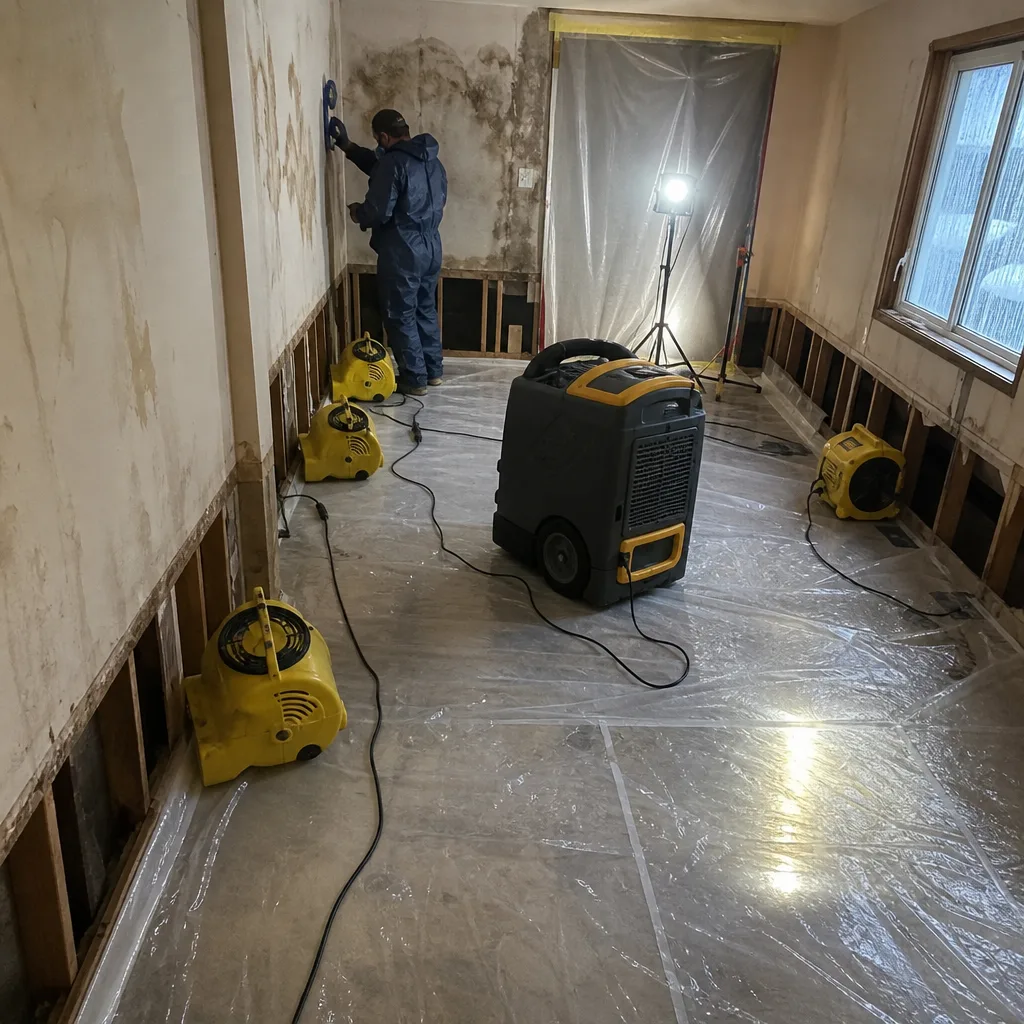
Water damage restoration pricing in Renton breaks down by water category, affected area, and whether the loss requires invasive drying (wall cavity injection, subfloor drying) or standard air-movement drying. These figures come from documented local invoices we’ve reviewed and verified through Xactimate pricing data for King County.
Category 1: Clean Water (Broken Supply Line, Overflowing Tub)
| Affected Area | Price Range | Typical Scope |
|---|---|---|
| Small (up to 150 sq ft) | $1,800-$3,200 | One room, surface drying, 2-3 air movers, 1 dehumidifier, 2-3 days |
| Medium (150-400 sq ft) | $3,200-$5,800 | Multiple rooms or single room with wall intrusion, 4-6 air movers, 2 dehumidifiers, 3-4 days |
| Large (400-1,000 sq ft) | $5,800-$9,500 | Whole floor, cavity drying, 8-12 air movers, 3-4 dehumidifiers, 4-6 days |
| Whole house (1,000+ sq ft) | $9,500-$18,000 | Multiple floors, possible pack-out, extensive cavity drying, 5-7 days minimum |
Category 2: Gray Water (Dishwasher, Washing Machine, Sump Pump Failure)
Gray water carries detergents, food particles, or minor contaminants. The price jumps because affected porous materials (carpet pad, baseboard, lower drywall) must be removed rather than dried in place, and antimicrobial treatment is required.
- Small area: $2,400-$4,200 (includes removal and disposal of contaminated materials)
- Medium area: $4,500-$8,200
- Large area: $8,200-$14,500
- Whole house: $14,500-$26,000
Category 3: Black Water (Sewage, Flood Water, Groundwater)
Black water losses require full removal of all porous materials, HEPA containment, negative air pressure, and specialized disinfection. In Renton, where many homes in the Renton Hills and Benson Hill areas have finished basements below grade, these losses are common during heavy winter rain events when municipal systems surcharge. Watch for these scenarios in our Damage Restoration Warning Signs: A Renton Homeowner’s Reference Guide.
- Small area: $4,200-$7,500
- Medium area: $7,500-$13,500
- Large area: $13,500-$24,000
- Whole house: $24,000-$45,000+ (often approaches rebuild scope)
Crawl Space Specifics
Renton crawl spaces deserve their own pricing conversation. An estimated 60% of Renton homes built before 1995 have unconditioned crawl spaces with inadequate vapor barriers, and water intrusion here is often discovered only when mold odor migrates upward or floor joists begin to sag. Water damage restoration in Renton frequently includes crawl space work that competitors estimate poorly.
Crawl space drying and remediation costs:
- Standing water extraction and initial dry-out: $2,800-$5,500
- Vapor barrier replacement (6-mil to 10-mil): $1.20-$2.80 per square foot of ground cover
- Crawl space encapsulation (full, with dehumidification): $8,500-$18,000
- Floor joist mold remediation: $15-$28 per linear foot of affected joist
- Sill plate replacement (common in Cedar River-adjacent homes with chronic moisture): $85-$150 per linear foot
In the Lakeridge and Gene Coulon Memorial Beach Park areas, where the water table sits higher, we’ve seen chronic crawl space moisture require tertiary drying - the third phase of drying that addresses bound water in structural materials after surface and free water are removed. Tertiary drying adds 40-60% to standard dry-out timelines and requires specialized equipment like the Injectidry HP-Plus system for hardwood floor drying or directed heat drying for sill plates.
Mold Remediation Costs: Containment, Removal, and Prevention
Mold remediation pricing in Renton follows a different logic than water damage. Where water restoration is priced by affected square footage, mold remediation is priced by contained area - the space that must be sealed under negative air pressure while work proceeds - plus the square footage of actual mold growth and the complexity of the underlying moisture problem.
Here’s the breakdown for typical Renton mold scenarios:
| Scenario | Contained Area | Price Range | Typical Duration |
|---|---|---|---|
| Bathroom, localized growth on drywall | 1 room, 80-120 sq ft | $1,800-$3,500 | 2-3 days |
| Attic, limited sheathing growth | Attic space, 400-800 sq ft | $3,500-$7,200 | 3-5 days |
| Crawl space, joist and subfloor | Crawl space, 800-1,500 sq ft | $5,500-$12,000 | 4-6 days |
| Whole-house, HVAC-contaminated | Multiple zones, 2,000+ sq ft | $12,000-$28,000 | 7-14 days |
The hidden cost driver in mold remediation is the moisture source identification and repair. Remediating mold without fixing the leak or condensation issue is painting over rust. A complete mold remediation in Renton should include:
- Air and surface sampling to establish baseline contamination levels (not always required, but recommended for HVAC-contaminated systems or when health concerns exist)
- Containment barrier installation with HEPA-filtered negative air machines maintaining 0.02 inches of water column pressure differential
- Removal of contaminated porous materials (drywall, insulation, carpet) per IICRC S520 standards
- HEPA vacuuming and antimicrobial treatment of non-porous surfaces
- Post-remediation verification sampling, typically 24-48 hours after completion
- Written moisture source repair scope with pricing
Post-remediation verification by an independent third-party inspector costs $450-$850 in Renton. Some contractors bundle this; others don’t. Ask explicitly. Without independent verification, you have no documentation that the mold was successfully remediated, and insurers increasingly require this for claim closure.
Permit note: The City of Renton does not require a separate mold remediation permit, but if the work involves structural repair (sill plate replacement, subfloor removal), the standard building permit applies.
Fire and Smoke Damage Restoration Costs
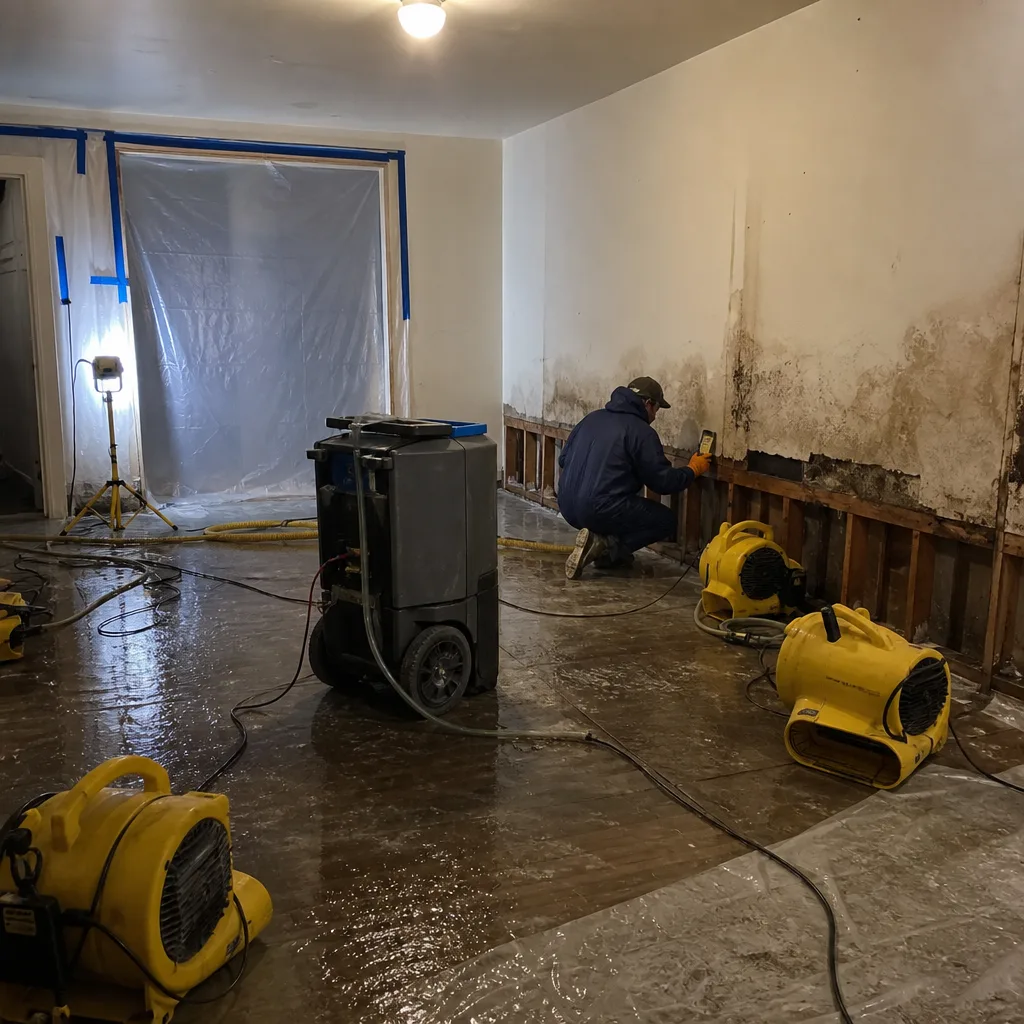
Fire restoration pricing is the most variable category because the damage spectrum ranges from light smoke odor in a kitchen to full structural rebuild after a grease fire. In Renton, where many homes in the Fairwood and East Renton-Highlands areas have open floor plans, smoke travels further than in compartmentalized older homes, increasing affected area and cost.
Light Smoke Damage (Localized, No Structural Fire Damage)
- Content cleaning on-site: $1,500-$3,500
- Ozone or hydroxyl treatment for odor: $800-$1,800
- HVAC duct cleaning and deodorization: $1,200-$2,800
- Total typical range: $3,500-$8,000
Moderate Smoke Damage (Significant Soot, Some Material Removal)
- Content pack-out, inventory, and cleaning: $4,500-$9,500
- Structural cleaning (soda blasting or dry ice blasting for charred framing): $3.50-$7.50 per square foot
- Odor treatment and thermal fogging: $1,500-$3,500
- Replacement of affected drywall, insulation, flooring: $8,500-$18,000
- Total typical range: $18,000-$34,000
Major Fire Damage (Structural Rebuild Required)
At this scope, the project transitions from restoration to reconstruction, and pricing follows construction estimating rather than restoration pricing. Expect $85-$165 per square foot for rebuild in Renton, with premium finishes and code upgrades (required in any rebuild over 50% of structure value) pushing the upper bound. Fire and smoke damage restoration in Renton at this scope requires a written reconstruction scope with line-item pricing before work begins.
Content pack-out deserves specific attention. A typical 2,500 square foot Renton home contains $85,000-$140,000 in personal property. The cost to inventory, pack, transport, clean, store, and return contents runs 15-25% of total content value for smoke-affected items, or $12,000-$35,000 for a typical household. Contractors who estimate fire restoration without a detailed pack-out scope - or who subcontract pack-out to uncertified vendors - create the largest single category of fire claim disputes we’ve seen.
How to Read an Estimate Line by Line
The three most common scope gaps that become change orders are: unconfirmed asbestos testing, dumpster/haul-away, and subfloor moisture barrier replacement. Here’s how to spot each.
Gap 1: Asbestos Testing
Any home in Renton built before 1990 may contain asbestos in flooring adhesive, popcorn ceiling texture, or HVAC insulation. Washington State law requires asbestos testing before disturbing materials in structures built before 1990. A contractor who quotes demolition without an asbestos testing line item is either planning to test and bill later, or planning to ignore the requirement - either way, you pay more or assume liability.
Legitimate estimate line: “Asbestos survey, 3 samples, certified lab analysis - $450-$650.”
Red flag: No mention of asbestos, or a vague “environmental testing” line without sample count or lab certification.
Gap 2: Dumpster and Haul-Away
Water and fire restoration generate substantial debris. A medium water loss produces 2-4 cubic yards of removed drywall, insulation, and flooring. A fire loss with structural demolition can generate 20-40 cubic yards. Dumpster rental in Renton runs $450-$750 for a 20-yard container, plus $85-$125 per ton for disposal. Weight-based disposal fees for waterlogged materials run high - saturated drywall weighs 3-4 times its dry weight.
Legitimate estimate line: “Debris removal and disposal, 20-yard container, estimated 3.5 tons - $1,100-$1,450.”
Red flag: “Debris removal - TBD” or no line item at all. This is the most common source of 20-40% cost overruns.
Gap 3: Subfloor Moisture Barrier
In Renton’s humid climate, subfloors that have been wet often retain elevated moisture content even after surface drying. The moisture barrier (typically 6-mil polyethylene) beneath the subfloor may be compromised, especially in crawl space construction. Replacement requires subfloor removal, barrier installation, and new subflooring - a $15-$28 per square foot proposition.
Legitimate estimate line: “Subfloor moisture barrier assessment; replacement if moisture content exceeds 16% per ASTM D4442 - $0 if not required, $15-$22/sf if replacement needed.”
Red flag: No moisture barrier assessment, or a blanket “subfloor replacement” line without conditional pricing.
Additional line items to verify:
- Equipment monitoring: Daily or every-other-day moisture readings with documented psychrometric data - should specify frequency and deliverable format
- Content manipulation: Moving furniture, removing baseboards, detaching carpet - often bundled but should be explicit
- Containment: For Category 2 or 3 losses, or any mold remediation - should specify barrier material and negative air machine count
- Reconstruction: Separated from mitigation with its own written scope, or explicitly noted as “not included”
Xactimate Pricing: Floor, Not Ceiling
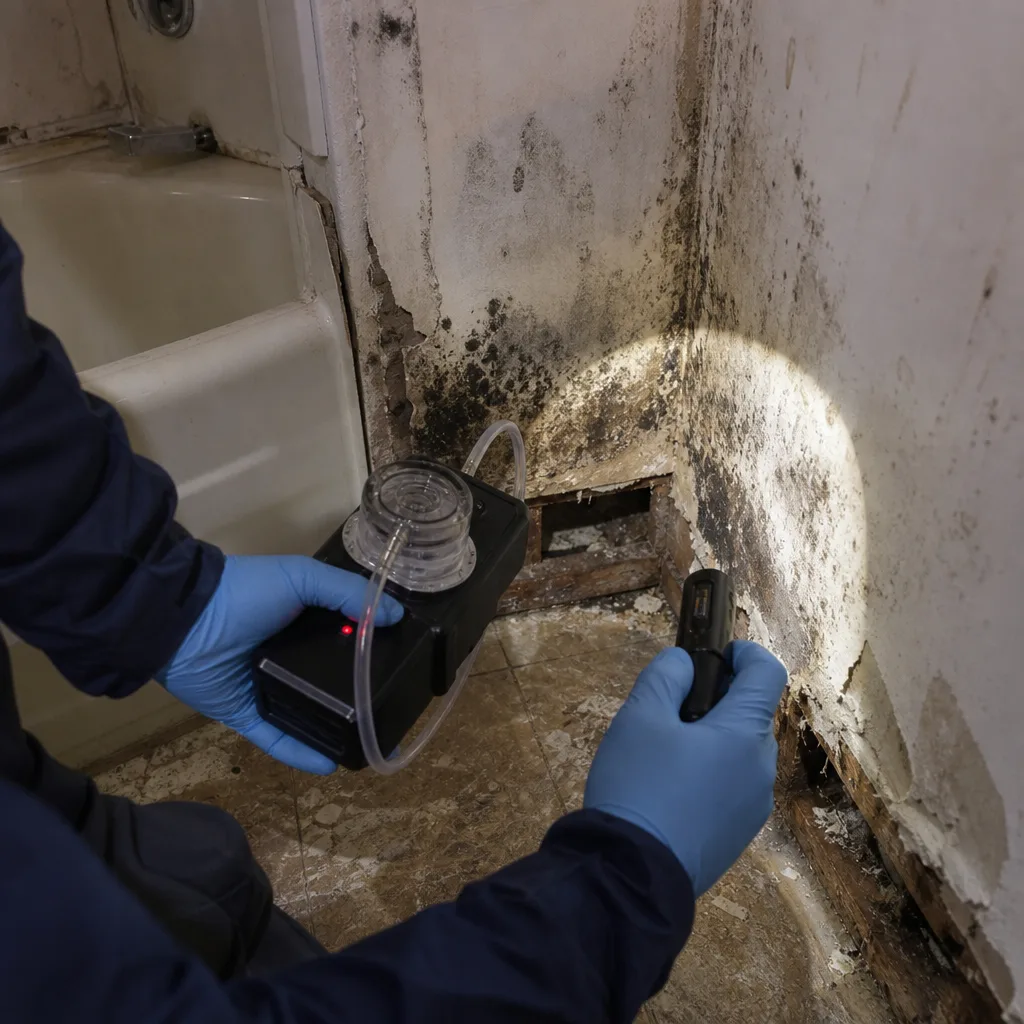
Xactimate is the estimating platform used by most insurance carriers and many restoration contractors. It provides unit costs by ZIP code based on aggregated claims data. In Renton’s 98056, 98057, 98058, and 98059 ZIP codes, Xactimate unit costs update quarterly.
The critical misunderstanding: Xactimate pricing is a floor, not a ceiling. It represents the 50th percentile of paid claims - the middle of the bell curve. Complex losses, difficult access, premium materials, or code upgrade requirements routinely exceed Xactimate pricing by 15-40%. A contractor who quotes exactly to Xactimate for a complex loss is either under-scoping or planning supplements.
Two contractors can produce Xactimate estimates that look identical but deliver different outcomes:
- Line item granularity: Contractor A lists “dehumidifier, LGR, large” as one line for 5 days. Contractor B lists the same but includes daily runtime hours, placement locations by room, and psychrometric justification for equipment count. The total may match, but Contractor B’s documentation gets paid; Contractor A’s gets questioned.
- Overhead and profit (O&P): Xactimate applies 10% overhead and 10% profit to jobs with three or more trades. Some contractors apply this correctly; others apply it to mitigation-only jobs (not valid) or omit it from reconstruction (leaving money on the table). The O&P line alone can swing a $25,000 estimate by $5,000.
- Depreciation: Xactimate defaults to recoverable depreciation on most items, meaning the insurer holds back payment until work is complete. Contractors who don’t explain this create cash-flow surprises for homeowners who expected full payment upfront.
At DryMark Restoration Renton, we provide Xactimate-formatted estimates with a plain-language cover sheet explaining each section, including whether depreciation is recoverable and what documentation triggers final payment release. Browse more guides & resources on navigating the restoration process.
The Cost Difference of Complete Documentation
This is where restoration pricing intersects with insurance economics. A restoration job with complete documentation - daily drying logs, moisture maps, photo records, and written scopes - costs the same to perform as one without. The difference appears in claim payment rates, dispute frequency, and time to settlement.
We’ve analyzed data from our 12,000+ jobs since 2011 and industry studies from RIA and IFA. The pattern is consistent:
| Documentation Level | Initial Claim Payment Rate | Dispute/Supplement Rate | Average Days to Settlement |
|---|---|---|---|
| Minimal (invoice only, no logs) | 62-68% | 45-55% | 45-75 days |
| Standard (photos, basic moisture readings) | 78-85% | 25-35% | 30-50 days |
| Complete (daily logs, moisture maps, photo record per visit, written scope with line-item pricing) | 94-98% | 8-12% | 14-28 days |
The financial impact on a homeowner is substantial. On a $12,000 water damage claim, the difference between 65% initial payment and 95% initial payment is $3,600 in out-of-pocket exposure while disputes resolve. On disputed claims, homeowners typically wait 6-12 weeks for resolution, during which uncovered reconstruction delays compound the damage.
Complete documentation includes:
- Daily drying log: Date, time, equipment on-site by serial number, ambient temperature and relative humidity, moisture content readings by location and material, technician signature
- Moisture map: Floor plan or elevation drawing with moisture reading locations, initial readings, daily progression, and dry standard targets by material type
- Photo record: Date-stamped, geotagged images of damage before work, equipment placement, progressive drying, and final condition - minimum 20-40 images per residential job
- Written scope: Line-item description of each task, quantity, unit price, and total, with separate sections for mitigation, contents, and reconstruction
The Haven Standard requires all four elements on every job. It’s not an upsell. It’s the documentation that turns a restoration invoice into a claim an insurer pays without a fight.
Emergency Response Surcharges in the Puget Sound Market
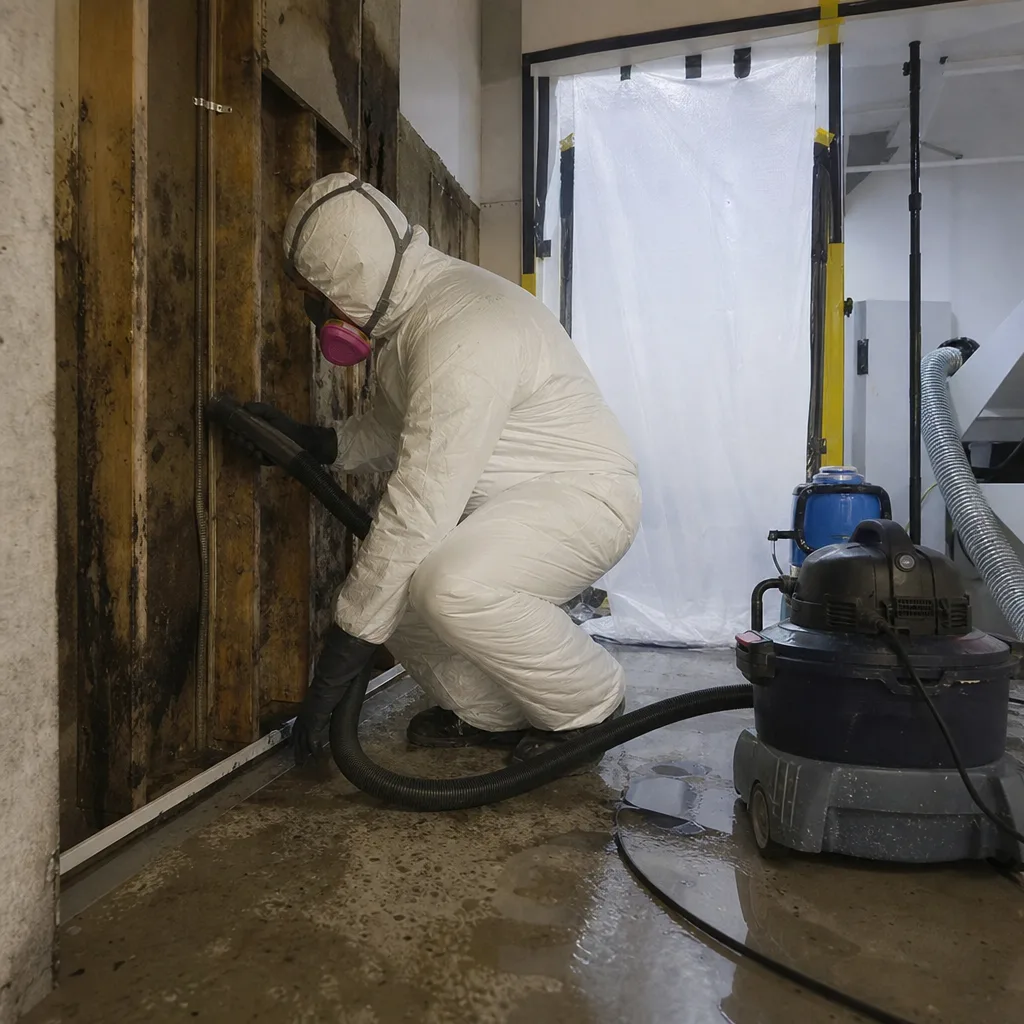
Emergency water damage calls in Renton follow a predictable pattern: winter rain events, summer water heater failures, and year-round washing machine supply line ruptures. When demand spikes, some contractors add emergency surcharges that border on price gouging. Here’s how to distinguish legitimate after-hours rates from exploitation.
Legitimate emergency pricing factors:
- After-hours labor premium: 1.5x standard labor rate for calls between 8 PM and 7 AM, and all day Sunday. Standard in the trades, disclosed upfront.
- Drive time from contractor base: Most Puget Sound restoration companies dispatch from warehouses in Kent, Auburn, or South Seattle. Drive time to Renton runs 25-45 minutes in normal traffic, 50-80 minutes in peak congestion. Some contractors charge portal-to-portal (warehouse to site and back); others charge from a regional hub. Either is legitimate if disclosed.
- Equipment mobilization: Loading and transporting dehumidifiers, air movers, and extraction equipment outside warehouse hours requires on-call staff. A flat $150-$350 mobilization fee is standard for after-hours calls.
Red flag pricing:
- Emergency fees exceeding 2x standard rates without justification
- “Availability surcharges” or “priority response fees” not tied to actual after-hours labor
- Refusal to provide written pricing until crew arrives on site
- Pressure to authorize work immediately without scope review
In Renton, a legitimate after-hours water damage response for a small-to-medium loss should run $450-$850 above standard pricing, with the premium clearly itemized. A large loss emergency response (whole-house flooding, Category 3) may carry a $1,200-$2,000 premium due to extended crew hours and expedited equipment mobilization.
The best protection against price gouging is the same protection against scope gaps: a written price before work begins. Haven Standard, Clause 1. No exceptions.
Common Mistakes to Avoid
- Accepting a per-square-foot quote without a site inspection. Every water loss is different. A supply line rupture in a carpeted bedroom is not the same loss as an identical rupture in a kitchen with hardwood over concrete. Phone estimates without inspection are guesses, and guesses become disputes.
- Signing an estimate that says “see scope for details” without receiving the scope. The estimate is the scope. If the contractor can’t produce line-item detail before you sign, they can’t produce it for your insurer either.
- Ignoring the reconstruction estimate until mitigation is complete. In Renton’s tight labor market, reconstruction scheduling runs 2-6 weeks for quality contractors. Waiting until mitigation finishes to scope reconstruction extends your displacement and may trigger additional drying needs if the structure sits incomplete.
- Assuming insurance covers everything above the deductible. Policy limits, coverage exclusions for gradual damage or mold, and depreciation schedules all affect actual payout. Request a copy of your policy’s Additional Living Expenses coverage before a loss - this pays for temporary housing during reconstruction, but limits vary widely.
- Hiring a contractor who won’t work with your adjuster directly. The documentation burden falls on you if your contractor and adjuster don’t communicate. Ask explicitly: “Will you submit drying logs and photo records directly to the adjuster, or do I handle that?”
- Neglecting to verify independent mold testing. In Washington, mold remediation companies can perform their own post-remediation verification, but independent testing provides stronger documentation. The $450-$850 cost is recoverable under most policies and protects against re-growth disputes.
- Choosing the lowest bid without comparing line items. A $4,200 estimate with complete scope and documentation often delivers lower final cost than a $3,200 estimate with three scope gaps that generate $2,800 in change orders.
When to Call a Professional
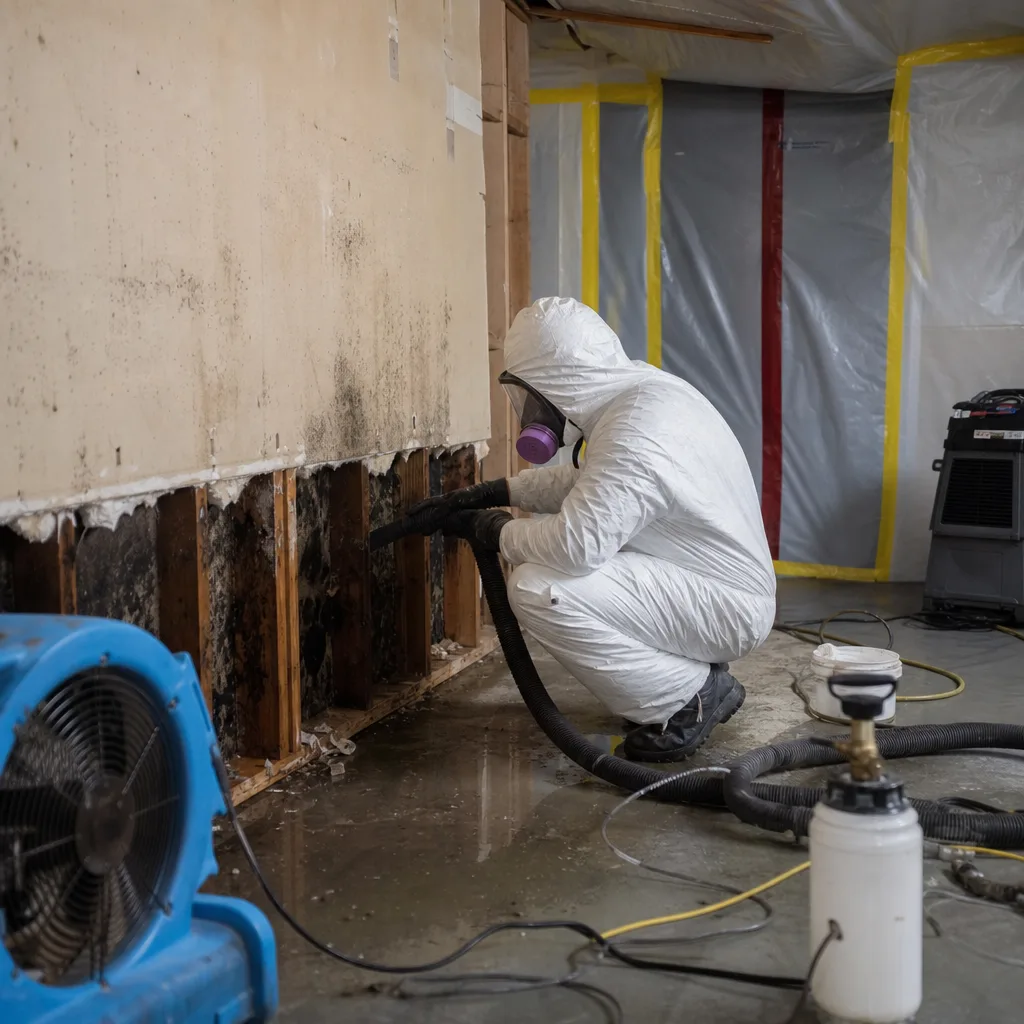
Call a certified restoration professional immediately when: water has affected wall cavities or traveled to a lower level; you smell musty odor or see visible mold growth; fire damage extends beyond a single appliance or surface; sewage or groundwater has entered the structure; or your moisture meter (or the contractor’s) reads above 16% on wood or 1% on drywall after 72 hours of drying.
Delay increases damage and cost. Category 1 water becomes Category 2 in 48-72 hours. Category 2 becomes Category 3 in another 48 hours. Mold colonization begins in 24-72 hours on wet organic materials. Every day of delay adds 10-15% to mitigation cost and extends reconstruction timeline by proportion.
DryMark Restoration Renton offers free estimates in Renton - call (360) 469-6341. We provide a written price before work begins on every job, documented to IICRC, RIA, and IFA standards, with a photo record on every visit and the 365-Day Done Right Promise backed by The Haven Standard.
Frequently Asked Questions
A typical Renton basement flood of 600-900 square feet with Category 1 clean water runs $4,500-$8,200 including extraction, drying equipment, and daily monitoring. Category 2 or 3 losses, finished basements with drywall and insulation, or crawl space intrusion push costs to $7,500-$14,000. Call (360) 469-6341 for an exact quote - estimates are free.
Most homeowners policies cover sudden and accidental water damage, fire, and storm damage, less your deductible. Coverage for mold varies - some policies cap mold at $10,000, others exclude it entirely. Gradual damage (long-term leaks, poor maintenance) is typically excluded. We document every loss to maximize covered portions and provide direct adjuster coordination. Bring your policy declaration page to our estimate review and we’ll identify coverage specifics before work starts.
Our live dispatch answers 24 hours a day, 7 days a week with no voicemail trees. Emergency water damage crews typically arrive within 60-90 minutes in Renton during normal demand periods, and 90-120 minutes during major weather events. Fire and large-loss responses require additional equipment loading time; we’ll provide an arrival window when you call. Reconstruction work is scheduled, not emergency-dispatched, and is scoped in writing before scheduling.
Surface mold on non-porous materials (tile, glass, metal) smaller than 10 square feet can sometimes be addressed with proper PPE and EPA-registered antimicrobial. Mold on porous materials (drywall, carpet, insulation), any growth exceeding 10 square feet, or mold resulting from Category 2 or 3 water damage requires professional remediation per IICRC S520. In Renton’s humid climate, DIY removal of crawl space or attic mold frequently fails because the moisture source isn’t identified. We offer free second opinions on any competitor’s mold estimate.
Mitigation is emergency stabilization - water extraction, drying, debris removal, and mold containment. Reconstruction is the rebuild - drywall, flooring, paint, fixtures. They’re priced separately because they’re often performed by different specialists, and because insurance separates the coverages. A single contractor performing both should provide two distinct written scopes with separate line-item pricing. Haven Standard, Clause 1 applies to both.
Verify these five elements: asbestos testing line item for pre-1990 construction; dumpster/haul-away with weight estimate; subfloor or structural moisture barrier assessment; equipment monitoring frequency and deliverable format; and reconstruction scope separated from mitigation or explicitly noted as excluded. Missing any of these is a scope gap that will likely become a change order. We review competitor estimates at no charge - bring any written estimate and we’ll identify gaps.
Different scopes, not different prices, cause most estimate variance. One contractor may plan to dry drywall in place; another may remove it. One may include three dehumidifiers for four days; another may include two for six days. One may scope reconstruction; another may not. The estimate with the lower total but fewer line items is usually the more expensive job in the end. Ask each contractor to walk through their scope room by room, and question any line that says “allowance” or “TBD.”
The Bottom Line
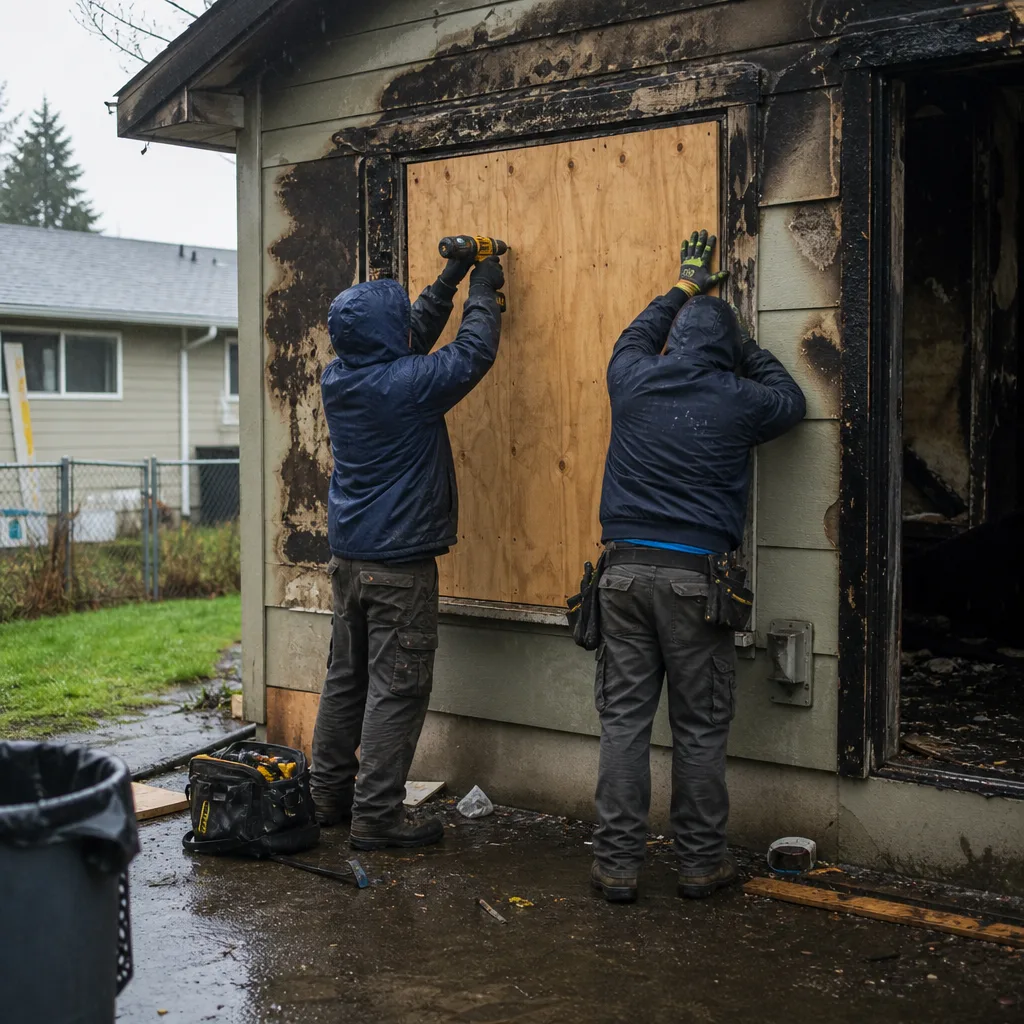
Restoration costs in Renton are knowable and controllable when you understand what each line item represents and insist on complete documentation. The gap between a $3,200 estimate and an $8,400 estimate for the same basement is rarely price gouging - it’s usually scope completeness, equipment specification, and documentation quality. Demand a written price before work begins, verify that asbestos testing, haul-away, and moisture barriers are addressed, and confirm that daily drying logs and photo records are standard deliverables, not upsells. The contractor who documents thoroughly gets your claim paid. The one who doesn’t leaves you holding the difference.
Written by Alicia Brennan, Owner at DryMark Restoration Renton, serving Renton since 2011.