
Last updated September 23, 2026
Free visual inspection and a written scope of work before any mitigation begins - photos, moisture readings, and drying logs go in your claim file
The scope we write is the scope we bill. Anything new gets shown to you, in writing, before we touch it.
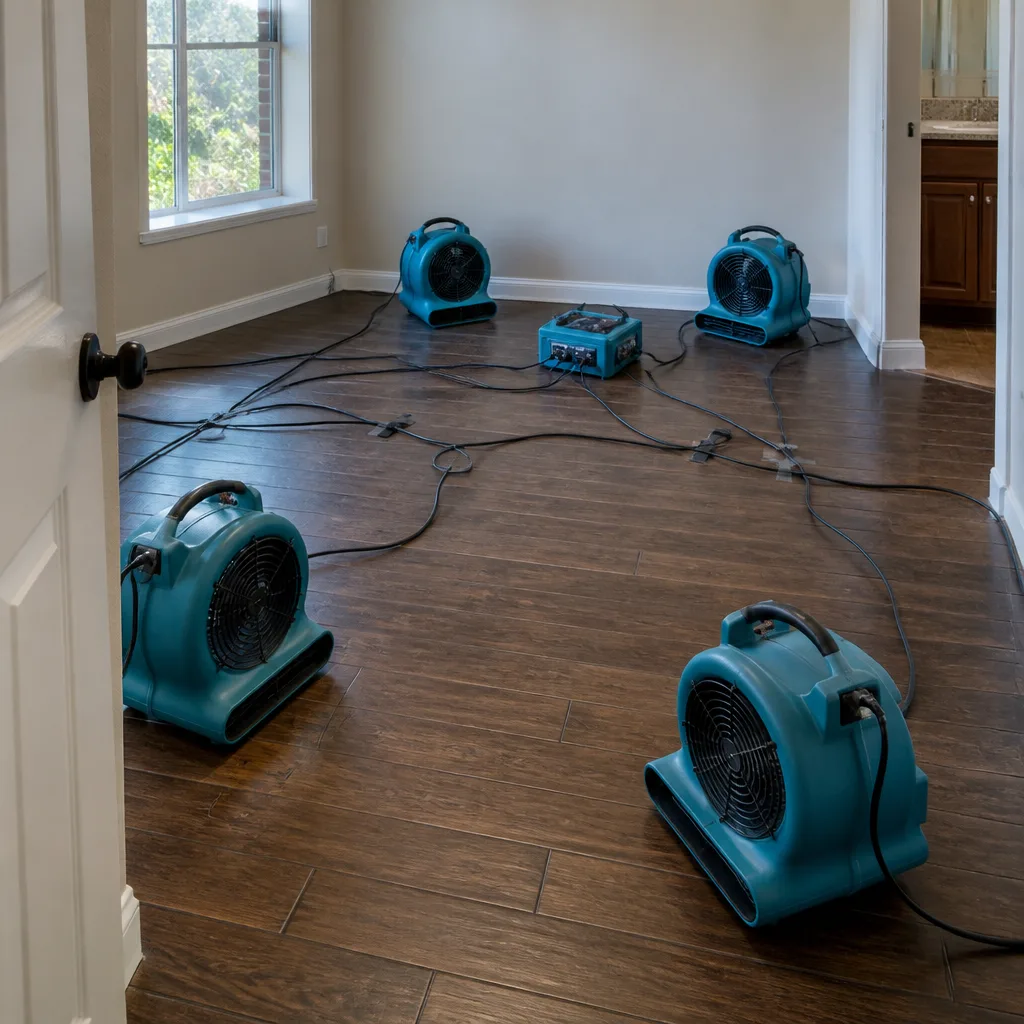
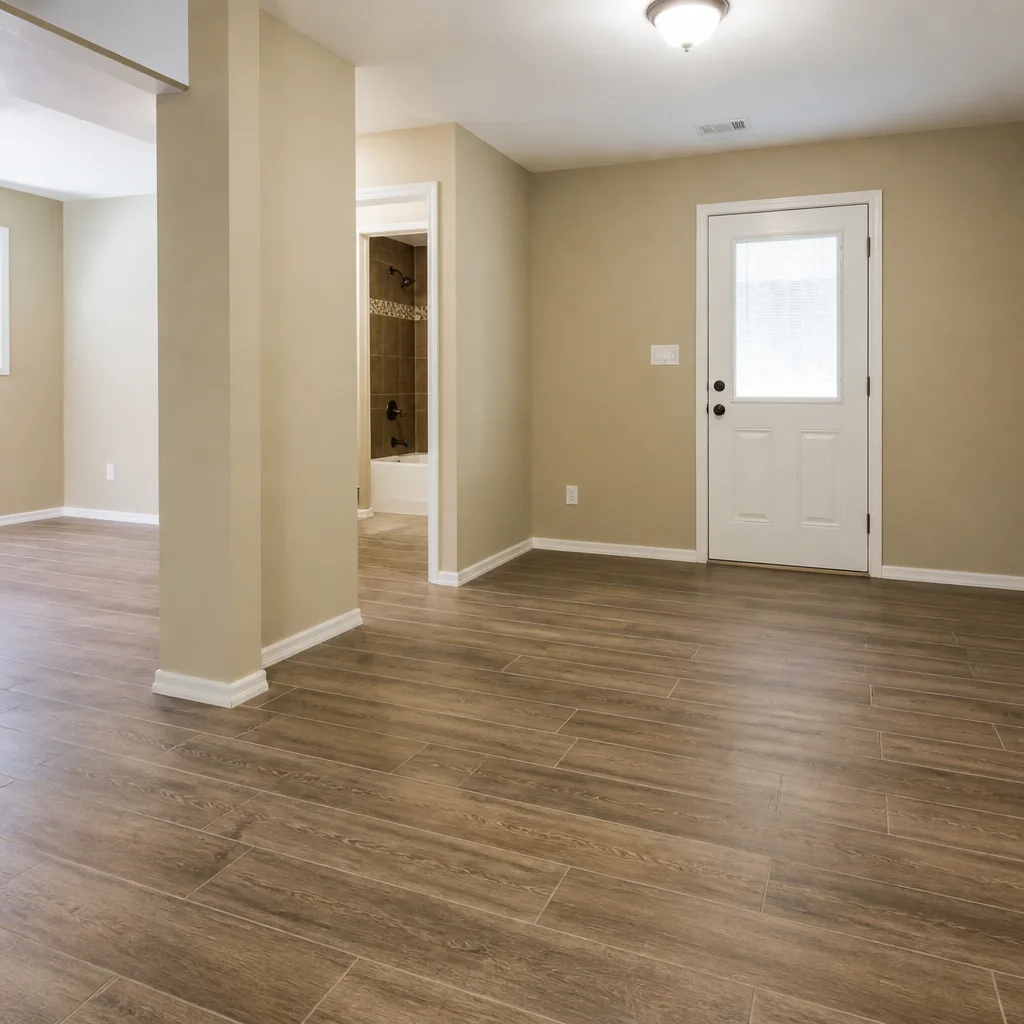
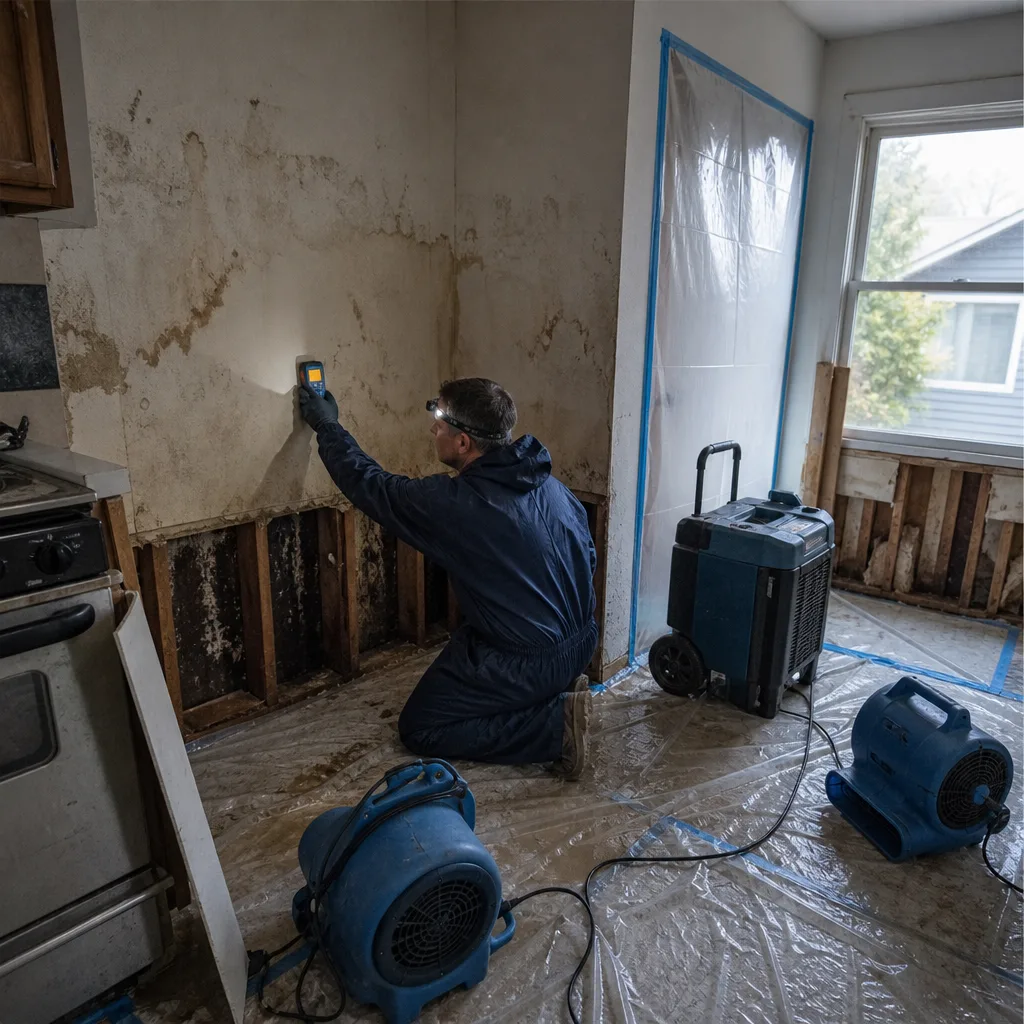 Before
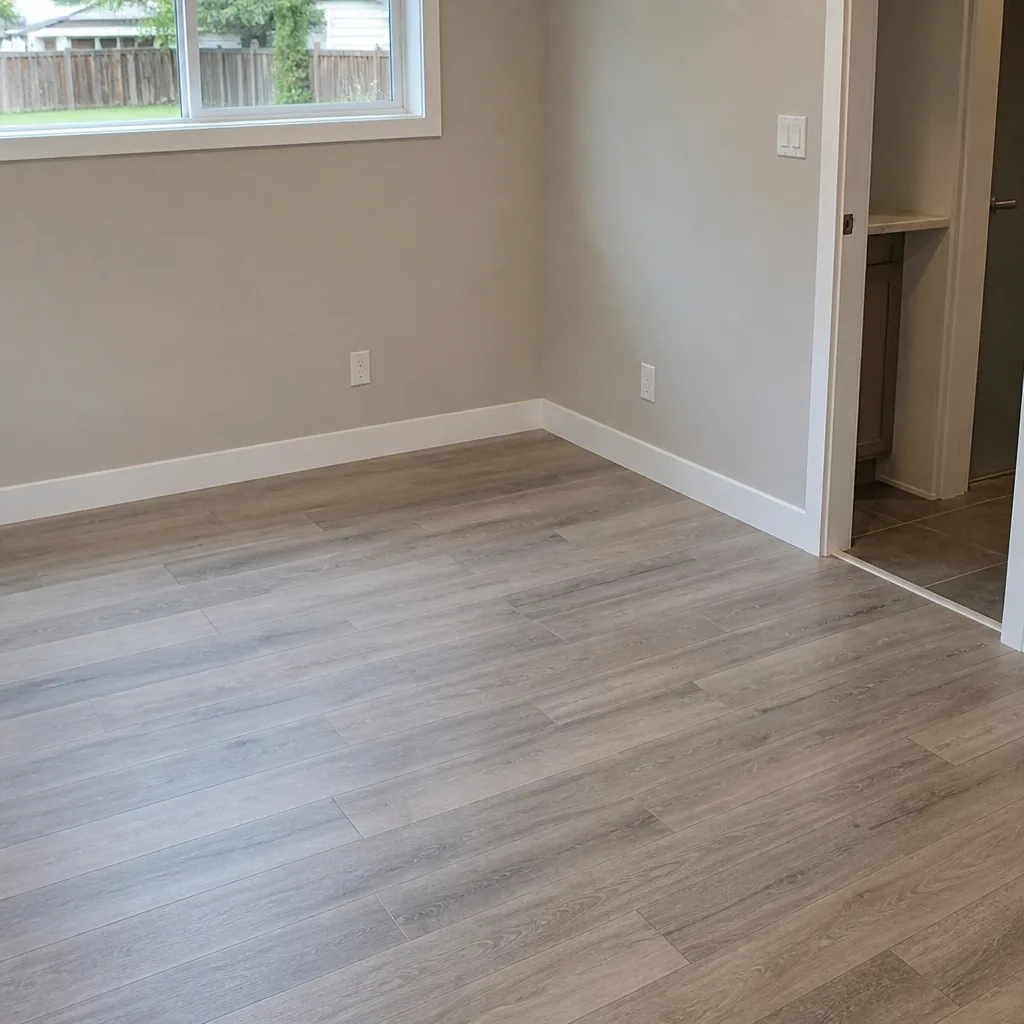 After
After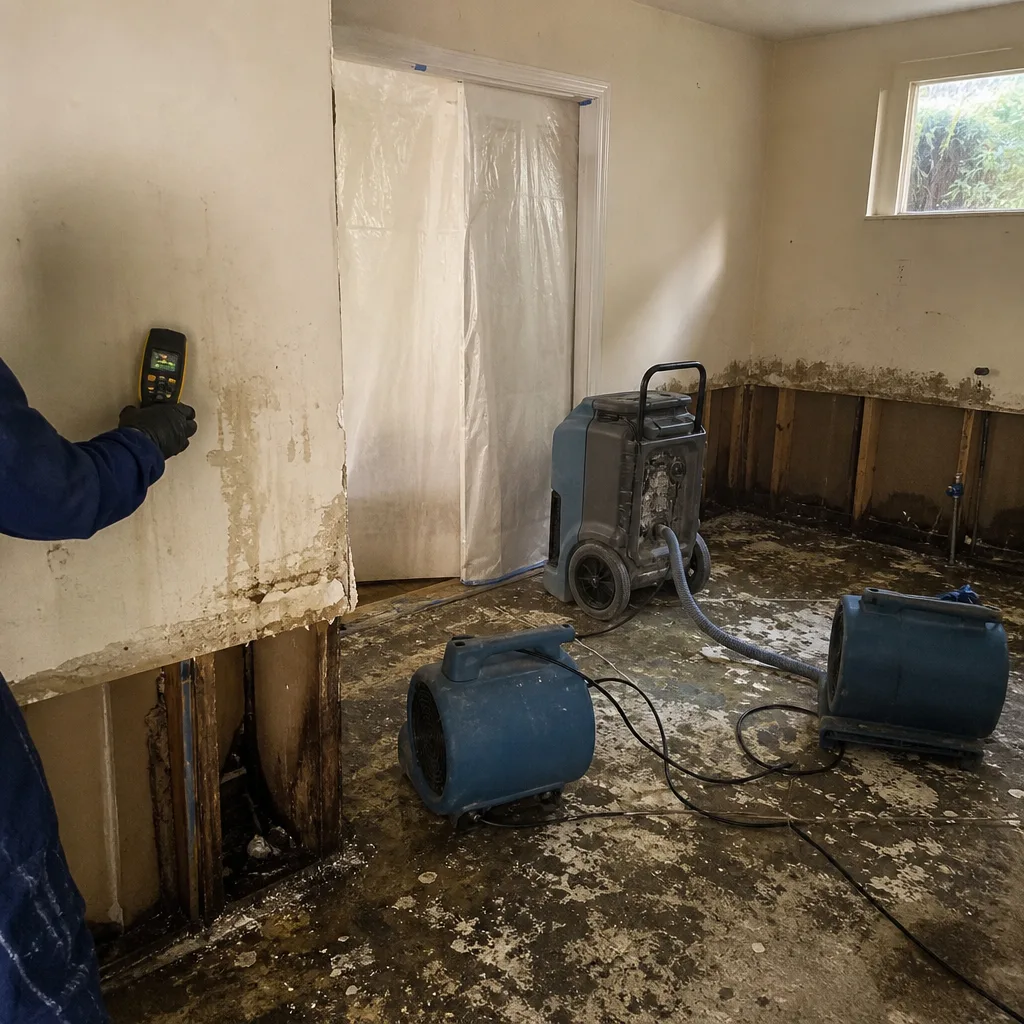 Before
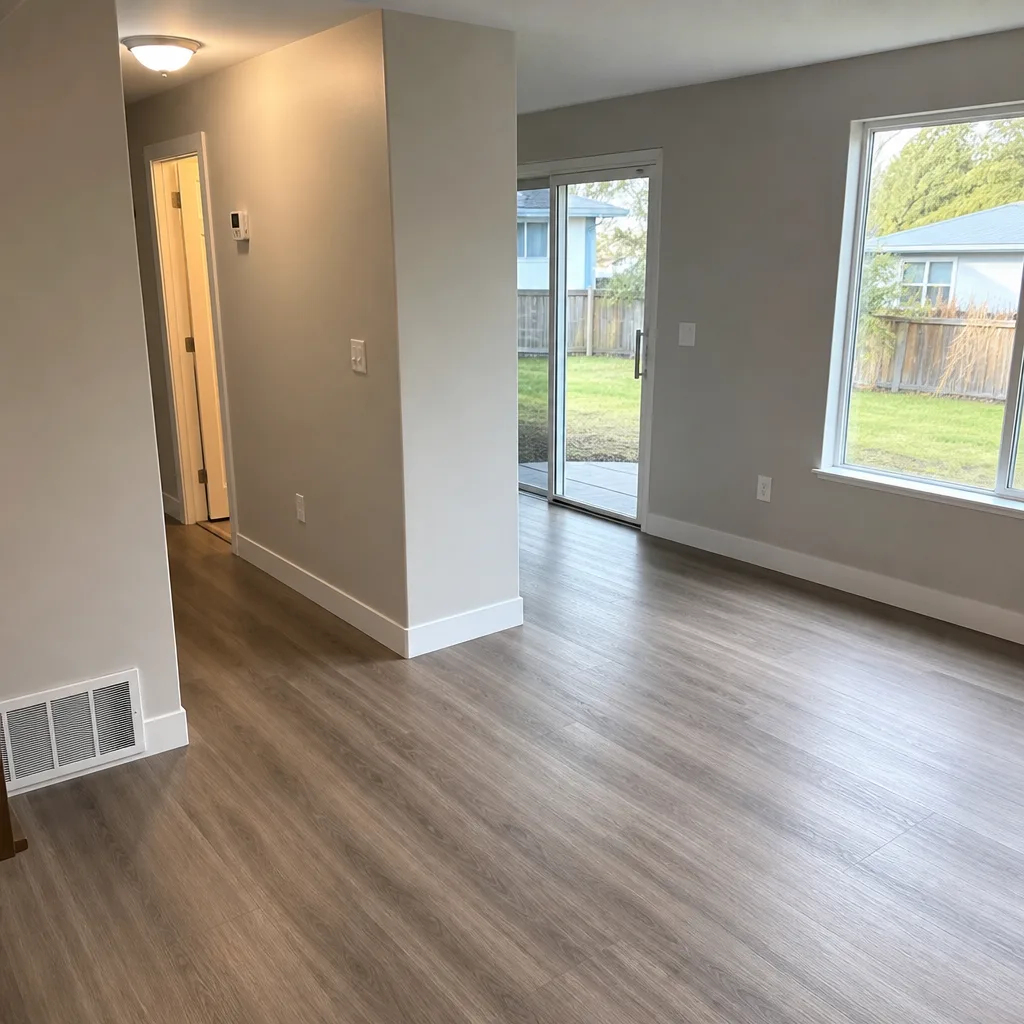 After
After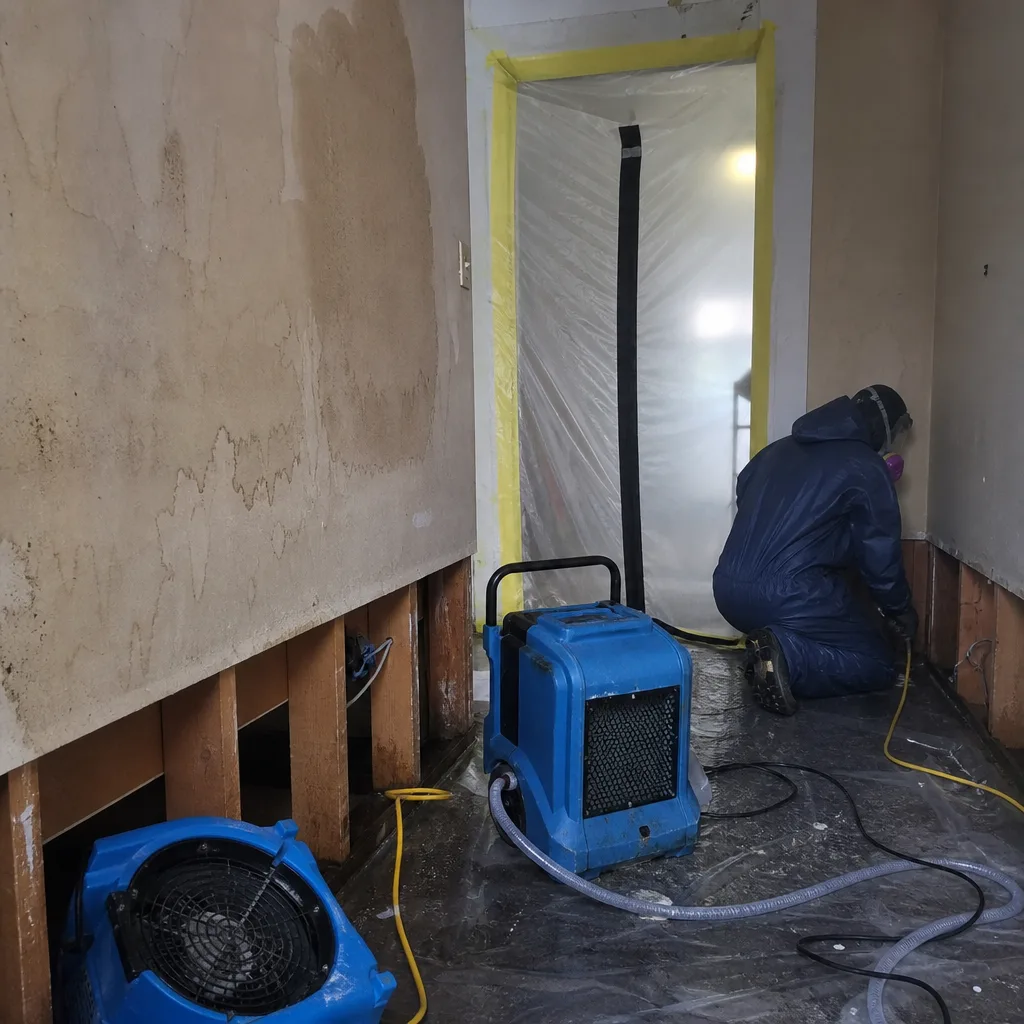 Before
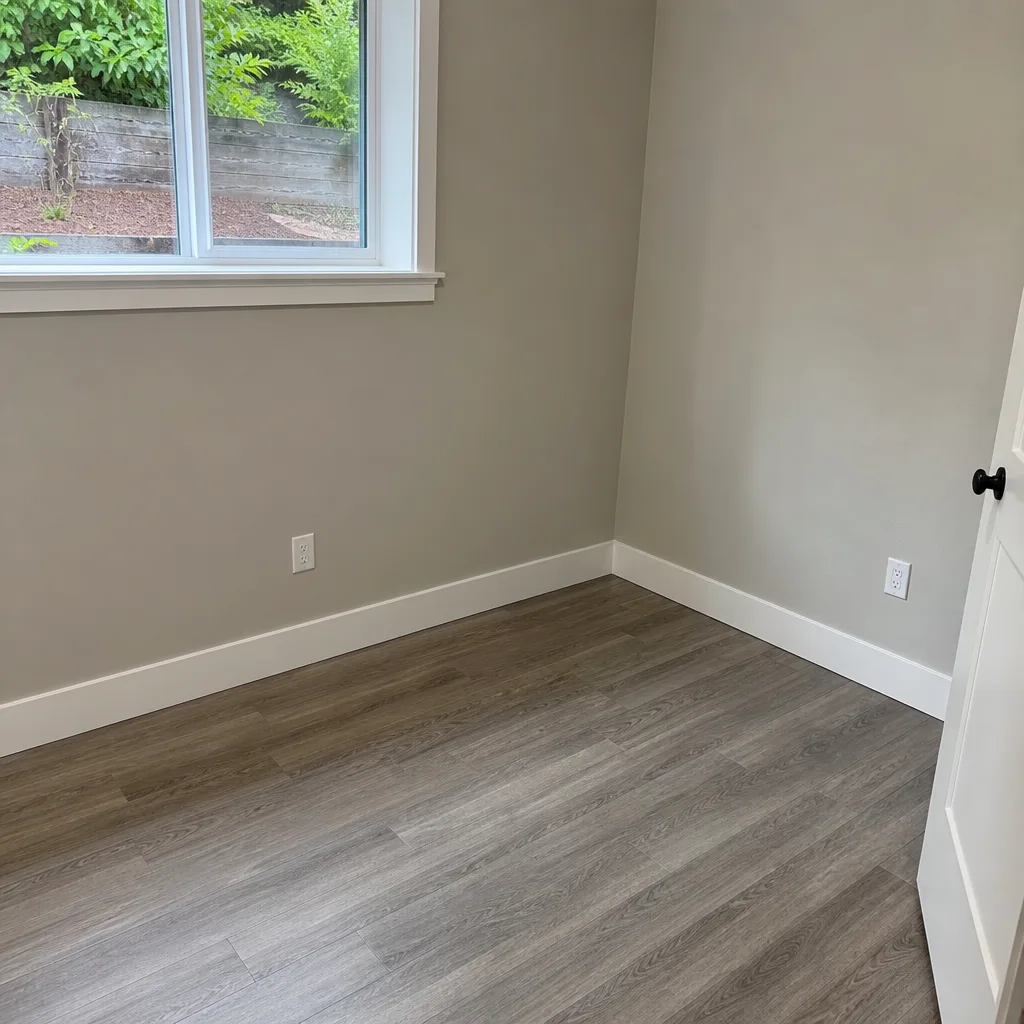 After
AfterThe Complete Guide to Damage Restoration in Renton
A water-damaged wall that dries to 15% moisture content on paper but 22% behind the baseboard isn’t restored - it’s a mold claim waiting to file itself. The difference between those two numbers is whether your contractor logged daily readings or assumed. In Renton, where clay-heavy soil and 38+ inches of annual rainfall create moisture intrusion patterns that national drying standards underestimate, that assumption costs homeowners thousands in uncovered secondary damage. This guide - along with our more guides & resources - maps every phase of restoration through the lens of claim-ready documentation, not just physical repair. You’ll learn why the written scope issued before demolition begins matters more than the demolition itself, how Renton’s zoning districts create different permit requirements for the same structural work, and the four documentation gaps that produce partial claim payments - every single one preventable.
Quick Answer
Damage restoration in Renton, WA typically involves water damage mitigation, mold remediation, fire and smoke cleanup, or storm reconstruction, with costs ranging from $1,200 for contained water extraction to $45,000+ for full structural rebuilds after major fire or storm events. For a detailed look at what drives these figures, see our Damage Restoration Cost Breakdown: The Renton Homeowner’s Reference for 2026. The critical factor determining whether your insurer pays the full claim is not your policy language - it’s whether your restoration contractor produces a documented chain: initial moisture mapping, daily drying logs with psychrometric data, and final clearance readings, all compiled before the first wall comes down. Without this documentation, even legitimate damage gets disputed.
Table of Contents
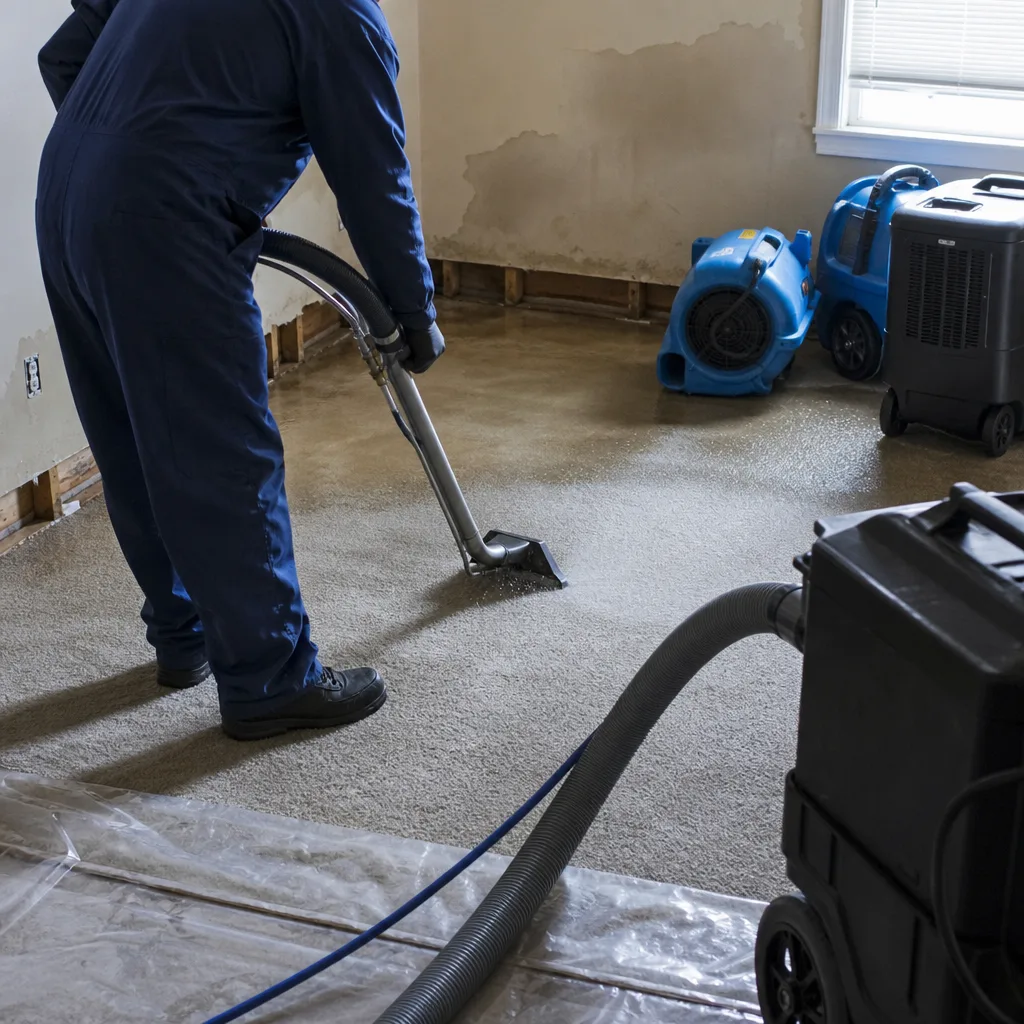
- Why Renton’s Climate Changes the Math on Drying Time
- The Documentation Chain That Turns Invoices Into Paid Claims
- Why the Written Scope of Work Is Your Most Consequential Document
- Permit Requirements Across Renton’s Zoning Districts
- Four Documentation Gaps That Produce Partial Claim Payments
- What Each Restoration Service Actually Involves
- Costs and Timelines in the Renton Market
- Choosing a Contractor: What to Verify Before Signing
BeforeAfterWhy Renton’s Climate Changes the Math on Drying Time
Renton sits on the Renton Hills formation and the Cedar River floodplain, with soil composition that shifts dramatically from the clay-dominant lowlands near the Boeing plant to the sandier loam of the Highlands. That clay doesn’t drain - it holds water against foundation walls for weeks after surface flooding recedes. We’ve measured foundation moisture readings of 28% three weeks after visible water disappeared, in homes where contractors had already signed off on “dry” conditions.
The national IICRC S500 standard assumes a standard vapor pressure differential of 0.5 to 1.0 inches of mercury for effective drying. In Renton’s spring and fall, when outdoor relative humidity routinely holds above 75% for days, achieving that differential requires longer drying windows, supplemental dehumidification capacity, or controlled heat injection. A contractor applying national averages to a Renton basement is planning for mold.
The rainfall pattern matters too. Renton’s 38+ inches don’t fall evenly - they arrive in concentrated November through March storms that saturate soil before the first drop enters your house. By January, the ground around many Renton homes is at field capacity. Any foundation crack, window well failure, or grade deficiency becomes a water pathway because there’s nowhere else for the water to go.
Neighborhood-specific patterns we’ve documented:
- Fairwood and East Renton: Older homes with original cast-iron sewer lines experience lateral infiltration during peak groundwater events. The water enters through floor drains and foundation joints, not roof leaks - a pattern that looks like “rising damp” but is actually pressurized groundwater.
- Downtown and South Renton near the Cedar River: Post-war homes with minimal foundation waterproofing see capillary wicking through block walls. The damage shows at the baseboard first, often misdiagnosed as a plumbing leak.
- The Landing and newer construction: Tight building envelopes with inadequate mechanical ventilation create condensation-driven moisture in wall cavities during heating season. We’ve found 19% moisture content in drywall with no liquid water source - pure vapor drive.
This is why our drying protocols for Renton jobs specify equipment from Dri-Eaz and Phoenix at higher density than IICRC tables suggest, with daily psychrometric logging that tracks grain depression (the actual moisture-holding capacity of air) rather than just temperature and relative humidity. Grain depression tells you whether the air in your drying chamber can still absorb water from wet materials. When it plateaus, you’re not drying anymore - you’re incubating.
Water Damage Restoration in Renton requires this climate-adjusted approach from hour one.
The Documentation Chain That Turns Invoices Into Paid Claims
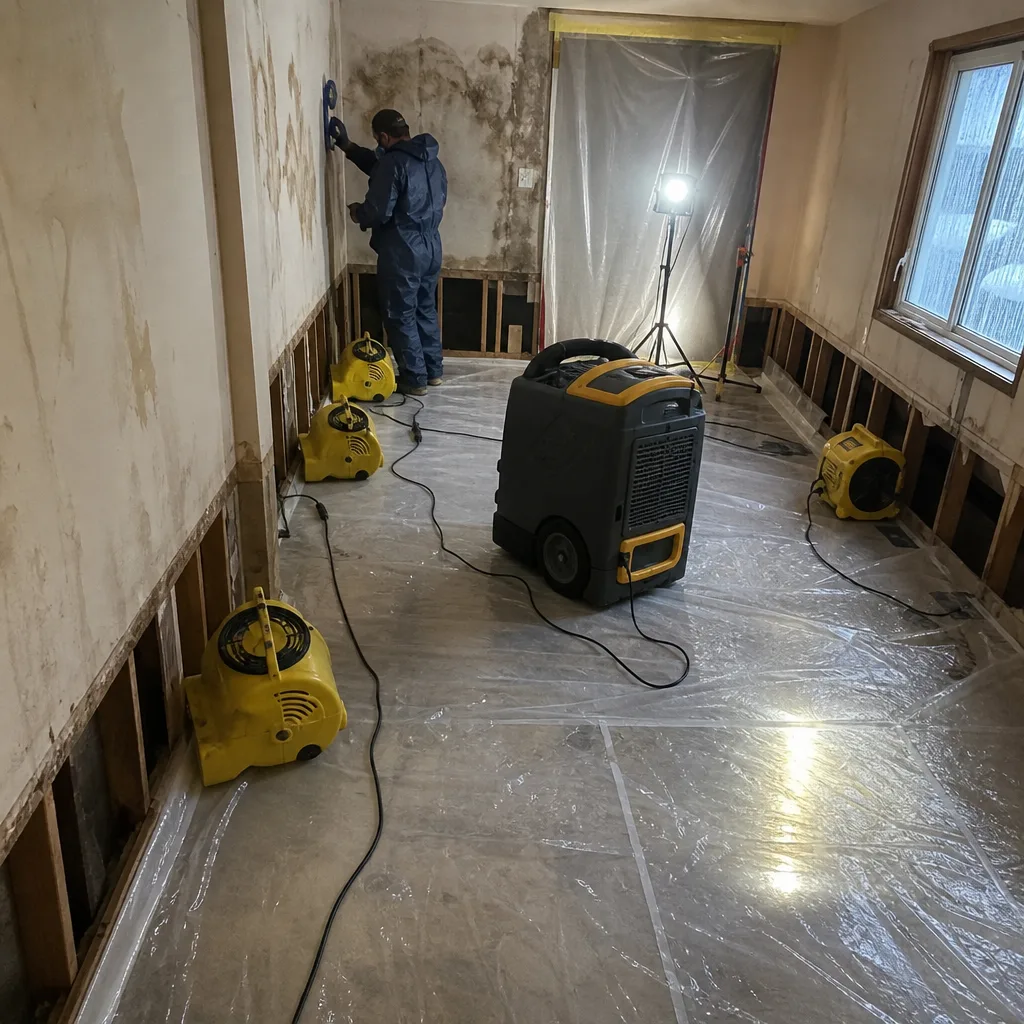
We’ve reviewed thousands of denied or partially paid claims. The damage was real. The coverage existed. The failure was in the documentation chain - the sequence of records that connects the initial loss to the final invoice in a way an adjuster can verify and an insurer can defend.
Here’s the chain that works:
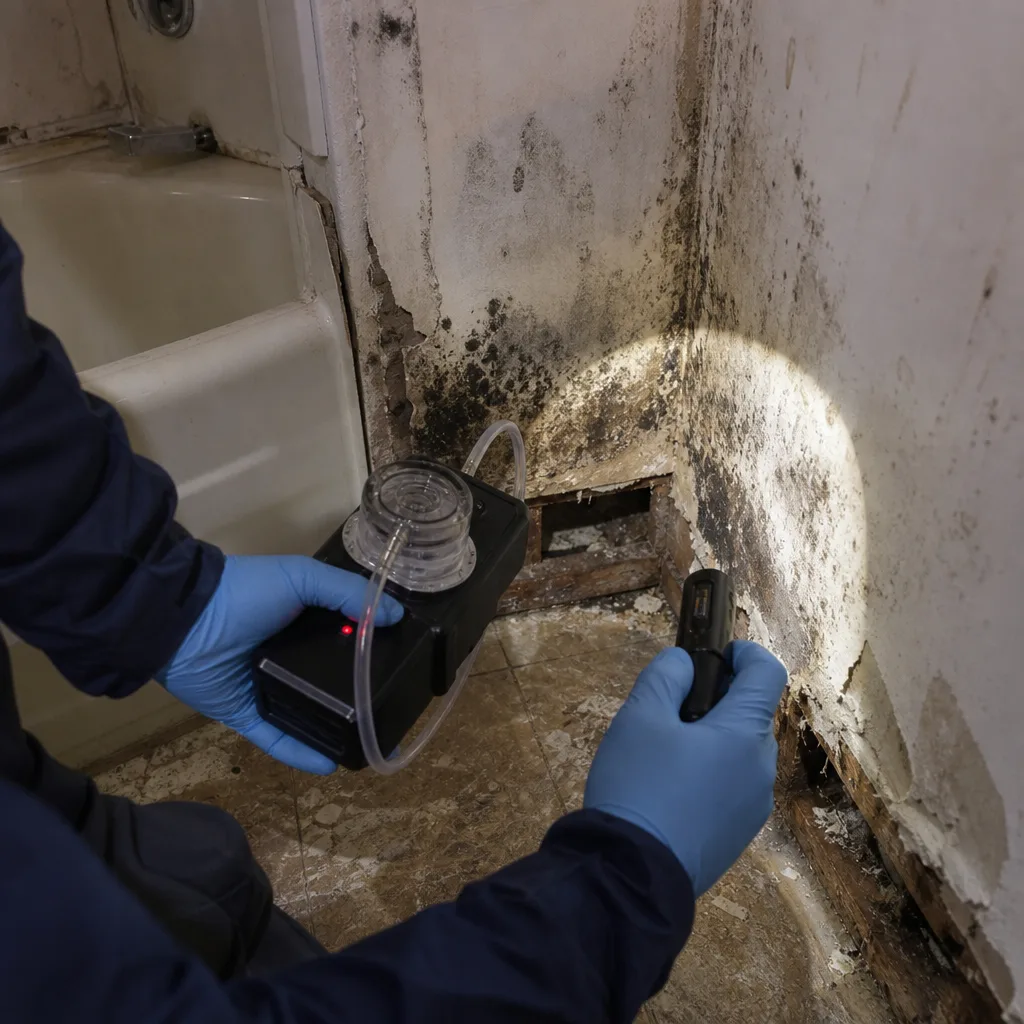
- Initial moisture mapping with thermal imaging. Before any equipment runs or any material is removed, we document every wet surface with infrared photography and pinless moisture meters, recording readings to a tenth of a percent. This creates the baseline that proves the loss existed, proves its extent, and proves it was addressed. In a 2023 Cedar River flood job in Renton’s Oakesdale neighborhood, this mapping revealed water migration 14 feet from the visible damage, into a closet that would have been missed. The insurer paid for that closet because the thermal image was time-stamped before demolition began.
- Daily drying logs with psychrometric data. Every 24 hours, we record temperature, relative humidity, and specific humidity (grains per pound) at multiple points in the affected space and in the outdoor reference air. We also log moisture content readings from representative materials - typically studs, subfloor, and drywall - until they reach the dry standard for that material in this climate. For dimensional lumber in Renton’s winter, that’s 12-15%, not the 10% a contractor might assume from a national table. The gap between assumed and actual dry standard is where mold grows and claims get disputed.
- Photo record on every visit. Haven Standard protocol requires dated, geotagged photographs of every affected room at every site visit - equipment placement, moisture readings, material conditions, and any changes. These photos are delivered to the homeowner and available to the adjuster. They’re not marketing photos. They’re evidence.
- Clearance testing with third-party verification. For mold remediation and Category 3 water losses, we engage independent environmental consultants to collect air and surface samples, with chain-of-custody documentation. The restoration isn’t complete when we say it is. It’s complete when a third party documents that it is.
The drying log is the document that most directly affects payment. Adjusters see hundreds of invoices with line items for “dehumidifier, 5 days” and no data proving the dehumidifier was necessary for five days versus three. A log showing that grain depression didn’t reach target until day four, with readings every day, justifies the equipment. Without it, the line item gets cut.
We’ve been documenting to RIA and IFA standards since 2011 because those standards specify what data to collect and how to present it. The equipment brands matter less than the discipline of collection. But the equipment does matter - Dri-Eaz and Phoenix dehumidifiers log runtime hours internally, and we photograph those displays as part of the record. It’s harder to dispute a machine that documented its own operation.
Why the Written Scope of Work Is Your Most Consequential Document
Haven Standard, Clause 1: written price before work begins. This exists because we’ve seen what happens without it.
A homeowner in Renton’s Talbot Hill neighborhood called us after a fire restoration where the contractor’s “estimate” was a single page with a total. Demolition started. Then the contractor found “unexpected” structural damage and stopped work, demanding a 40% increase before continuing. The homeowner had already displaced their family to a hotel. The insurer wouldn’t approve the increase without documentation that didn’t exist. The job sat for six weeks.
The written scope prevents this. It’s not an estimate. It’s a detailed specification of every task, material, and labor hour required to restore the property to pre-loss condition, with line-item pricing and a total that doesn’t change unless the scope changes - and scope changes require written change orders with homeowner and insurer acknowledgment.
A proper scope for a Renton water damage job includes:
- Square footage of affected areas, classified by water category (1, 2, or 3) and material class (1-4 per IICRC)
- Specific equipment by type and count, with placement locations
- Demolition specifications - exactly what comes out, to what depth, and how it’s disposed
- Drying targets by material type, with reference to the dry standard being used
- Reconstruction specifications - what goes back, with what materials, finished to what level
- Timeline with milestones for equipment removal, reconstruction start, and substantial completion
- Contingency allowances for concealed damage, with explicit trigger conditions
The scope is issued before demolition because demolition reveals concealed conditions. If your contractor scopes after demolition, they’re guessing at what was there before they removed it. That’s not a scope - it’s a retrospective justification.
We also provide a Free Second Opinion on any competitor’s written estimate. Bring us another contractor’s scope and we’ll review it for completeness, accuracy, and consistency with IICRC standards - at no charge. We’ve found $8,000 in missing line items on a competitor’s “complete” fire restoration scope, and we’ve found $3,200 in unnecessary demolition on another. The review takes an hour. The protection lasts the length of the job.
Permit Requirements Across Renton’s Zoning Districts
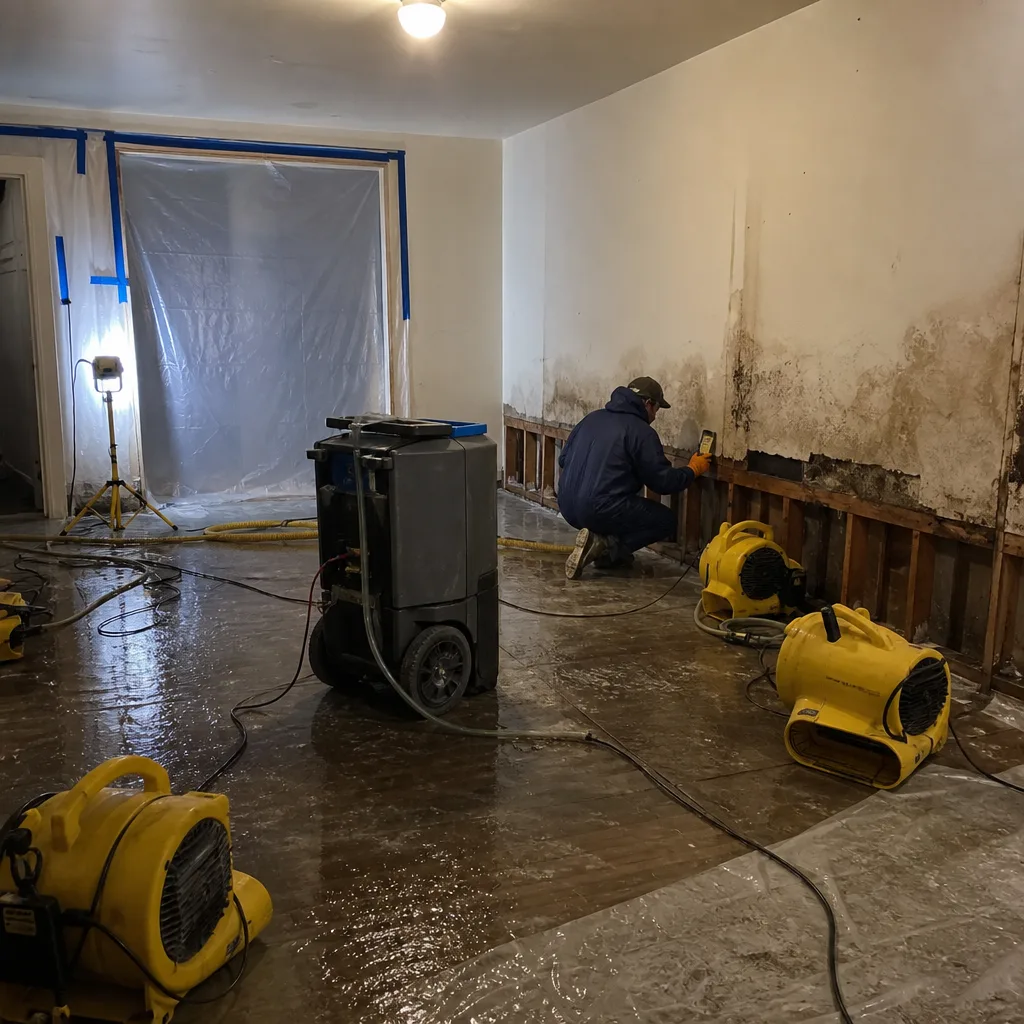
Renton’s building department operates under the International Building Code with city amendments, but Damage Restoration Permits, Codes & Inspections in WA: What You Need to Know vary significantly by zoning district and project scope. A contractor who doesn’t understand these distinctions can delay your project by weeks or expose you to stop-work orders.
Cedar River Corridor and Flood Hazard Areas
Properties in the 100-year floodplain, including portions of downtown Renton, the riverfront south of the Boeing plant, and areas near the confluence of the Cedar and Black Rivers, face additional requirements. Any structural repair or reconstruction in these zones requires:
- Floodplain development permit from the City of Renton, separate from the standard building permit
- Documentation that repairs meet the “substantial improvement” threshold - if damage exceeds 50% of the structure’s pre-damage market value, the entire structure must be brought to current floodplain elevation requirements
- Elevation certificate updated and filed with FEMA
We’ve handled flood restoration in the Renton Riverfront area where the initial damage assessment came in at 47% of value - just under the substantial improvement trigger. Our documentation of actual repair costs, compiled before work began, kept the project under the threshold and avoided a mandatory elevation requirement that would have added $80,000 and six months.
Highlands and Slope Stability Zones
The Renton Highlands and areas along the western slope of the hills sit on soils with documented landslide potential. Excavation for foundation repair or drainage correction may trigger geotechnical review. The city requires a soils report for any excavation below grade adjacent to a slope greater than 15%. We’ve seen contractors begin drainage work without this review and receive stop-work orders that added three weeks to a project.
Historic District and Design Review
Portions of downtown Renton and the Houser Street area fall under design review for exterior alterations. Fire restoration that changes windows, siding, or roofline requires Historic Preservation Commission approval before permit issuance. This isn’t a quick process - plan 4-6 weeks for staff review and hearing scheduling. A contractor who starts demolition without confirming design review status is planning a delay.
Standard Residential Zones
For most Renton residential restoration - water damage repair, mold remediation, interior fire restoration - permits are required for:
- Structural repairs (framing, load-bearing walls, foundations)
- Electrical work beyond like-for-like replacement
- Plumbing modifications
- HVAC duct replacement or relocation
- Roofing replacement exceeding 25% of total roof area in any 12-month period
Permits are not required for cosmetic restoration - painting, flooring replacement, cabinet installation - provided no structural or system work is involved. But the line between cosmetic and structural isn’t always obvious. Removing water-damaged drywall to replace it: no permit. Removing water-damaged drywall and discovering damaged studs that need sistering or replacement: permit required for the structural repair.
Our scopes specify permit requirements by line item, with responsible party identified. When we handle permits, we include the permit application and inspection scheduling in our timeline. When the homeowner or another party handles permits, we note the dependency in writing so the schedule accounts for it.
Four Documentation Gaps That Produce Partial Claim Payments
These are the patterns we see in the Free Second Opinion reviews we perform. Every one is traceable to documentation failure, not policy exclusion.
Gap 1: No Pre-Demolition Moisture Mapping
The insurer pays for what was wet. If your contractor demolished before documenting what was wet, the insurer pays for what they can prove was wet - which is whatever the contractor photographed before starting. We’ve reviewed jobs where contractors removed 400 square feet of drywall based on “visual inspection” with no moisture meter readings, no thermal images, no photos of the wet material before removal. The insurer paid for 180 square feet. The homeowner absorbed the difference.
Gap 2: Drying Logs That Don’t Show Progression
A dehumidifier running for five days justifies five days of rental. A dehumidifier running for five days with daily readings showing the space reached dry standard on day three justifies two days of rental. The difference is $400-600 on a typical residential job, and adjusters routinely cut it. Logs must show material moisture content declining toward target, with the target specified, and must show equipment adjustments responsive to the data.
Gap 3: Scope Written After Demolition
When the scope is written after demolition, it can’t distinguish original damage from damage caused by the demolition itself. Insurers dispute line items for “additional structural repair” when the scope doesn’t establish that the structure was damaged before the contractor removed the finishes covering it. The written scope before demolition is the only document that can make this distinction.
Gap 4: No Third-Party Clearance for Mold or Category 3 Water
Self-certified clearance - “we tested it and it’s fine” - carries no weight with insurers or with courts if the issue resurfaces. Third-party clearance with chain-of-custody documentation is the standard that holds up. We’ve seen homeowners pay for repeat remediation because the original contractor’s clearance was inadmissible in a subsequent dispute, and the insurer treated the recurrence as a new loss subject to a new deductible.
Mold Remediation in Renton without third-party clearance is incomplete remediation, regardless of what the contractor invoices.
What Each Restoration Service Actually Involves
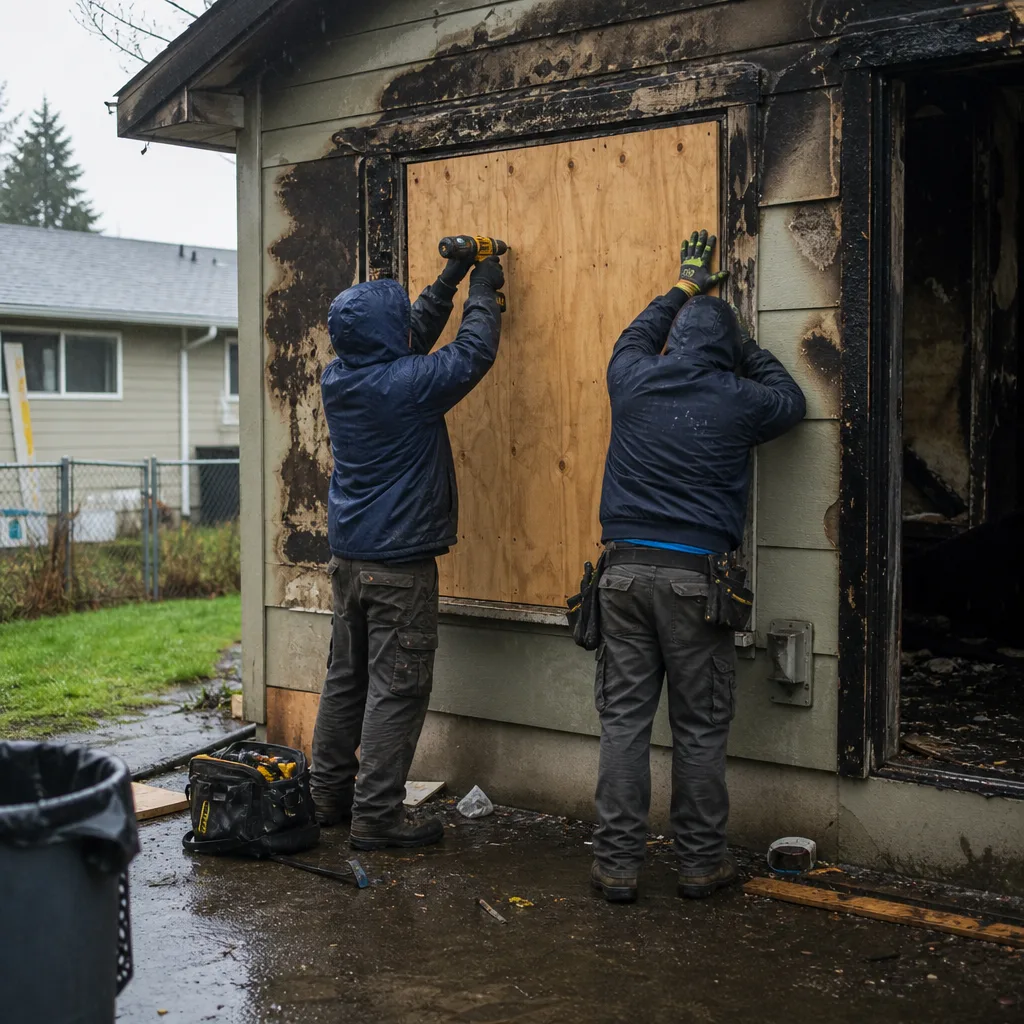
Damage restoration isn’t a single service. It’s a category of distinct disciplines with different protocols, equipment, and documentation requirements. Here’s what each involves in practice.
Water Damage Restoration
The process begins with water source control and categorization. Category 1 (clean water from supply lines) becomes Category 2 (gray water) within 48-72 hours of contact with building materials, and Category 3 (black water) if it contacts sewage or ground water. The category at the time of extraction determines the restoration protocol, not the original source.
Extraction removes standing water. Structural drying removes bound water from materials. The equipment is different - extractors for liquid, air movers and dehumidifiers for vapor. A common error is deploying dehumidifiers before extraction is complete, which wastes equipment hours and extends drying time.
We document water category, extraction volume, and equipment placement in the initial scope, with daily logs tracking specific humidity and material moisture content until dry standard is achieved. DryMark Restoration Renton home provides 24/7 live dispatch for water emergencies - no voicemail, no next-day callback while water continues migrating.
Mold Remediation
Mold remediation is not mold killing. It’s source control, containment, removal, and clearance. The source is moisture. Without moisture control, remediation is temporary. Containment prevents spore dispersal during removal - typically negative air pressure with HEPA filtration. Removal means physical elimination of mold growth, not chemical treatment that leaves non-viable spores in place. Clearance means third-party verification that remediation was effective and source moisture was resolved.
We specify containment boundaries, negative air machine capacity, and removal methodology in our written scope, with post-remediation clearance testing by independent environmental consultants. The Haven Standard requires this documentation for warranty eligibility.
Fire & Smoke Damage Restoration
Fire damage has three components: thermal damage from flames, smoke damage from particulate deposition, and water damage from suppression. Each requires different restoration approaches. Thermal damage is structural - charred materials must be removed and replaced. Smoke damage is chemical - soot and odor compounds bond with surfaces and require specific cleaning agents by material type. Protein fires (kitchen grease) produce nearly invisible residues that corrode metals and etch glass if not addressed promptly.
Our fire scopes specify salvage versus replacement decisions by room and material, with documentation of pre-cleaning conditions. Fire & Smoke Damage Restoration in Renton follows this protocol on every job.
Storm & Disaster Restoration
Storm damage in Renton typically involves wind-driven rain, fallen tree impact, or flooding from overwhelmed drainage. The restoration challenge is often scope definition - distinguishing storm damage from pre-existing conditions, and coordinating with multiple insurance coverages (wind, flood, homeowners) that may apply to different portions of the loss.
We document storm damage with date-stamped photography, weather service records, and independent structural assessment when impact is involved. This documentation supports coverage determinations that can otherwise take months to resolve.
Sewage Cleanup
Category 3 water losses require removal of porous materials that contact the water, HEPA vacuuming of non-porous surfaces, and antimicrobial application with documented dwell time. “Clean and treat” without material removal is not Category 3 restoration - it’s a health hazard and a claim dispute waiting to happen.
Reconstruction & Cleanup
Reconstruction is not mitigation. Mitigation stops damage and stabilizes conditions. Reconstruction returns the property to pre-loss condition. These are separate trades with separate billing structures. Mitigation is typically emergency service, billed by equipment and labor hours with limited material costs. Reconstruction is construction, billed by project with material specifications and subcontractor coordination.
We issue separate scopes for mitigation and reconstruction, with distinct timelines and payment schedules. This separation protects the homeowner from paying reconstruction deposits before mitigation is complete and documented.
Costs and Timelines in the Renton Market
These ranges reflect our experience in the Renton market since 2011, with 12,000+ homes restored. Every job is scoped individually - these are ranges, not quotes.
| Service Type | Typical Range | Timeline | Key Cost Driver |
|---|---|---|---|
| Category 1 water extraction and drying (contained, <150 sq ft) | $1,200 - $2,800 | 2-4 days | Material class and equipment density |
| Category 2 water damage, multiple rooms | $3,500 - $8,500 | 4-7 days | Extent of demolition required |
| Category 3 sewage loss, full protocol | $5,500 - $14,000 | 5-10 days | Porous material removal volume |
| Mold remediation, contained area (<100 sq ft) | $2,000 - $4,500 | 3-5 days | Containment complexity and clearance testing |
| Mold remediation, whole-house or HVAC | $8,000 - $25,000 | 1-3 weeks | Ductwork involvement and source repair |
| Fire restoration, light smoke (cleaning only) | $3,500 - $7,500 | 1-2 weeks | Odor severity and material sensitivity |
| Fire restoration, structural damage | $15,000 - $65,000+ | 2-6 months | Structural repair scope and permit timeline |
| Storm damage, roof and interior | $8,000 - $35,000 | 2-8 weeks | Roofing season and material availability |
| Full reconstruction, water-damaged kitchen | $18,000 - $45,000 | 4-10 weeks | Finish selections and appliance specifications |
These ranges assume standard residential construction in Renton’s market. Historic properties, custom finishes, or specialized materials (terrazzo, imported tile, custom millwork) increase costs proportionally. Our scopes specify material allowances that can be adjusted before work begins - Haven Standard, Clause 1 means no surprise additions after the crew is inside.
Insurance coverage affects out-of-pocket cost, not the restoration cost. We coordinate directly with adjusters, providing the documentation package that supports claim payment. Direct insurance billing is available when coverage is confirmed.
Choosing a Contractor: What to Verify Before Signing
The documentation standards we’ve described only matter if your contractor actually follows them. Here’s what to verify before you sign any agreement.
- Written scope before work begins. Not an estimate. A scope - detailed, line-itemed, with your signature and theirs. If they can’t produce this, they can’t produce the documentation your claim requires. Haven Standard, Clause 1 exists precisely because this standard is not universal.
- Daily documentation commitment in writing. Ask how often they document, what they document, and what you receive. “We’ll take photos” is not a commitment. “Daily photo record delivered to you within 24 hours of each site visit, with moisture readings and equipment runtime logs” is.
- Third-party clearance for mold and Category 3 water. Self-certification is not clearance. Ask who performs post-remediation verification and whether they’re independent of the restoration contractor. If the answer is “we do our own testing,” the verification has no independent value.
- License verification with number provided. Washington State requires specialty contractor registration for restoration work. Verify the number with the Department of Labor and Industries. Ask if the technicians who will be in your home are employees or subcontractors - background-checked, uniformed, and identified by name.
- Insurance and bond documentation. General liability, workers compensation, and surety bond. Request certificates of insurance naming you as additional insured for the project duration. This is standard practice, not an unusual request.
- Warranty in writing, with specific terms. The 365-Day Done Right Promise specifies what “done right” means, what triggers re-performance, and how quickly re-performance occurs. Verbal assurances of “we’ll make it right” are not enforceable.
We’ve operated under these standards since 2011 because Alicia Brennan founded Back to Dry after seeing the documentation gap from the adjuster’s side. The company was built around the problem it solves - not around marketing claims, but around documented performance that holds up to scrutiny.
Common Mistakes to Avoid
- Waiting to call until you “see how bad it gets.” Water migrates horizontally and vertically through capillary action and vapor drive. By the time you see staining on a downstairs ceiling, the damage has spread through wall cavities and insulation. In Renton’s clay-soil conditions, foundation moisture can increase for days after surface water is gone. Early documentation captures the full extent; delayed documentation captures only what’s visible.
- Accepting a “verbal quote” or “ballpark figure.” This directly contradicts Haven Standard, Clause 1 and exposes you to scope creep. A contractor who won’t commit to a written price before work begins is a contractor who won’t commit to documentation standards that protect your claim.
- Letting the insurer’s preferred contractor scope the job without independent review. Preferred contractor programs don’t guarantee documentation quality. We’ve reviewed insurer-recommended scopes with $6,000 in missing drying equipment and no moisture mapping specified. The Free Second Opinion exists for exactly this situation.
- Ignoring permit requirements for “minor” structural work. Renton’s building department inspects based on complaints as well as permits. Unpermitted work discovered during sale inspection can delay closing or require retroactive permitting at higher cost. Our scopes identify permit requirements before work begins.
- Skipping third-party clearance to “save money.” The cost of independent clearance testing is $300-800. The cost of repeat remediation because self-certification was disputed is $3,000-15,000. The math is straightforward.
- Not documenting pre-existing conditions. Photograph your property before any restoration work begins, especially finishes and fixtures in unaffected areas. This protects against damage claims that are actually pre-existing wear.
- Paying reconstruction deposits before mitigation is complete and documented. Mitigation documentation supports your claim. Reconstruction paid before mitigation is complete may not be recoverable if coverage disputes arise. Separate scopes and payment schedules protect you.
When to Call a Professional
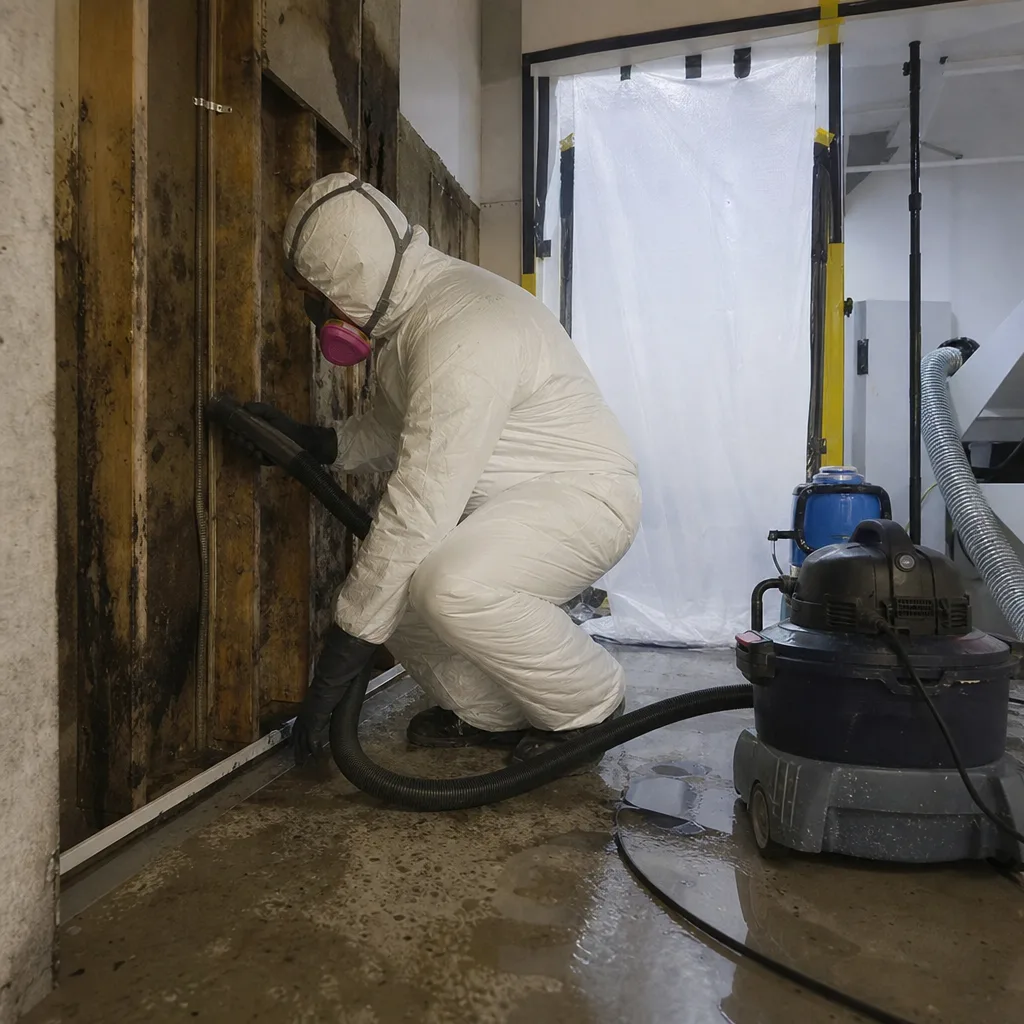
Call immediately when water is actively entering the structure, when you smell mold or see visible growth exceeding 10 square feet, after any fire regardless of apparent damage (smoke compounds continue reacting with surfaces), or when sewage or Category 3 water is involved. These situations worsen with time and complicate coverage if not documented promptly.
For storm damage, call when you can safely access the property - document with photographs before any cleanup or temporary repairs, as these affect coverage determinations. For suspected mold in a property you’re purchasing, call for assessment before closing - mold discovered post-purchase may not be covered by your homeowners policy.
DryMark Restoration Renton offers free estimates in Renton - call (360) 469-6341. A live person answers every call, 24 hours a day, 7 days a week, with no voicemail on emergency lines. We’ll review your situation, explain what documentation we’ll produce, and provide a written scope before any work begins. The Free Second Opinion is available for any competitor’s written estimate - bring it in and we’ll review it at no charge.
Frequently Asked Questions
Water damage restoration in Renton typically ranges from $1,200 for contained Category 1 losses to $14,000 for Category 3 sewage losses requiring full protocol remediation; fire restoration ranges from $3,500 for light smoke cleaning to $65,000+ for structural rebuilds; mold remediation ranges from $2,000 for contained areas to $25,000 for whole-house or HVAC-involved projects. Every job is scoped individually with line-item pricing in writing before work begins - call (360) 469-6341 for a specific estimate, which is free.
Most homeowners policies cover sudden and accidental water damage, fire, and storm damage, but coverage varies by cause and policy language. The determining factor in whether you receive full payment is documentation - a complete chain from initial moisture mapping through daily drying logs to final clearance. We coordinate directly with adjusters and provide the documented record that supports claim payment. Direct insurance billing is available when coverage is confirmed.
Our emergency lines are answered live, 24 hours a day, 7 days a week - no voicemail, no next-business-day callbacks. For active water intrusion in Renton, we typically deploy within 1-2 hours during normal conditions, with extended response times during major regional events affecting multiple properties. The first priority is source control and documentation; extraction and equipment placement follow.
Cleaning addresses surface conditions. Remediation addresses source moisture and removes contaminated materials. For Category 3 water or mold growth exceeding 10 square feet, cleaning without remediation violates IICRC standards and creates health liability. We assess with moisture meters and thermal imaging to determine whether the condition is surface-only or requires full protocol. The assessment is documented and provided to you before any work recommendation.
We deal directly with your adjuster, providing the documentation package that supports coverage and payment decisions. You remain the policyholder and must authorize our communication, but our role is to present the technical evidence in the format adjusters need. This includes moisture logs, photo records, scope specifications, and third-party clearances. We’ve worked with every major insurer serving Renton and understand their documentation requirements.
Standard residential drying in Renton takes 3-5 days for Category 1 losses with Class 1 or 2 materials, but clay-soil conditions and high seasonal humidity can extend this to 7-10 days for foundation-adjacent areas. We don’t estimate drying time - we measure it, with daily logs showing when materials reach their specified dry standard. Equipment stays until the data says it’s done, not before.
Mitigation stops damage and stabilizes conditions - extraction, drying, demolition of unsalvageable materials. Reconstruction returns the property to pre-loss condition - rebuilding, finishing, painting. These are separate trades with separate scopes, timelines, and billing. We issue distinct written scopes for each phase so you understand exactly what you’re paying for and when.
The Bottom Line
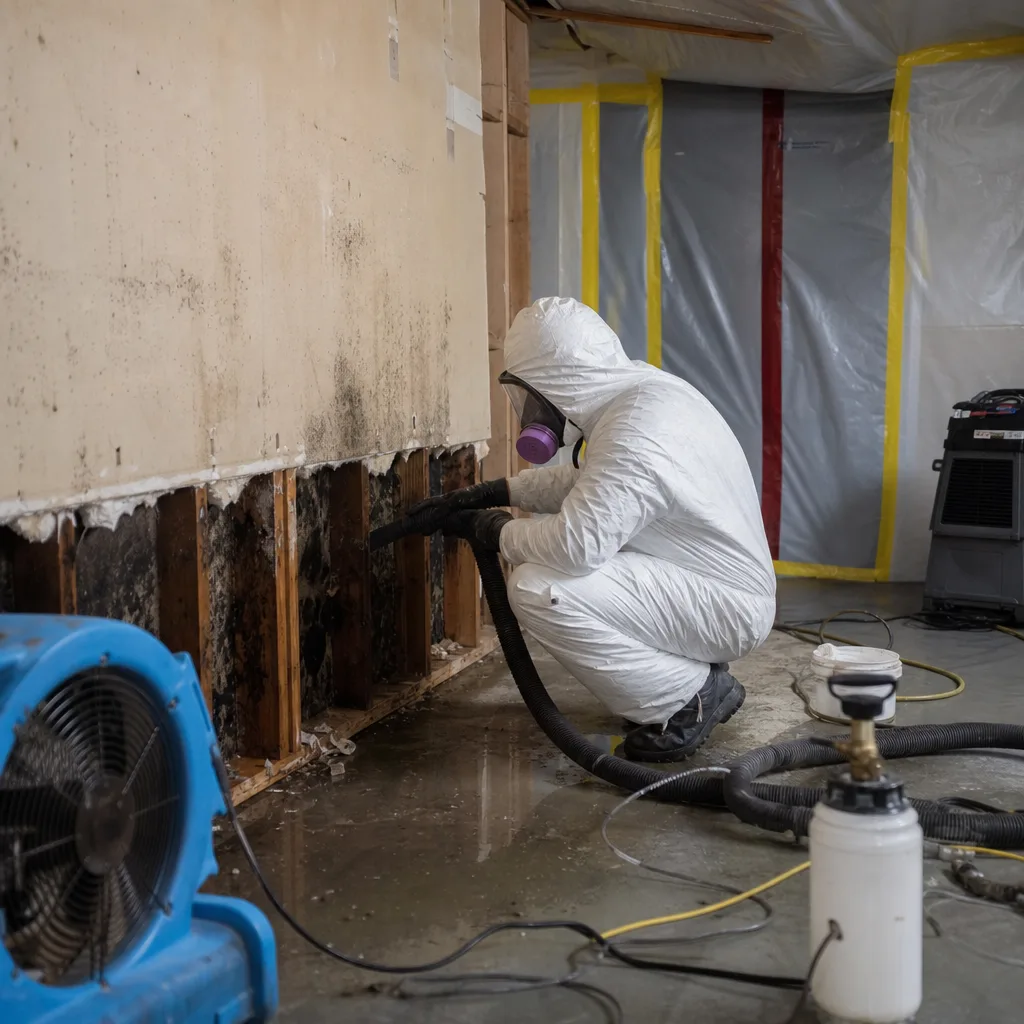
Damage restoration in Renton fails when documentation fails. The clay soils, concentrated rainfall, and variable zoning requirements of this market demand a contractor who documents before acting, measures instead of assuming, and produces records that turn restoration invoices into paid claims. The four documentation gaps - missing moisture mapping, incomplete drying logs, post-demolition scoping, and self-certified clearance - are all preventable with disciplined process.
The Haven Standard was built around this discipline. Written price before work begins. Photo record on every visit. Daily drying logs with psychrometric data. Third-party clearance when required. And the 365-Day Done Right Promise, signed and delivered, not mentioned and forgotten. These aren’t marketing distinctions. They’re the difference between a claim that pays and a dispute that costs.
Written by Alicia Brennan, Owner at DryMark Restoration Renton, serving Renton since 2011.