
Free visual inspection and a written scope of work before any mitigation begins - photos, moisture readings, and drying logs go in your claim file
The scope we write is the scope we bill. Anything new gets shown to you, in writing, before we touch it.
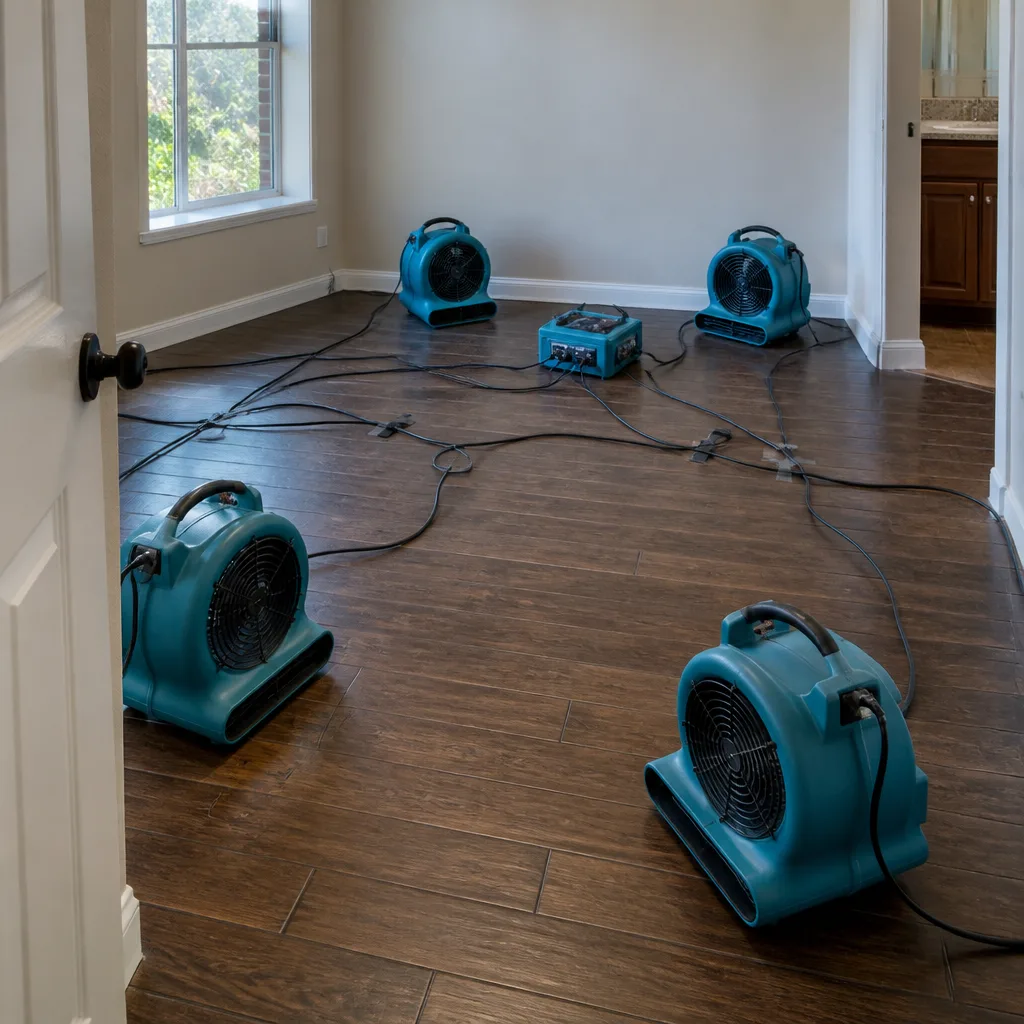
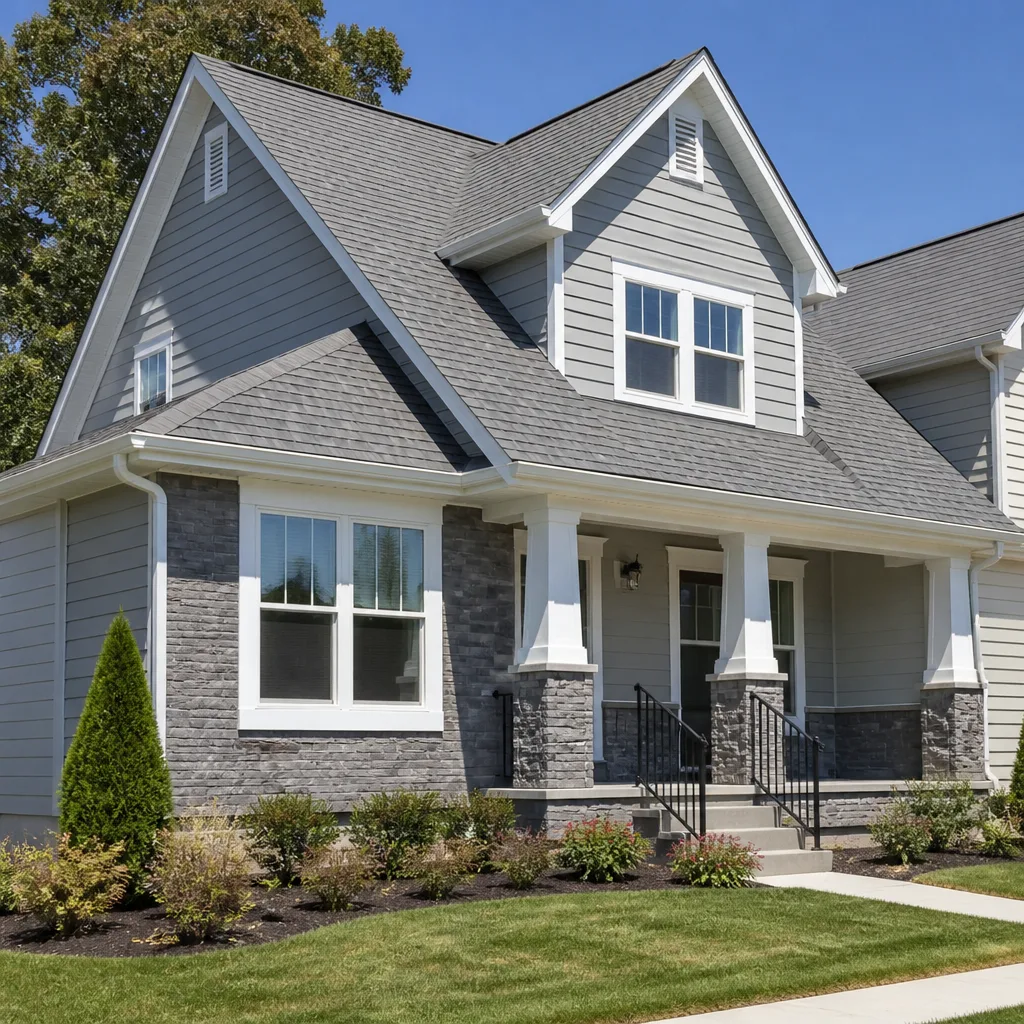
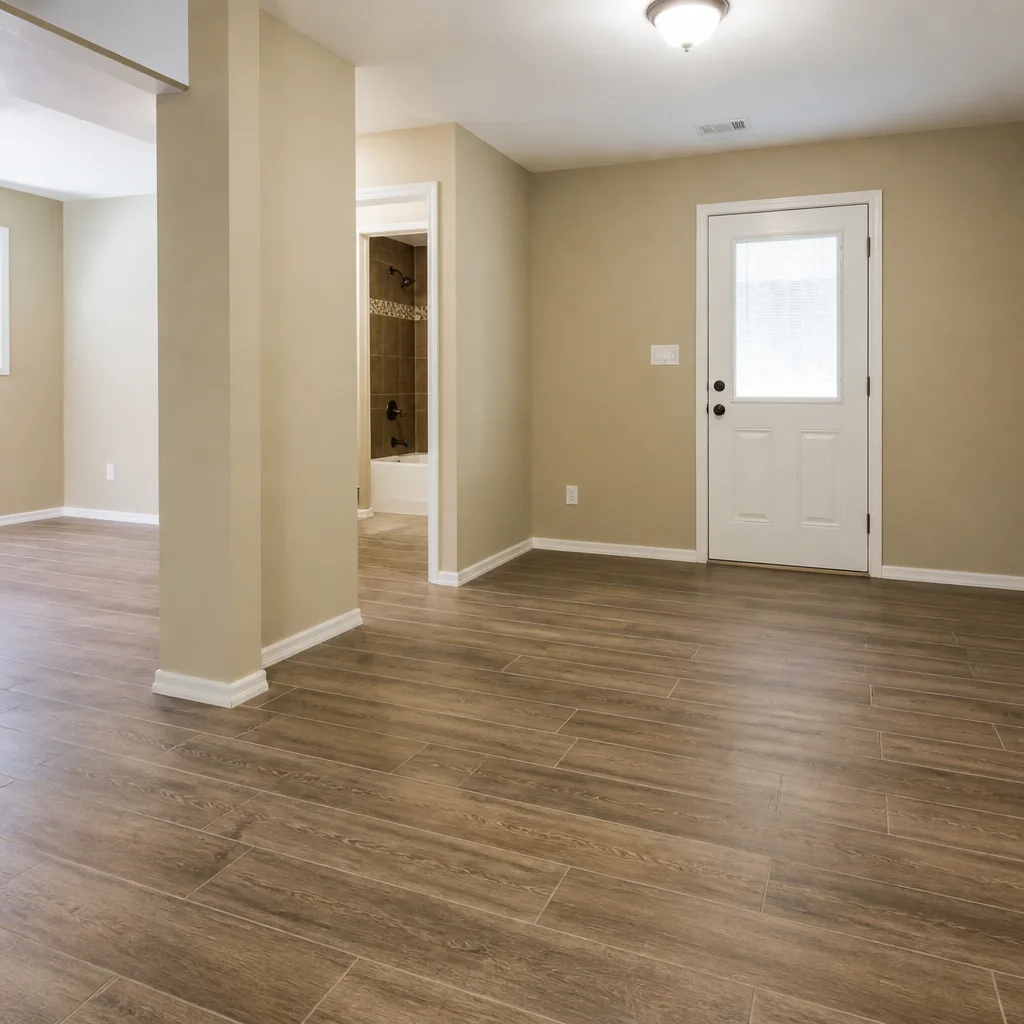
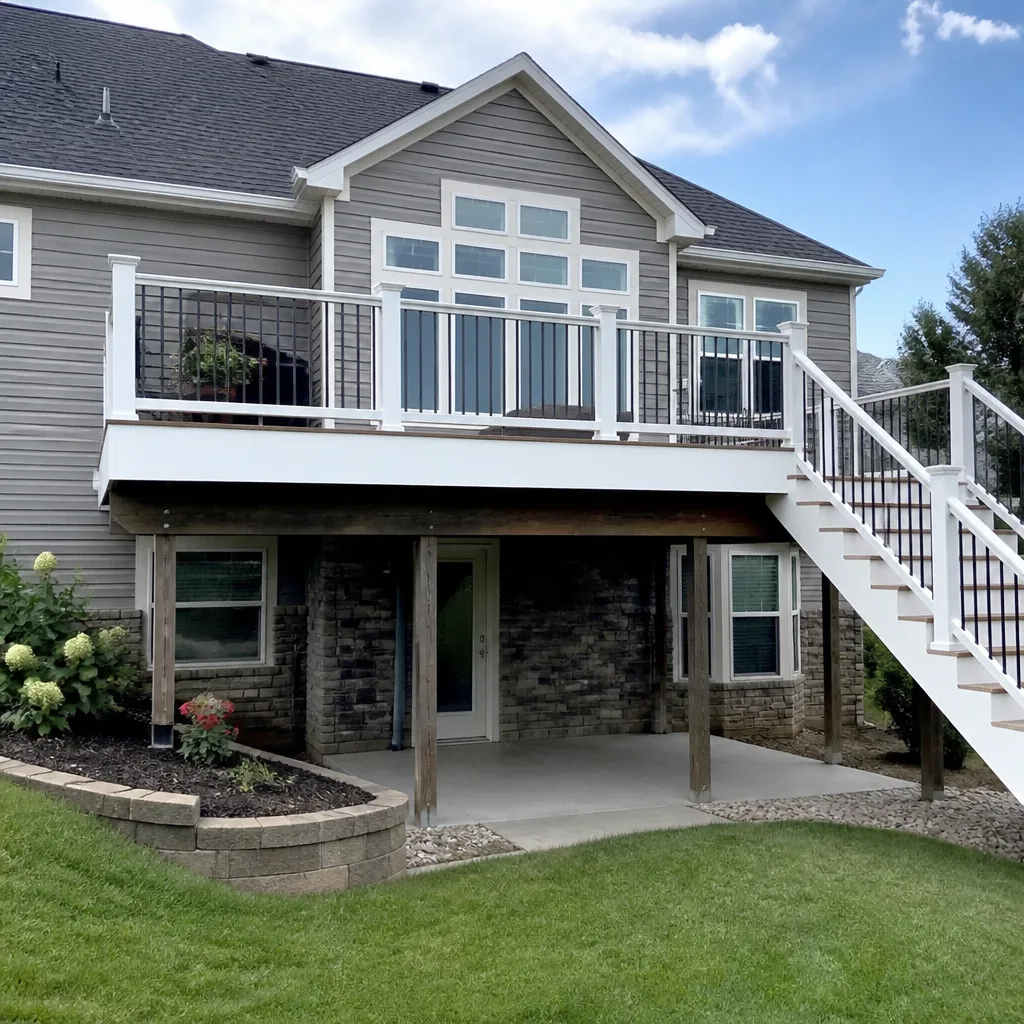
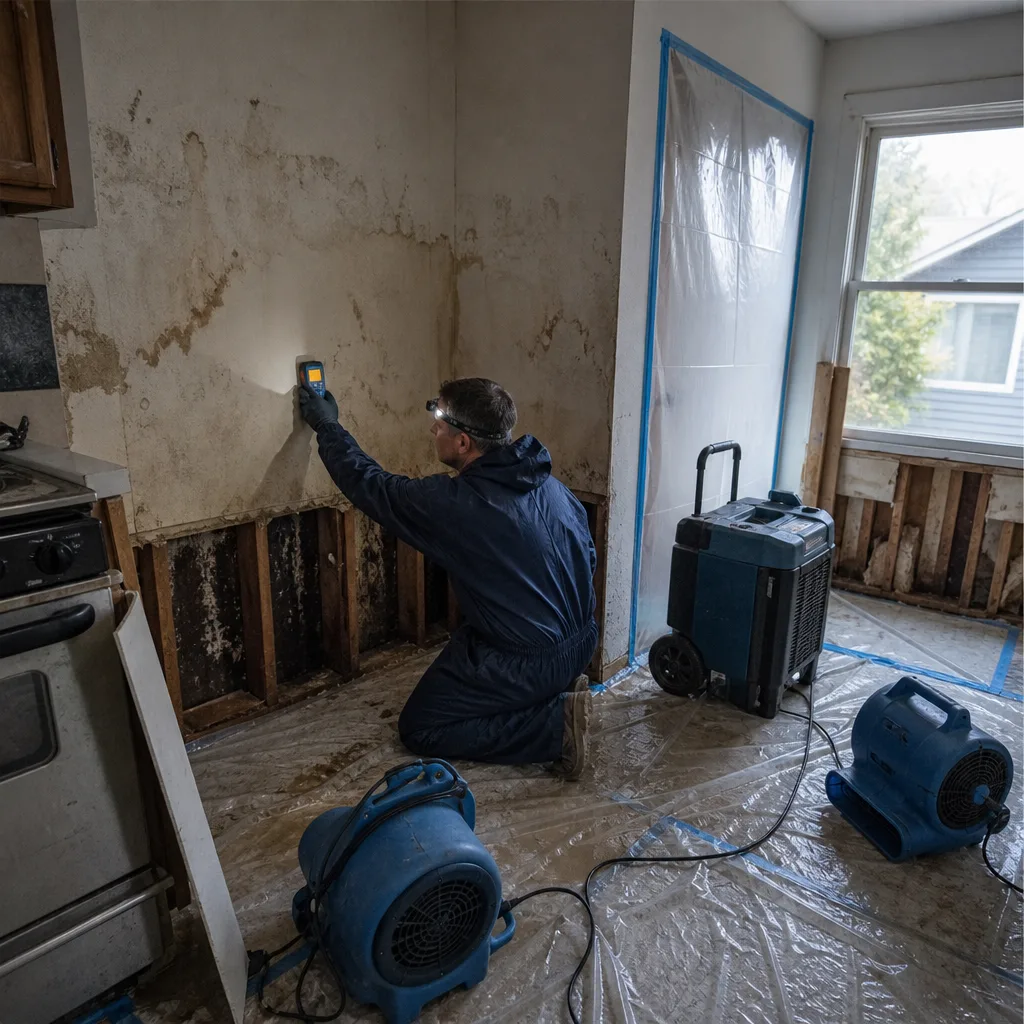 Before
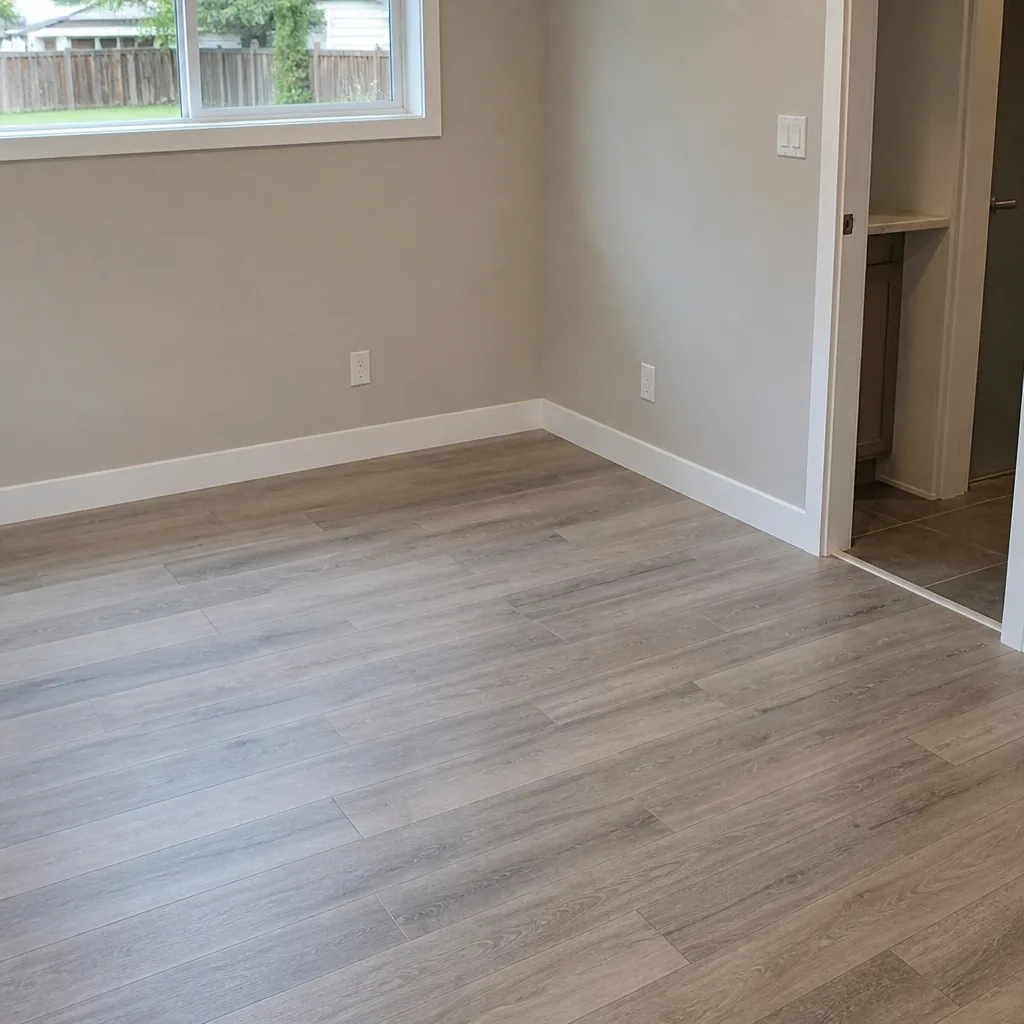 After
After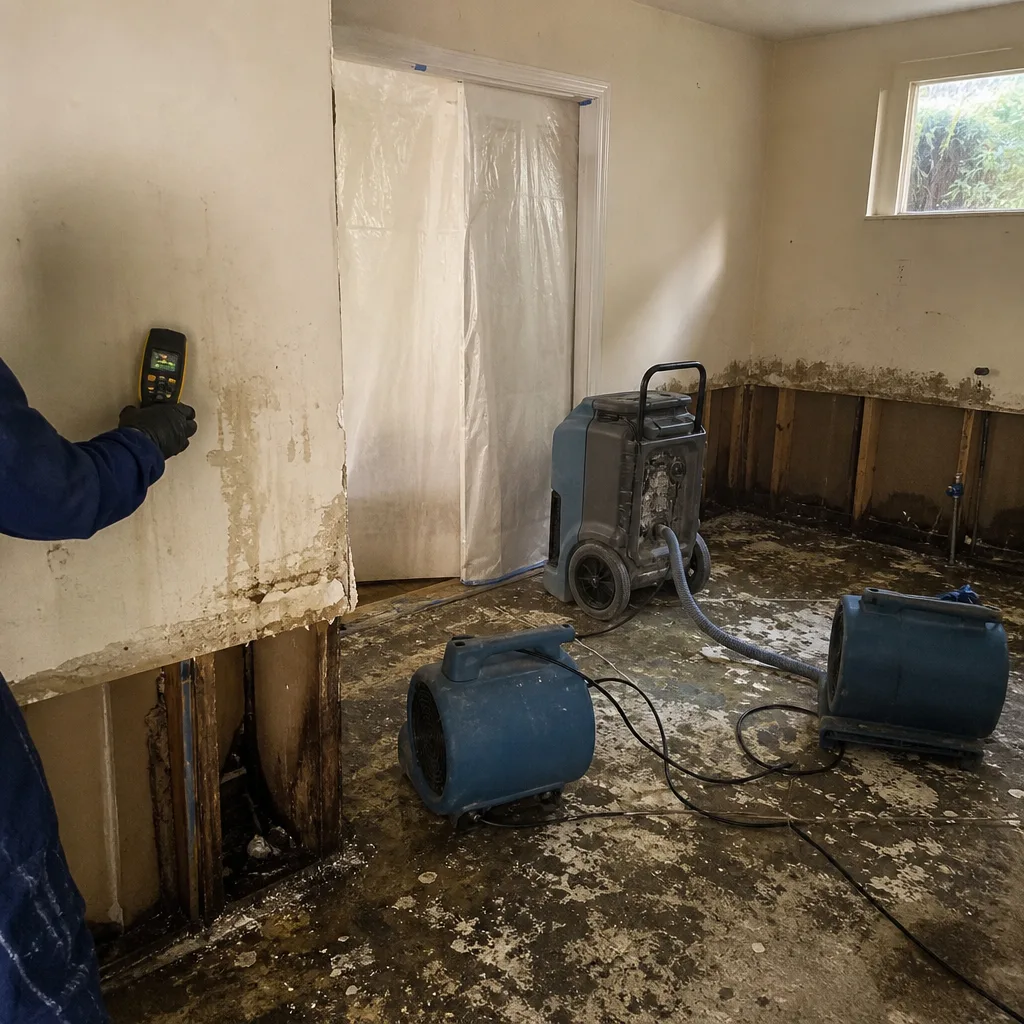 Before
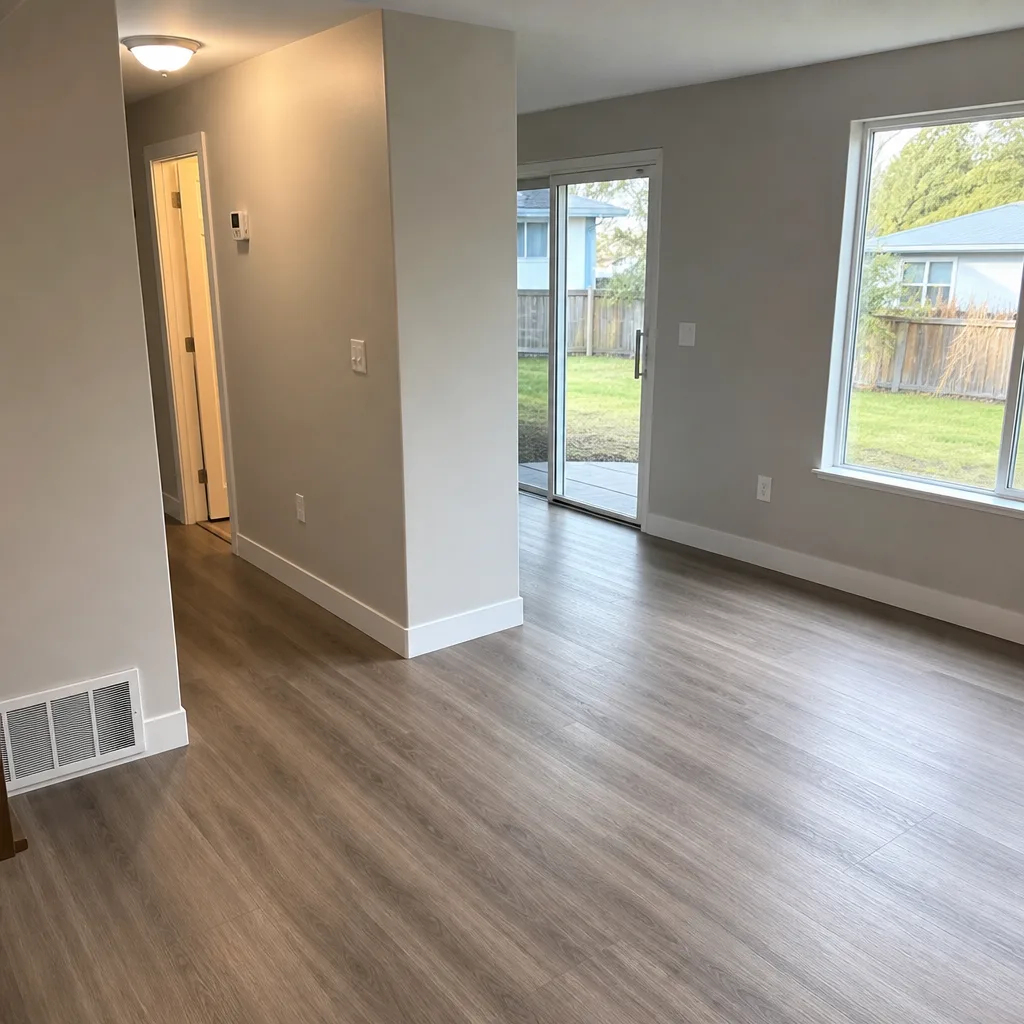 After
After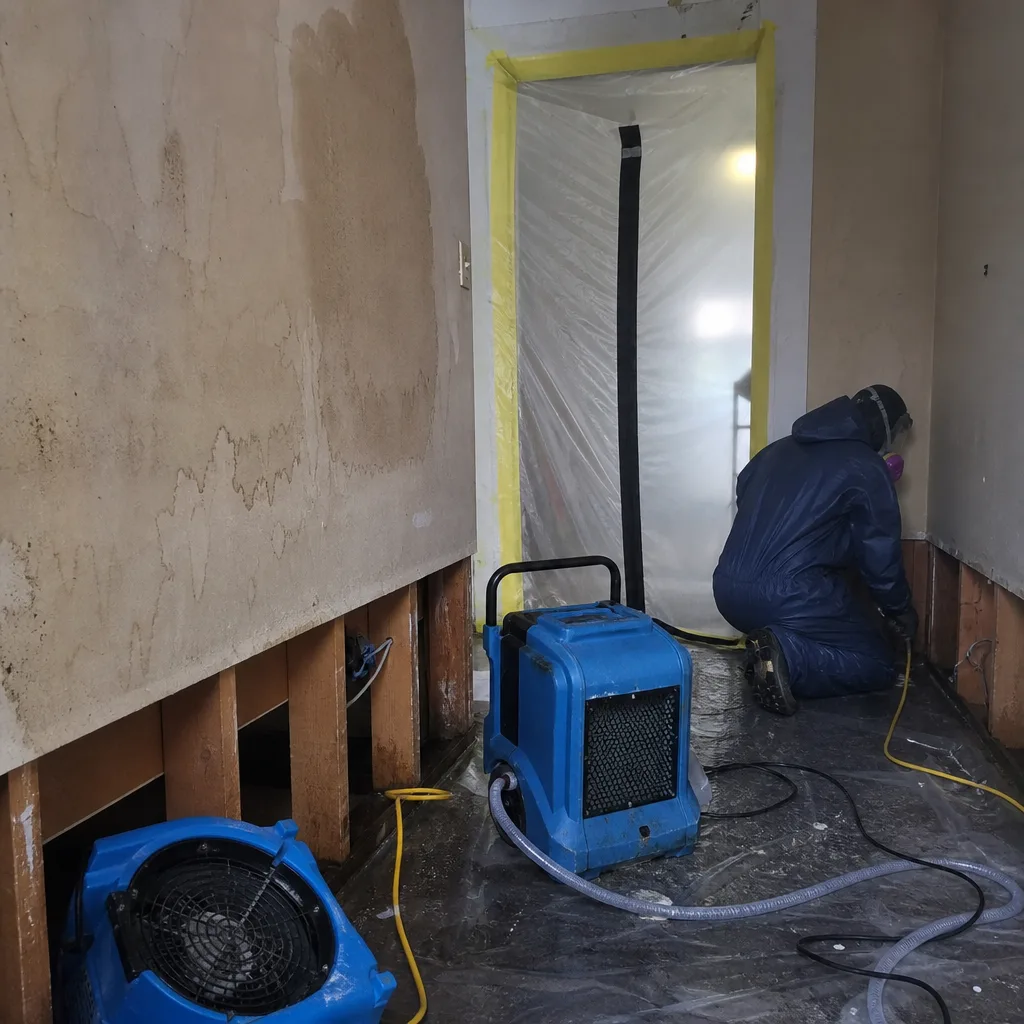 Before
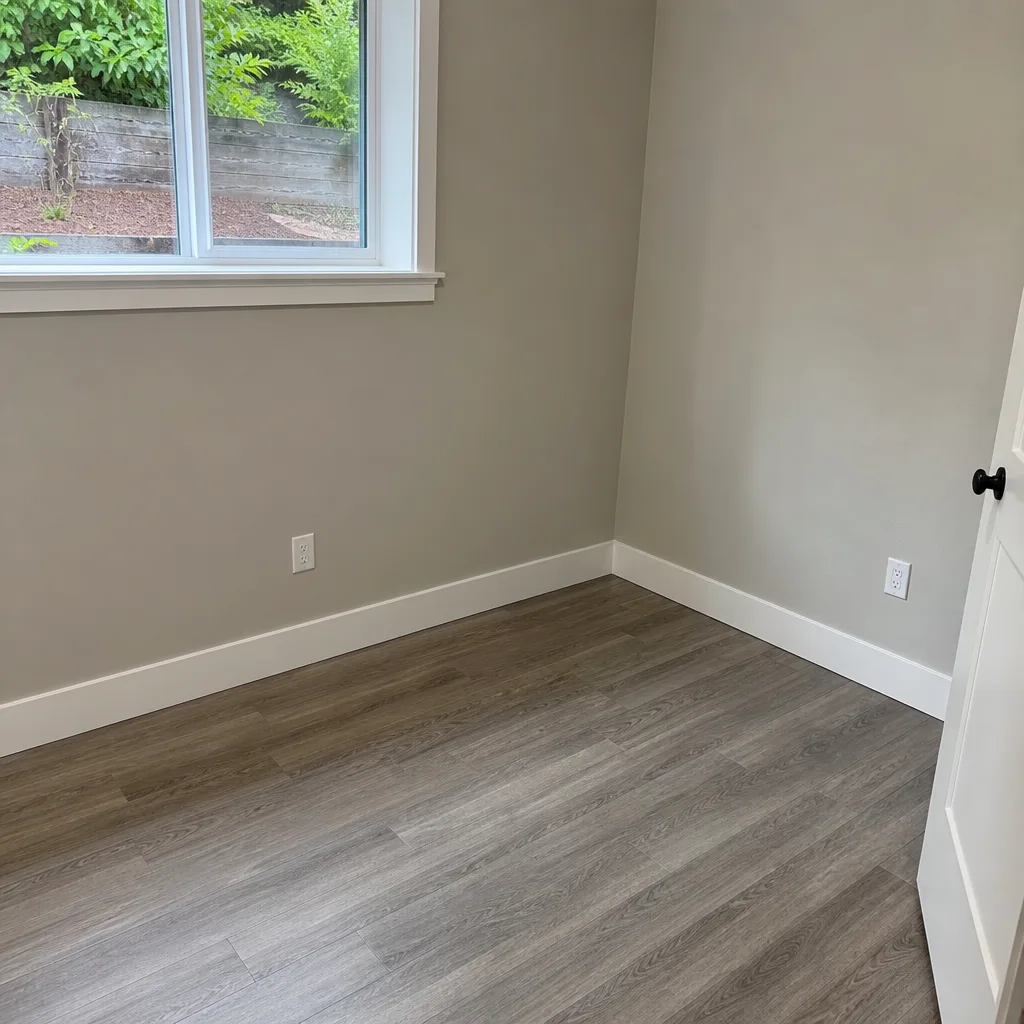 After
AfterFast, Reliable Mold Remediation Across SeaTac
Mold remediation in SeaTac typically costs between $1,800 and $6,500 depending on affected square footage and whether the job involves contained surface treatment or full structural remediation after water damage. Most SeaTac homeowners receive a written scope and price within 24 hours of our initial inspection, with containment and air scrubbing started same-day on confirmed active growth. Call (360) 469-6341 to schedule a free assessment - our crews dispatch from our Seattle office and serve SeaTac neighborhoods directly.
We know SeaTac’s housing stock intimately: the post-WWII ranches along South 188th Street, the noise-contour homes near the airport with their retrofitted insulation, the 1980s apartment complexes along International Boulevard. Each building type presents distinct mold conditions, and our Mold Remediation team adjusts protocol accordingly rather than running a standard playbook.
Why DryMark Restoration Renton Is SeaTac’s Preferred Mold Remediation Company
Back to Dry Restoration, led by Alicia Brennan, has completed mold remediation across the SeaTac market since 2011 with a documentation-first approach that originated from claims-adjusting experience. We understand what documentation gaps cost homeowners when insurers dispute coverage - and we close those gaps before they open.
Our SeaTac customers receive the same standard on every job: a written price before any work starts (Haven Standard, Clause 1), a photo record on every visit, and daily moisture logs tracked to IICRC S520 standards. No verbal estimates. No scope creep once the crew is inside.
Live phone coverage runs 24 hours a day, 7 days a week with no voicemail trees. When you call (360) 469-6341, a person answers, notes your SeaTac address, and schedules inspection based on active growth severity and your availability.
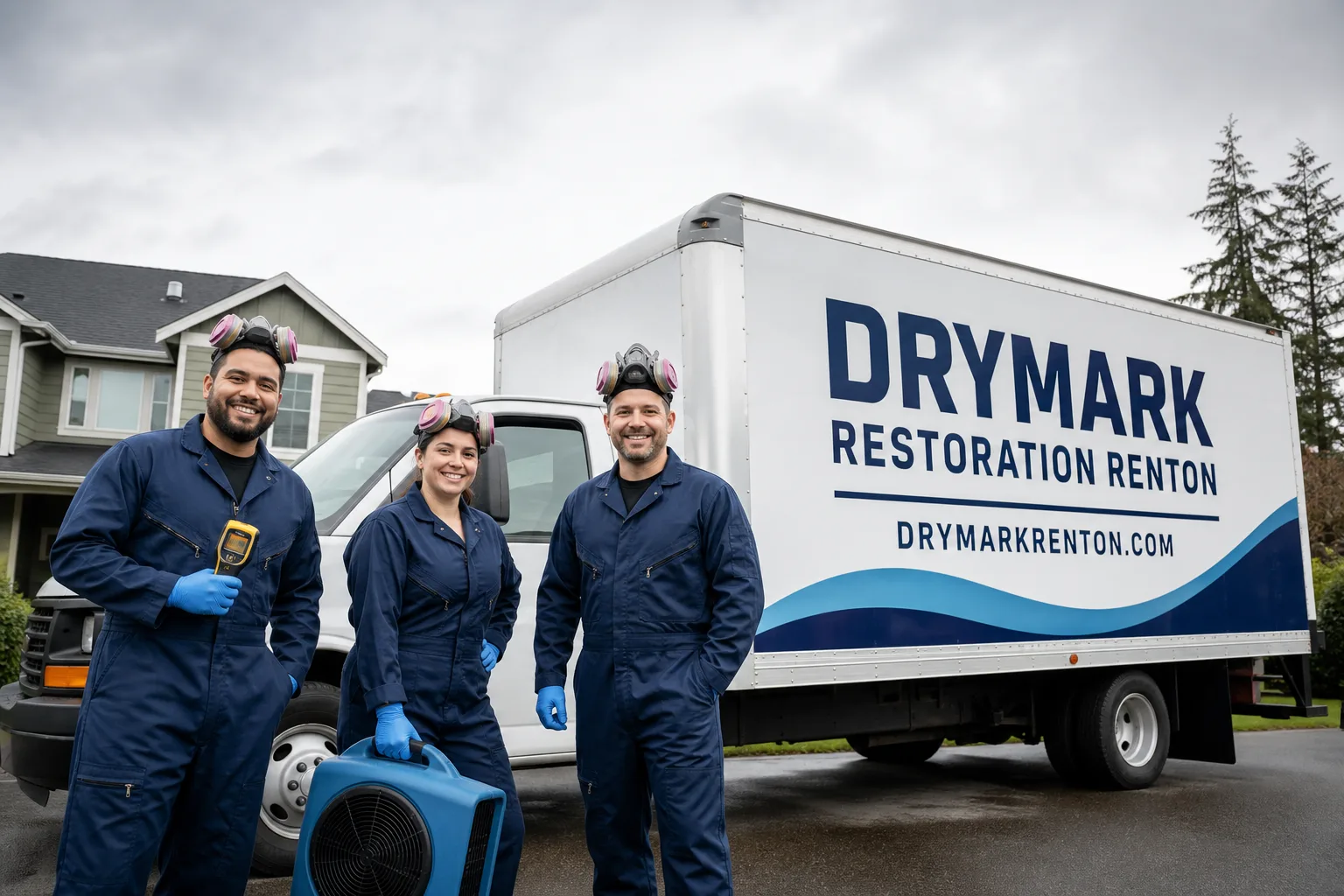
Our technicians are background-checked, uniformed, and licensed - with license numbers provided on request. Equipment deployed includes Dri-Eaz and Phoenix dehumidification systems, XPOWER air movers, and B-Air HEPA air scrubbers, all documented to IICRC, RIA, and IFA standards for claim submittal.
Our Mold Remediation Services in SeaTac
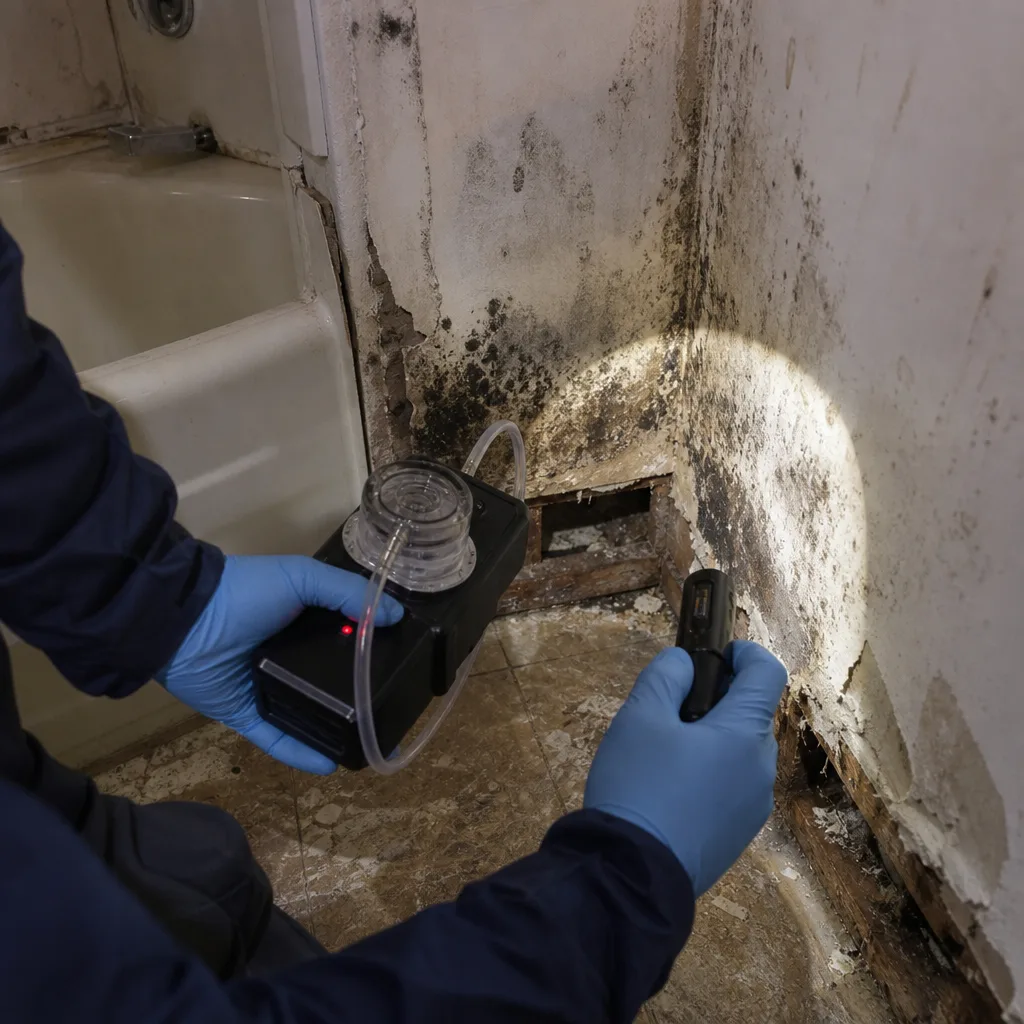
Mold Inspection & Testing in SeaTac
SeaTac’s climate demands more than a visual walkthrough. We start with moisture mapping using penetrating and non-penetrating meters, combined with thermal imaging to identify temperature differentials behind finished surfaces. In Port of Seattle noise-retrofit homes, we probe blown-in insulation directly - thermal imaging alone reads dry across sheathing that remains saturated for weeks. Air sampling and ERMI/HERSTMI-2 dust analysis are available when occupants report health symptoms or when insurance requires objective documentation of pre- and post-remediation conditions. A typical SeaTac mold inspection runs $350-$650; testing adds $200-$450 per sample set depending on lab turnaround.
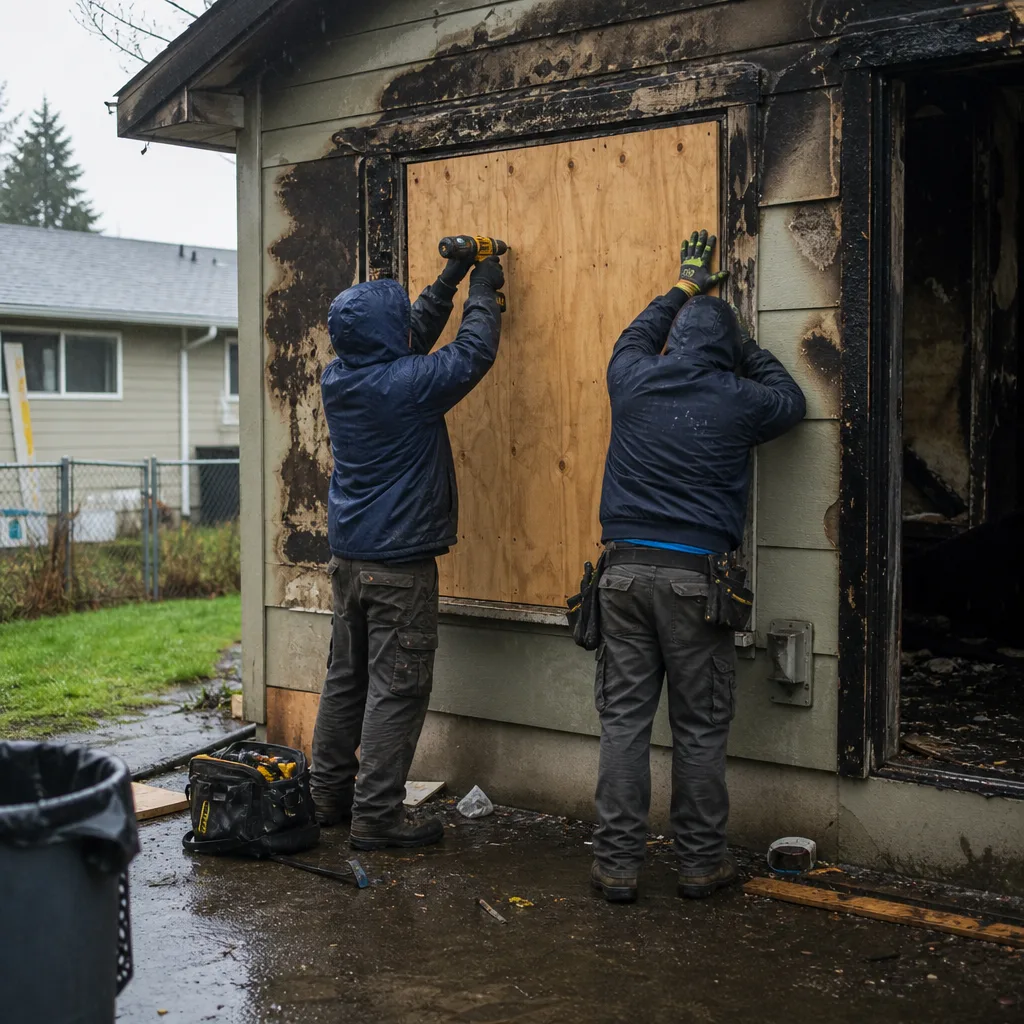
Mold Removal for SeaTac Properties
Removal protocol follows IICRC S520: containment with negative air pressure, HEPA filtration, mechanical or abrasive cleaning of non-porous surfaces, and controlled demolition of porous materials where root structures have penetrated. In SeaTac’s 1950s-1970s homes with original plaster and lath, we evaluate whether lime plaster can be salvaged through abrasive cleaning or whether replacement is more cost-effective - a judgment call that affects project scope and final price significantly.
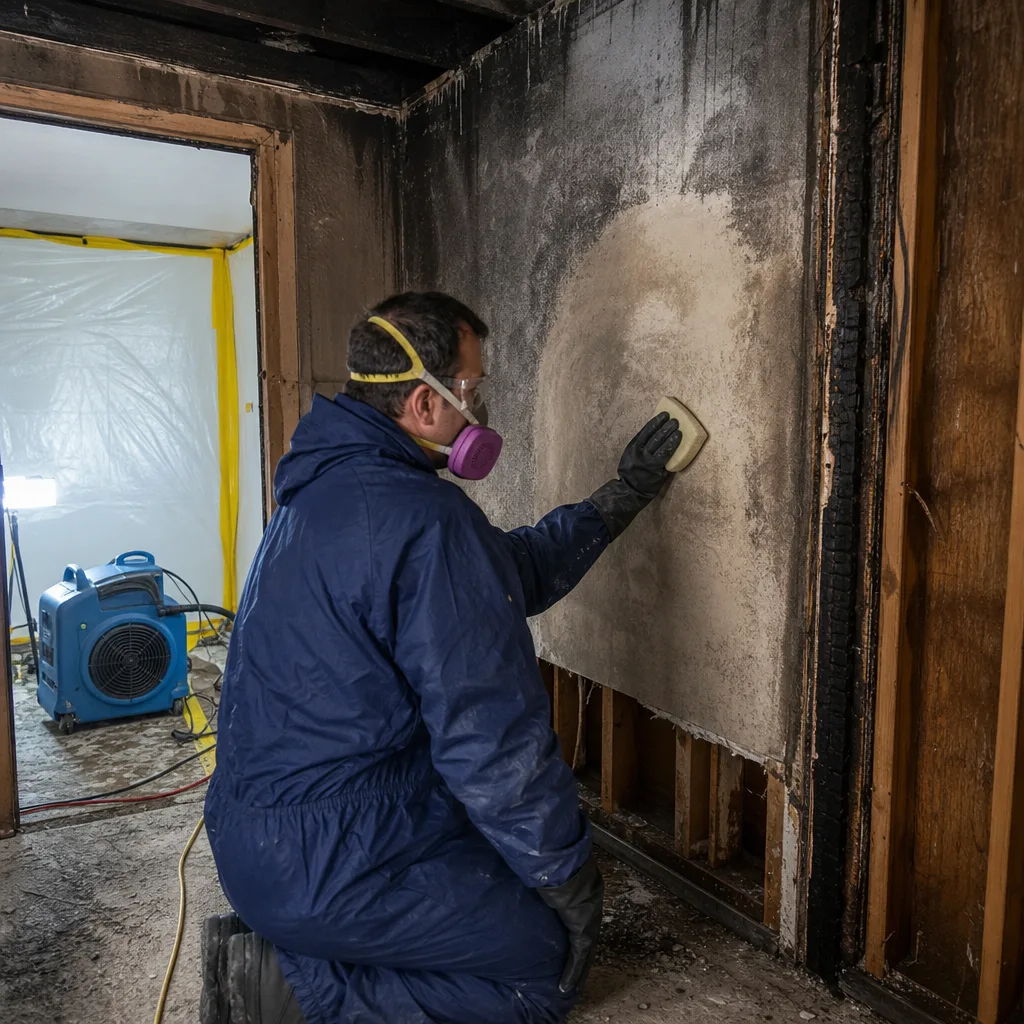
Black Mold Remediation in SeaTac
Stachybotrys chartarum and other toxigenic species require enhanced containment and PPE protocol. We do not use the term “black mold” as a scare tactic - we identify species through laboratory analysis when health concerns are present, then scope remediation to the actual contamination level. In SeaTac’s dense apartment stock along International Boulevard, multi-unit containment coordination with property management is often necessary to prevent cross-contamination through shared HVAC or wall cavities.
Air Quality Restoration
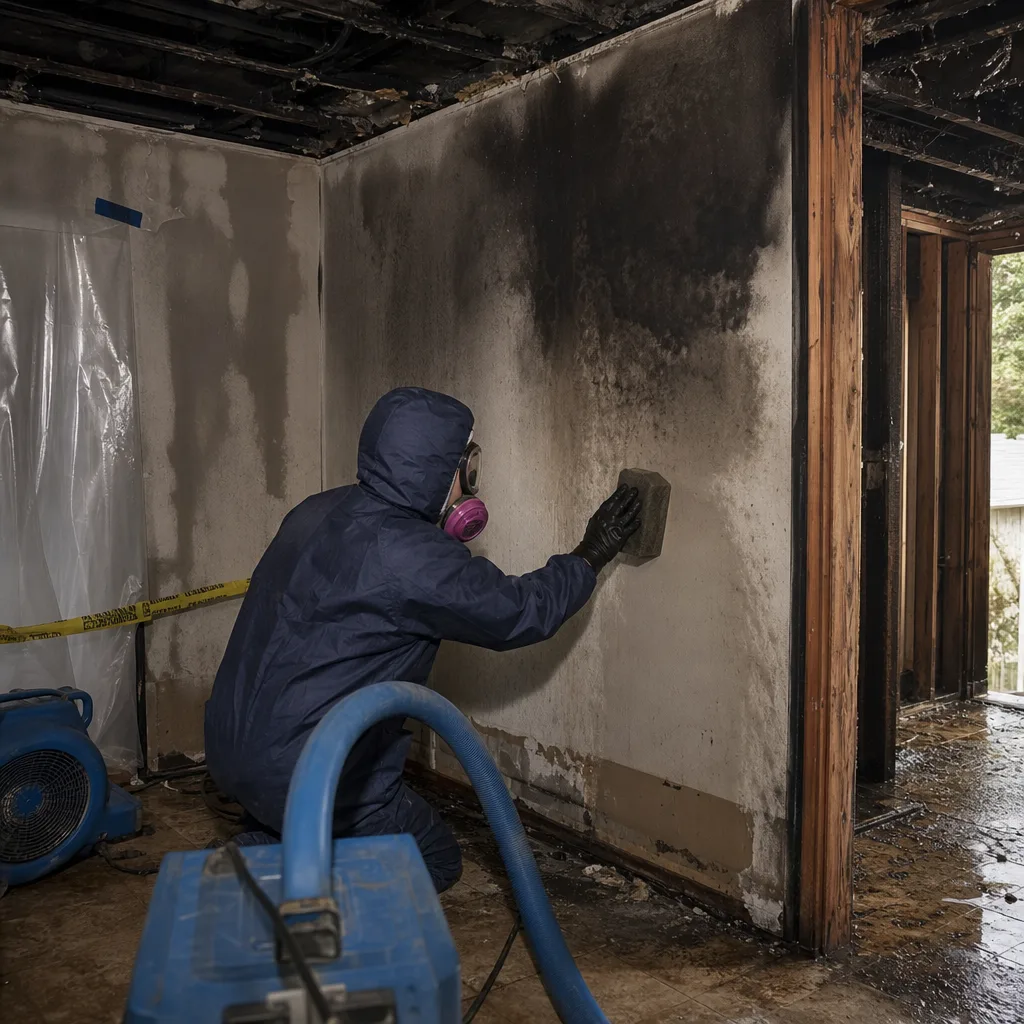
Post-remediation, we verify air quality through spore trap sampling and compare results to outdoor baseline counts per AIHA guidelines. Our air scrubbers run HEPA filtration at 99.97% efficiency on 0.3-micron particles, with carbon pre-filtration for VOC absorption where demolition has occurred. In SeaTac’s tight noise-retrofit homes, we pay particular attention to air exchange rates - the same insulation that traps moisture also limits natural ventilation, extending clearance testing timelines.
Crawl Space Treatment
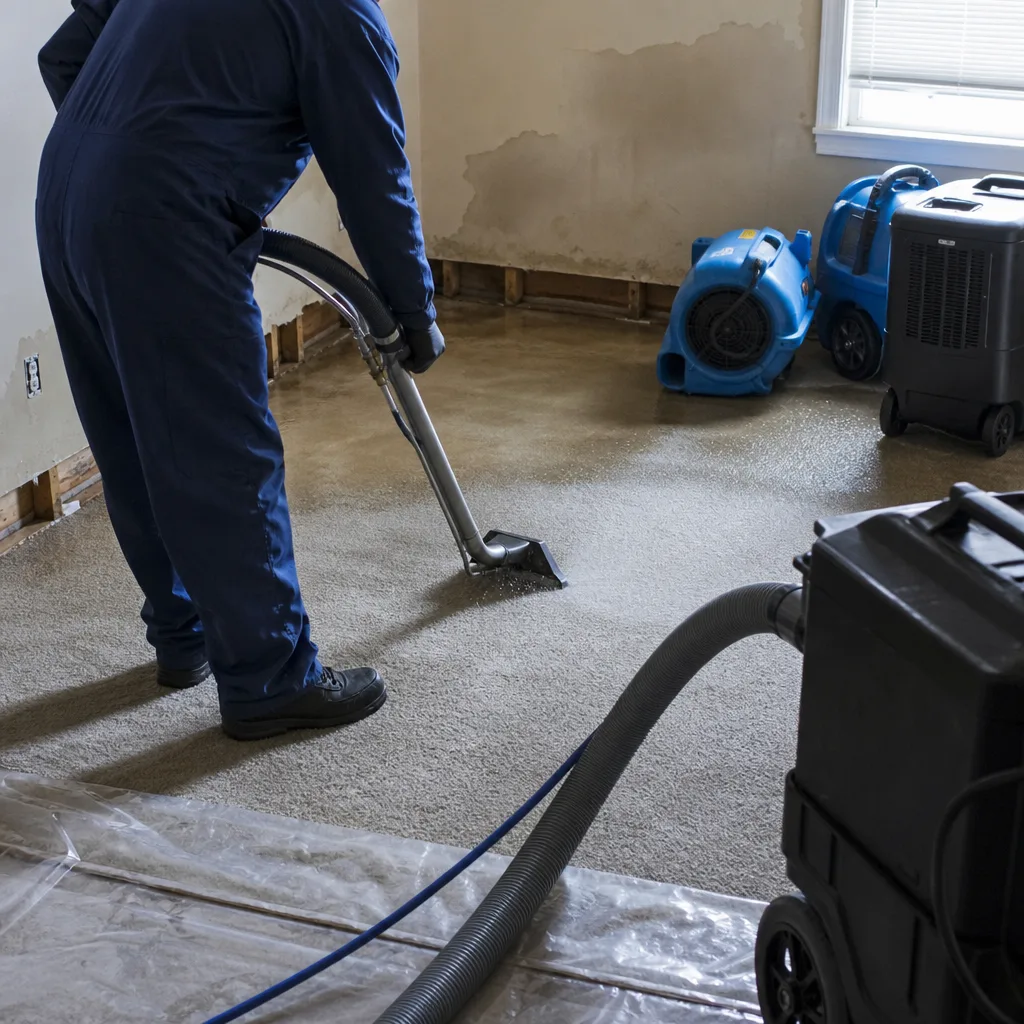
SeaTac’s original crawl spaces from the 1950s-1970s were built with minimal or no vapor barriers, on-grade footings, and perimeter vents that admit the marine air that keeps relative humidity elevated year-round. Our crawl space protocol includes removal of contaminated insulation, HEPA vacuuming of joist bays, application of EPA-registered antimicrobial to framing, and installation of 6-mil or thicker polyethylene vapor barriers sealed at seams and piers. Where the Port of Seattle’s Sound Insulation Program sealed crawl spaces as part of retrofit, we evaluate whether mechanical dehumidification is now necessary to maintain sub-60% RH - the threshold for mold inhibition.
Moisture & Humidity Control
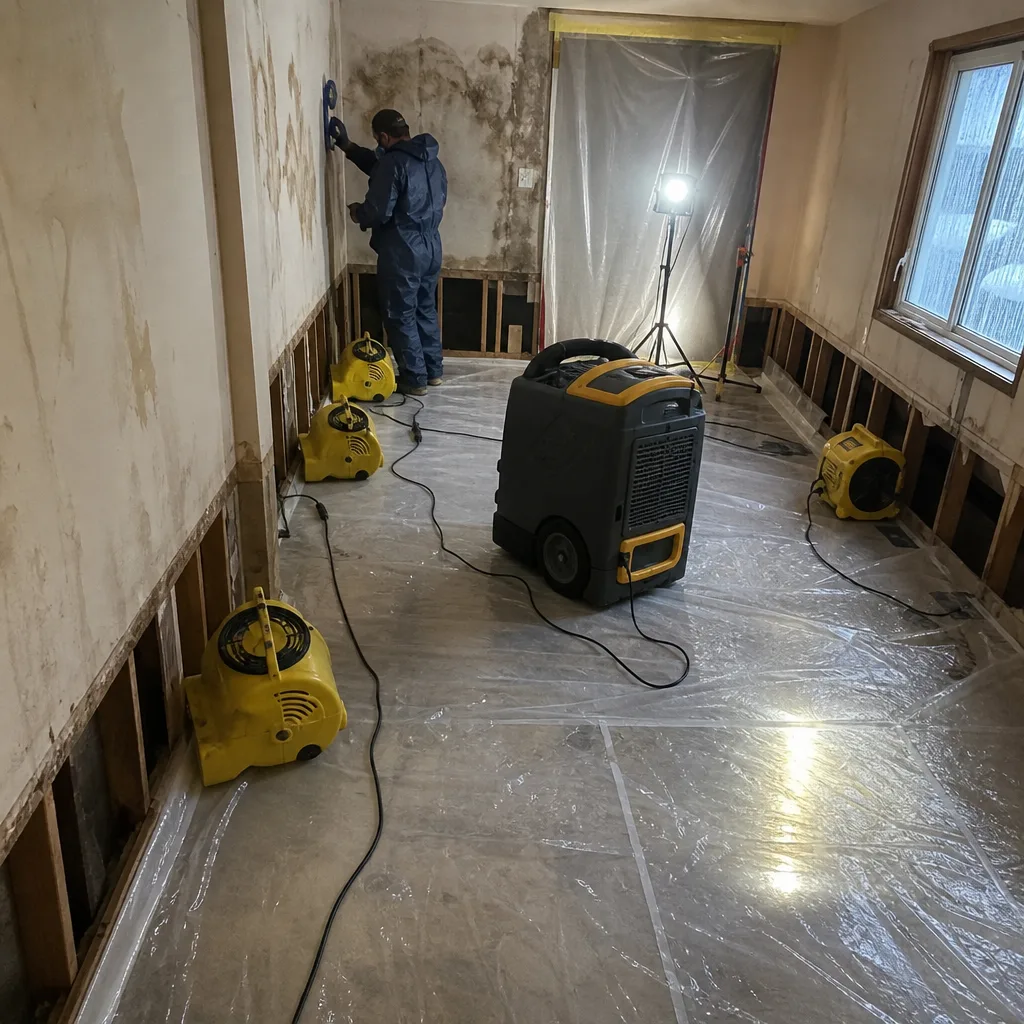
Long-term mold prevention in SeaTac requires managing the moisture that feeds it. We install and document permanent dehumidification solutions, grade drainage improvements, and ventilation corrections. Our daily drying logs track psychrometric data - temperature, relative humidity, and vapor pressure differential - to prove conditions have reached equilibrium before we sign off. This documentation becomes part of your claim file and your property record.
What happens when you call
- 1
A real person answersNo phone trees - you reach a local pro.
- 2
You get an upfront price rangeHonest numbers before anyone is dispatched.
- 3
A background-checked tech heads outLicensed & insured, dispatched right away.
- 4
You approve before work beginsNothing starts until you say go.
BeforeAfterTrusted Brands We Service in SeaTac
Our equipment fleet runs professional-grade drying systems from Dri-Eaz, Phoenix, and XPOWER - brands selected for their documented performance data and compatibility with insurance-standard moisture logging. We maintain local inventory of HEPA filters, antimicrobial formulations, and containment materials so SeaTac jobs aren’t delayed waiting for supply shipments. When a SeaTac homeowner calls with active mold growth, we need equipment on the truck and ready to deploy, not on order from a warehouse three states away.
Common Mold Remediation Problems We See in SeaTac Homes
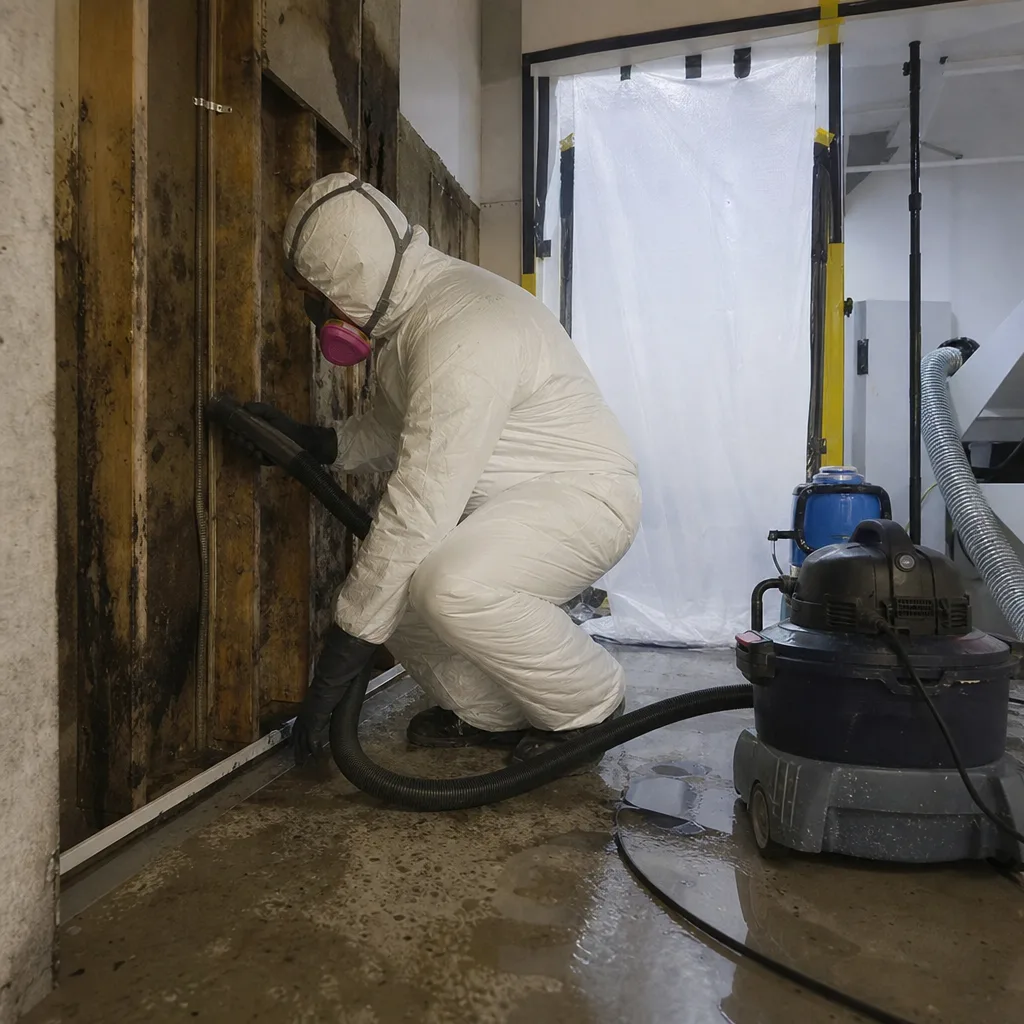
- Retrofit insulation trapping roof leak moisture for weeks. In Port of Seattle Sound Insulation Program homes, blown-in attic insulation was packed into eaves and knee walls where 1950s construction had open ventilation. A slow roof leak saturates this insulation, which holds moisture against sheathing far longer than original build would have allowed. Standard 3-day drying protocols routinely under-scope these jobs.
- Thermal imaging false negatives in noise-retrofit construction. The added insulation in these homes masks sheathing moisture from infrared cameras. We learned this the hard way - probing is mandatory before sign-off, not optional. A dry thermal image does not mean dry sheathing.
- Marine fog and sustained drizzle extending drying timelines. SeaTac’s coastal position means overnight relative humidity regularly exceeds 90%, and the October-April drizzle pattern keeps building materials near saturation. Dehumidification and air movers need longer runs and repeat moisture readings - not a fixed calendar schedule.
- Original crawl spaces with no vapor barrier becoming chronic mold sources. SeaTac’s post-WWII housing stock was built with minimal sub-grade moisture protection. Decades of soil evaporation have saturated floor joists and rim boards, creating conditions where mold recurs within 12-18 months of surface cleaning unless the moisture source is permanently controlled.
Pricing for Mold Remediation in SeaTac, WA
We publish ranges because Haven Standard, Clause 1 requires a written price before work begins - and that price should not surprise the homeowner who read this page.
| Service | Typical Range in SeaTac |
|---|---|
| Mold inspection & moisture mapping | $350 - $650 |
| Contained surface remediation (single room, <100 sq ft) | $1,800 - $3,200 |
| Moderate structural remediation (crawl space, attic, multiple rooms) | $3,500 - $6,500 |
| Full-scale remediation with demolition and reconstruction | $6,500 - $12,000+ |
| Post-remediation air quality testing | $200 - $450 per sample set |
| Crawl space vapor barrier installation (per sq ft) | $3.50 - $6.00 |
Factors that move SeaTac jobs toward the higher end: Port noise-retrofit homes requiring insulation removal and extended drying; multi-unit coordination in apartment buildings; hidden contamination behind finished surfaces requiring controlled demolition; and permanent humidity control installation. Every job receives a written scope with line-item pricing before any work starts - no exceptions. Bring a competitor’s written estimate and we’ll review it at no charge through our Free Second Opinion program.
We Also Serve Cities Near SeaTac
Our crews work throughout the metro corridor, with Mold Remediation in SeaTac as our core service area alongside Renton, Tukwila, Kent, and Mercer Island. Dispatch and scheduling are coordinated from our Seattle office; response times to SeaTac neighborhoods typically run under 90 minutes during business hours.
Serving SeaTac, WA - Our Local Coverage Area
We’re based in the SeaTac area and know this community well. Use the map below to see our service coverage - if you’re nearby, we can almost certainly help.
FAQs - Mold Remediation in SeaTac
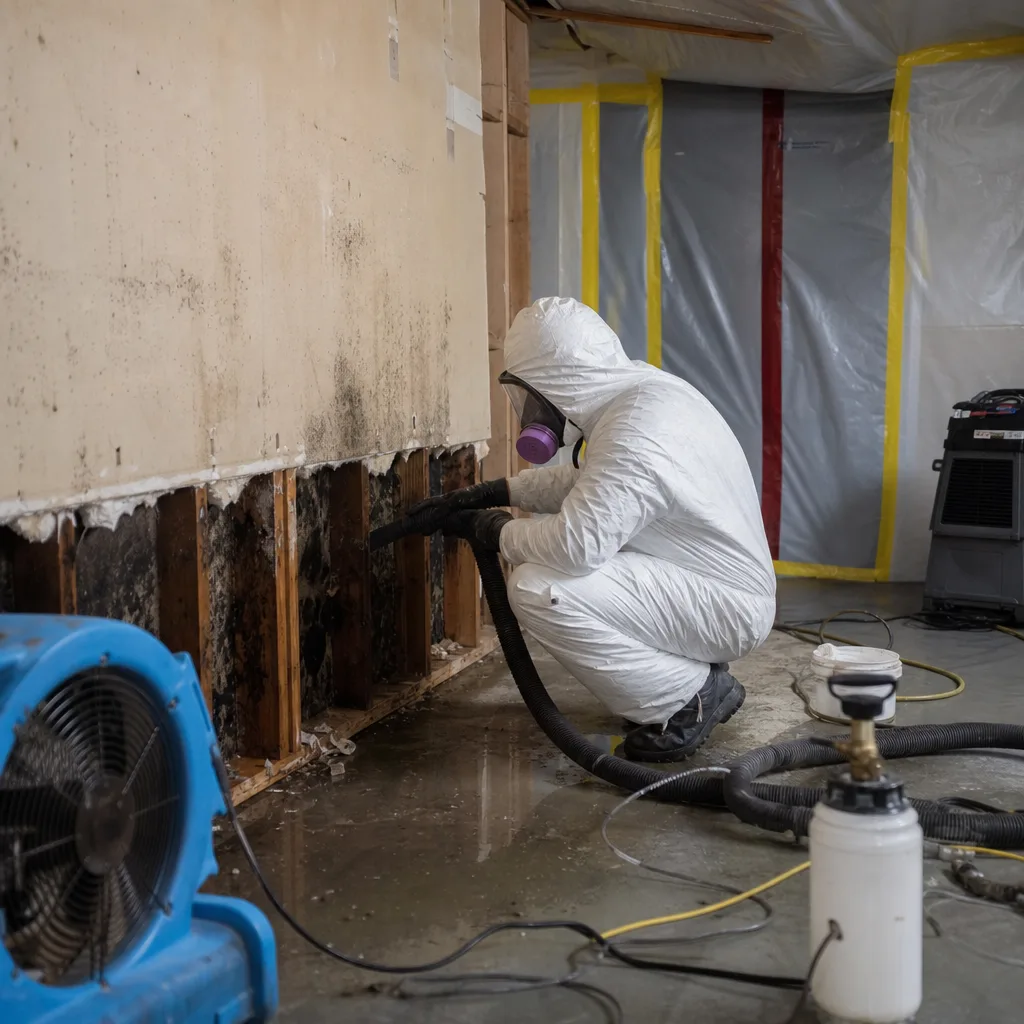
SeaTac’s coastal marine climate sustains higher ambient humidity year-round, with overnight RH regularly exceeding 90% and sustained drizzle keeping materials near saturation for months. East of the Cascades, drier air and greater diurnal temperature variation accelerate evaporative drying naturally. In SeaTac, we run dehumidification and air movement longer and verify with repeat moisture readings rather than calendar estimates. Call (360) 469-6341 for a written timeline specific to your property.
The Sound Insulation Program added blown-in insulation to attics and knee walls where 1950s construction had open ventilation, and sealed crawl spaces that originally breathed. These modifications trap moisture far longer than original design intended, so standard moisture mapping and 3-day drying protocols routinely underestimate contamination extent. Our SeaTac protocol includes manual probing of all retrofit insulation and extended drying verification before sign-off. We documented this pattern on a South 176th Street job where thermal imaging read dry but hand-probing revealed saturated sheathing weeks after the leak started.
We classify materials by porosity and contamination depth per IICRC S520: non-porous surfaces (tile, metal, sealed wood) are cleaned and HEPA-vacuumed; semi-porous materials (unsealed wood, concrete) may be abrasive-cleaned if root penetration is superficial; porous materials (drywall, insulation, carpet pad) are removed when mold growth exceeds surface level or when water damage has compromised structural integrity. In SeaTac’s noise-retrofit homes, blown-in insulation is almost always removed - it cannot be cleaned effectively and acts as a moisture reservoir.
Yes, in most cases. SeaTac’s 1950s-1970s crawl spaces were built without adequate vapor barriers, and decades of soil evaporation have created chronic moisture loading. Surface mold removal without moisture source control typically results in recurrence within 12-18 months. We install 6-mil or thicker polyethylene barriers sealed at all seams and penetrations, and evaluate whether mechanical dehumidification is warranted in sealed crawl spaces. This is scoped and priced in writing before work begins.
A Haven Standard scope includes: containment dimensions and negative air pressure specifications; affected square footage by room and material type; demolition requirements with disposal method; cleaning protocol by surface classification; equipment list with run schedule; drying targets with psychrometric criteria; post-remediation verification method; and total price with no line-item subject to change without written amendment. You receive this document before any work starts and a photo record on every visit. The 365-Day Done Right Promise applies to all work performed.
Written by Alicia Brennan, Owner at Back to Dry Restoration, serving SeaTac since 2011.