
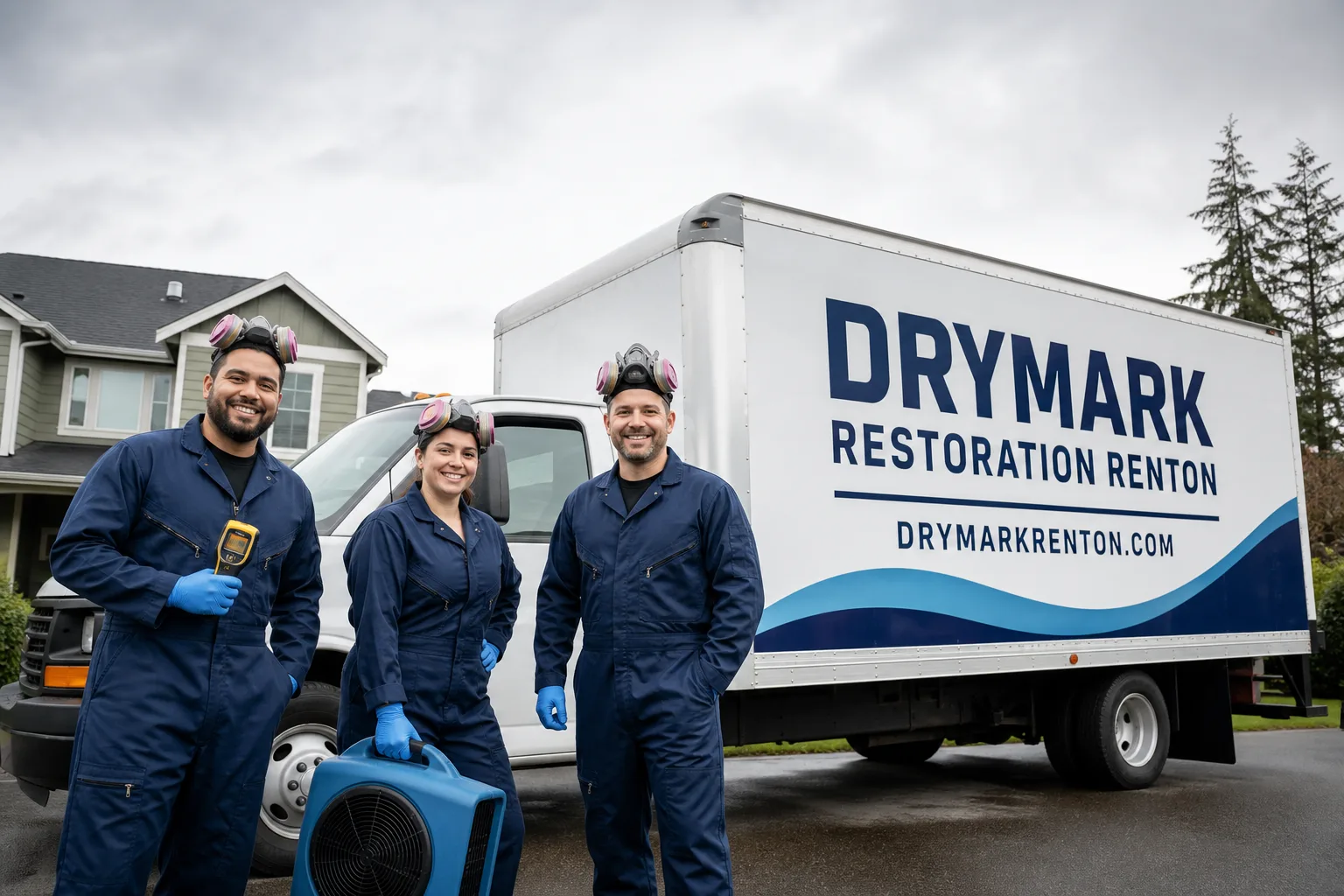
Free visual inspection and a written scope of work before any mitigation begins - photos, moisture readings, and drying logs go in your claim file
The scope we write is the scope we bill. Anything new gets shown to you, in writing, before we touch it.
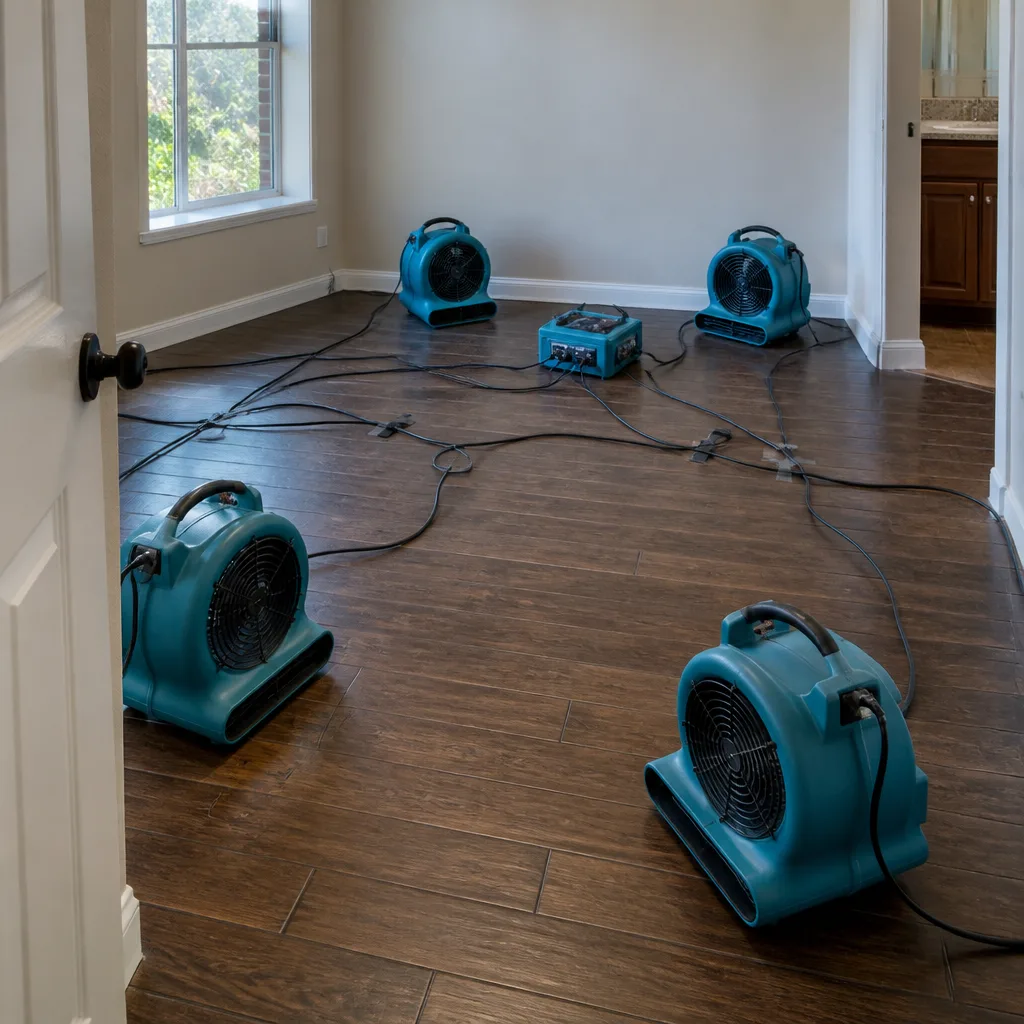
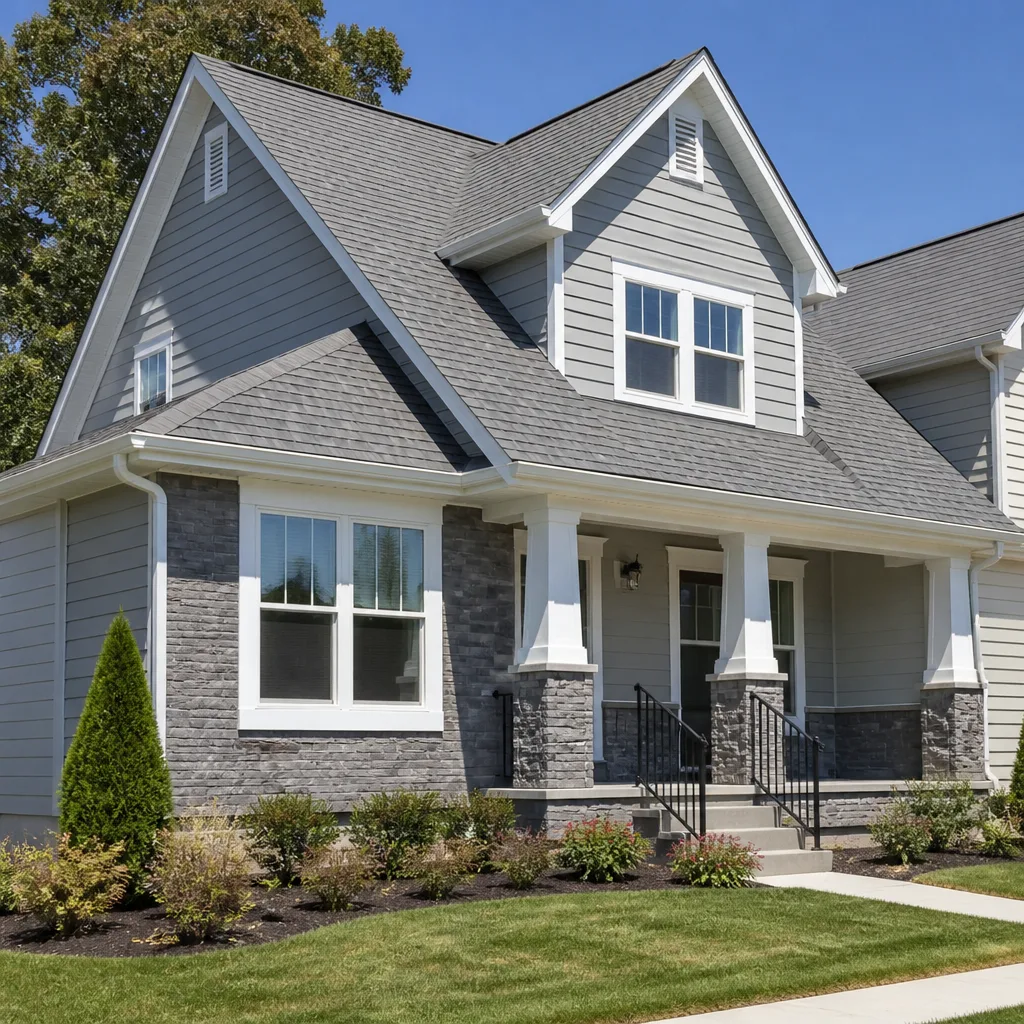
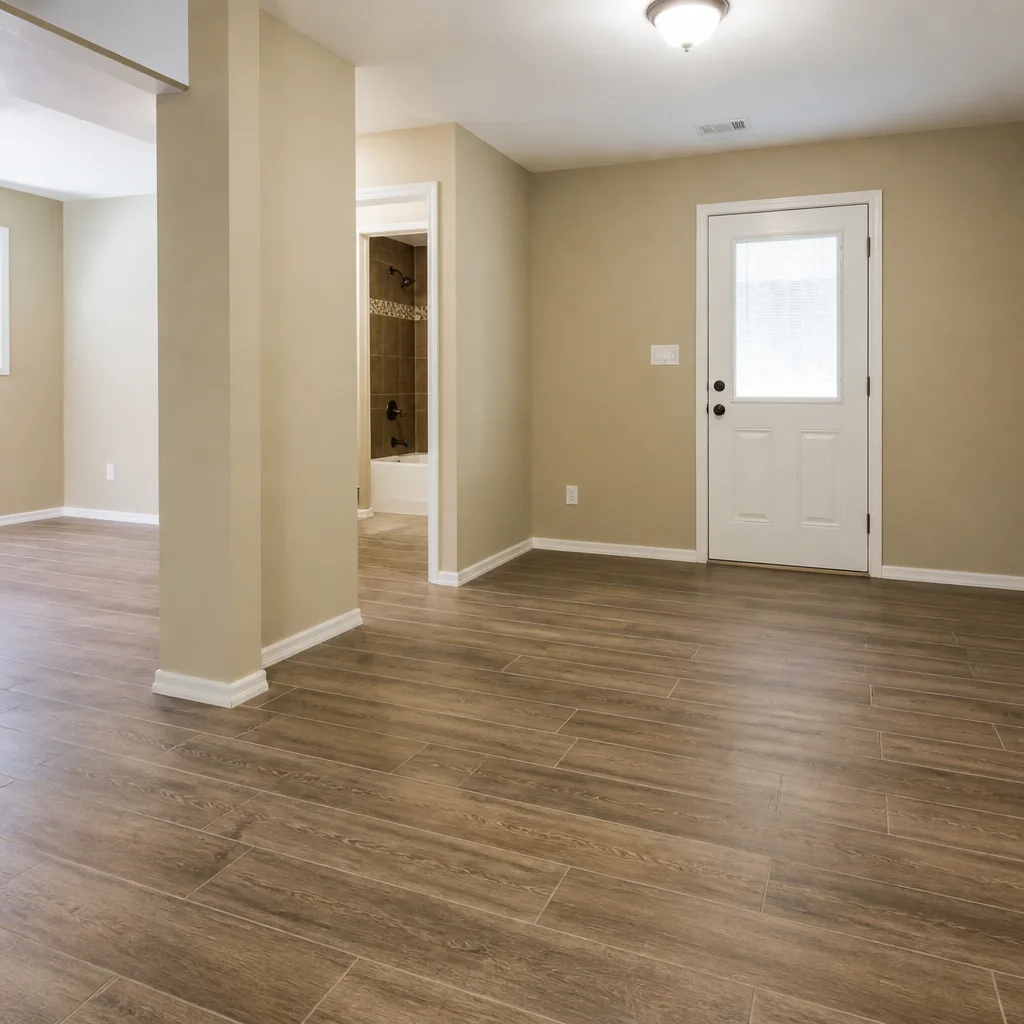
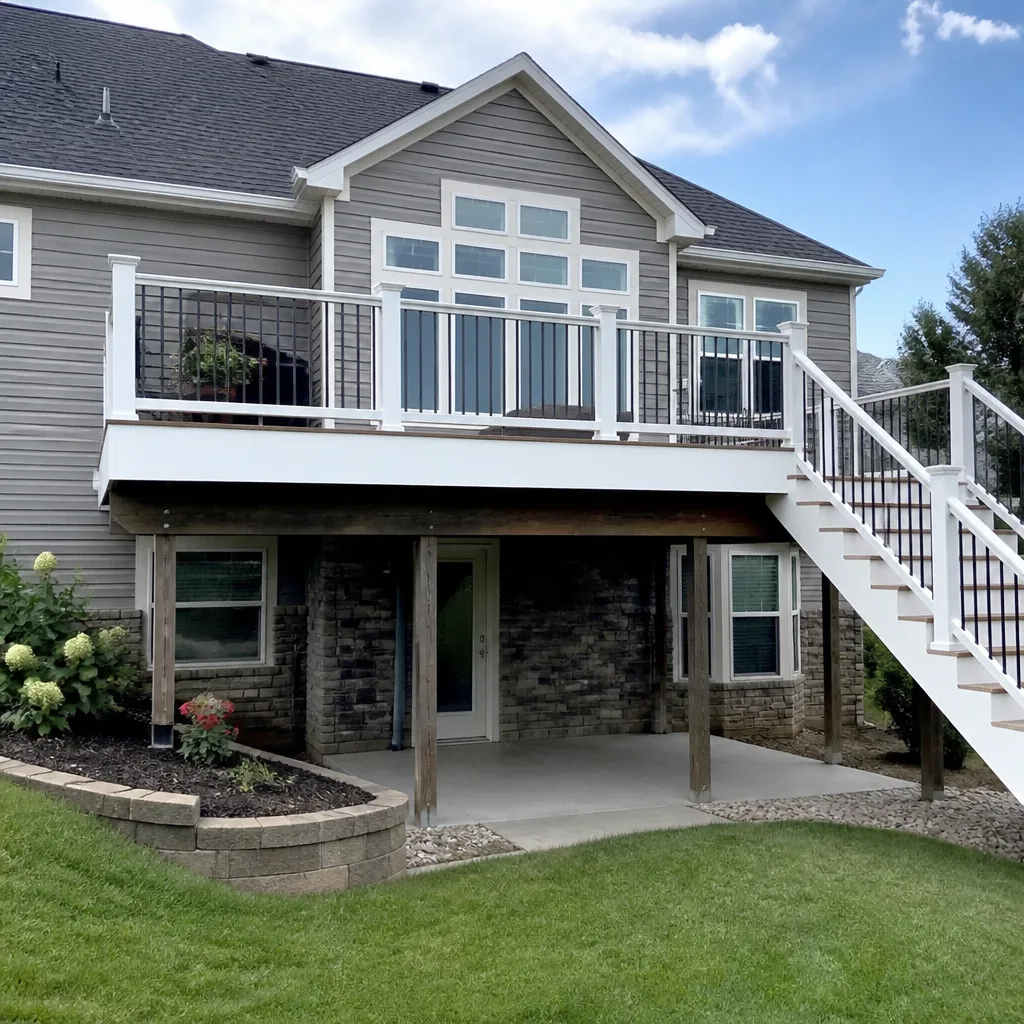
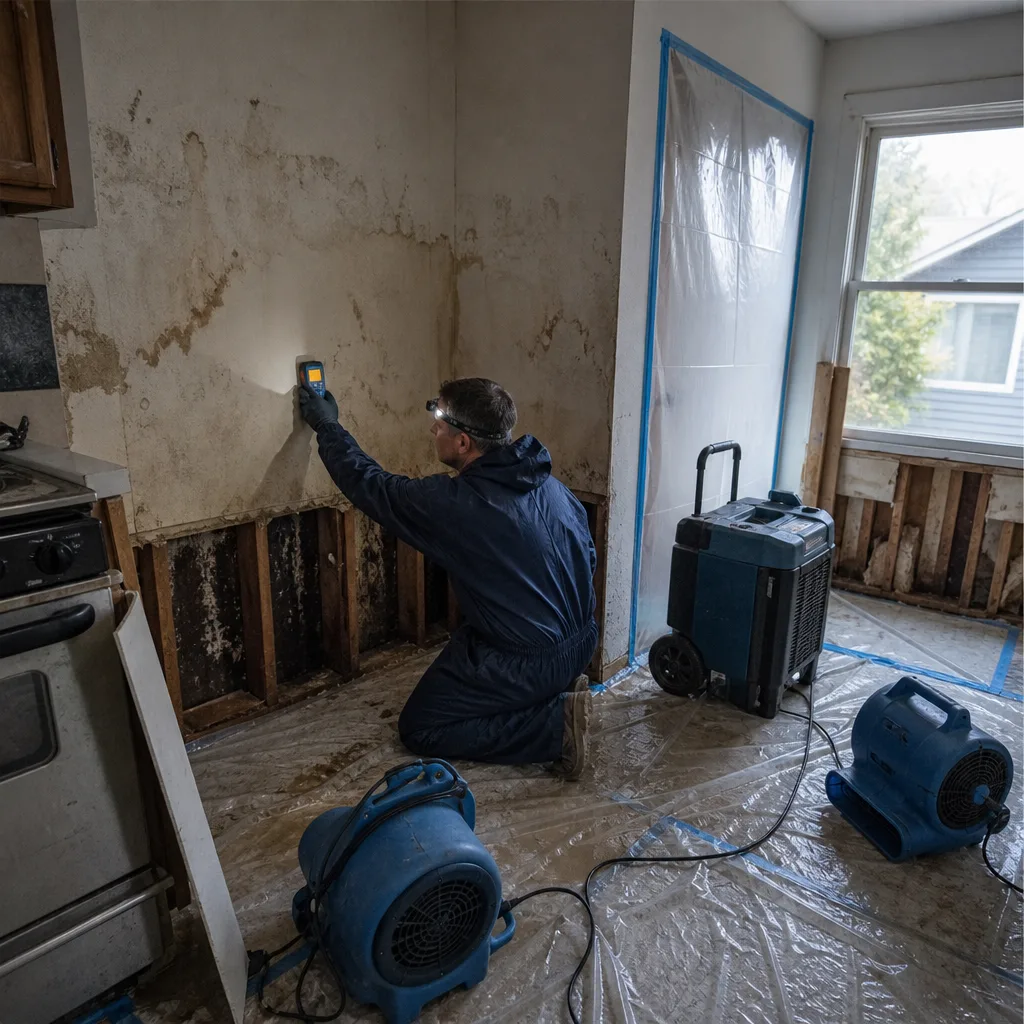 Before
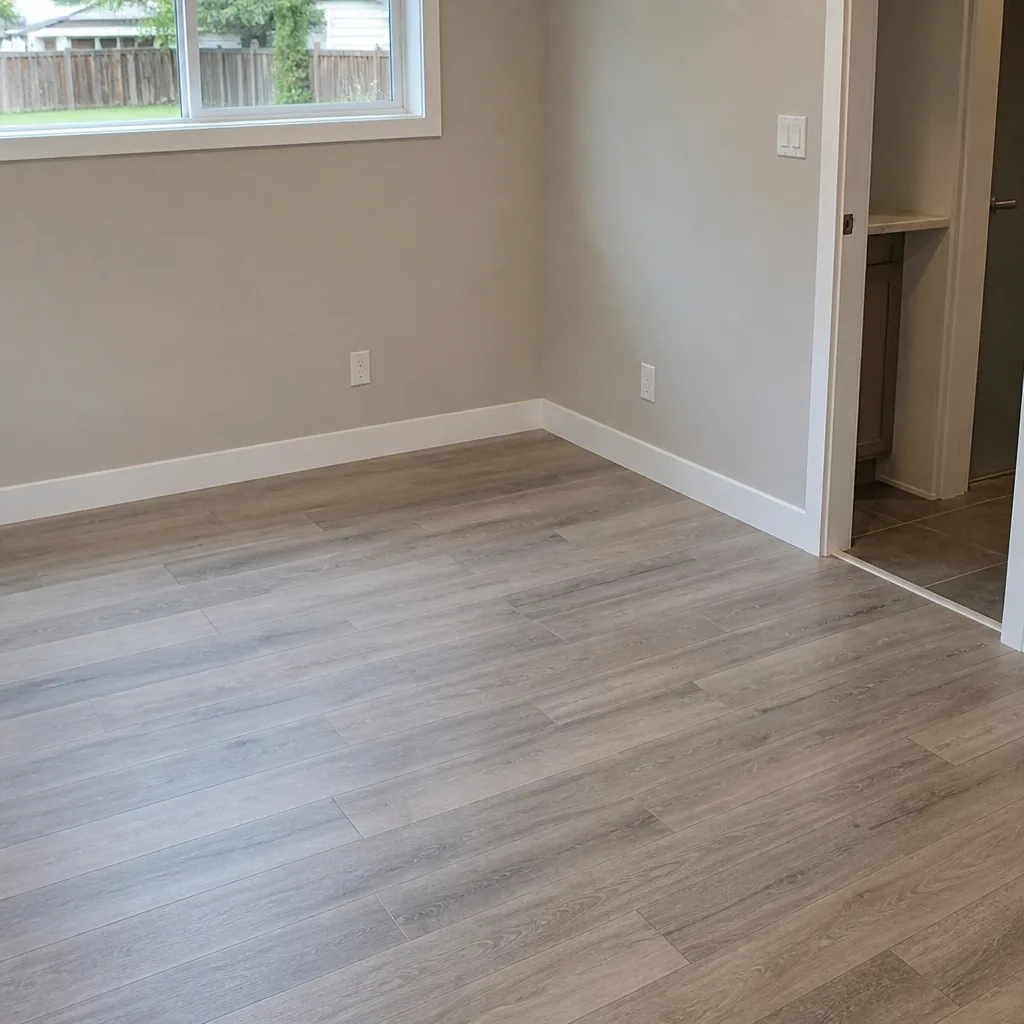 After
After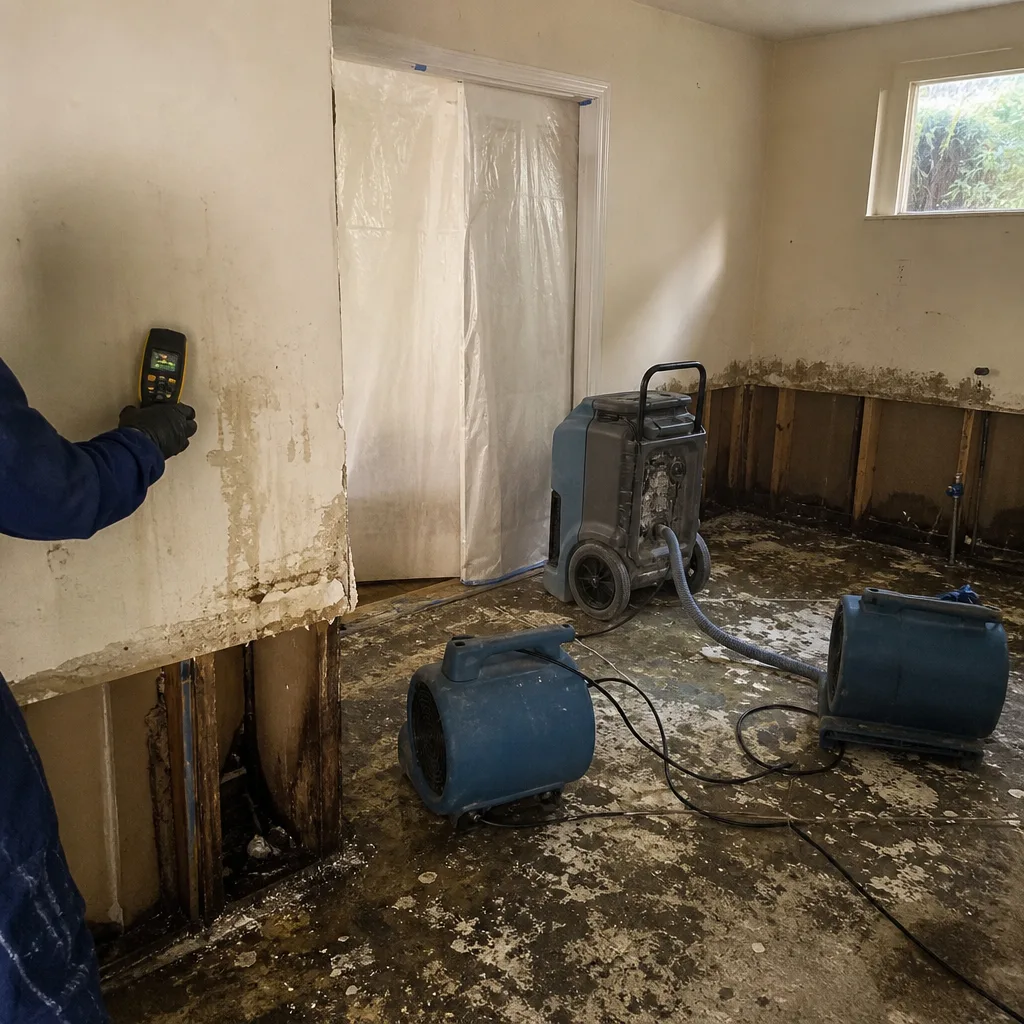 Before
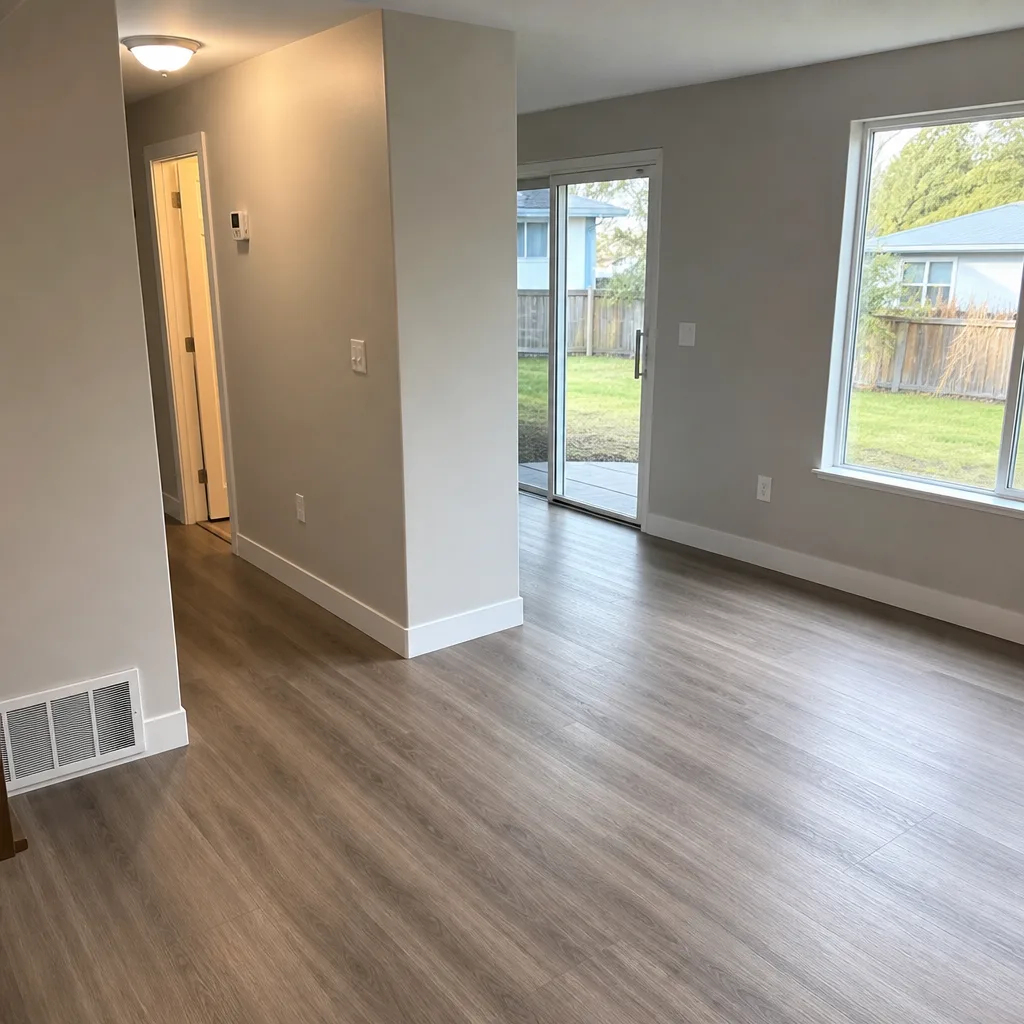 After
After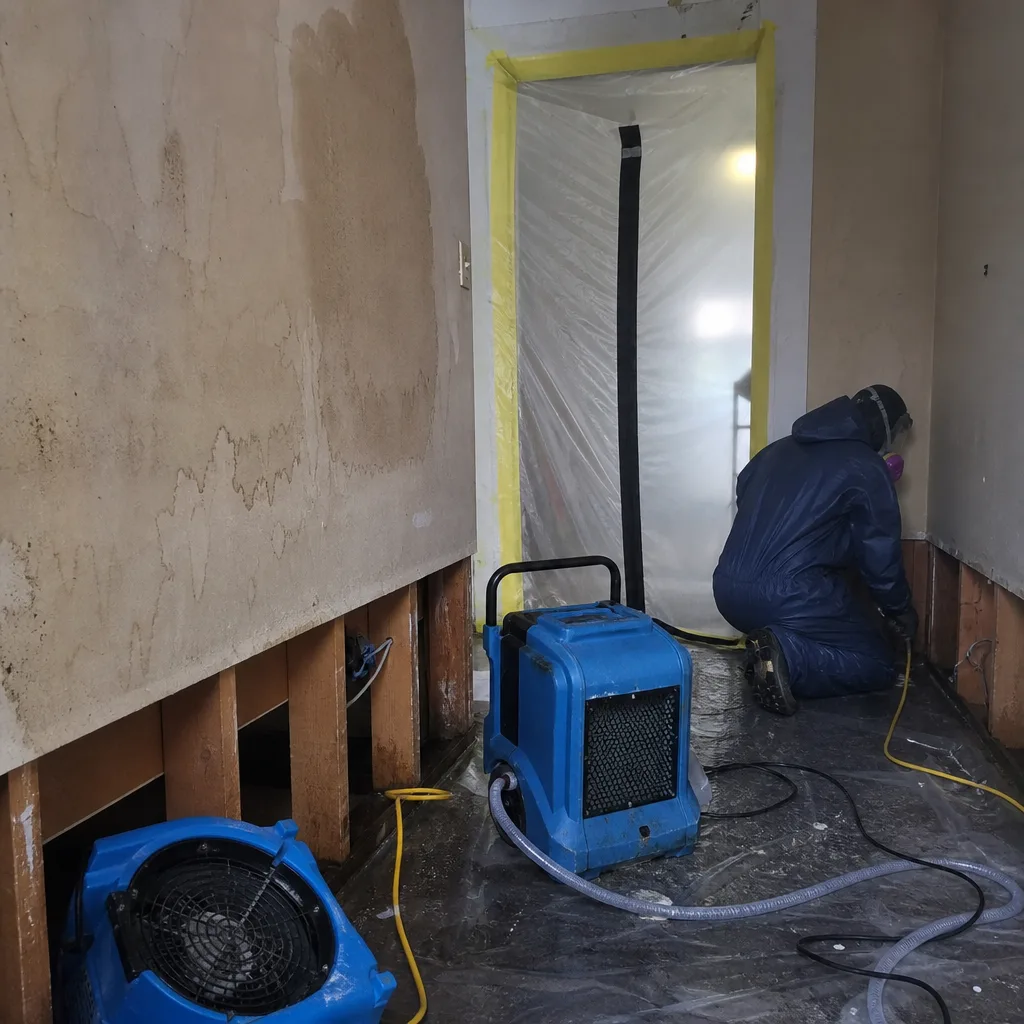 Before
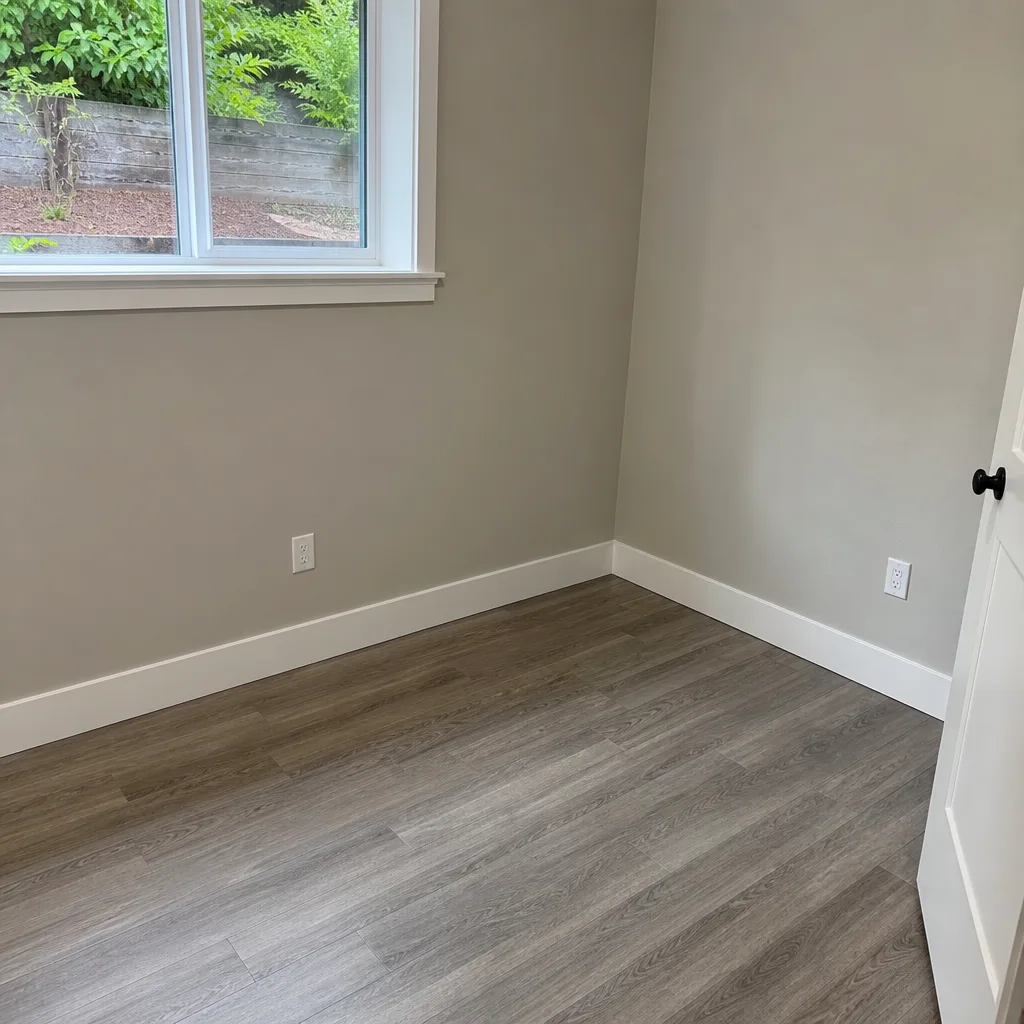 After
AfterFast, Reliable Water Damage Restoration Across SeaTac
Water damage restoration in SeaTac typically costs $2,800-$6,500 for residential drying and mitigation, with emergency extraction running $180-$340 per hour and full structural drying averaging $3,200-$5,800 for a typical single-family home. Our crews respond to SeaTac calls within 45-60 minutes during daylight hours, coordinated from our Seattle office with local trucks already positioned near the airport corridor. We know the difference between a 1950s original build on South 188th Street and a Sound Insulation Program retrofit near Angle Lake, and that difference changes everything about how we dry your house. Call (360) 469-6341 - a live person answers, 24 hours a day, 7 days a week.
Why DryMark Restoration Renton Is SeaTac’s Preferred Water Damage Restoration Company
We’ve restored water-damaged homes across SeaTac since 2011 - from the mid-century ranches near McMicken Heights to the apartment complexes along International Boulevard serving the airport trade. Our Water Damage Restoration team carries the documentation habits Alicia Brennan developed as a claims adjuster: every job starts with a written price, every visit produces a photo record, and every drying log is formatted for direct adjuster submission.
Homeowners in SeaTac’s 98148 and 98158 ZIP codes account for a significant portion of our annual work, and the pattern we see most often is the same - water intrusion in a noise-retrofit home that was “dry” by day three but grew mold by day ten because the crew never probed the packed insulation. We don’t close jobs on thermal imaging alone. Our 365-Day Done Right Promise, stamped under The Haven Standard, means if we miss something, we return and make it right at no charge.
Response time to SeaTac averages under an hour for emergency calls. Our crews carry Phoenix and Dri-Eaz equipment on every truck, and our dispatchers know which SeaTac neighborhoods flood first when the October drizzle turns to sustained downpour.
Our Water Damage Restoration Services in SeaTac
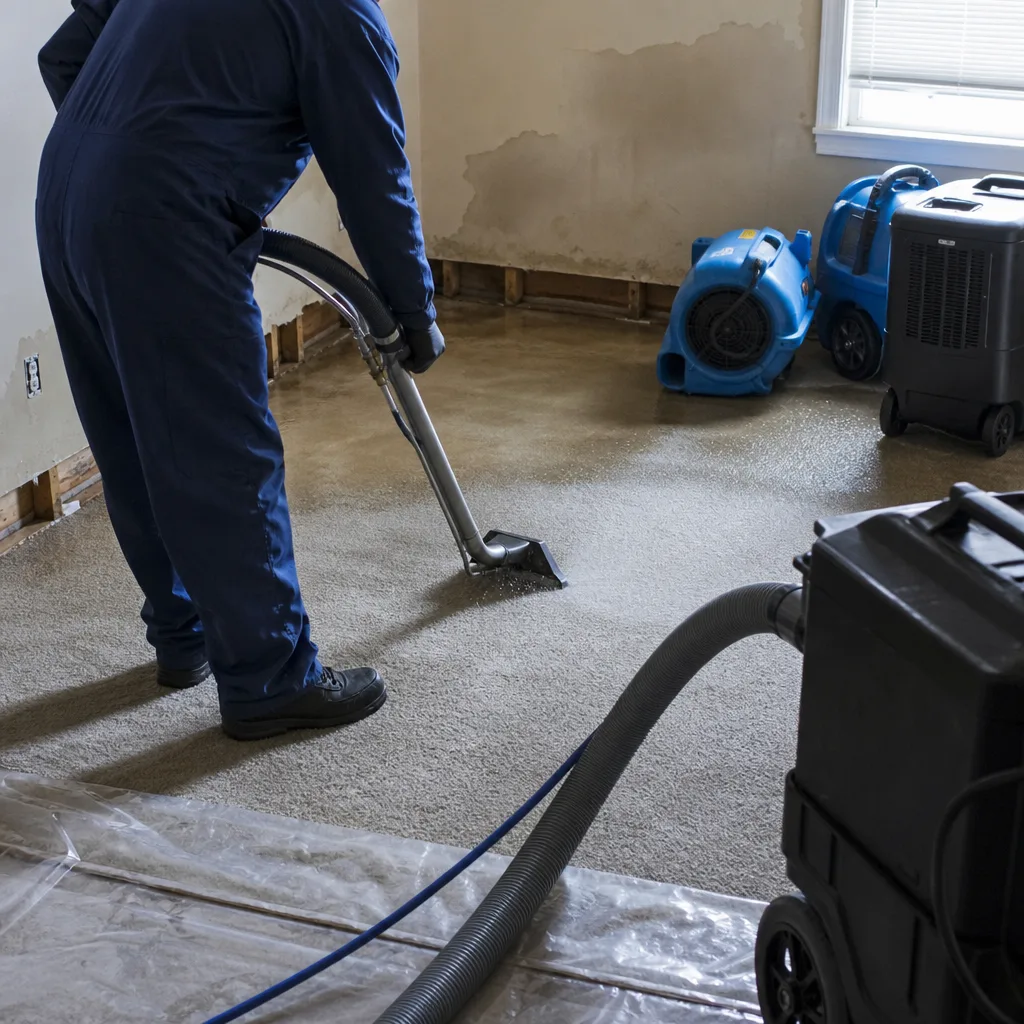
Emergency Water Extraction
When a supply line bursts at 2 a.m. in a SeaTac apartment complex or a hotel near the airport, standing water doesn’t wait for business hours. We extract Category 1, 2, and 3 water using truck-mounted and portable systems, documenting the starting moisture readings and square footage affected before any equipment runs. For SeaTac’s commercial properties, we coordinate with property managers to minimize tenant displacement and provide the photo documentation their insurers require.
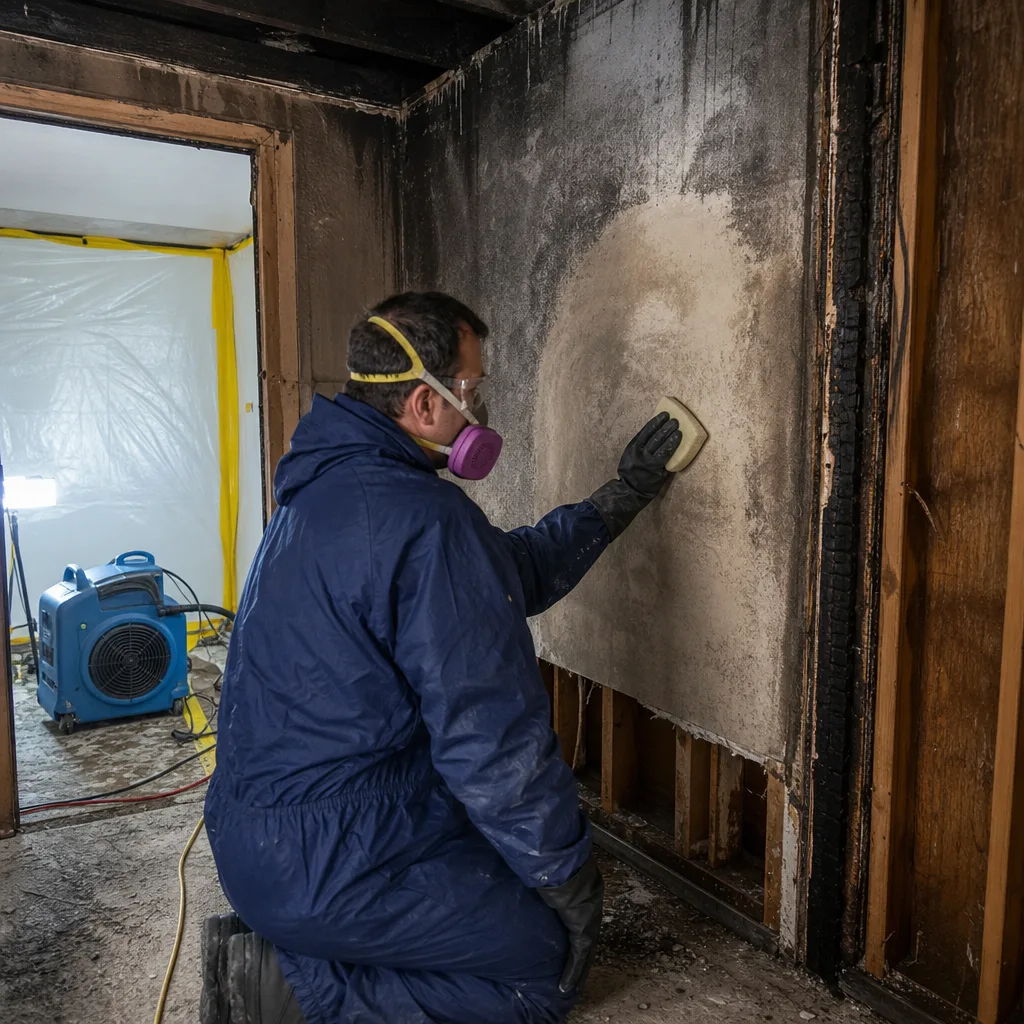
Structural Drying & Dehumidification
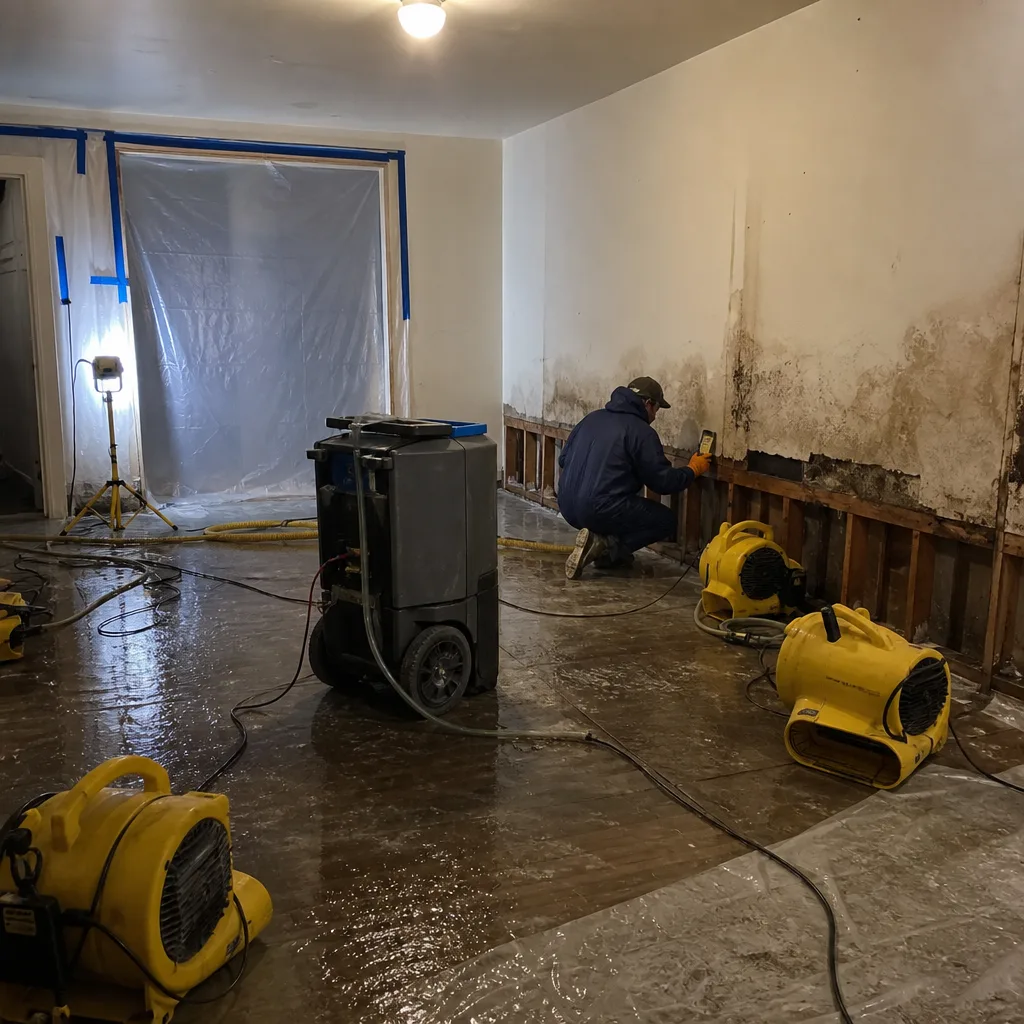
This is where SeaTac’s unique housing stock demands more than standard protocol. Our structural drying service deploys Phoenix dehumidifiers, XPOWER air movers, and Injectidry cavity-drying systems to pull moisture from framing, subfloors, and wall assemblies. In Sound Insulation Program homes, we add mandatory probe-based moisture mapping because blown-in attic insulation and sealed crawl spaces trap vapor far longer than original construction would. We produce daily psychrometric logs - temperature, relative humidity, and vapor pressure differential readings - that show your adjuster exactly when materials returned to pre-loss condition. No guesswork. No premature job closure.
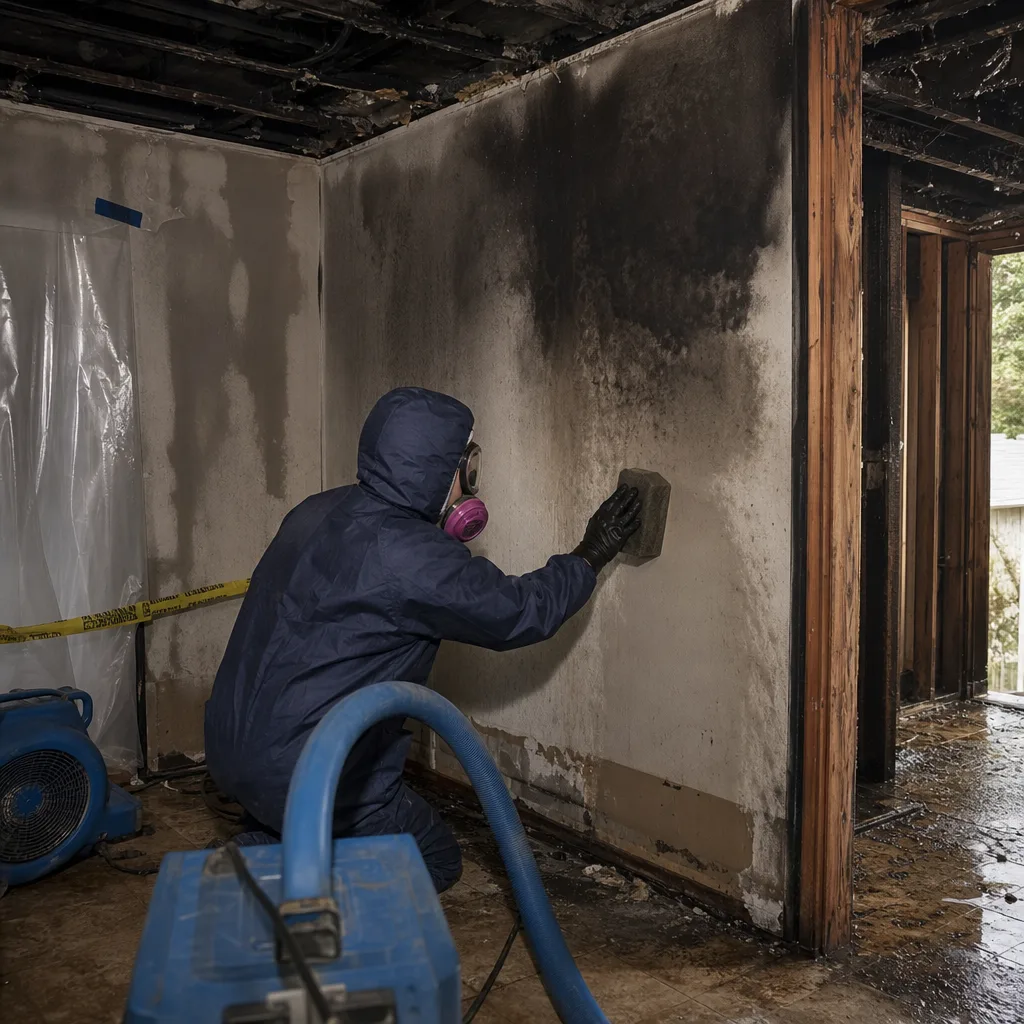
Attic & Crawl Space Water Damage
SeaTac’s post-WWII homes with original crawl spaces and minimal vapor barriers are vulnerable to sustained moisture from coastal marine fog and the region’s 38 inches of annual rainfall. When water enters these spaces, it sits undetected, accelerating decay and odor. Our crews inspect crawl spaces with borescope cameras, remove saturated insulation as pack-out inventory, and install temporary vapor barriers during drying. For noise-retrofit homes with sealed crawl spaces, we calculate reduced airflow and adjust equipment capacity accordingly - a 3-day dry in Kent often requires 5-6 days in SeaTac.
Burst Pipe Restoration
SeaTac’s older galvanized and early copper plumbing, combined with the thermal stress of tightened building envelopes in retrofitted homes, produces burst pipe calls every winter. We extract, dry, and document the water damage, then provide a written scope for any necessary reconstruction. Our photo record includes the pipe failure point, the affected materials, and the drying progression - the documentation that separates a paid claim from a disputed one.
Flood Cleanup
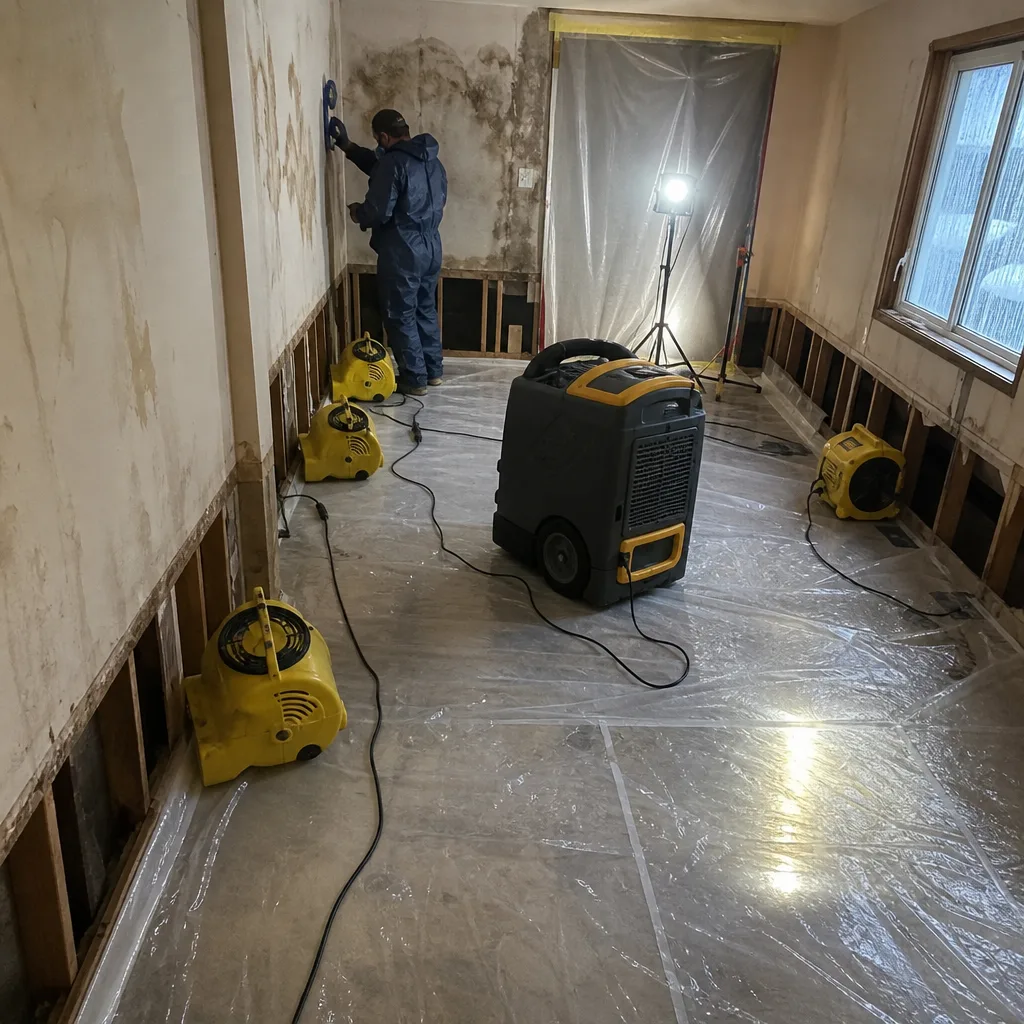
Whether from overwhelmed storm drains on South 200th Street or groundwater intrusion in low-lying neighborhoods near the Duwamish River corridor, flood cleanup in SeaTac requires rapid categorization and containment. We test water quality on arrival, establish proper containment for Category 2 and 3 events, and dispose of contaminated materials per King County health requirements.
What happens when you call
- 1
A real person answersNo phone trees - you reach a local pro.
- 2
You get an upfront price rangeHonest numbers before anyone is dispatched.
- 3
A background-checked tech heads outLicensed & insured, dispatched right away.
- 4
You approve before work beginsNothing starts until you say go.
BeforeAfterCommon Water Damage Restoration Problems We See in SeaTac Homes
- Sound Insulation Program moisture traps: The Port of Seattle’s federally-funded retrofits added blown-in attic insulation and sealed crawl spaces to thousands of SeaTac homes. When water intrusion hits, that insulation acts like a sponge against sheathing for weeks. Standard 3-day drying protocols routinely fail here.
- Thermal imaging false negatives: In noise-retrofit attics, insulation-packed eaves and knee walls mask full saturation. Teams who trust camera images alone close jobs with wet materials still present. Mold blooms within days. We probe every time.
- Coastal marine fog slowing evaporation: The SeaTac airport weather station records relative humidity above 90% overnight, regularly. Even after active water is extracted, evaporative drying slows dramatically. Equipment runs longer; documentation proves why.
- Original crawl space vapor barriers failing: SeaTac’s 1950s-1970s homes were built with minimal or no vapor barriers. Decades of fog and drizzle leave subfloor moisture chronically elevated. Category 2/3 water in these crawl spaces accelerates decay and odor faster than homeowners expect.
Pricing for Water Damage Restoration in SeaTac, WA
We publish ranges because Haven Standard, Clause 1 requires a written price before any work starts - not after, not “upon completion.” Here is what water damage restoration costs in SeaTac’s market:
| Service | Typical Range in SeaTac |
|---|---|
| Emergency water extraction (first 2 hours) | $360-$680 |
| Structural drying & dehumidification (residential) | $2,800-$5,800 |
| Sound Insulation Program home (extended drying) | $4,200-$7,500 |
| Crawl space water removal & drying | $1,800-$3,600 |
| Attic leak mitigation with insulation pack-out | $2,400-$4,800 |
| Mold prevention antimicrobial treatment | $400-$900 per affected area |
| Daily moisture monitoring & documentation | $180-$280 per visit |
Costs run higher in SeaTac than inland markets like Kent for two measurable reasons: noise-retrofit homes require longer drying cycles, and coastal humidity forces equipment to work harder for the same result. We explain both in your written scope before you sign. Every estimate is free, and we offer a Free Second Opinion on any competitor’s written estimate - bring their quote, we’ll review it at no charge.
We Also Serve Cities Near SeaTac
Our crews work throughout the south King County corridor, including Water Damage Restoration in SeaTac and surrounding communities. We regularly dispatch to Renton, Tukwila, Kent, and Mercer Island with the same equipment standards and documentation protocols. Each city’s housing stock and climate patterns inform how we scope the job - what works in a 1990s Mercer Island waterfront home differs from a 1960s SeaTac ranch or a Kent valley build.
Serving SeaTac, WA - Our Local Coverage Area
We’re based in the SeaTac area and know this community well. Use the map below to see our service coverage - if you’re nearby, we can almost certainly help.
FAQs - Water Damage Restoration in SeaTac
SeaTac’s coastal marine fog pushes overnight relative humidity above 90% regularly, slowing evaporative drying even after standing water is removed. The Sound Insulation Program retrofits add a second factor: blown-in attic insulation and sealed crawl spaces trap moisture in building cavities that original construction would have vented. A job that dries in 3 days in Kent often needs 5-6 days in SeaTac, and we document that extended timeline in your drying log for adjuster review. Call (360) 469-6341 for a written estimate with day-count projections.
The blown-in insulation packed against attic eaves and knee walls absorbs water like a sponge and holds it against sheathing for weeks. Thermal imaging alone misses the full saturation because the insulation masks temperature differentials. We were called to a 1960s ranch on South 154th Street near Angle Lake after a roof leak soaked the blow-in insulation packed against the knee wall - thermal imaging alone missed the saturated sheathing, so we used moisture mapping and hand probes to trace the full extent, set up Dri-Eaz air movers and a Phoenix dehumidifier, and documented drying logs over six days until moisture readings returned to pre-loss condition. Our tech ran antimicrobial treatment on the affected framing and carted out the wet insulation as a pack-out, then sealed the leak path before a second storm rolled through. Probe confirmation is non-negotiable before we close any SeaTac noise-retrofit job.
In SeaTac’s climate, mold can establish within 48-72 hours of water intrusion, faster than drier inland markets because building materials here stay perpetually near saturation from seasonal drizzle. The Sound Insulation Program homes are worse: trapped moisture in packed insulation extends the risk window to 7-10 days or longer. That’s why we don’t accept “dry to the touch” as a standard and why our daily moisture logs continue until readings document pre-loss conditions. Call (360) 469-6341 - we answer live, 24 hours a day, 7 days a week.
Yes. Original 1950s-1970s crawl spaces in SeaTac have minimal or no vapor barriers, so we deploy higher-capacity Phoenix dehumidifiers and supplement with XPOWER air movers positioned for cross-ventilation where possible. For sealed crawl spaces in retrofitted homes, we calculate reduced airflow and use Injectidry cavity-drying systems to force dry air through enclosed assemblies. The equipment mix changes based on your home’s construction era and retrofit status - we note both in your written scope before work begins.
Category 2 - gray water - is most common in SeaTac’s multi-family and commercial properties serving the airport corridor. Supply line failures in aging 1980s-1990s buildings often release water that has picked up contaminants from building materials and fixtures. We test on arrival, establish containment, and document the categorization for insurer submission. Category 3 black water calls spike during sustained rain events when drainage systems back up into ground-floor units.
Contact DryMark Restoration Renton for Water Damage Restoration in SeaTac
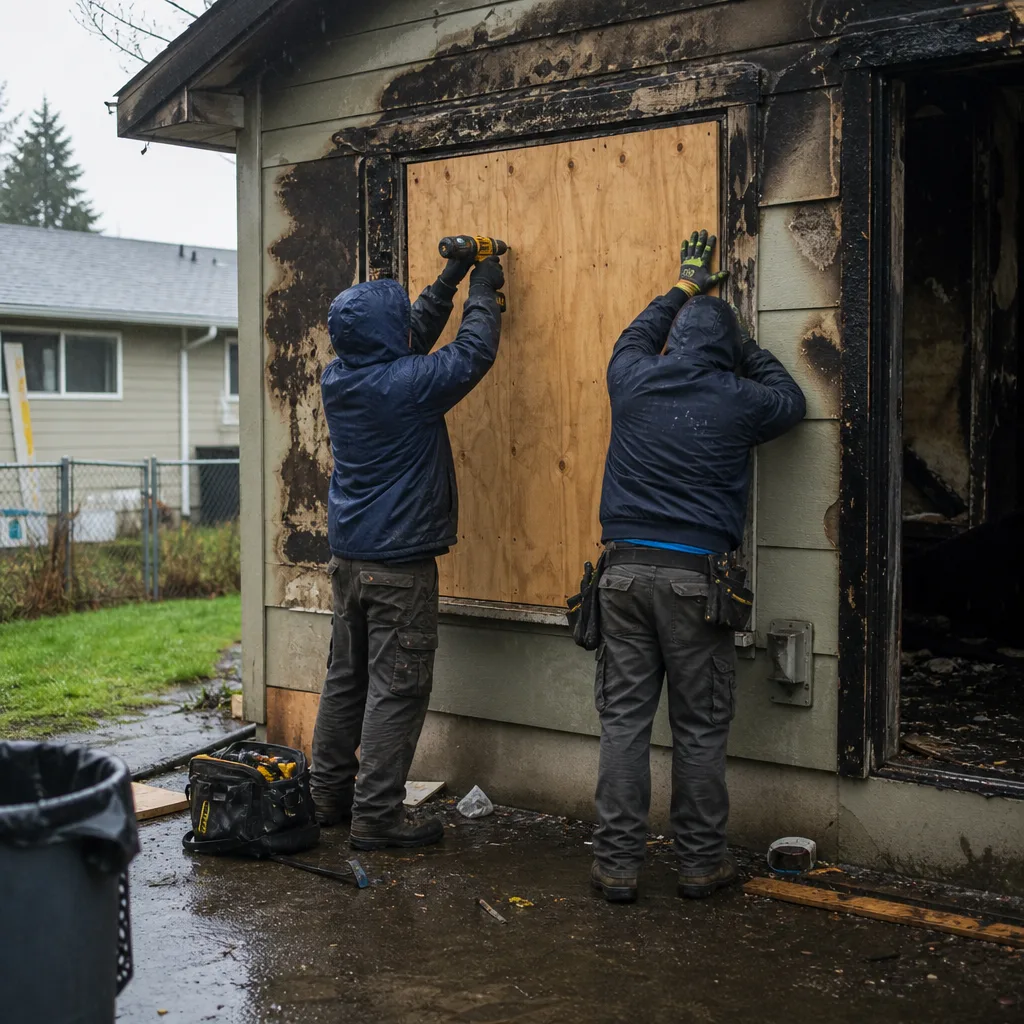
Water moving through your house needs to stop, then it needs to be found, then it needs to be documented before it becomes a denied claim. We answer live at (360) 469-6341, 24 hours a day, 7 days a week - no voicemail, no next-business-day callback while water is still traveling through your walls. Every SeaTac job starts with a written price before work begins, includes a photo record on every visit, and is covered by our 365-Day Done Right Promise under The Haven Standard. Bring a competitor’s written estimate and we’ll review it free. Call now.
Written by Alicia Brennan, Owner at Back to Dry Restoration, serving SeaTac since 2011.