
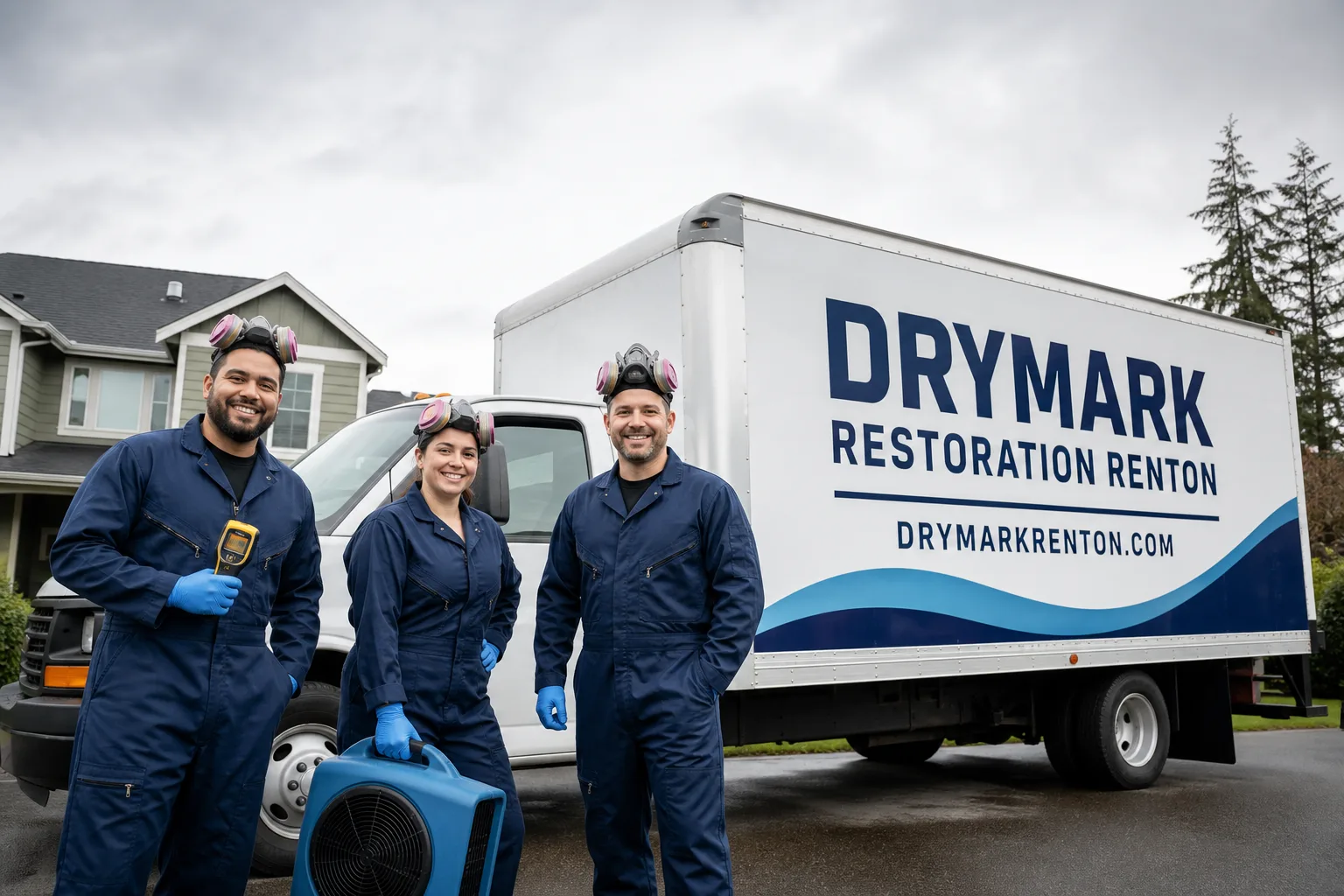
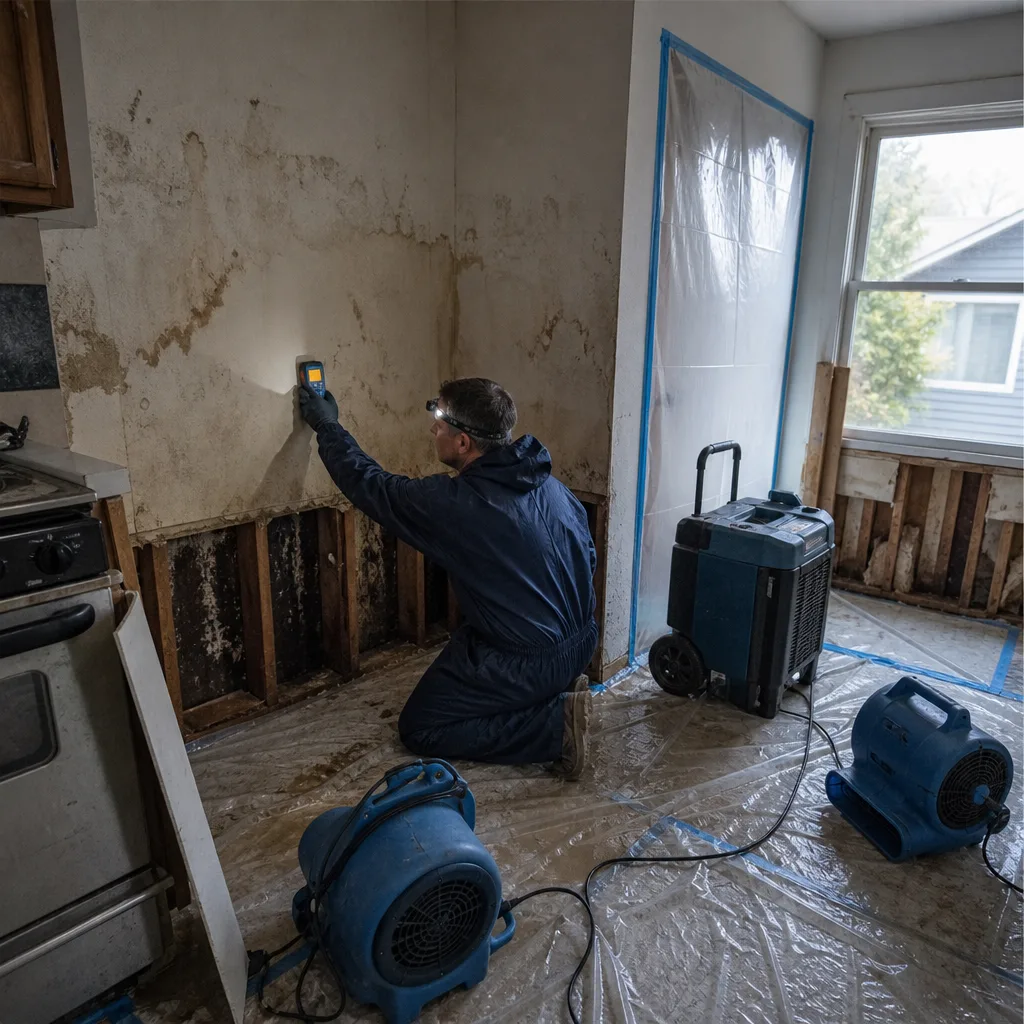
Free visual inspection and a written scope of work before any mitigation begins - photos, moisture readings, and drying logs go in your claim file
The scope we write is the scope we bill. Anything new gets shown to you, in writing, before we touch it.
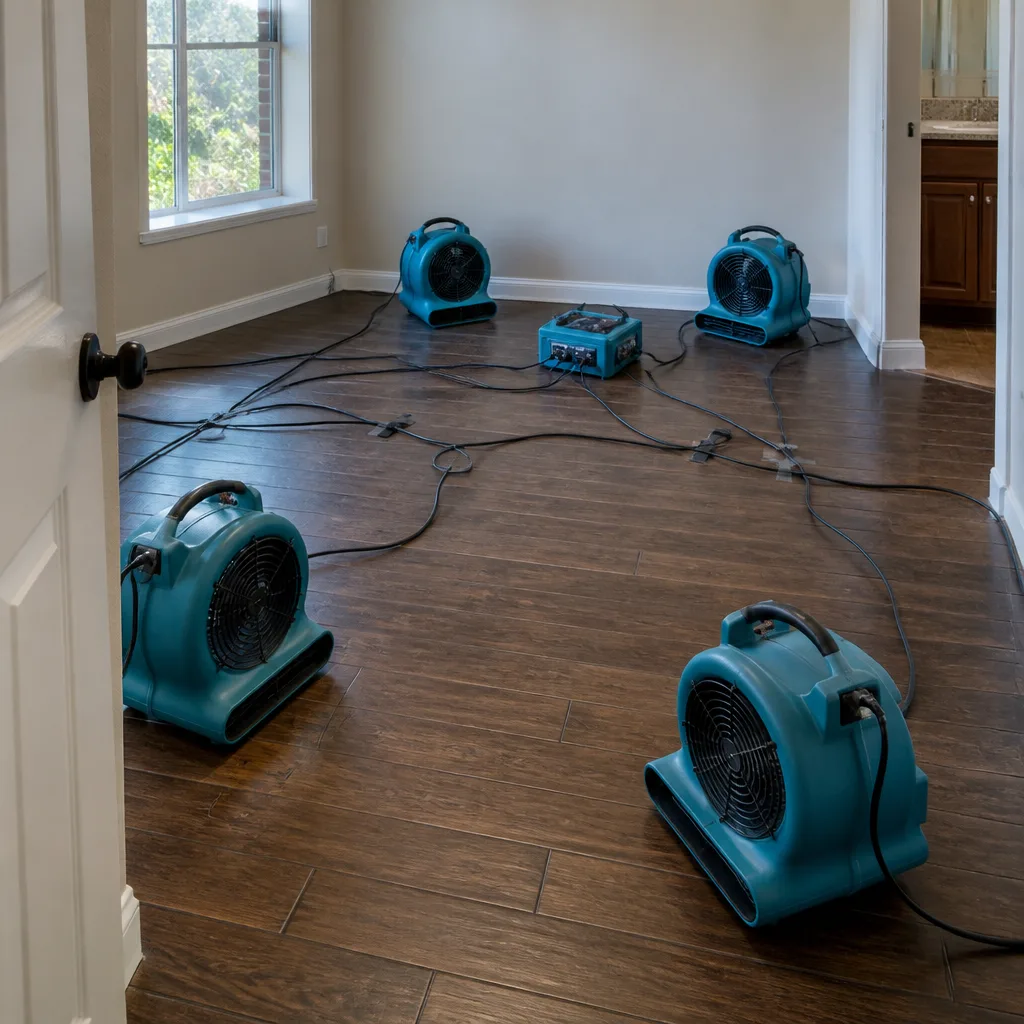
 Before
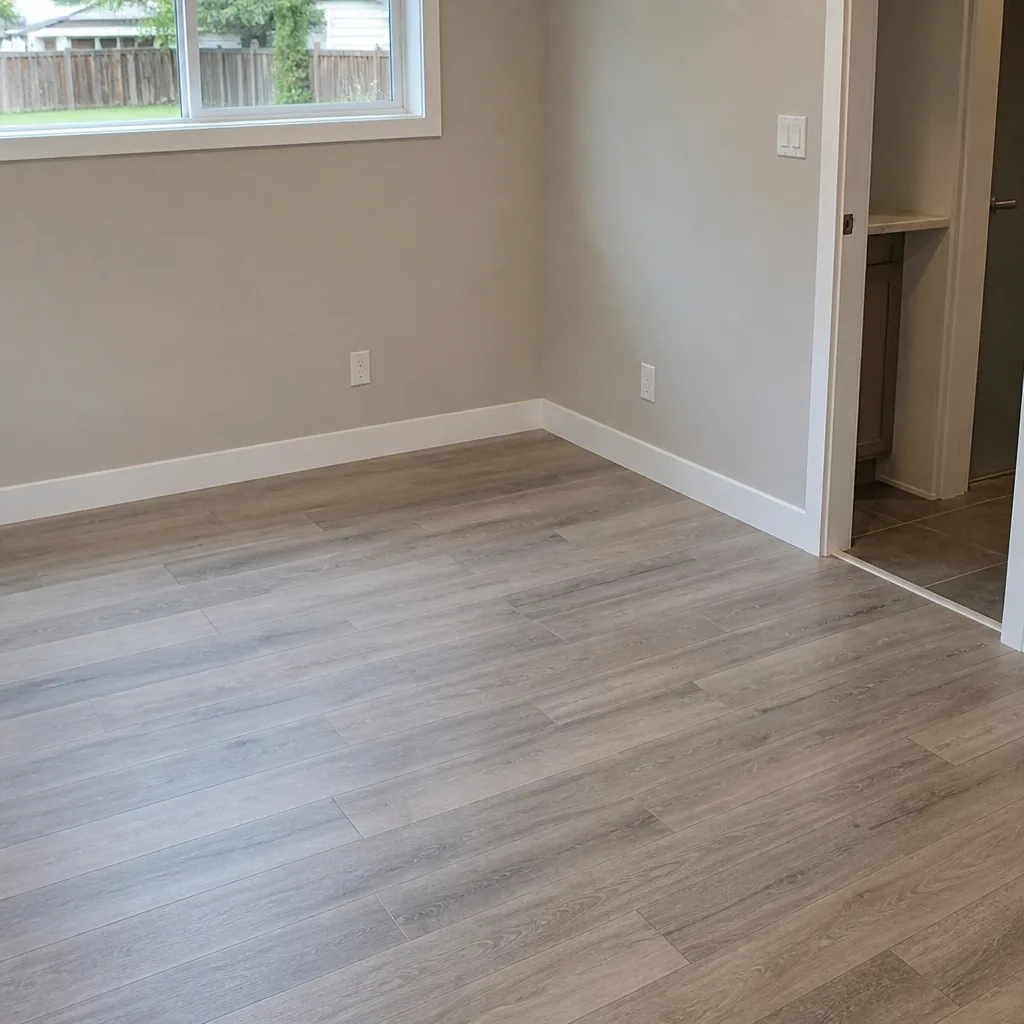 After
After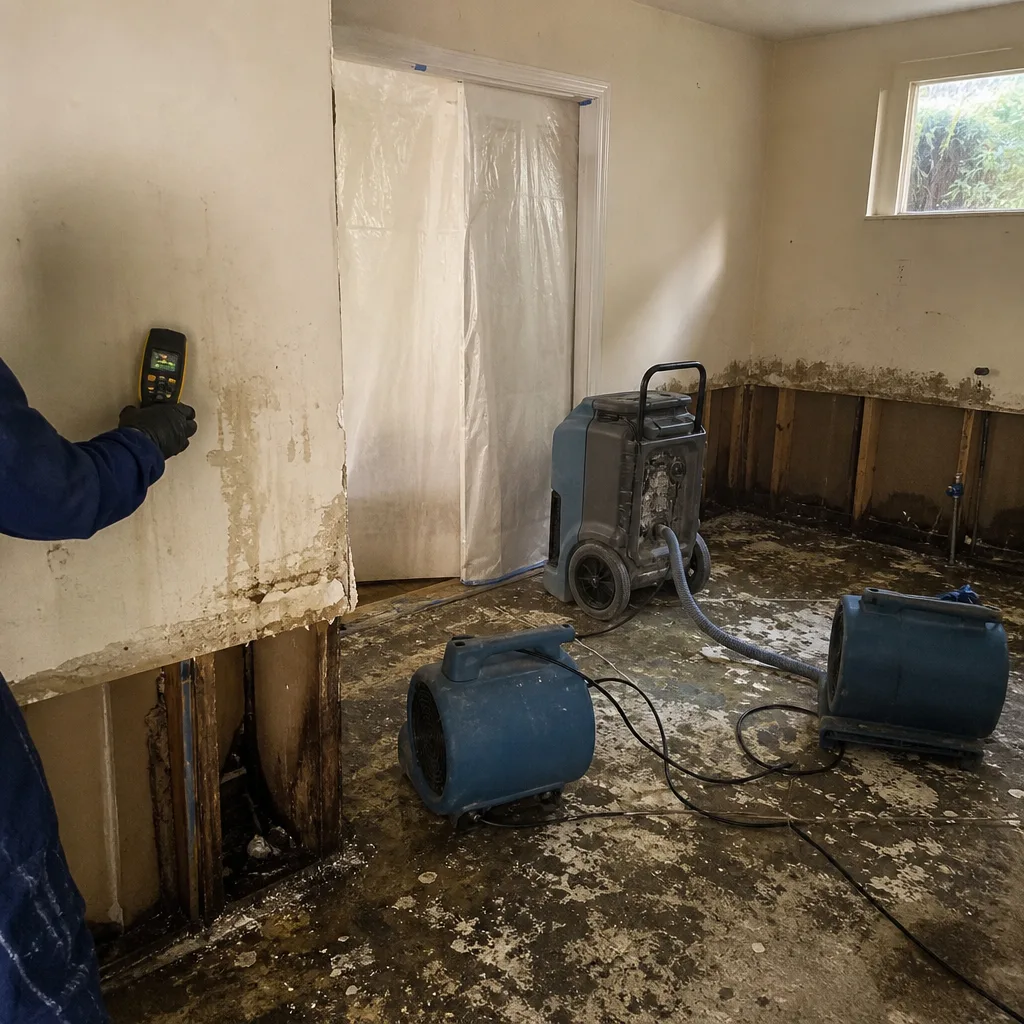 Before
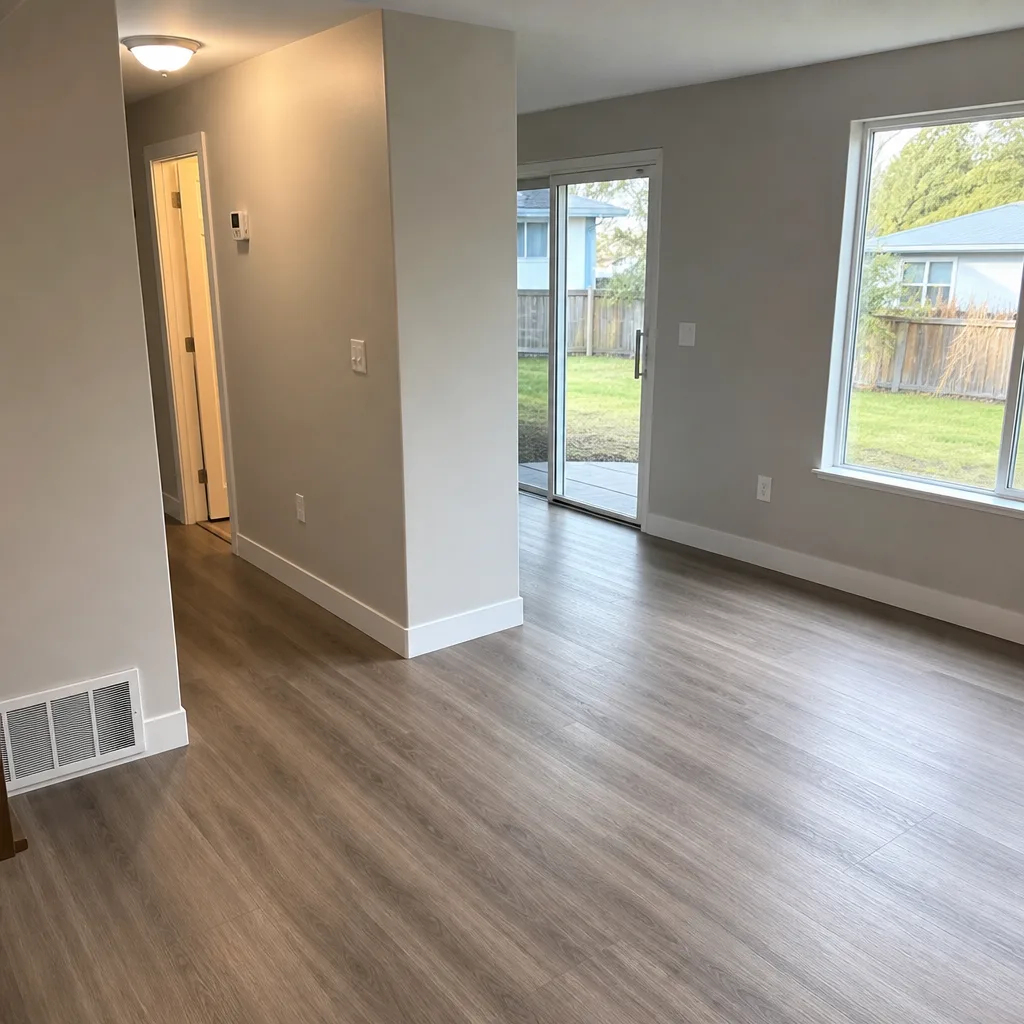 After
After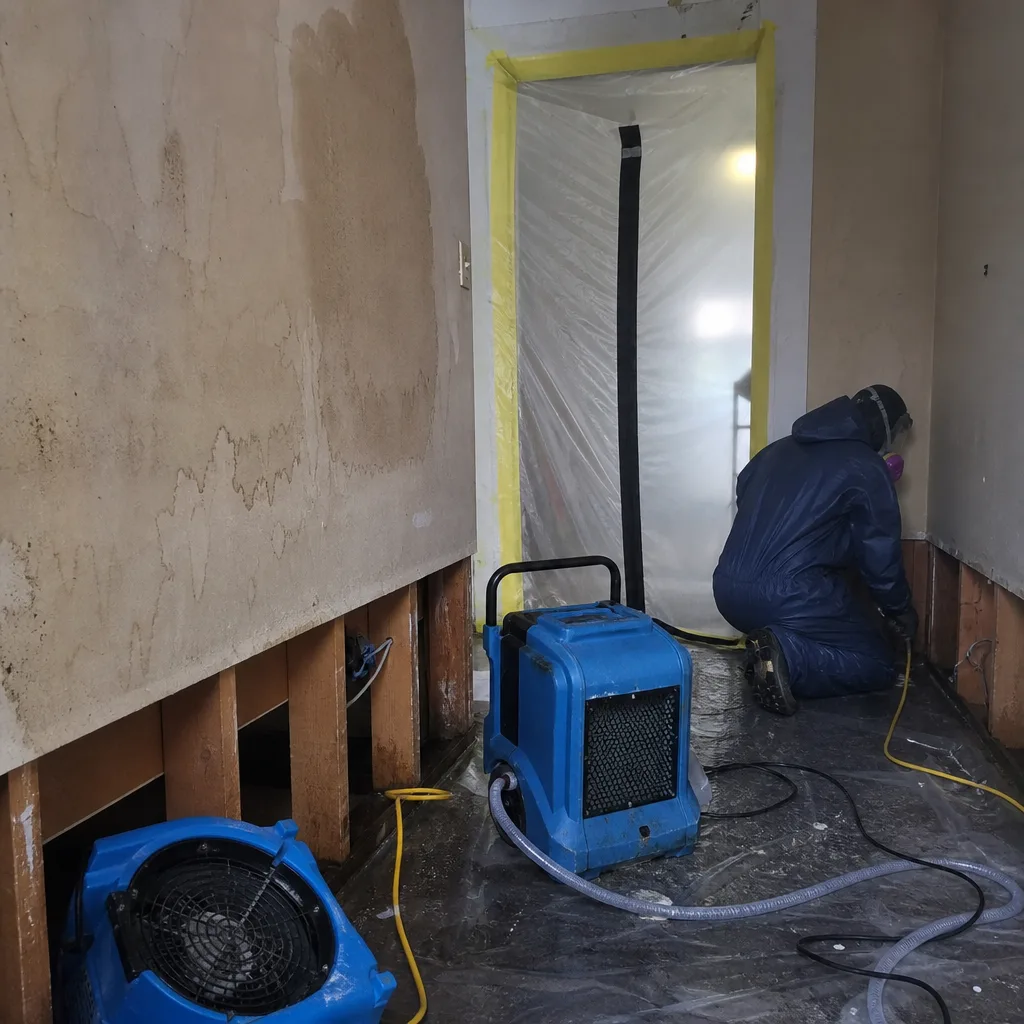 Before
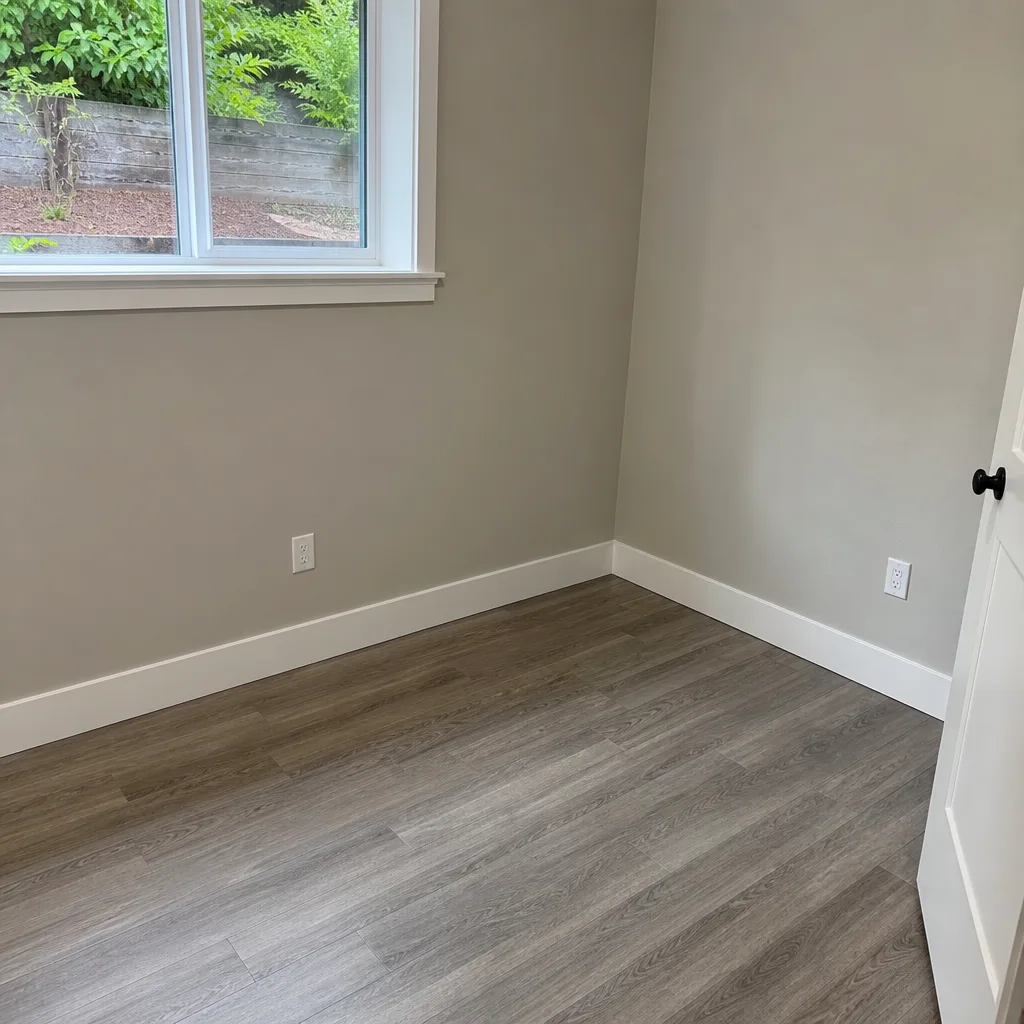 After
AfterFast, Reliable Fire & Smoke Damage Restoration Across SeaTac
Fire and smoke damage restoration in SeaTac typically runs $3,200-$8,500 for a partial home cleanup, with full-structure restoration reaching $15,000-$45,000 depending on square footage and whether the Port of Seattle noise-retrofit insulation has trapped moisture in sealed cavities. Our crews are on the road to SeaTac within 45 minutes of a call, and we bring the documentation-first approach that turns restoration invoices into paid insurance claims. Call (360) 469-6341; a live person answers 24 hours a day, 7 days a week.
We’ve restored homes from Angle Lake to McMicken Heights to Riverton Heights, and we know the specific failure patterns that repeat in SeaTac’s airport-adjacent housing stock. The same blown-in insulation that dampens jet noise also changes how fire, smoke, and water move through these structures. Generic restoration timelines don’t account for it. We do.
Why DryMark Restoration Renton Is SeaTac’s Preferred Fire & Smoke Damage Restoration Company
Our reputation in SeaTac was built job by job, with written prices before work starts and photo-documented records on every visit. Homeowners here research before they call; they read the three-star reviews and want to see evidence, not promises. We show them drying logs, moisture readings, and the written scope before anyone opens a toolbox.
Response time to SeaTac averages under 45 minutes from dispatch. Scheduling is coordinated from our Seattle office, but crews serve SeaTac locally and carry the equipment to begin emergency board-up, water extraction, and smoke containment on arrival. No next-business-day callbacks while smoke is still settling into porous surfaces.
We know SeaTac’s housing stock: the 1950s-1970s single-family homes with original crawl spaces, the 1980s-1990s apartment complexes near the airport, and the thousands of Port noise-retrofit properties with tightened envelopes and added insulation that fundamentally alter drying behavior. This local knowledge prevents the hidden mold and lingering odor that derail claims.
Our Fire & Smoke Damage Restoration team has handled claims on South 176th Street, 24th Avenue South, and the residential blocks between International Boulevard and the Duwamish River. We document to IICRC, RIA, and IFA standards because that’s what passes adjuster review.
Our Fire & Smoke Damage Restoration Services in SeaTac
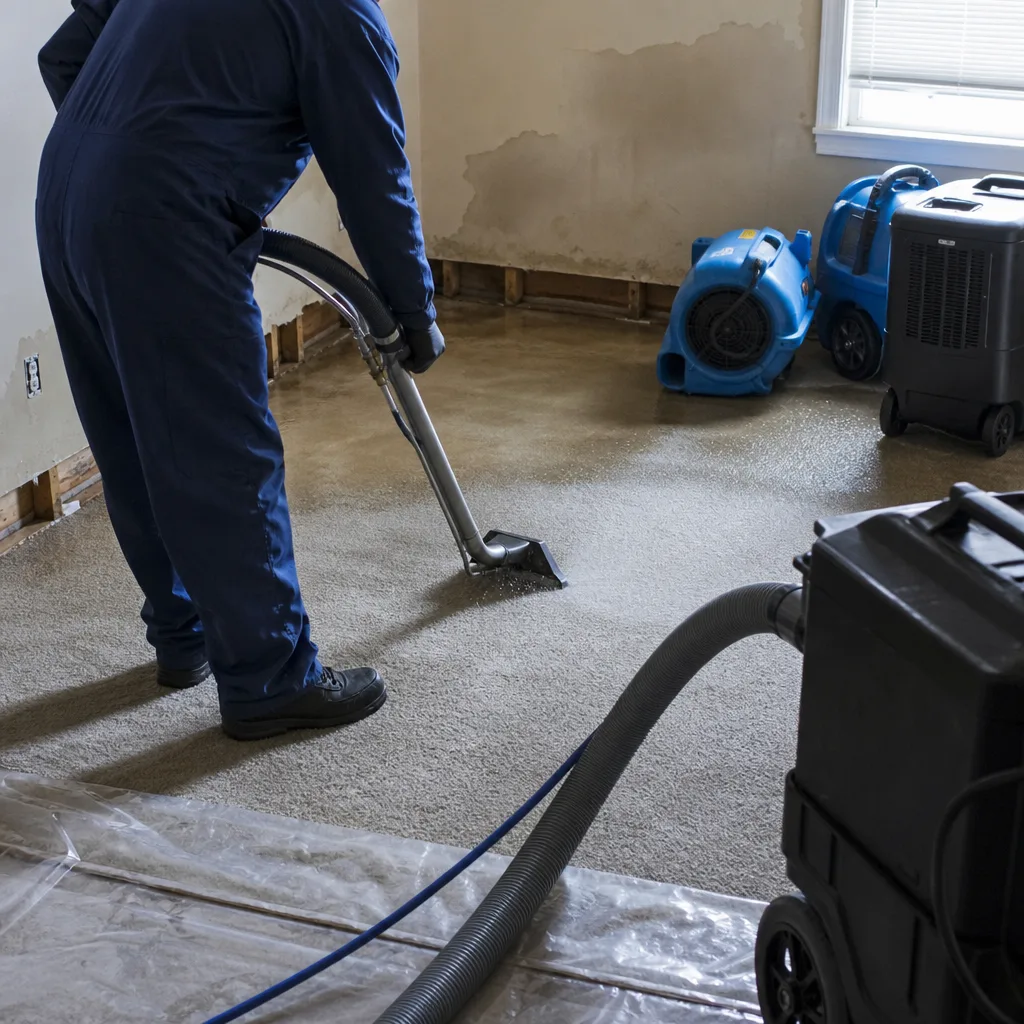
Fire Damage Cleanup
Fire damage cleanup in SeaTac starts with emergency board-up and tarping to secure the structure, followed by water extraction from firefighting efforts. In Port noise-retrofit homes, we probe attic eaves and knee walls where blown-in insulation acts like a sponge against sheathing; thermal imaging alone misses the extent. We document moisture readings in daily drying logs and apply antimicrobial treatment to charred framing before any reconstruction begins. A written price is delivered before work starts, every time, under Haven Standard, Clause 1.
Smoke & Soot Removal
Smoke and soot removal in SeaTac requires particular attention to HVAC systems and wall cavities in tightened building envelopes. The noise-retrofit modifications that sealed these homes against jet noise also seal smoke particulates inside; natural ventilation that would clear a 1960s original build doesn’t exist here. We deploy HEPA air scrubbers, negative air machines, and targeted thermal fogging or ozone treatment based on material classification and porosity. Soot is acidic and begins etching finishes within hours; speed matters on the front end, but thoroughness matters more before we sign off.
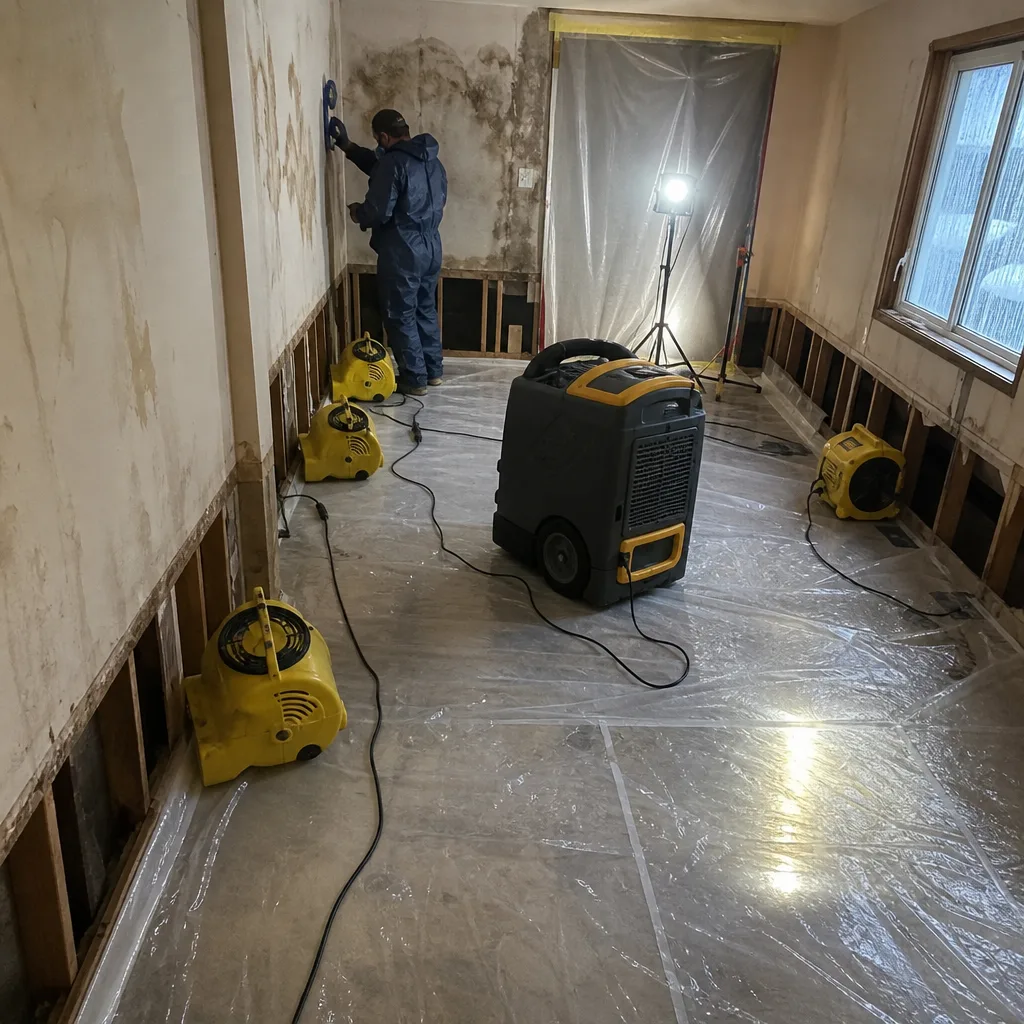
Odor Removal & Deodorization
Odor removal in SeaTac runs longer than inland markets because coastal marine fog pushes overnight relative humidity above 90%, slowing evaporative drying even after active fire damage is resolved. Smoke odor trapped in retrofit insulation, sealed crawl spaces, and modified HVAC ductwork doesn’t respond to surface treatment. We use vapor pressure differential monitoring, psychrometric data, and tertiary drying protocols to verify that materials have returned to equilibrium before declaring the odor job complete. If it’s not done right, we make it right - that’s the 365-Day Done Right Promise under The Haven Standard.
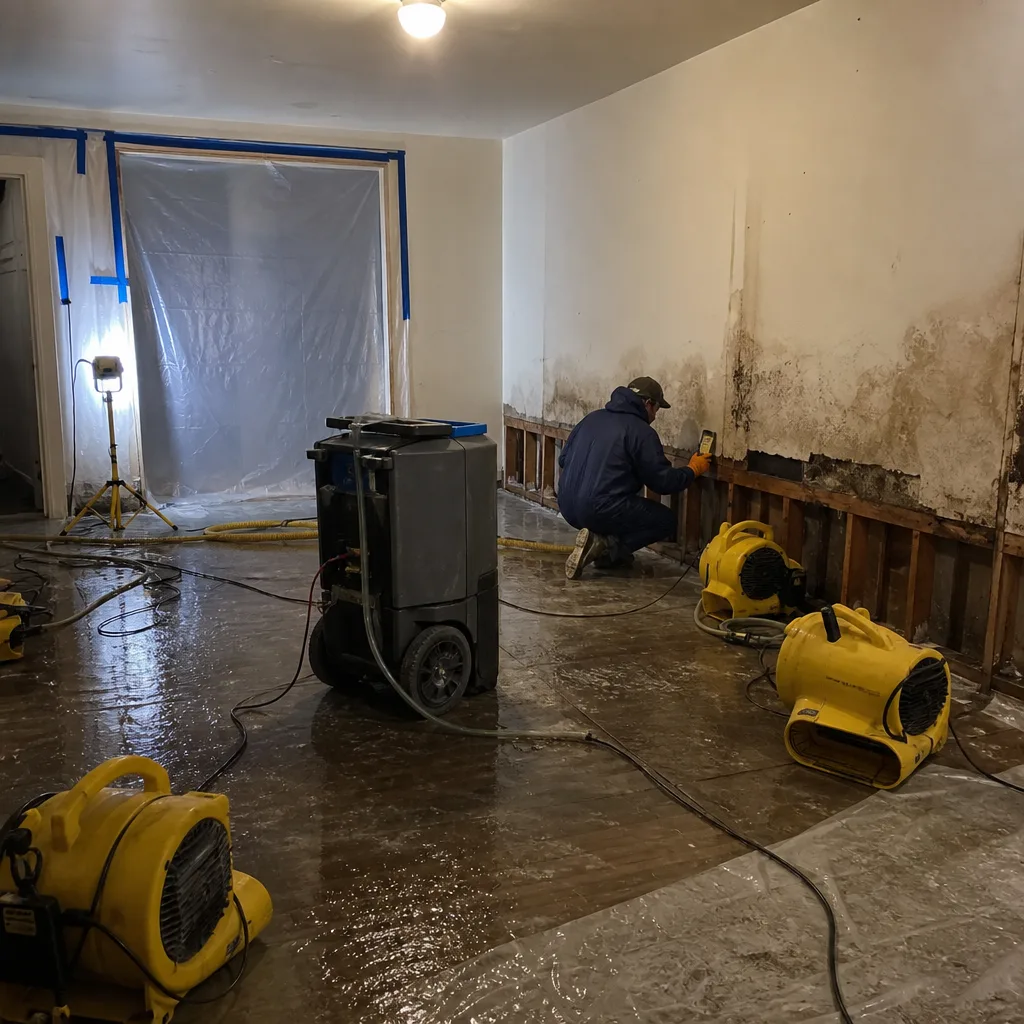
Contents Cleaning & Pack-Out
Contents cleaning and pack-out for SeaTac fire losses happens in our controlled facility, not in the damaged structure where cross-contamination is inevitable. We inventory, photograph, and document each item for insurance submission before cleaning with ultrasonic, ozone, or specialized textile methods depending on material type. For homes near the airport with modified HVAC and sealed envelopes, pack-out is often the only way to protect salvageable contents from the lingering smoke and moisture that standard on-site cleaning cannot address.
Emergency Board-Up & Tarping
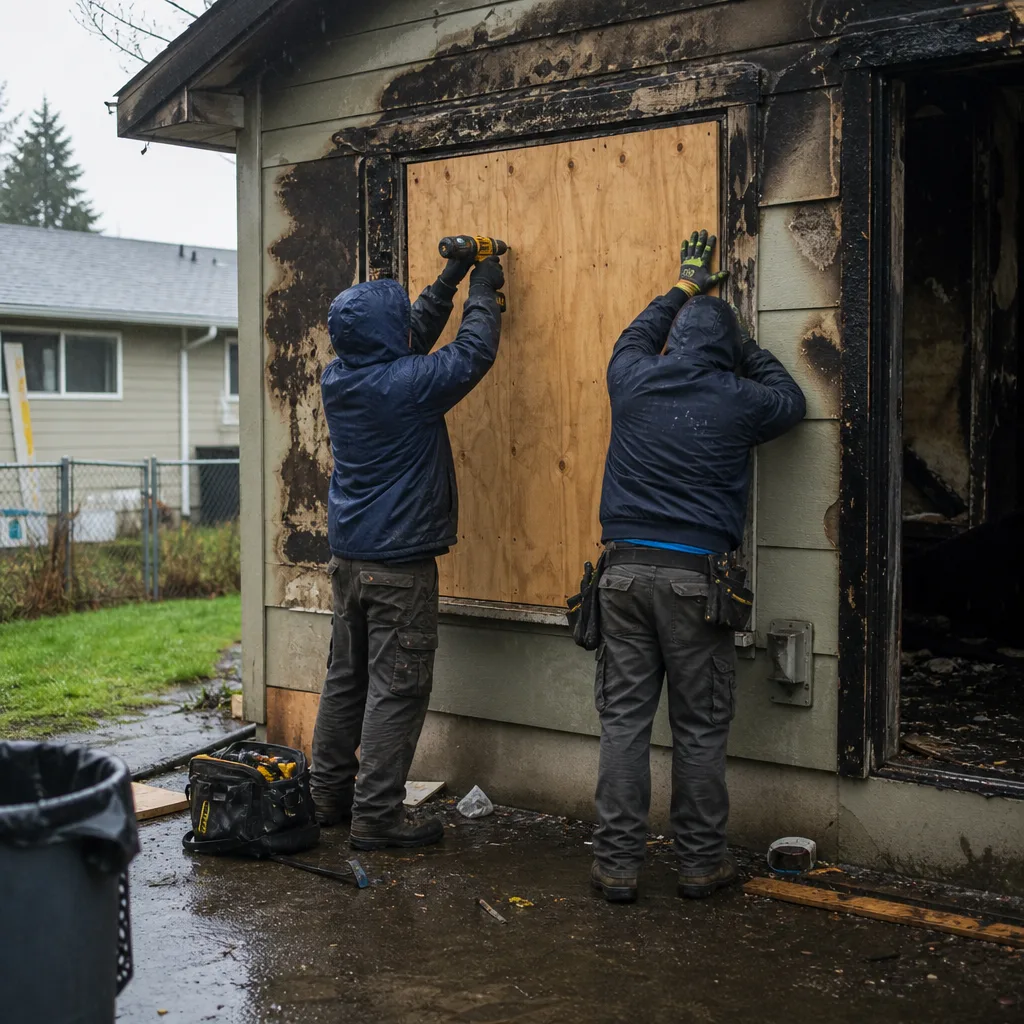
Emergency board-up and tarping in SeaTac must account for the salt-laden coastal air that corrodes hardware faster than inland. We’ve replaced garage-door springs, hinges, and tracks on homes where fire damage was minor but the salt-corroded hardware failed during or after the event, complicating secure closure. We use galvanized and stainless fasteners where standard hardware would fail within a season.
Structural Fire Repair
Structural fire repair in SeaTac’s 1950s-1970s homes often reveals original construction with minimal vapor barriers and crawl spaces never designed for modern drying loads. The Port noise-retrofit added insulation and tightened envelopes without upgrading the original moisture management; post-fire reconstruction must address this mismatch or the next water event will repeat the hidden mold pattern. We write scopes that specify material replacement by trade name, moisture content verification, and documented drying before closeout.
What happens when you call
- 1
A real person answersNo phone trees - you reach a local pro.
- 2
You get an upfront price rangeHonest numbers before anyone is dispatched.
- 3
A background-checked tech heads outLicensed & insured, dispatched right away.
- 4
You approve before work beginsNothing starts until you say go.
BeforeAfterTrusted Brands We Service in SeaTac
We deploy professional-grade drying and dehumidification systems from Dri-Eaz, Phoenix, and XPOWER on SeaTac fire restoration jobs, with B-Air equipment for specialized air movement in tight retrofit cavities. These machines produce the daily moisture logs that turn restoration invoices into payable insurance claims. We stock HEPA filtration media, antimicrobial treatments, and corrosion-resistant hardware locally so we’re not waiting on supply runs while smoke residue continues etching surfaces. Every piece of equipment is documented to IICRC, RIA, and IFA standards.
Common Fire & Smoke Damage Restoration Problems We See in SeaTac Homes
- Retrofit insulation traps moisture and odor in attic eaves. The Port of Seattle’s Sound Insulation Program packed blown-in insulation into attic bays and knee walls where original 1950s-1970s construction had none. After a fire, this insulation holds firefighting water and smoke residue against sheathing for weeks. Standard 3-day drying timelines fail; probing and extended dehumidification are mandatory.
- Tightened building envelopes seal smoke inside wall cavities. Triple-pane windows, sealed crawl spaces, and modified HVAC systems that dampen jet noise also prevent natural smoke ventilation. Smoke particulates linger in drywall, insulation, and ductwork long after visible flames are out, requiring longer odor removal cycles than typical for the region.
- Coastal salt air corrodes garage-door hardware and complicates board-up. Salt-laden marine fog accelerates corrosion of springs, hinges, rollers, tracks, and opener chains. We’ve seen hardware fail during emergency board-up on homes where fire damage was contained to a single room, requiring immediate replacement before the structure could be secured.
- Sustained high humidity slows evaporative drying year-round. The SeaTac airport weather station records roughly 38 inches of annual rainfall concentrated in October-April drizzle, plus overnight relative humidity regularly above 90% from coastal marine fog. Building materials stay near saturation; mold establishes faster than in drier inland markets, and drying protocols must be adjusted accordingly.
Pricing for Fire & Smoke Damage Restoration in SeaTac, WA
Fire damage cleanup in SeaTac typically runs $3,200-$8,500 for partial home involvement, with smoke and soot removal adding $1,800-$4,500 depending on affected square footage and whether the Port noise-retrofit insulation requires probing and extended treatment. Odor removal and deodorization ranges $800-$2,400 for standard residential properties, climbing to $3,500-$6,000 when HVAC systems and sealed wall cavities are involved. Contents cleaning and pack-out runs $2,500-$7,500 based on inventory volume and cleaning method required. Structural fire repair begins around $5,000 for localized rebuilds and reaches $15,000-$45,000 for full-structure restoration in larger SeaTac homes.
What moves the price: extent of firefighting water intrusion, presence of Port noise-retrofit insulation requiring extended drying, corrosion damage to garage-door and entry hardware from salt air, and whether HVAC ductwork requires cleaning or replacement. Every job is quoted in writing before work begins, with no scope-creep additions once the crew is inside - Haven Standard, Clause 1. Bring a competitor’s written estimate; we’ll review it at no charge with our Free Second Opinion.
We Also Serve Cities Near SeaTac
Our Fire & Smoke Damage Restoration in SeaTac crews also respond to fire and smoke losses in Renton, Tukwila, Kent, and Mercer Island. Each market has distinct housing stock and climate factors; we adjust drying protocols and documentation accordingly.
Serving SeaTac, WA - Our Local Coverage Area
We’re based in the SeaTac area and know this community well. Use the map below to see our service coverage - if you’re nearby, we can almost certainly help.
FAQs - Fire & Smoke Damage Restoration in SeaTac
The blown-in insulation added by the Port of Seattle’s Sound Insulation Program traps firefighting water and smoke residue in attic eaves and knee walls for weeks longer than original 1950s-1970s construction would allow. Standard thermal imaging misses the extent; we probe each bay before setting equipment and extend drying timelines accordingly. Call (360) 469-6341 for a written scope on your specific property.
Coastal marine fog pushes overnight relative humidity above 90% throughout the year, and the tightened building envelopes from noise retrofits eliminate natural ventilation that would speed drying in original construction. These factors add 2-4 days to typical drying timelines. We document moisture readings daily and don’t close out until psychrometric data confirms equilibrium.
Yes. Salt-laden air accelerates corrosion of springs, hinges, rollers, tracks, and opener chains by years compared to inland markets. We’ve replaced fire-damaged and corroded hardware during board-up on homes where the fire itself was contained. We specify galvanized or stainless replacements in our written scopes. Call (360) 469-6341 for an assessment.
Accepting a 3-day drying timeline from a contractor who doesn’t account for retrofit insulation or coastal humidity. Hidden moisture in sealed cavities leads to mold claims denied months later when the odor returns. We probe, document, and verify before signing off. A written price before work starts and a photo record on every visit protect against this - Haven Standard, Clauses 1 and 3.
Yes. We inventory, photograph, and transport salvageable contents to our controlled cleaning facility, documenting each item for insurance submission. In SeaTac’s tightened homes, on-site cleaning often fails because smoke and moisture continue circulating through sealed HVAC systems during the process. Pack-out removes contents from that environment. Call (360) 469-6341 to schedule.
We responded to a kitchen fire in a 1962 split-level off South 176th Street, where the Port noise-retrofit had packed blown-in insulation into the attic eaves and knee walls. After extinguishing, we found that the added insulation had acted like a sponge, holding firefighting water and smoke residue against the sheathing; thermal imaging alone missed it, so we probed each eave bay before setting up air movers, dehumidification, and containment. We documented moisture readings in drying logs, applied antimicrobial treatment to the charred framing, and completed a full pack-out of smoke-damaged contents before structural repair.
Written by Alicia Brennan, Owner at Back to Dry Restoration, serving SeaTac since 2011 under The Haven Standard.