
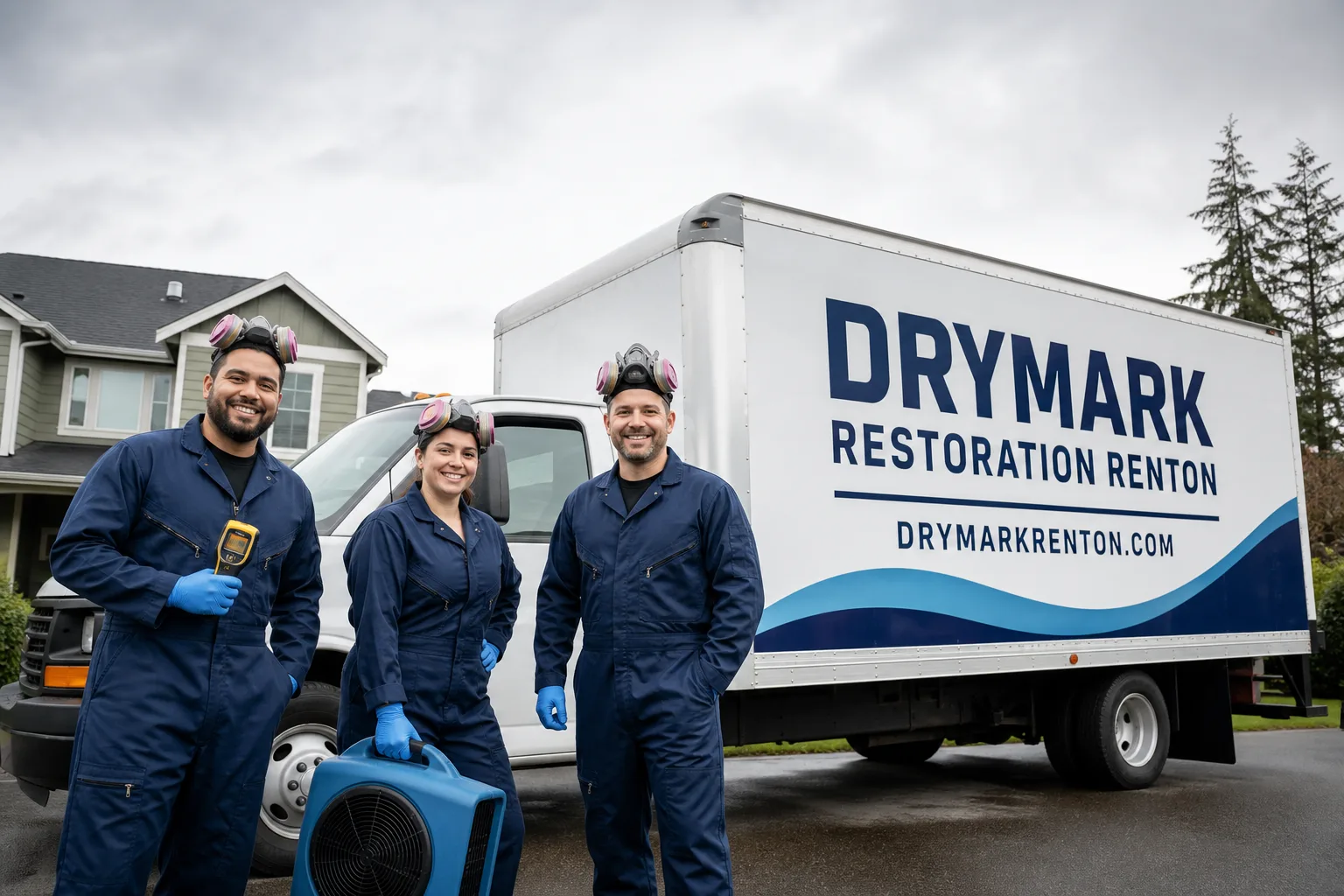
Free visual inspection and a written scope of work before any mitigation begins - photos, moisture readings, and drying logs go in your claim file
The scope we write is the scope we bill. Anything new gets shown to you, in writing, before we touch it.
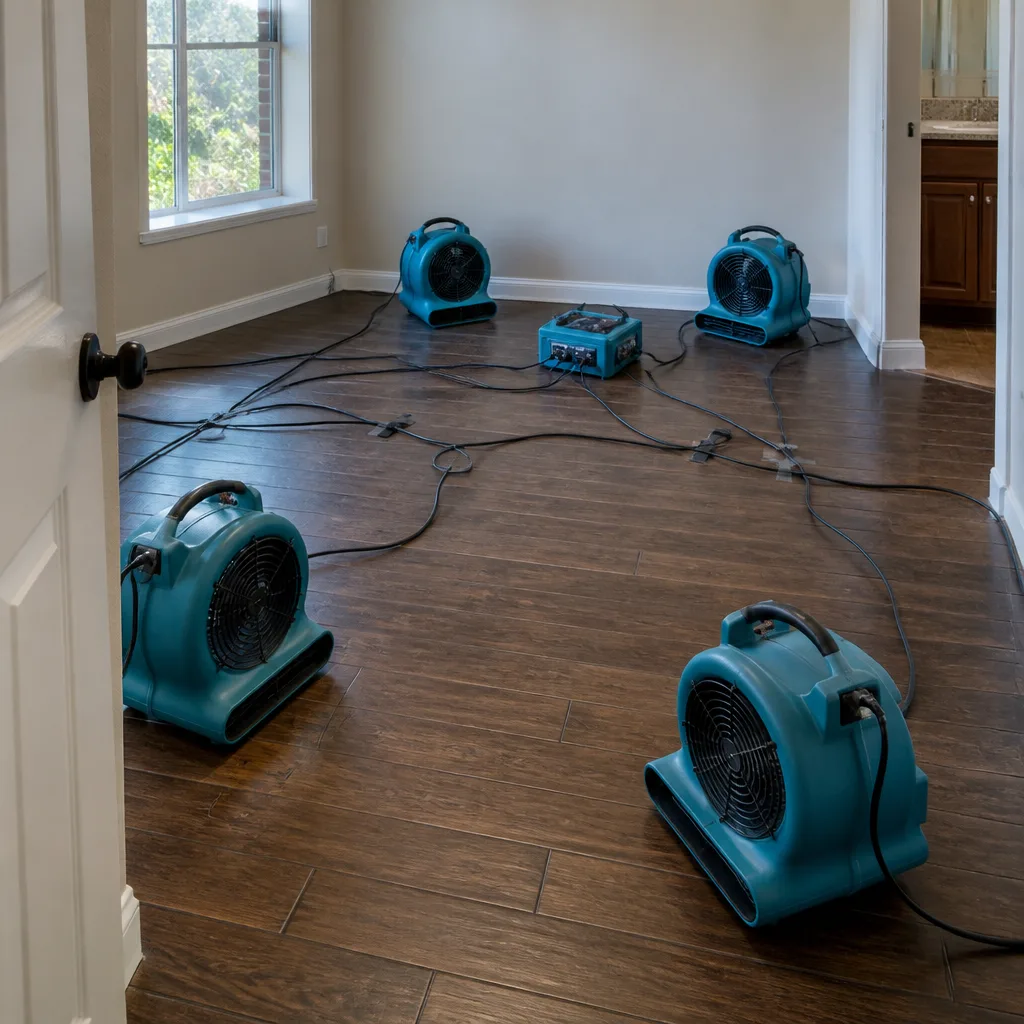
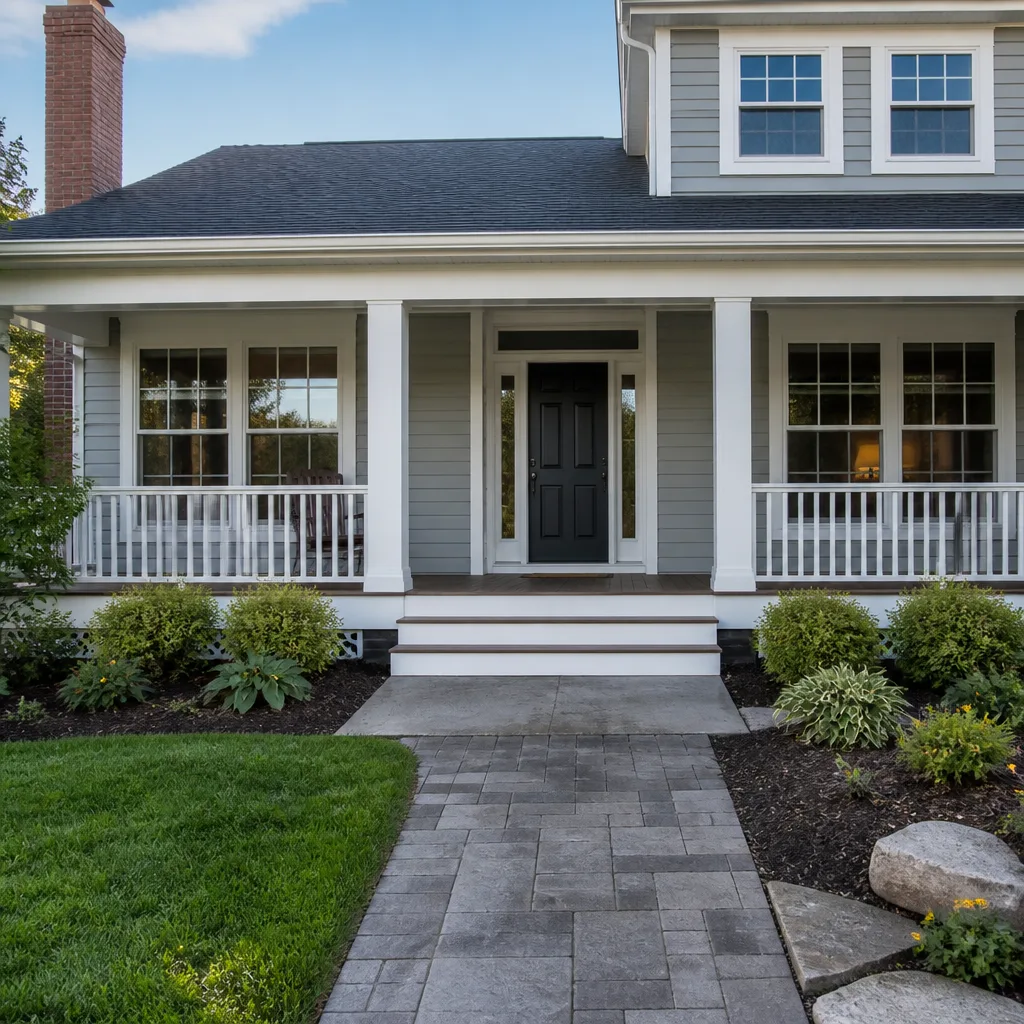
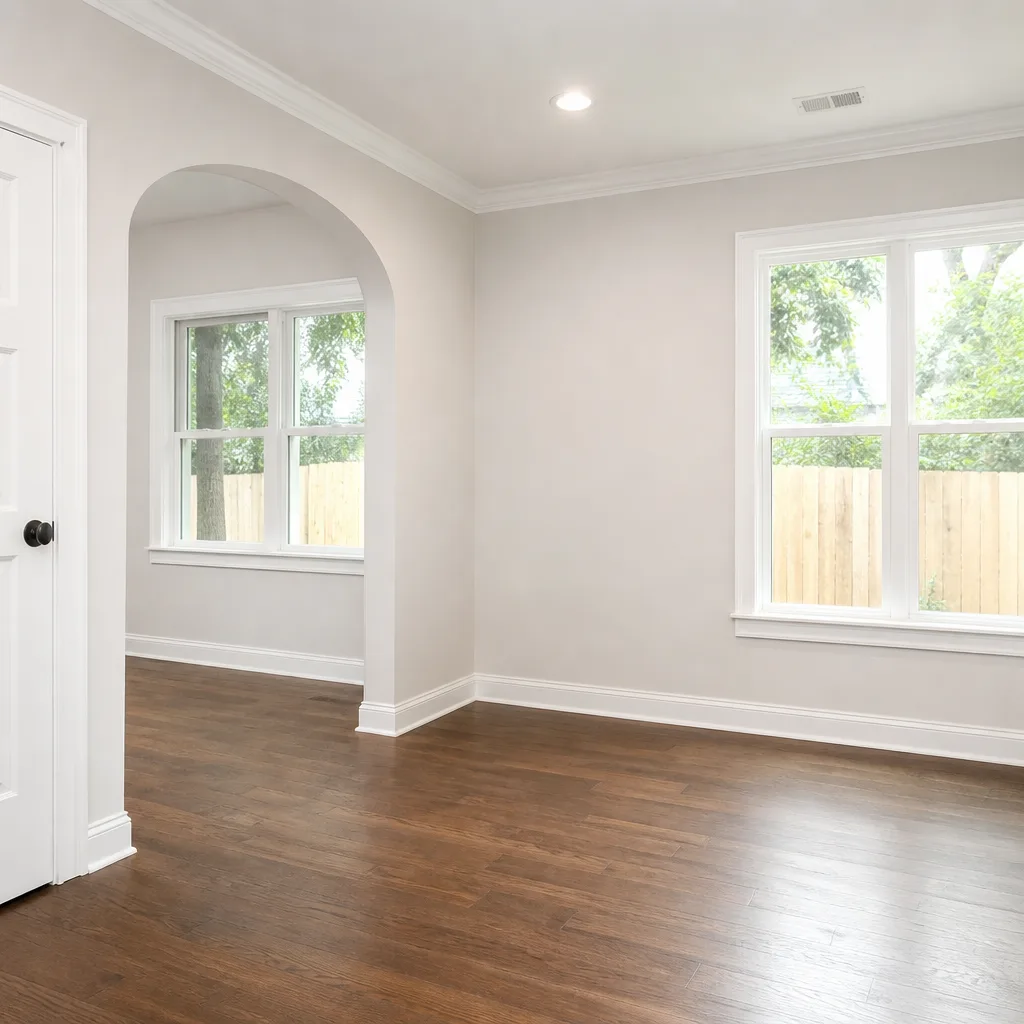
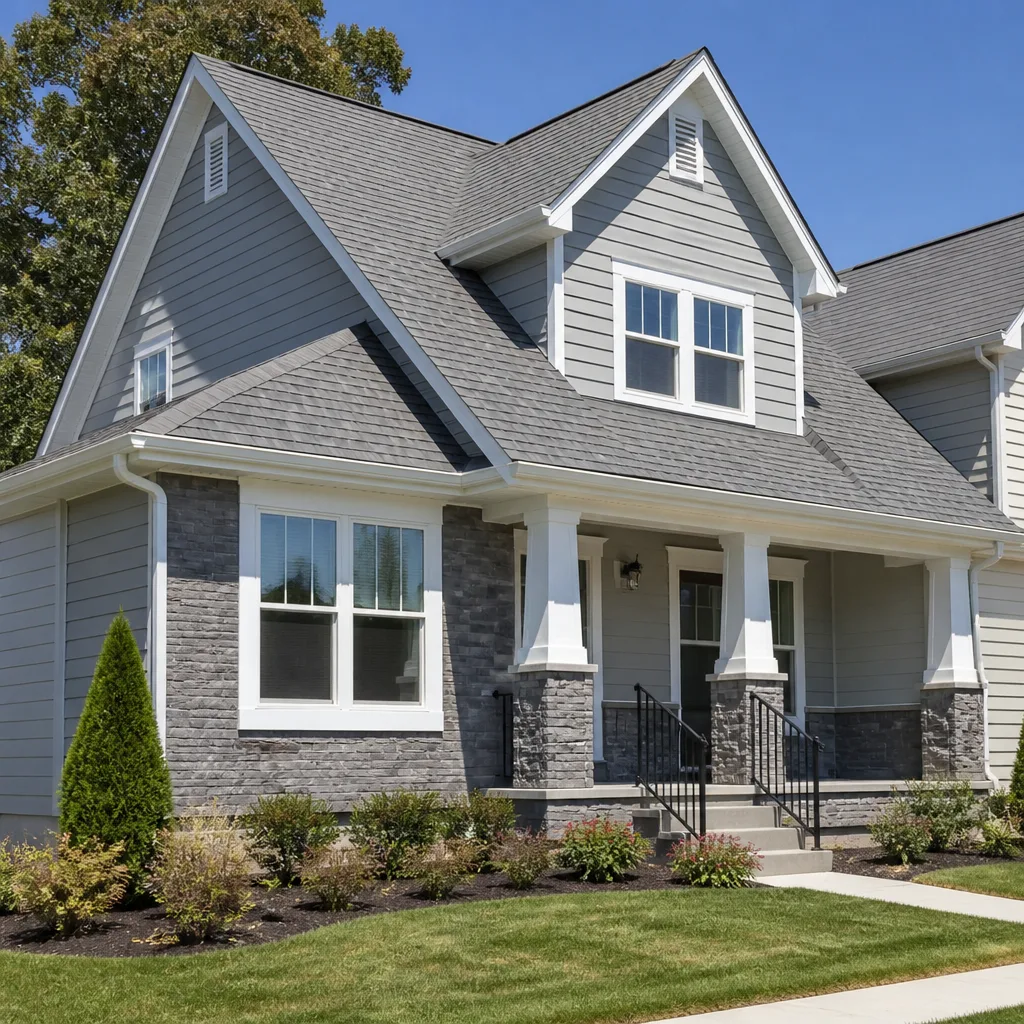
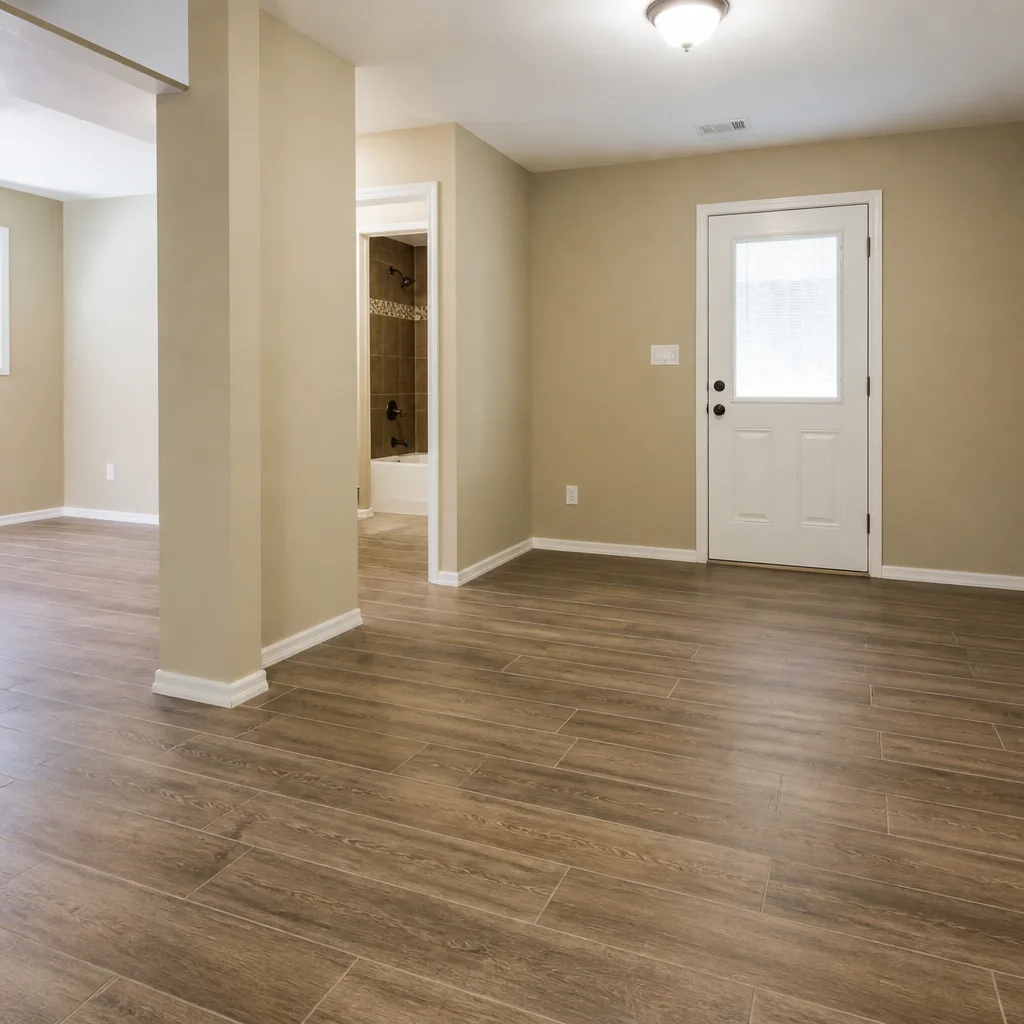
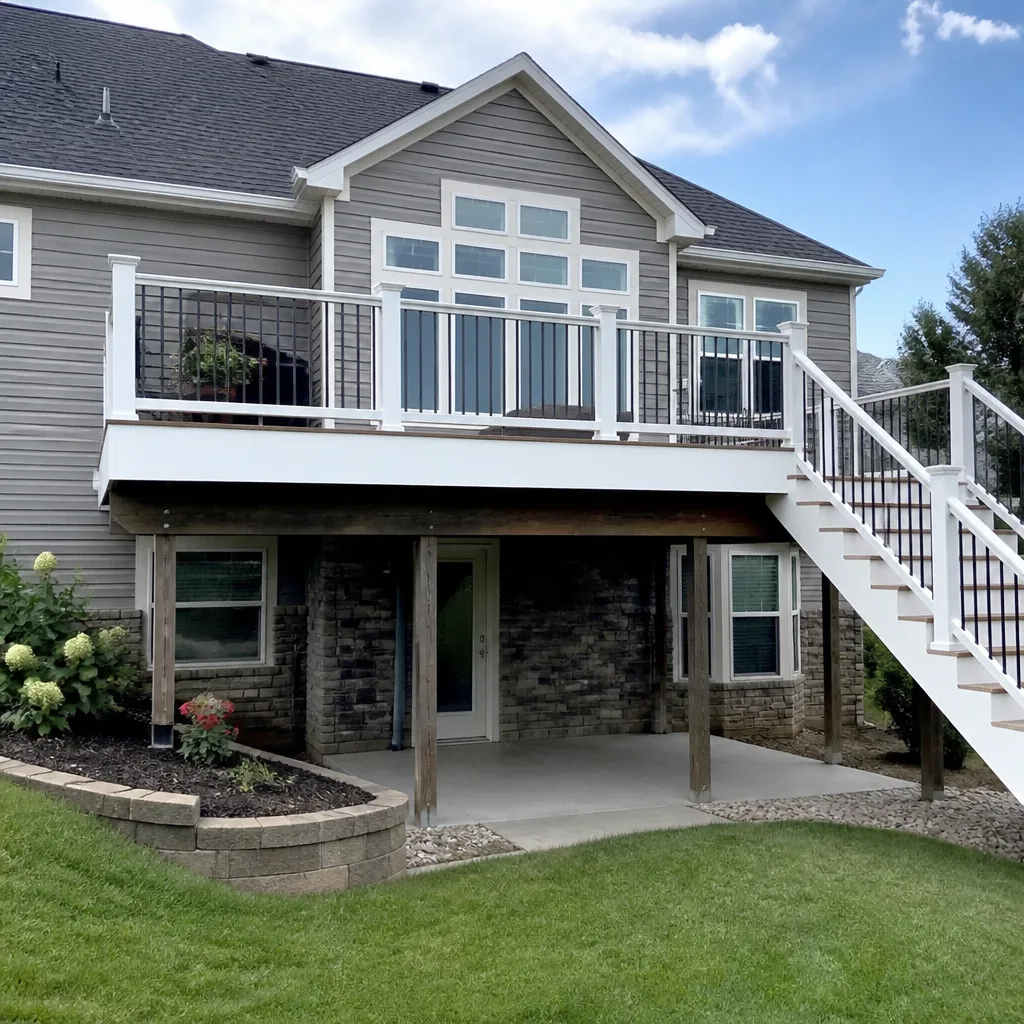
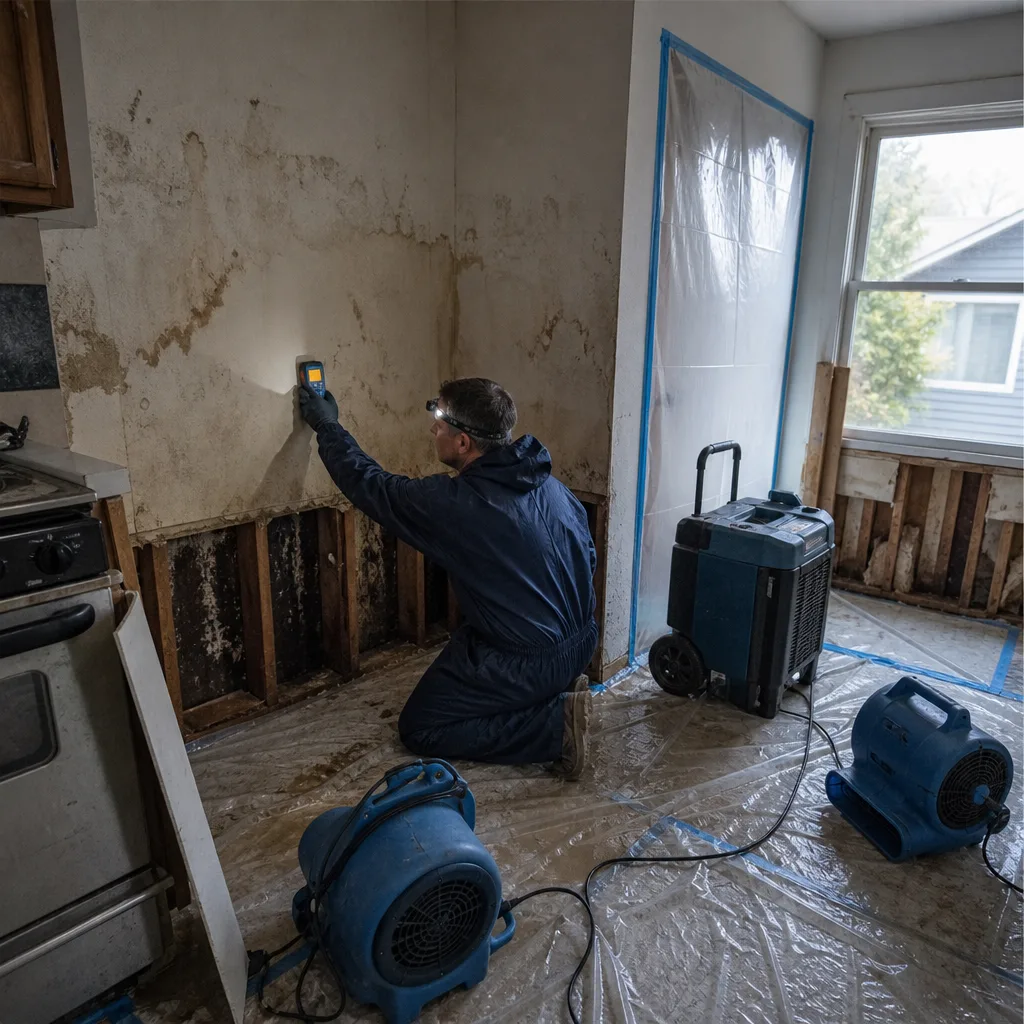 Before
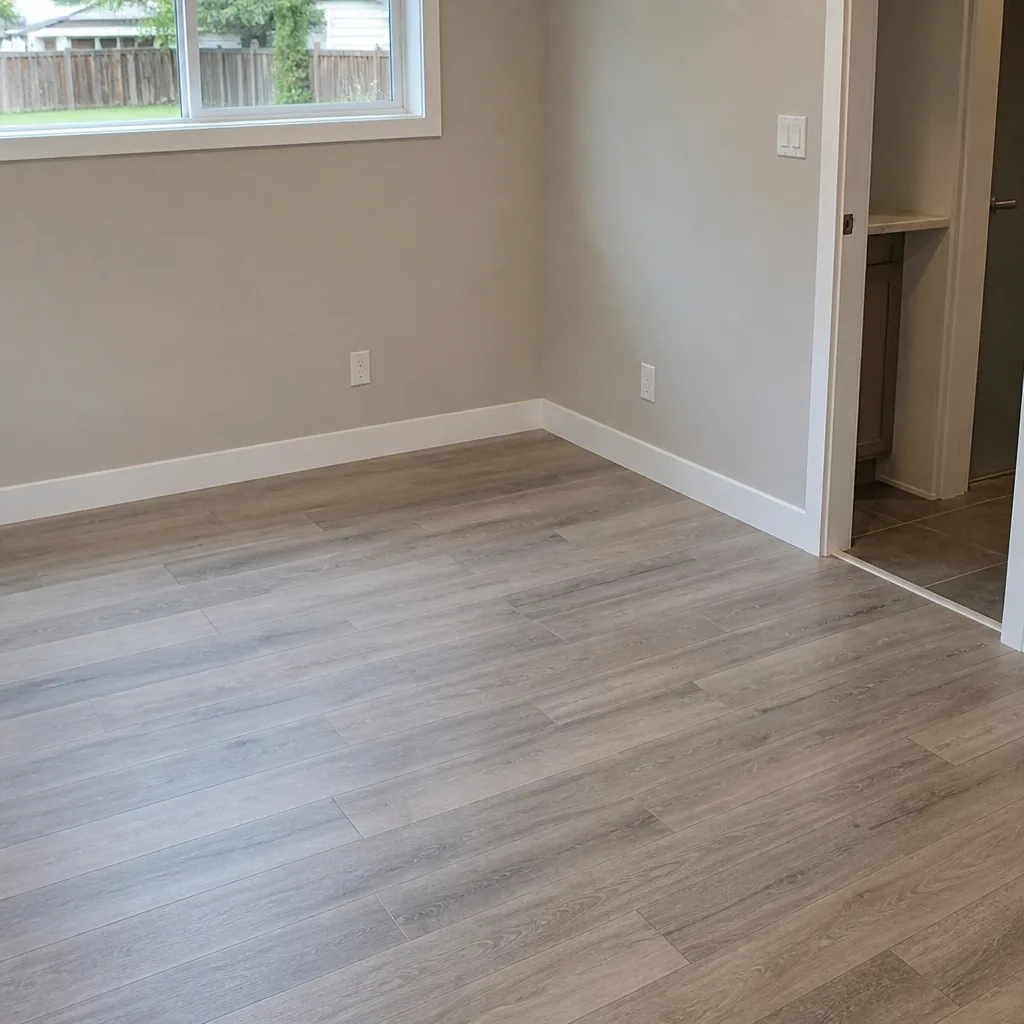 After
After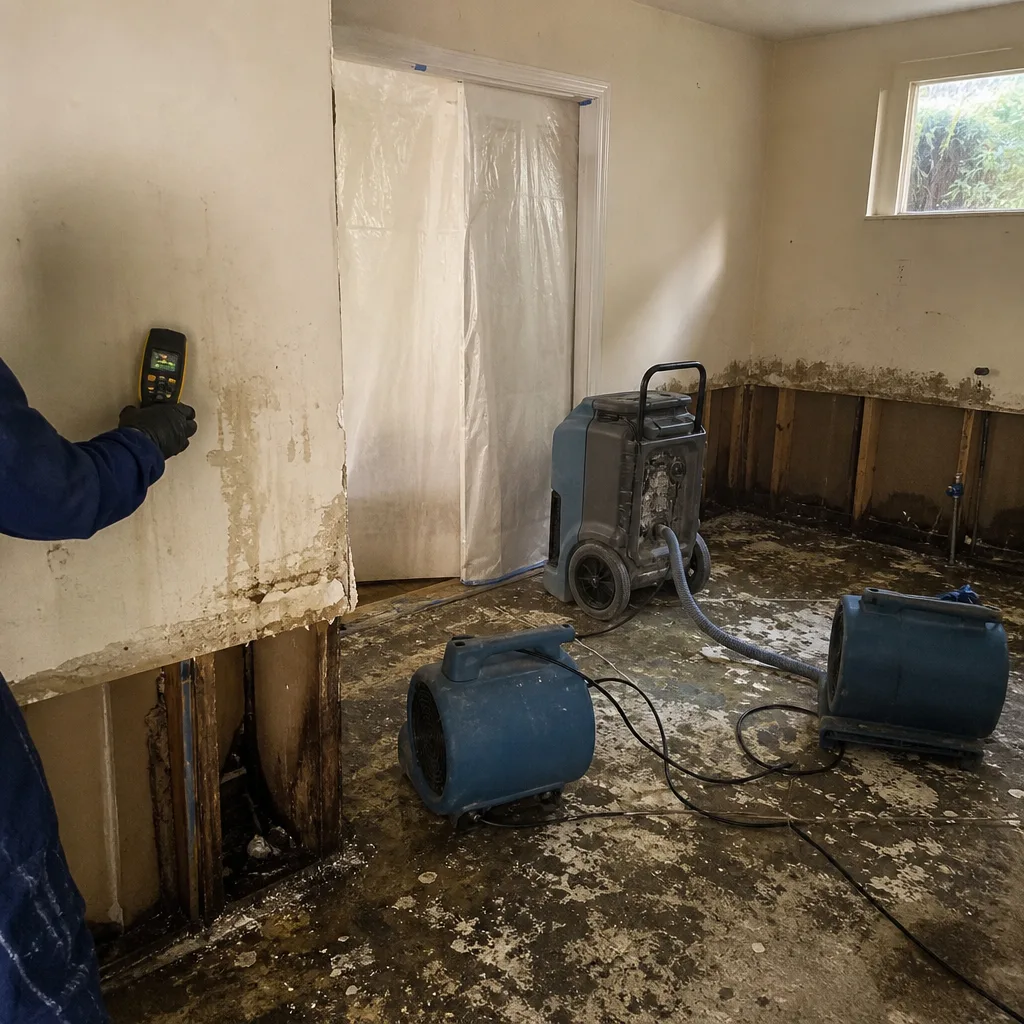 Before
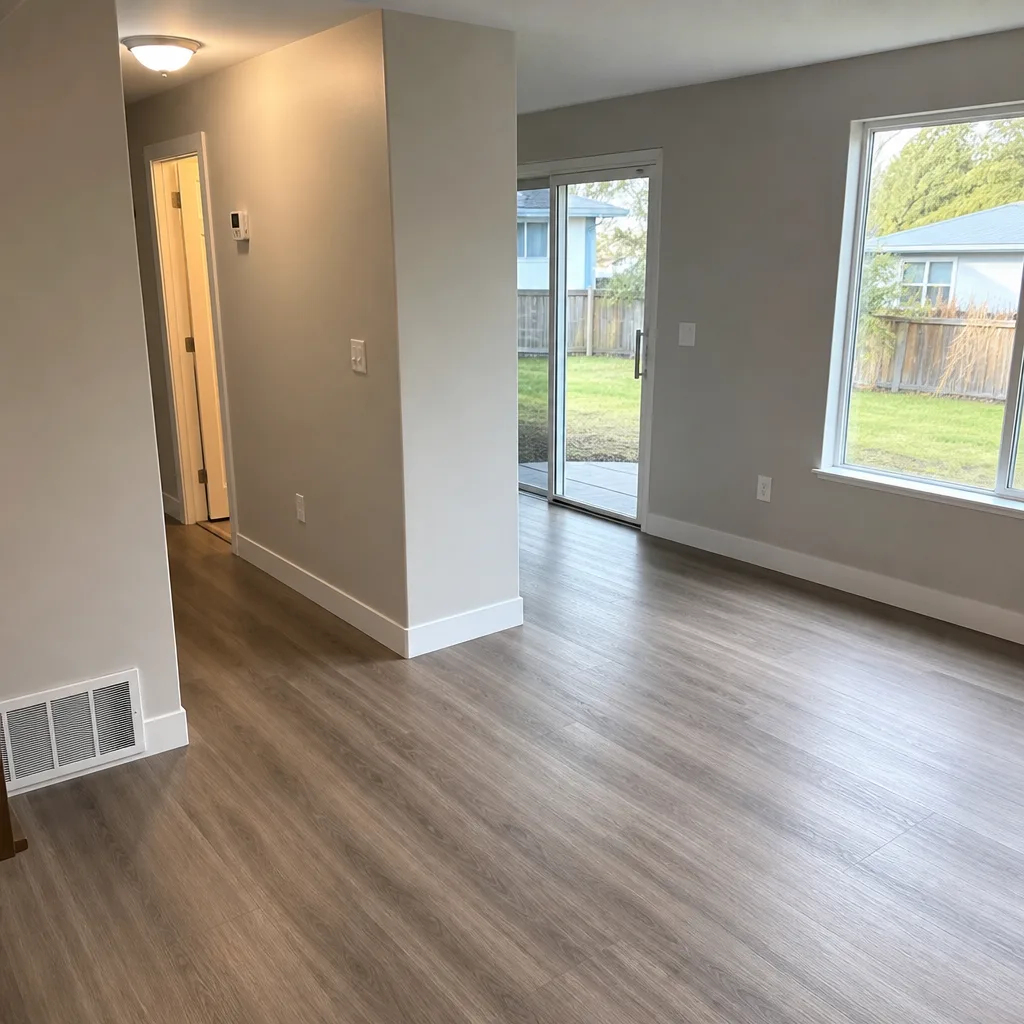 After
After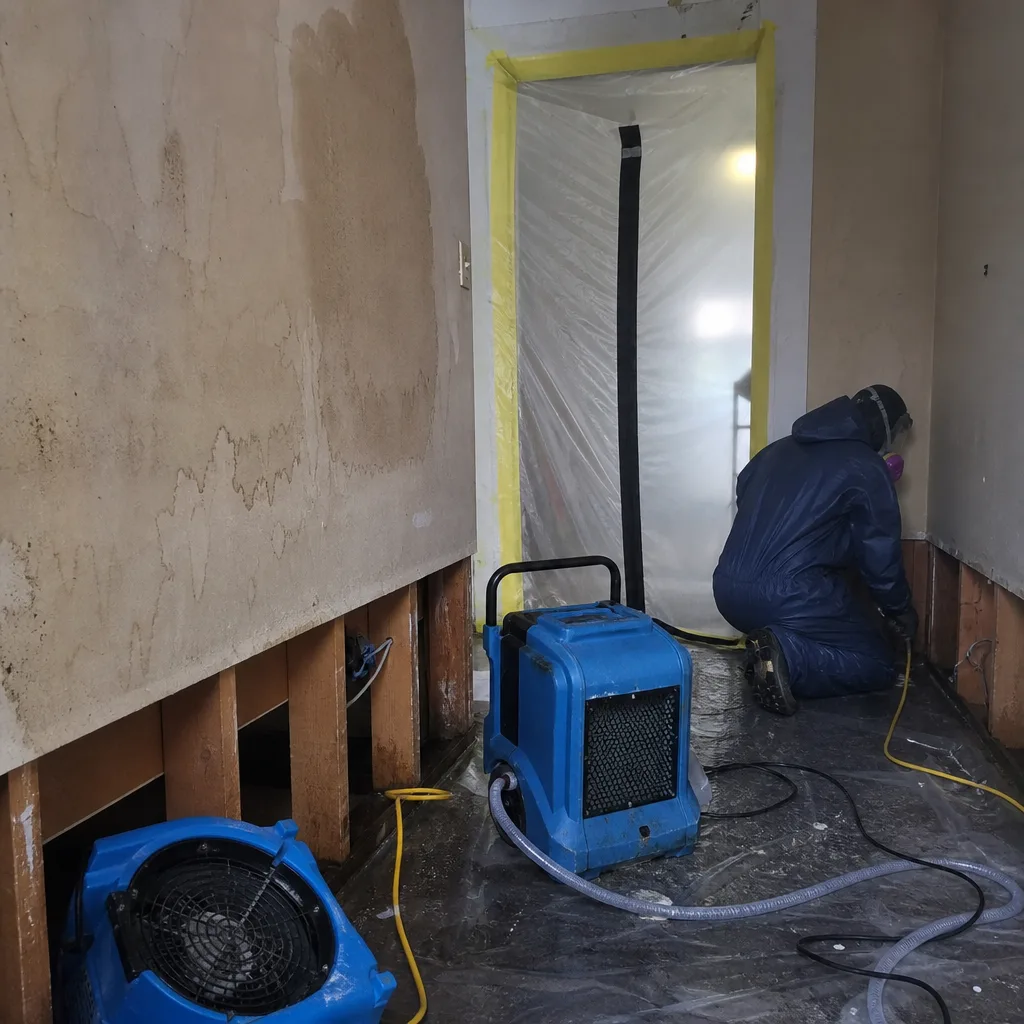 Before
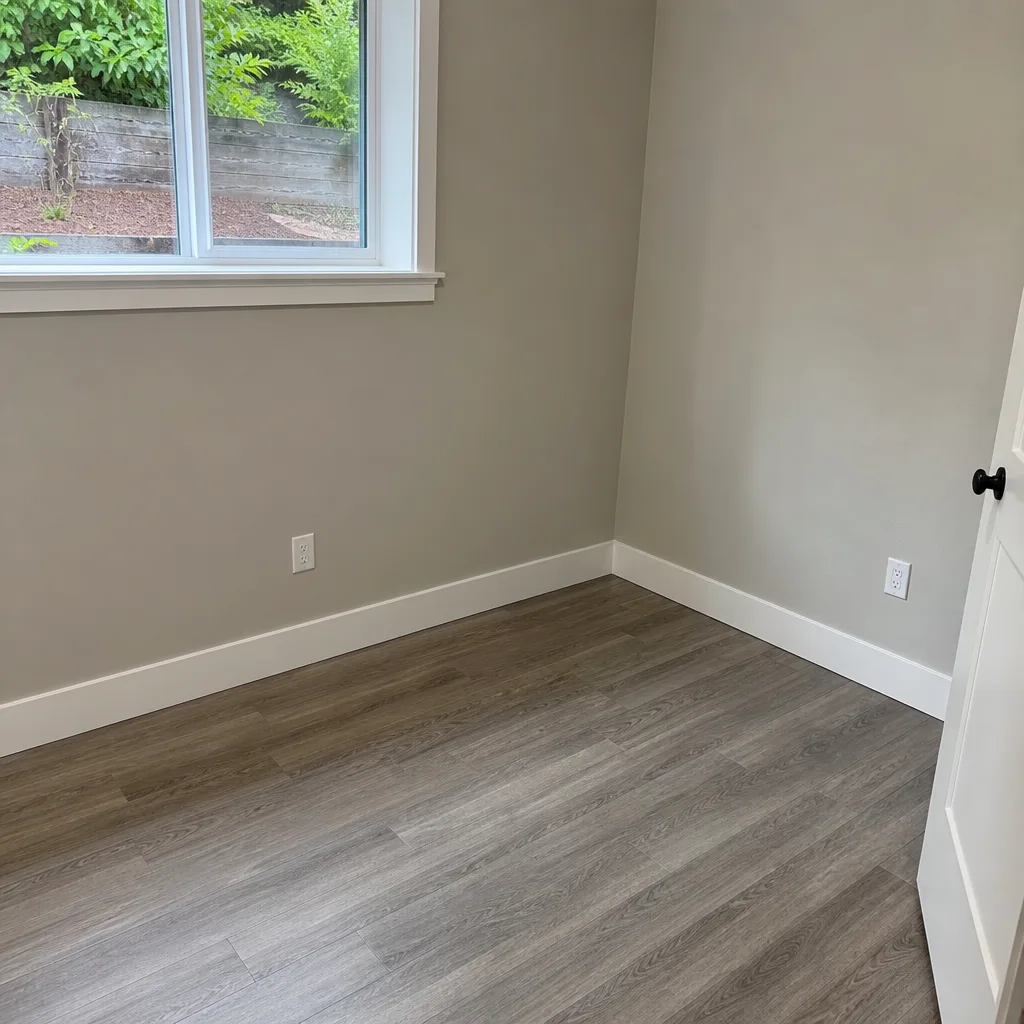 After
AfterFast, Reliable Water Damage Restoration Across Seattle
Water damage restoration in Seattle typically costs $2,800-$7,500 for a standard residential mitigation, with emergency extraction starting at $450-$950 and structural drying running $1,200-$3,200 depending on affected square footage and material class. Most emergency calls in Seattle receive a crew on-site within 60-90 minutes, though response to Magnolia, Queen Anne, and West Seattle bluff properties can extend to two hours during January-February slide-season surges when saturated clay soils shift and basement floods cluster on the same steep addresses.
We dispatch our Water Damage Restoration crews from our Seattle office, with trucks pre-staged with Dri-Eaz and Phoenix drying systems, moisture mapping meters, and containment materials sized for the tight clearances of alley-loaded townhomes and shared-wall condos that define much of the city’s housing stock. Seattle’s persistent marine climate - relative humidity above 70% most of the year, 150+ measurable rainy days - means water intrusion here behaves differently than in drier markets. Cavities stay wet longer. Mold colonizes faster. And the scope we find on arrival is routinely larger than the initial loss report suggests, especially in 1980s-90s EIFS-clad condo buildings with known flashing defects from the region’s well-documented “leaky condo” era.
Call (360) 469-6341. A live person answers, 24 hours a day, 7 days a week. No voicemail trees while water is still moving.
Why DryMark Restoration Renton Is Seattle’s Preferred Water Damage Restoration Company
We’ve restored water-damaged properties in Seattle since 2011 - over 12,000 homes, every one with a written price before work started and a documented photo record when the crew left. Our founder built this company around the documentation gap that costs homeowners their insurance claims: sloppy drying logs, missing moisture readings, scopes that don’t match the invoice. We don’t sell reassurance. We sell evidence.
Our Seattle customers leave reviews that mention the same things: the written scope that arrived before anyone touched a wall, the daily moisture logs they forwarded to their adjuster, the photo record on every visit included as standard deliverable. Haven Standard, Clause 1: written price before work begins. No exceptions. No scope-creep additions once the crew is inside.
Response time to Seattle averages under 90 minutes for emergency extraction calls. During the January-February slide season, when saturated soils on Magnolia and Queen Anne hillsides crack foundations and flood basements in predictable clusters, we pre-stage equipment heading into mid-winter because these geotechnically driven calls hit the same steep-lot addresses year after year. That local pattern recognition matters when you’re standing in two inches of groundwater at 11 p.m.
Every technician is background-checked, uniformed, licensed, and insured - name and license number provided before arrival. We coordinate directly with your adjuster, and our documentation package (daily drying logs, psychrometric data, room-by-room moisture readings, photo record) is formatted for claims review. The 365-Day Done Right Promise, backed by The Haven Standard, is a signed guarantee stamped on every job - not a marketing line.
Our Water Damage Restoration Services in Seattle
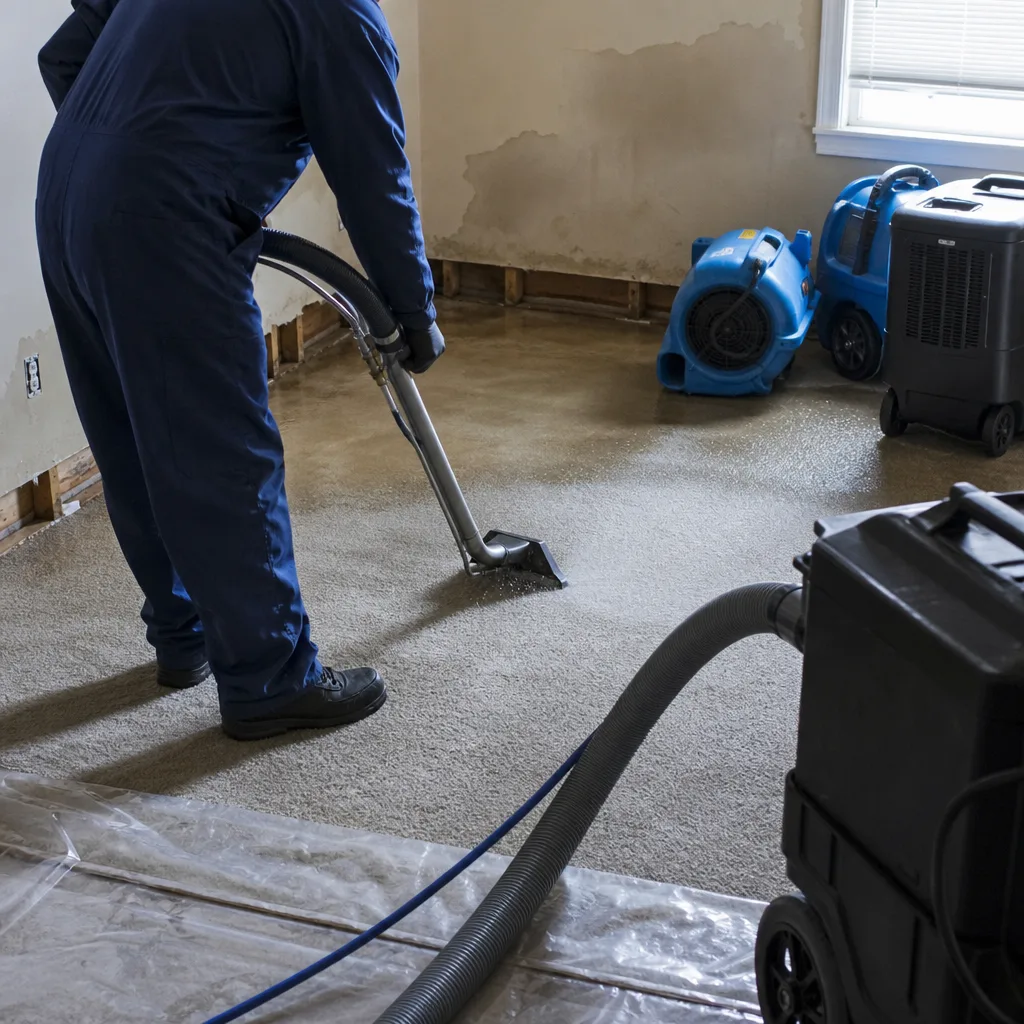
Emergency Water Extraction
Emergency water extraction in Seattle runs $450-$950 for residential properties, with after-hours and holiday rates at the upper end. We extract standing water from Category 1, 2, and 3 losses using truck-mounted and portable extraction systems, then immediately begin moisture mapping to determine the full extent of migration. In Seattle’s dense neighborhoods - Ballard, Capitol Hill, Wallingford - alley-loaded doors and street parking constraints mean our crews stage hose and equipment in tight configurations, sometimes single-file, to access townhome and condo units without blocking traffic or violating parking restrictions. Speed matters on extraction, but so does documentation: we photo-record pre-loss conditions, extraction volumes, and initial moisture readings before any drying equipment is placed.
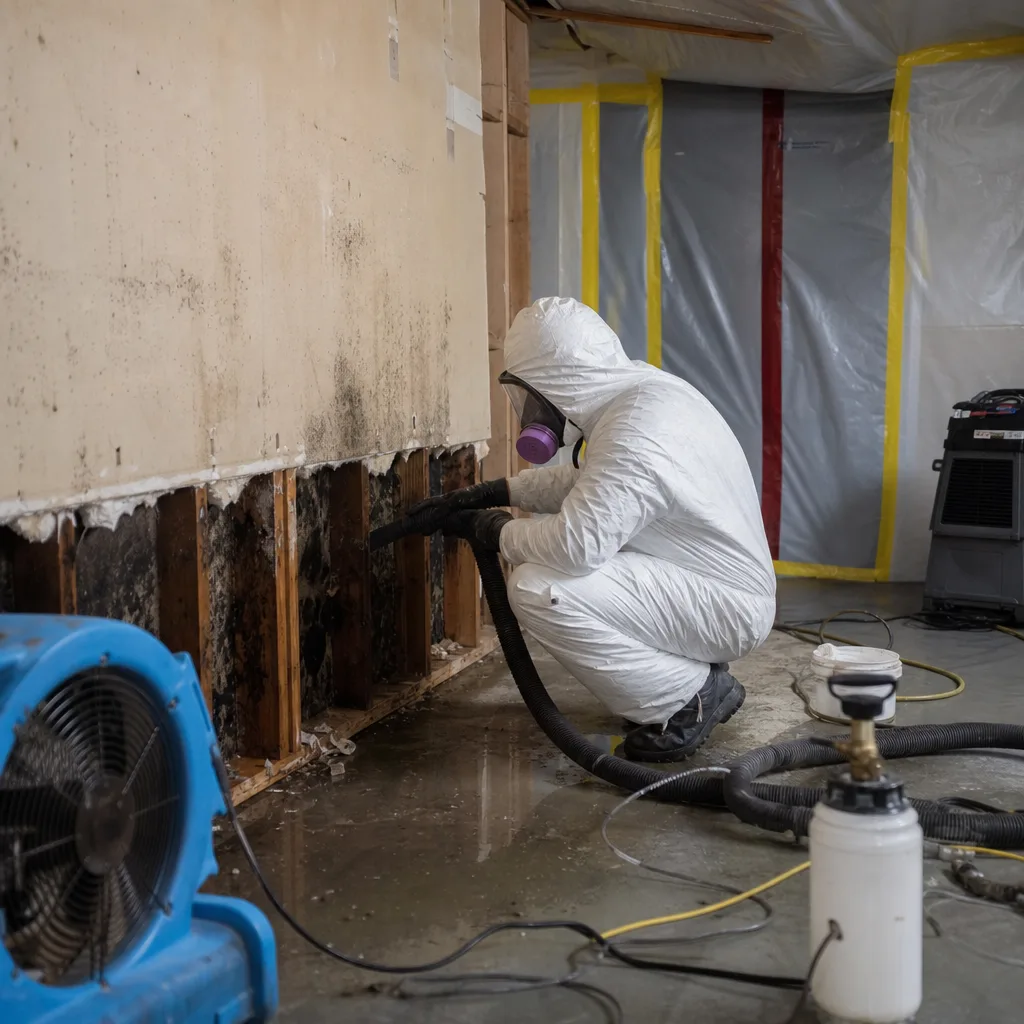
Structural Drying & Dehumidification
Structural drying in Seattle is not optional - it’s the core of every mitigation we perform. With relative humidity above 70% for most of the year, Seattle buildings rarely fully dry between moisture events. Our standard residential drying scope runs $1,200-$3,200 and includes deployment of Dri-Eaz and Phoenix dehumidifiers, XPOWER and B-Air air movers, and Injectidry cavity drying systems for wall and ceiling voids. We calculate equipment placement using psychrometric data - temperature, relative humidity, and vapor pressure differential - to establish the optimal drying environment and document it in daily logs. Tertiary drying, the final phase where hidden moisture in dense materials like Douglas fir framing and lath-and-plaster is removed, often extends scopes by 24-72 hours in Seattle’s damp climate. We don’t pull equipment until moisture readings match the dry standard for each material class.
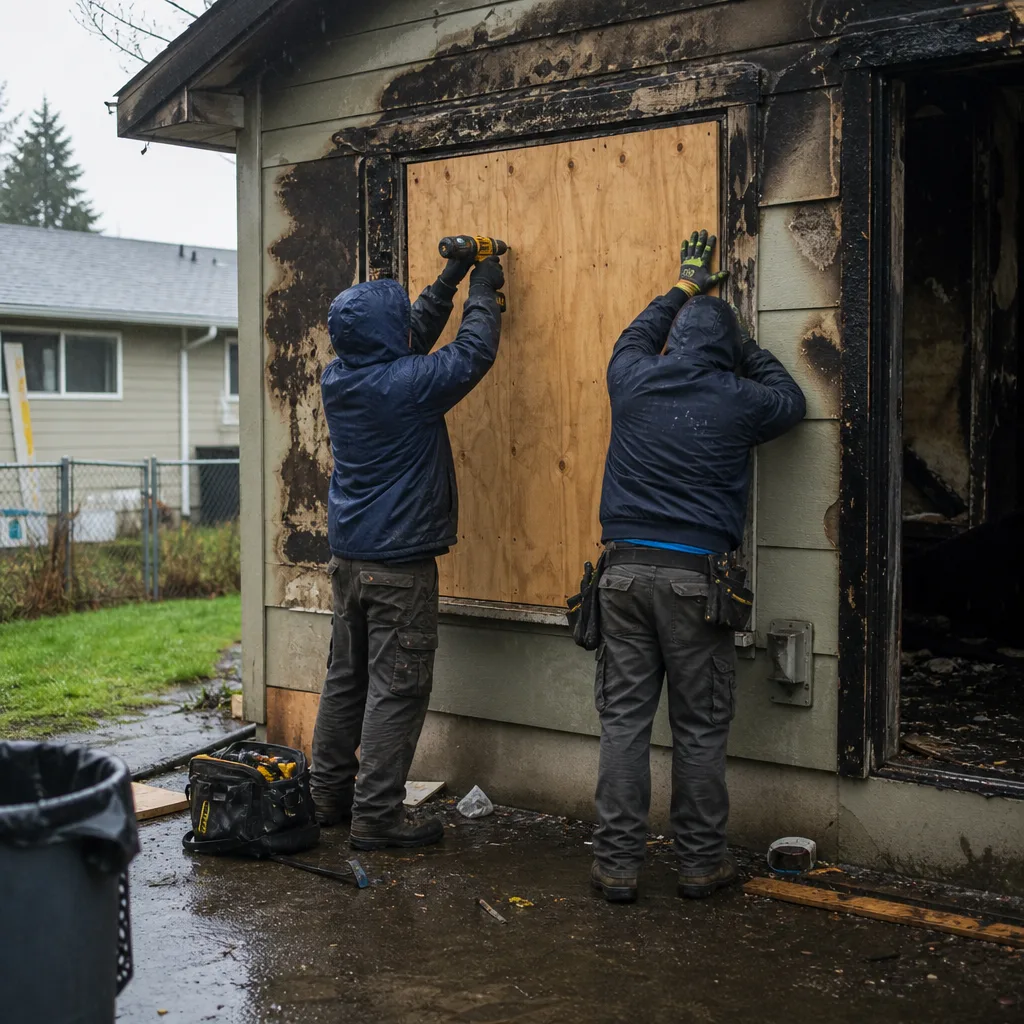
Flood Cleanup
Flood cleanup in Seattle encompasses everything from groundwater intrusion in West Seattle and Magnolia basements during slide season to sewer backup events in older Capitol Hill homes with combined storm-sewer systems. Pricing ranges $3,500-$8,500 for typical residential flood mitigation, with Category 3 (sewage-contaminated) losses at the higher end due to required antimicrobial treatment, PPE protocols, and material removal. Seattle’s clay-heavy soils on hillsides don’t percolate; water sheets toward foundations and enters through the path of least resistance - often the same crack that opened last January. We document the entry point, the migration path, and the full affected area with photos and moisture maps before any demolition begins.
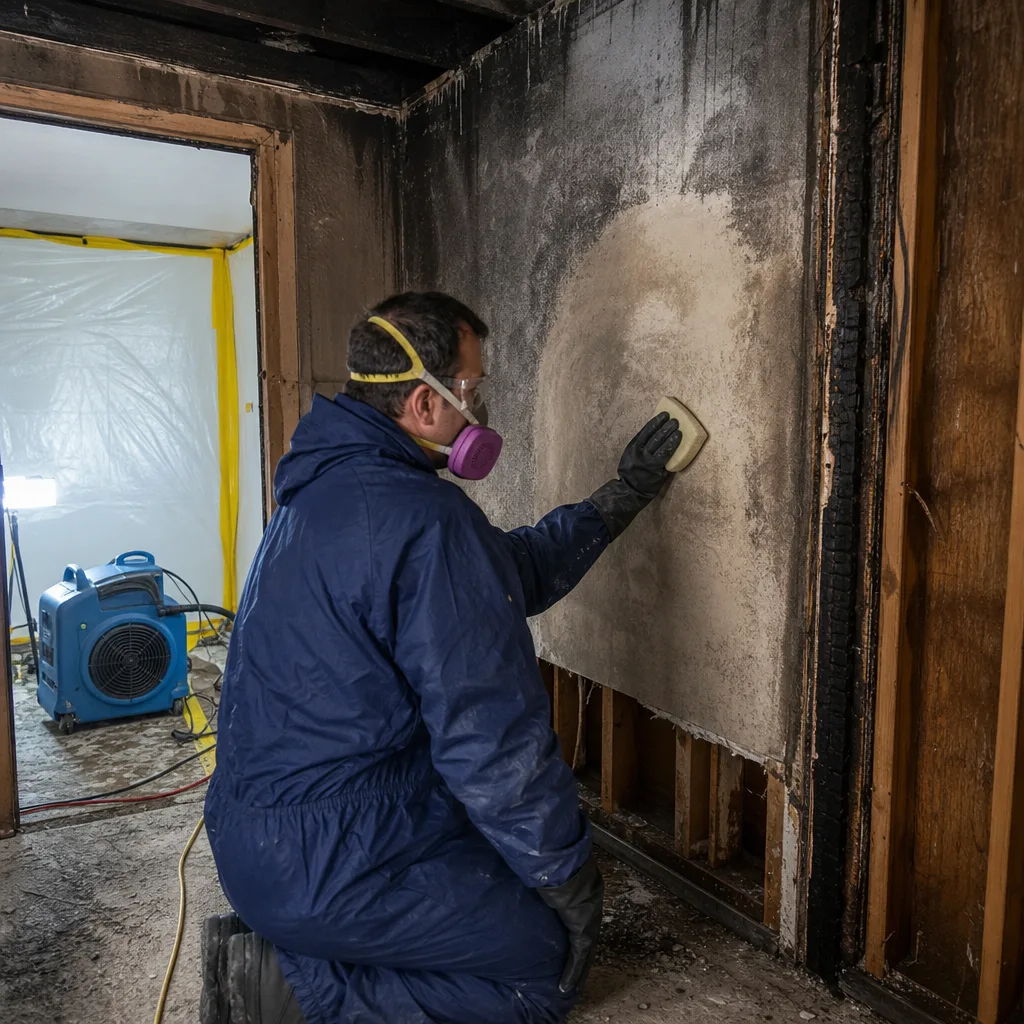
Burst Pipe Restoration
Burst pipe restoration in Seattle starts with extraction and extends through structural drying, with typical scopes running $2,200-$5,800 depending on pipe location, water volume, and affected materials. Supply-line bursts in second-floor bathrooms of Ballard Craftsman homes or Capitol Hill townhomes routinely migrate down wall cavities and into crawl spaces - those uninsulated, vented crawl spaces that already hold standing water and mold from the damp climate. Extraction without crawl-space drying and antimicrobial treatment just resets the clock. We scope the full migration path, including the crawl space, and include it in the written price before work begins.
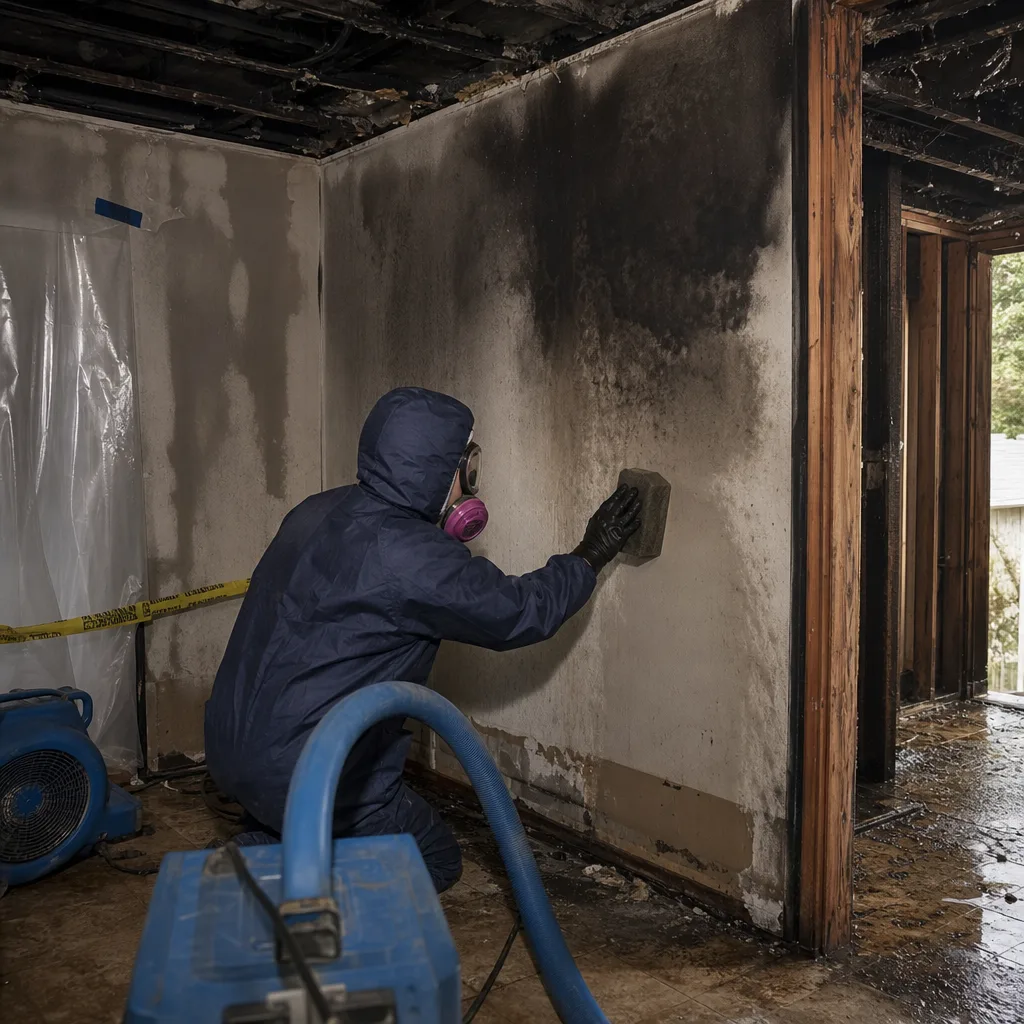
Ceiling & Roof Leak Water Damage
Ceiling and roof leak water damage in Seattle presents a specific diagnostic challenge: with 150+ rainy days and a marine layer that keeps exterior surfaces damp from October through June, leaks often manifest as chronic, low-grade moisture intrusion rather than single catastrophic events. A failed flashing detail on a Queen Anne Victorian or a compromised membrane on a 1990s Capitol Hill condo flat roof can feed hidden rot for months before visible staining appears. Our scopes for ceiling and roof leak damage run $1,800-$4,500 and include moisture mapping of the full affected cavity, not just the visible stain area. In EIFS-clad buildings, we specifically inspect window flanges and flashing details - the known failure points from the leaky condo era - because water entering at a failed seal travels behind synthetic stucco and emerges far from the intrusion point.
What happens when you call
- 1
A real person answersNo phone trees - you reach a local pro.
- 2
You get an upfront price rangeHonest numbers before anyone is dispatched.
- 3
A background-checked tech heads outLicensed & insured, dispatched right away.
- 4
You approve before work beginsNothing starts until you say go.
BeforeAfterTrusted Brands We Service in Seattle
We deploy professional-grade drying systems from Dri-Eaz, Phoenix, and XPOWER on every Seattle job - equipment selected for the specific demands of Pacific Northwest moisture conditions, where standard residential dehumidifiers are overwhelmed by the ambient humidity load. Dri-Eaz refrigerant dehumidifiers and Phoenix LGR (low-grain refrigerant) units pull moisture to low specific humidity levels required for dense wood-frame construction. XPOWER air movers generate the high-velocity airflow needed across wet surfaces in tight Seattle crawl spaces and shared-wall townhome units where clearance is measured in inches, not feet. We stock replacement filters, hoses, and drying mats locally, so equipment stays in service without multi-day shipping delays that could extend drying timelines in an already damp environment.
Common Water Damage Restoration Problems We See in Seattle Homes
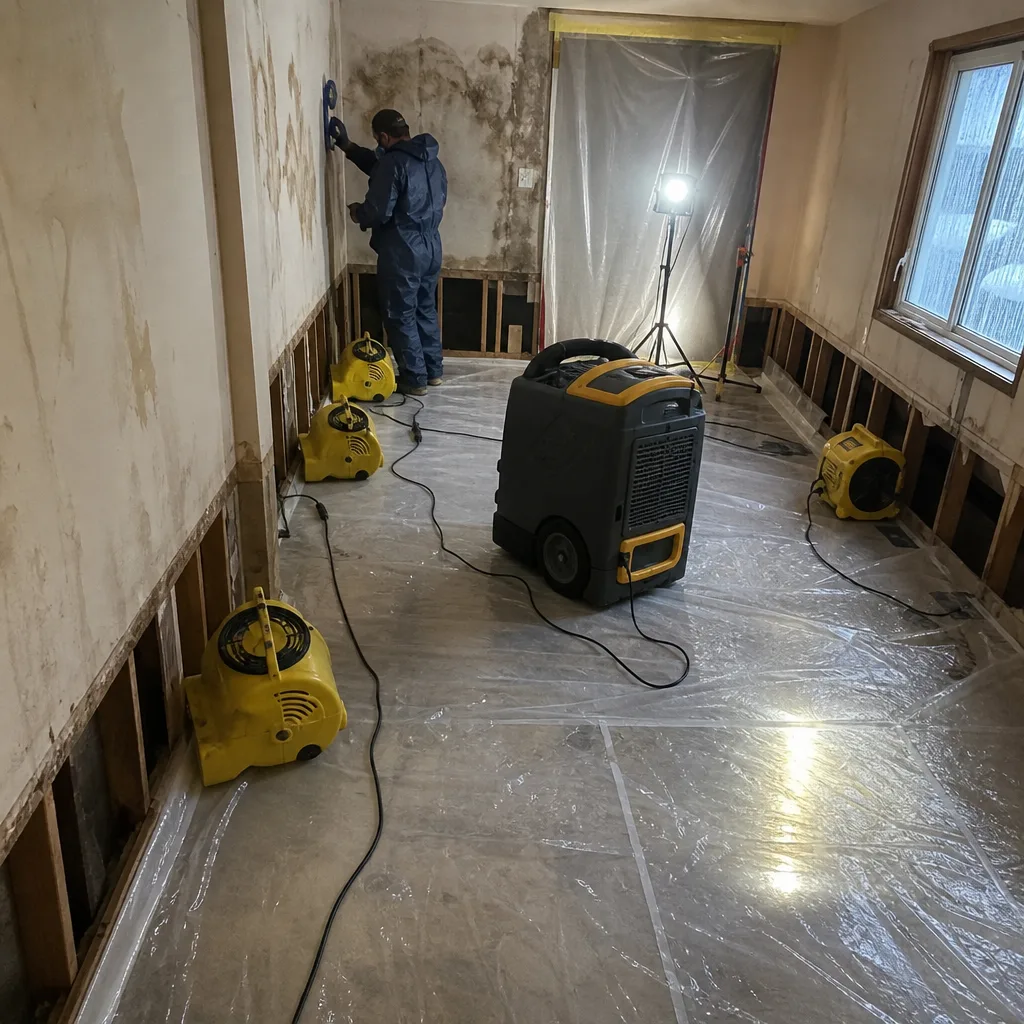
- Category 1 leaks treated as one-visit extract-and-go jobs. With Seattle’s 150+ rainy days and marine layer, cavities stay wet far longer than homeowners expect. Crews that skip moisture mapping and multi-day structural drying come back to mold claims six weeks later. We treat even “small” losses as structural drying projects.
- EIFS and window-flange failures in 1980s-90s condos and townhomes. Water enters at a failed seal and travels behind synthetic stucco. A scope that only addresses the visible interior stain leaves the actual intrusion point - and hidden rot - untouched. We inspect flashing details as standard protocol.
- Under-scoped crawl spaces in Ballard, Wallingford, and Capitol Hill Craftsman homes. Uninsulated vented crawl spaces already hold standing water and mold from Seattle’s damp climate. Extraction without crawl-space drying and antimicrobial treatment just resets the clock. We include the full crawl in our written scope.
- January-February basement flooding on Magnolia, Queen Anne, and West Seattle bluffs. Saturated clay soils shift predictably each winter, cracking foundations and flooding basements on the same steep-lot addresses year after year. Experienced crews pre-stage equipment heading into mid-winter because these calls cluster.
Pricing for Water Damage Restoration in Seattle, WA
Here’s what water damage restoration costs in Seattle’s market, based on 12,000+ jobs completed since 2011:
| Service | Typical Range |
|---|---|
| Emergency Water Extraction | $450 - $950 |
| Structural Drying & Dehumidification | $1,200 - $3,200 |
| Ceiling/Roof Leak Mitigation | $1,800 - $4,500 |
| Burst Pipe Restoration | $2,200 - $5,800 |
| Flood Cleanup (Category 1-2) | $3,500 - $6,500 |
| Flood Cleanup (Category 3 / Sewage) | $5,500 - $8,500 |
| Full Residential Mitigation (typical) | $2,800 - $7,500 |
What moves a job within these ranges: affected square footage, material classification (carpet and pad vs. hardwood vs. lath-and-plaster), Category of water (clean, gray, or black), accessibility constraints (crawl space entry, alley staging, parking restrictions), and whether secondary damage - mold, rot, compromised EIFS - is discovered during moisture mapping. Every job is quoted in writing before work begins, with no scope-creep additions once the crew is inside. Haven Standard, Clause 1. Bring a competitor’s written estimate and we’ll review it at no charge - our Free Second Opinion.
Call (360) 469-6341 for an exact quote. Estimates are free.
We Also Serve Cities Near Seattle
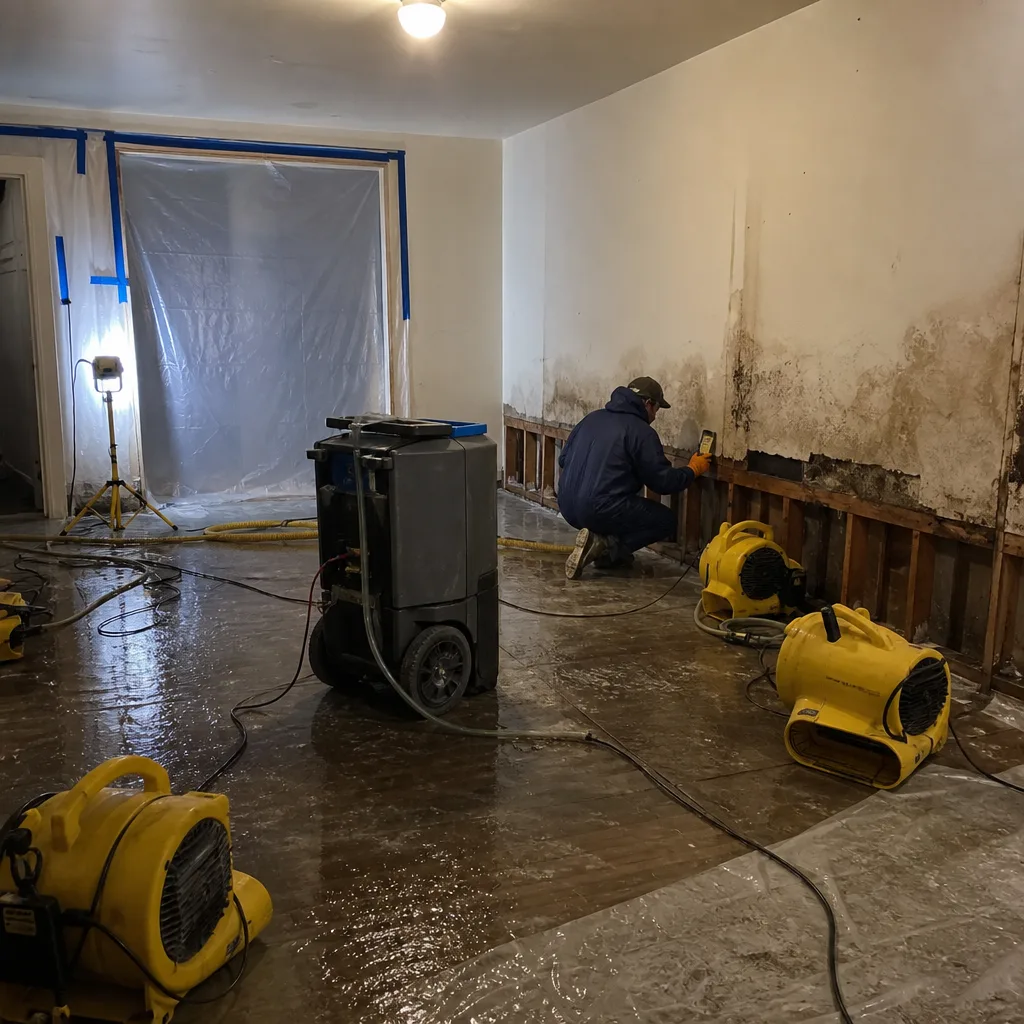
Our Seattle office dispatches crews throughout the metro area, including Bellevue, Mercer Island, Renton, and Sammamish. Response times extend to 90-120 minutes for outlying areas during peak demand. The same documentation standards, written pricing, and 365-Day Done Right Promise apply on every job, regardless of address.
Serving Seattle, WA - Our Local Coverage Area
We’re based in the Seattle area and know this community well. Use the map below to see our service coverage - if you’re nearby, we can almost certainly help.
FAQs - Water Damage Restoration in Seattle
Yes. Seattle’s marine climate holds relative humidity above 70% most of the year, so a Category 1 supply-line leak that would air-dry in days in a drier city can keep feeding mold in wall and floor cavities for weeks. We treat even “small” losses here as structural drying projects, not cleanup jobs. Moisture mapping with Dri-Eaz and Phoenix meters determines the actual migration path; the visible wet area is rarely the full extent. Call (360) 469-6341 for a free assessment and written scope.
Probably. The 1980s-90s EIFS-clad condo stock in Seattle has well-documented flashing and window-flange defects from the “leaky condo” era. Water enters at a failed seal, travels behind synthetic stucco, and emerges far from the intrusion point - so the ceiling stain is a symptom, not the source. Our scope includes inspection of the EIFS termination details and window flanges; the interior mitigation is only half the job if the exterior path isn’t addressed. We document everything for adjuster review. Call (360) 469-6341.
No - not if you want the job done right. Ballard Craftsman homes have uninsulated, vented crawl spaces that already hold standing water and mold from Seattle’s damp climate. Pumping without structural drying and antimicrobial treatment just resets the clock. Our written scope includes full crawl-space drying with dehumidification, moisture mapping to dry standard, and documented photo record. Haven Standard, Clause 1: written price before work begins. Call (360) 469-6341.
It’s common, not normal. On the clay-heavy hillsides of West Seattle, Magnolia, and Queen Anne, saturated soils shift predictably each January-February in what local crews call “slide season.” The soil doesn’t percolate; it shears and cracks foundations, creating the same entry points year after year. We pre-stage drying equipment heading into mid-winter because these calls cluster on the same addresses. The solution isn’t just extraction - it’s identifying and documenting the geotechnical failure pattern for permanent repair. Call (360) 469-6341 for assessment.
Category 3 water - sewage-contaminated groundwater - requires material removal per IICRC standards. Porous materials (carpet, pad, baseboard, drywall below the water line) cannot be restored; they must be removed, with antimicrobial treatment of remaining structural materials before drying begins. Non-porous materials (tile, concrete, sealed vinyl) can often be restored in place. We scope the full Category 3 protocol in writing before any work starts, with photo documentation for adjuster review. Call (360) 469-6341 for exact pricing.
Written by Alicia Brennan, Owner at Back to Dry Restoration, serving Seattle since 2011.