
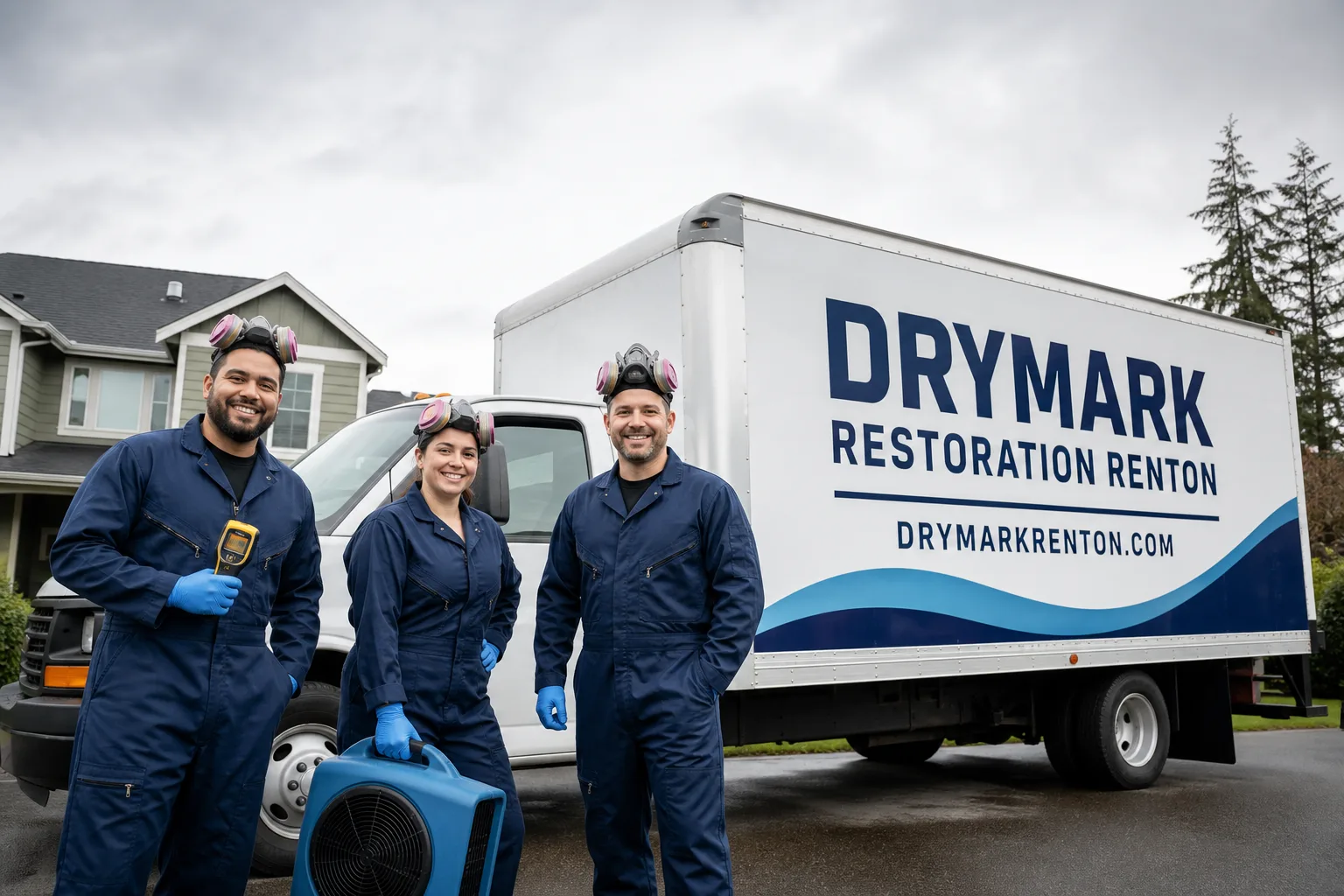
Free visual inspection and a written scope of work before any mitigation begins - photos, moisture readings, and drying logs go in your claim file
The scope we write is the scope we bill. Anything new gets shown to you, in writing, before we touch it.
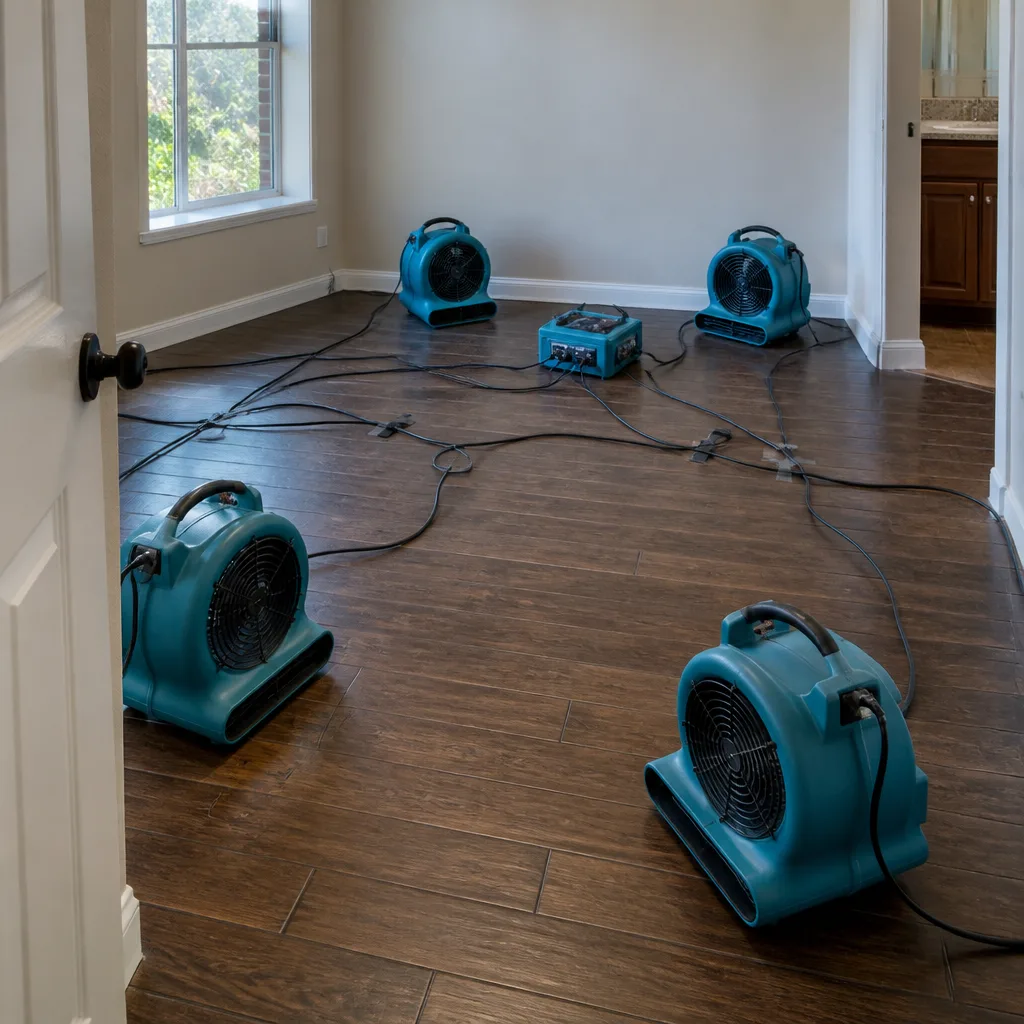
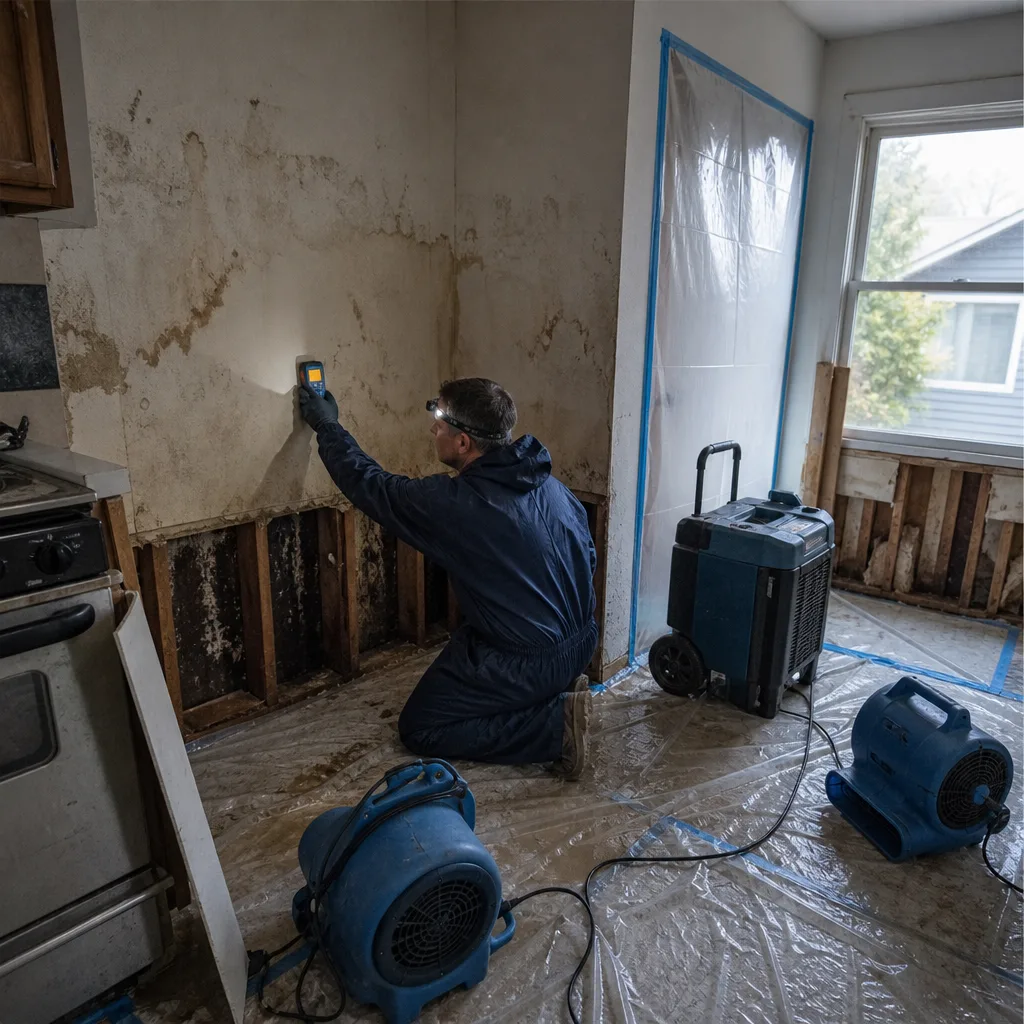 Before
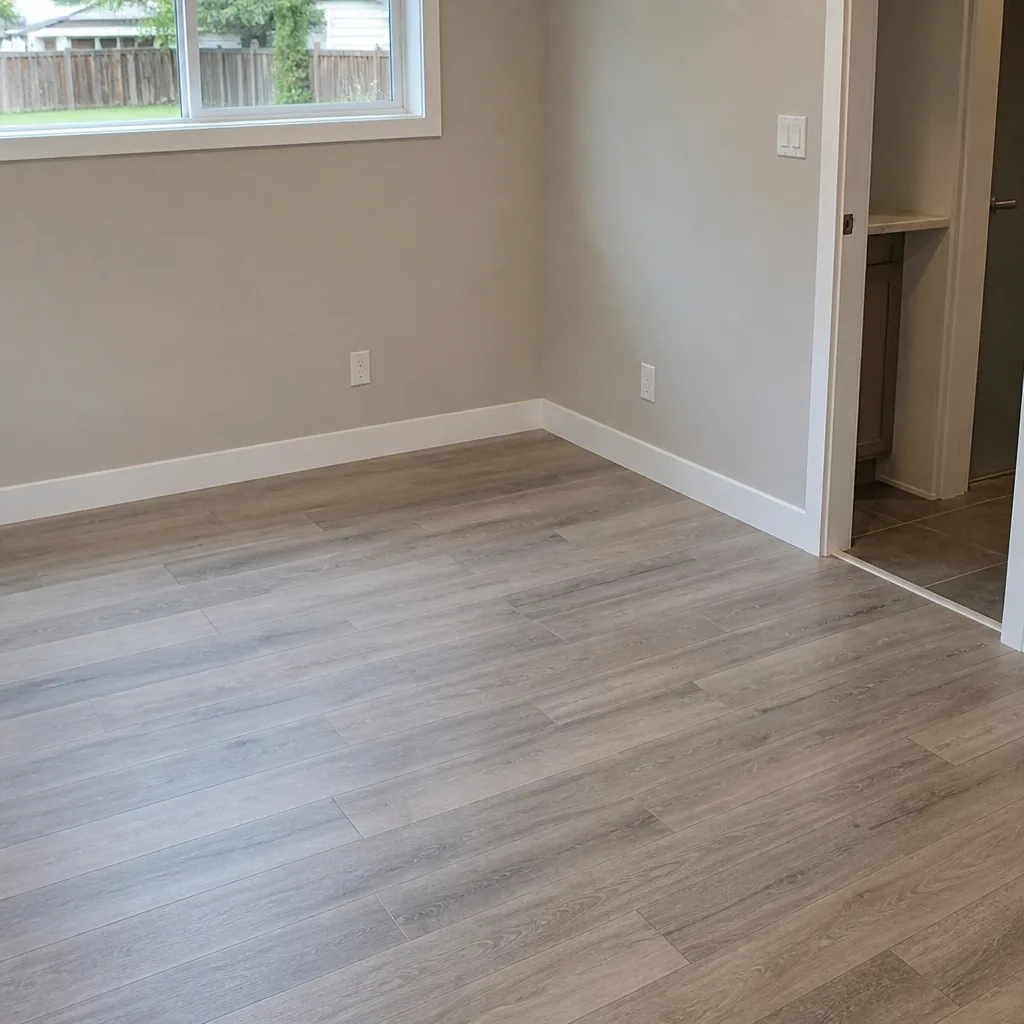 After
After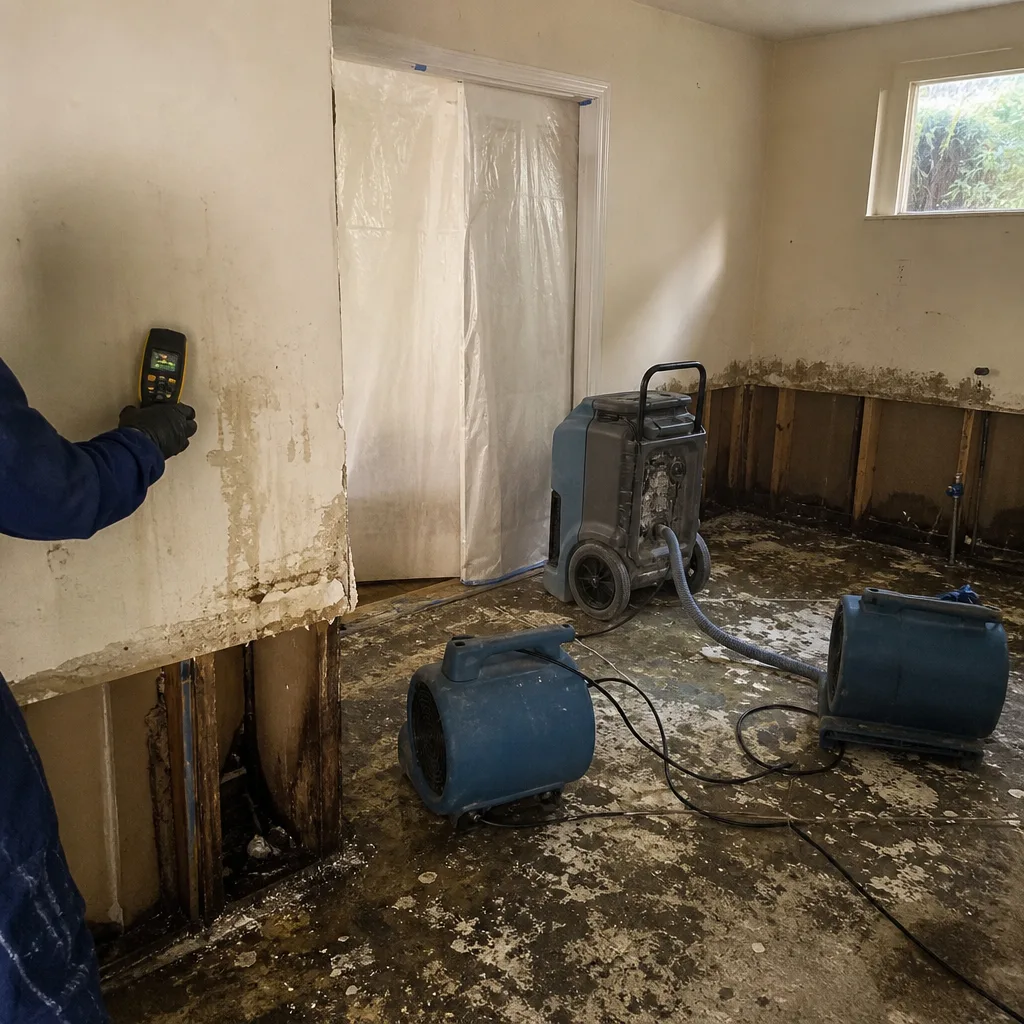 Before
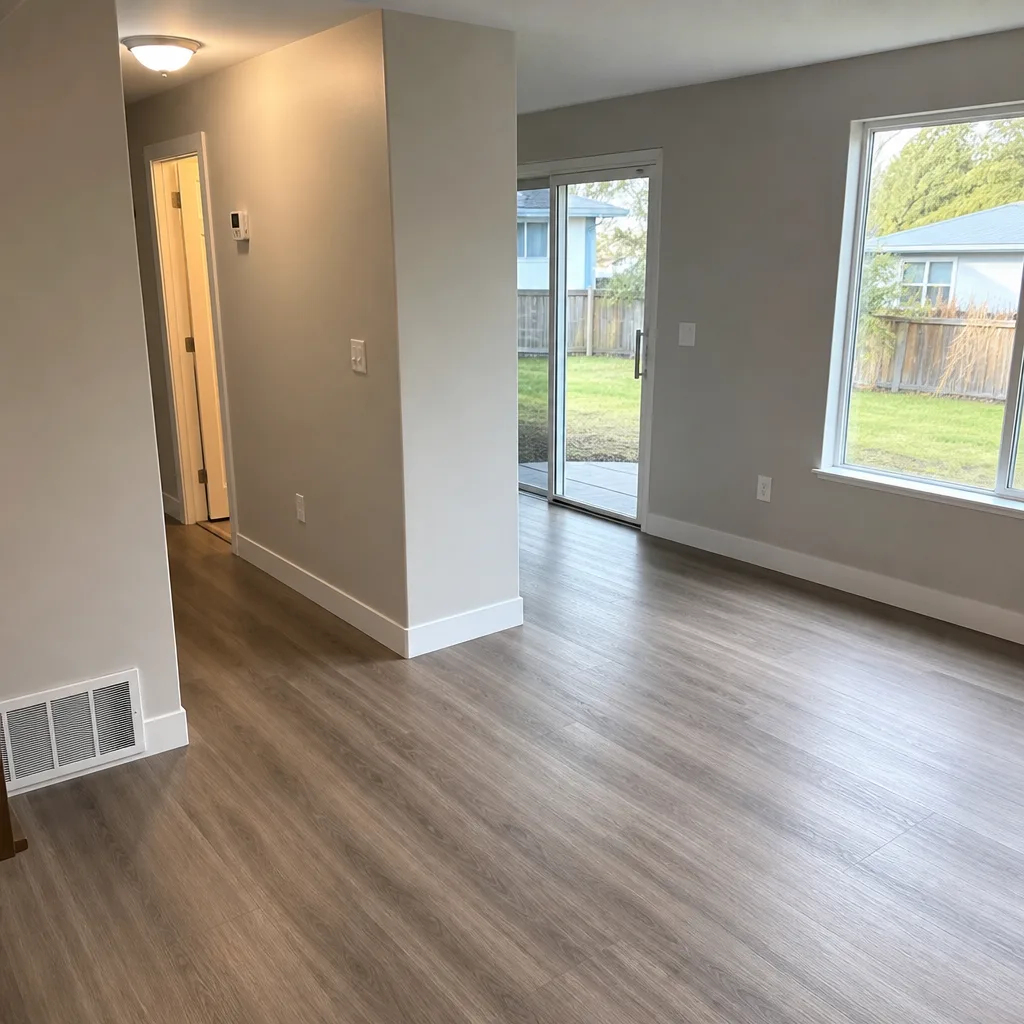 After
After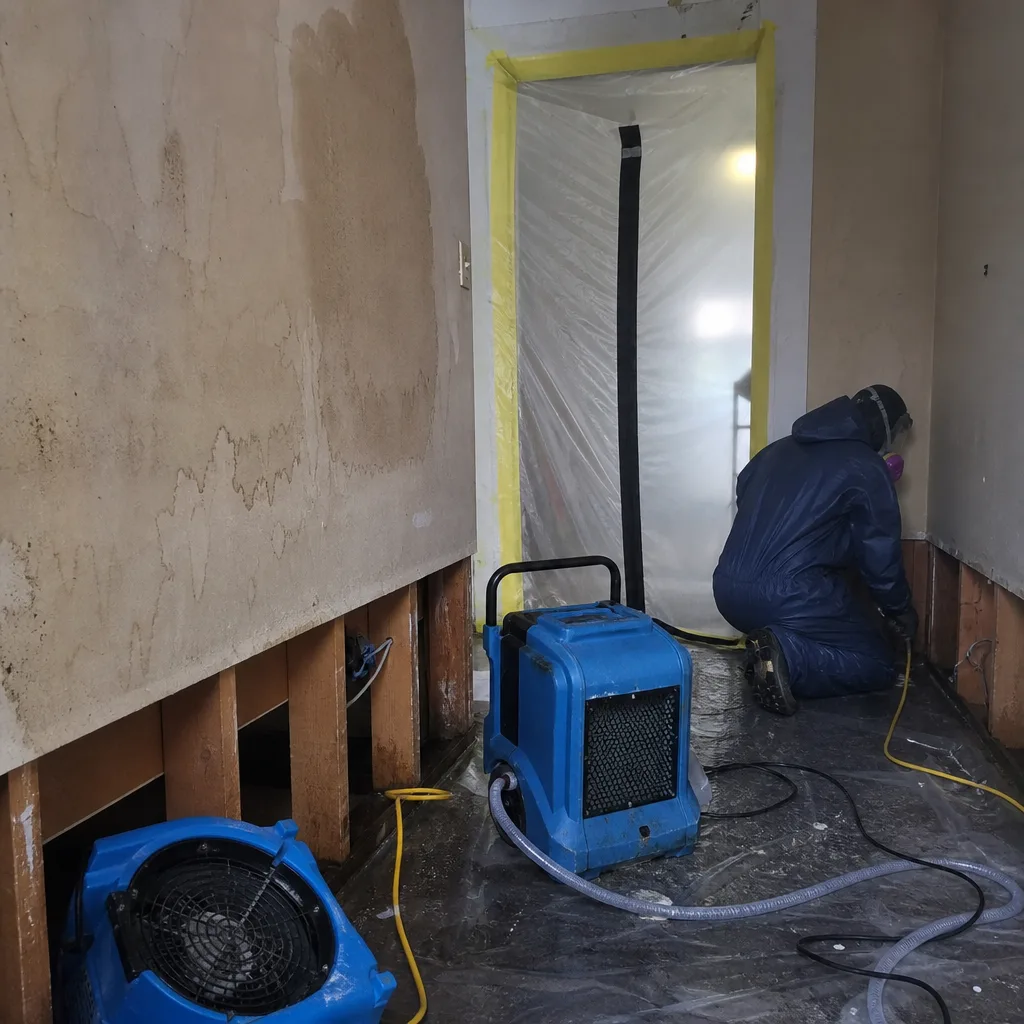 Before
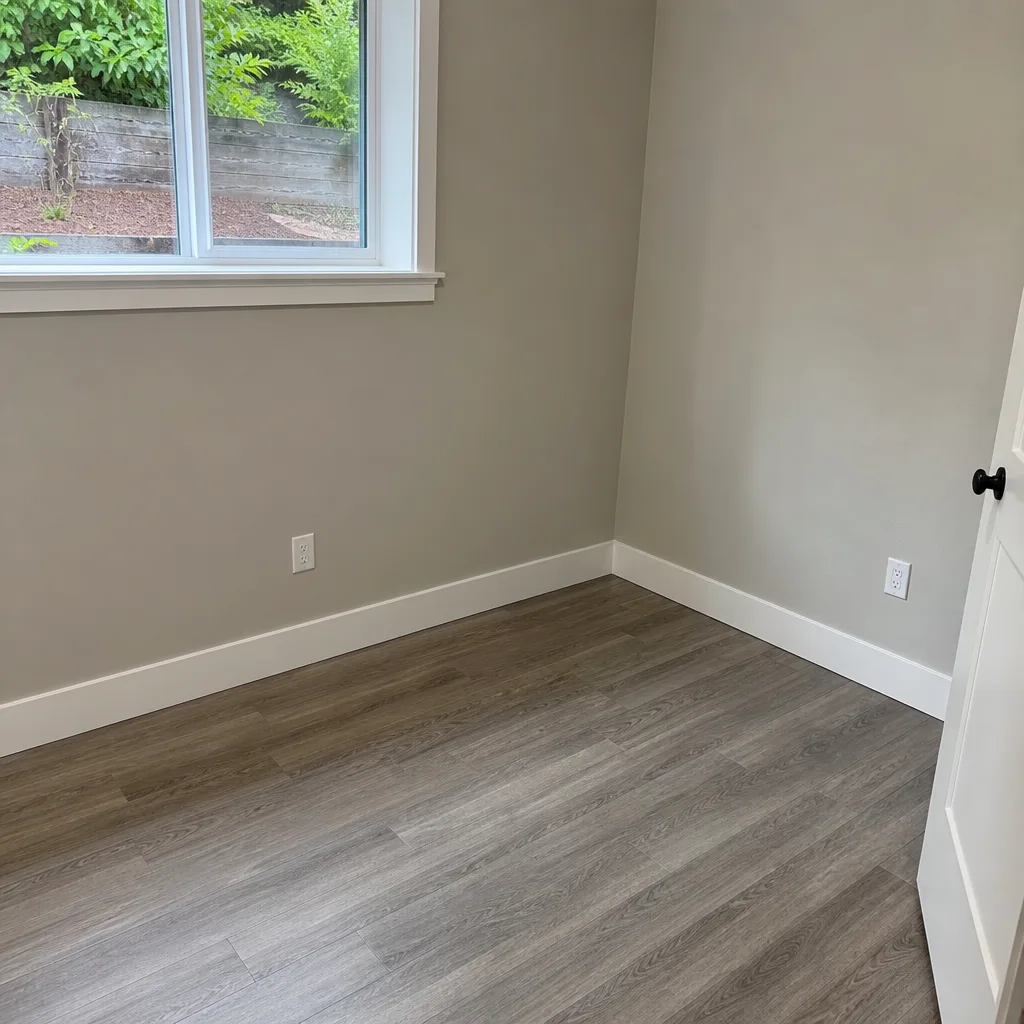 After
AfterFast, Reliable Water Damage Restoration Across Auburn
Water damage restoration in Auburn typically runs $2,800-$6,500 for a standard residential extraction and drying job, with Category 3 flood cleanup from Green River events starting around $4,200 due to hazmat protocols and antimicrobial treatment. Most Auburn homeowners see our crew on-site within 45-60 minutes of calling (360) 469-6341. We dispatch from our Seattle office and coordinate crews who know the valley floor’s floodplain properties, the crawl spaces of 1950s ranches near downtown, and the wood-frame construction on East Hill and Lea Hill where Pacific Northwest moisture finds its way behind OSB sheathing faster than you’d expect.
Auburn’s geography makes water damage a different job here than in neighboring cities. The flat Green River Valley floor, the prolonged winter rain season, and the mixed residential-industrial blocks near A Street and Auburn Way all change what equipment we bring, what safety protocols we follow, and what documentation your adjuster will need to see. We’ve restored over 12,000 homes since 2011, every one with a written price before work started and a photo record on every visit. That documentation-first approach was built by a former claims adjuster who saw too many homeowners lose coverage because the restoration invoice couldn’t prove what was done.
Why DryMark Restoration Renton Is Auburn’s Preferred Water Damage Restoration Company
Our Water Damage Restoration team has built its reputation in Auburn on the same standard we apply everywhere: Haven Standard, Clause 1 - a written price delivered before any work begins, with no scope-creep additions once the crew is inside your home. Homeowners in the valley floor and on Lea Hill know we document every moisture reading, every photo, every drying log. That turns restoration invoices into claims insurers pay without a fight.
We answer calls live, 24 hours a day, 7 days a week. No voicemail trees, no next-business-day callbacks while water is still moving through your subfloor. Our background-checked, uniformed technicians arrive with license numbers visible and equipment from Dri-Eaz, Phoenix, and XPOWER already loaded - because Auburn’s 40-50 inches of concentrated October-March rainfall doesn’t wait for convenient scheduling.
The 365-Day Done Right Promise backs every job. If it’s not done right, we make it right. That’s a signed guarantee under The Haven Standard, not a marketing line. And if you’ve already got a competitor’s written estimate, we’ll review it free under our Free Second Opinion policy - no charge, no obligation.
Our Water Damage Restoration Services in Auburn
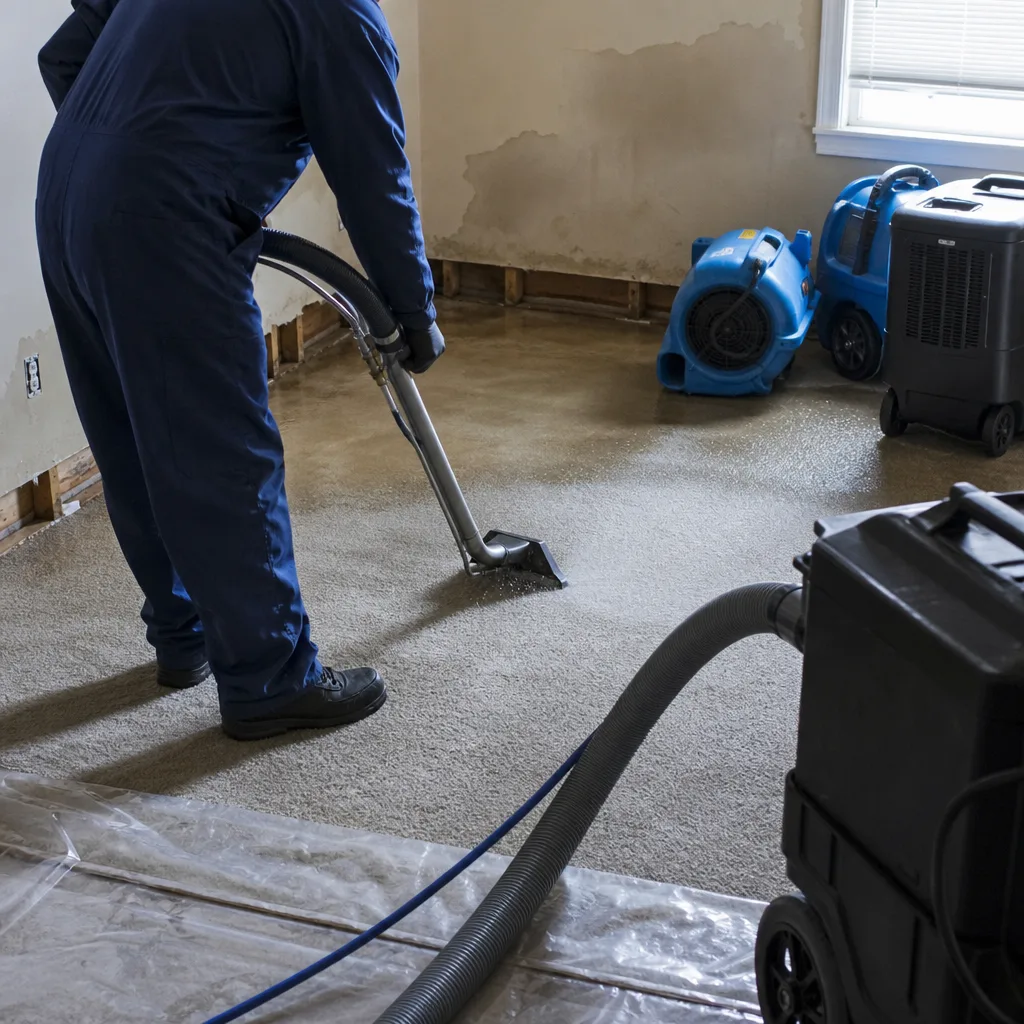
Emergency Water Extraction
When a burst pipe or appliance failure floods your Auburn home, standing water doesn’t sit still. It wicks into drywall, saturates insulation, and finds the path of least resistance into slab joints or crawl spaces. Our emergency water extraction crews deploy truck-mounted and portable extraction units to remove visible water within hours, then moisture-map the full affected area to find what you can’t see. On Auburn’s valley-floor ranches, we often find water has traveled under slab edges to adjacent rooms because 1950s construction lacked modern vapor barriers.
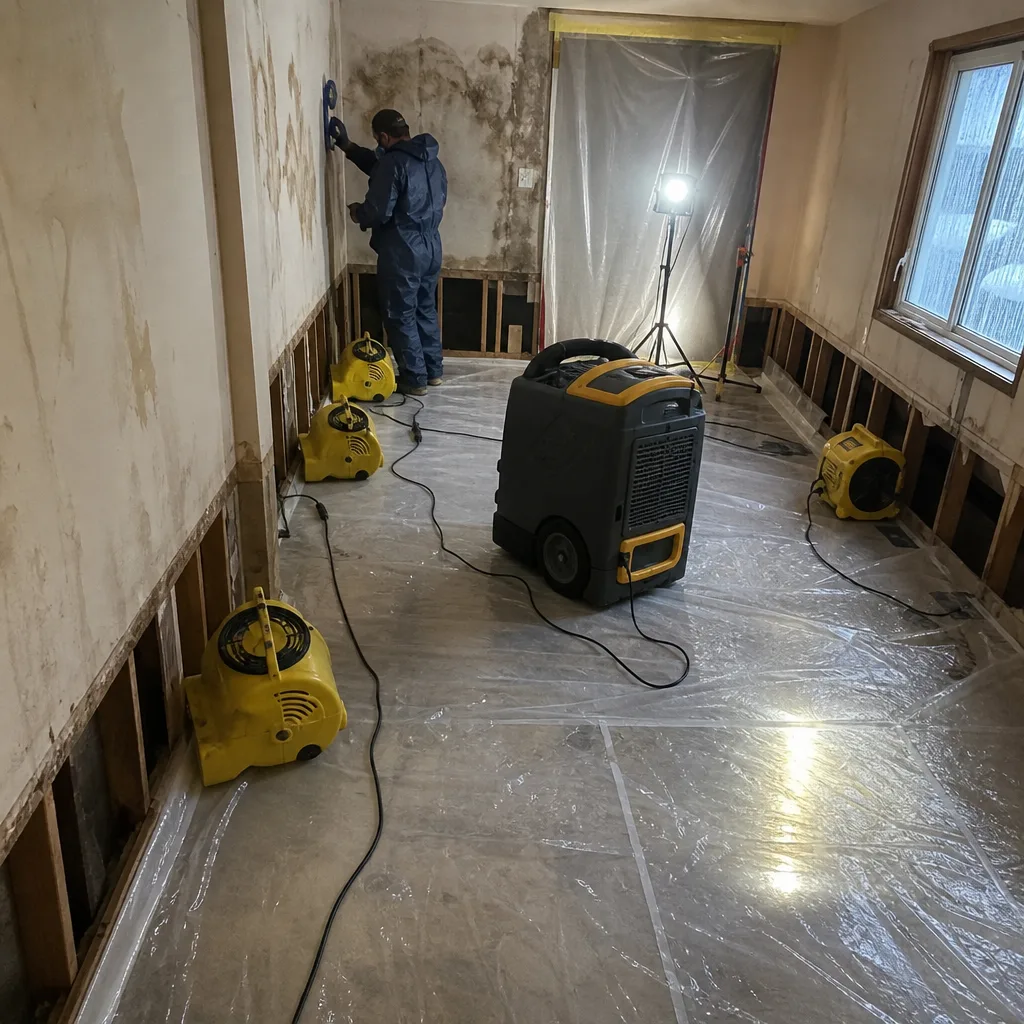
Structural Drying & Dehumidification
Structural drying in Auburn requires equipment matched to the job’s psychrometric profile - that’s the measurable relationship between air temperature, humidity, and vapor pressure that determines how fast materials actually release moisture. We deploy Dri-Eaz and Phoenix dehumidification systems, B-Air air movers, and Injectidry cavity-drying systems when wall assemblies need targeted drying. For East Hill and Lea Hill homes with OSB sheathing, we pay particular attention to tertiary drying phases: the final push to reach equilibrium moisture content, documented daily in drying logs your adjuster can follow. Those logs are standard deliverables, never upsells.
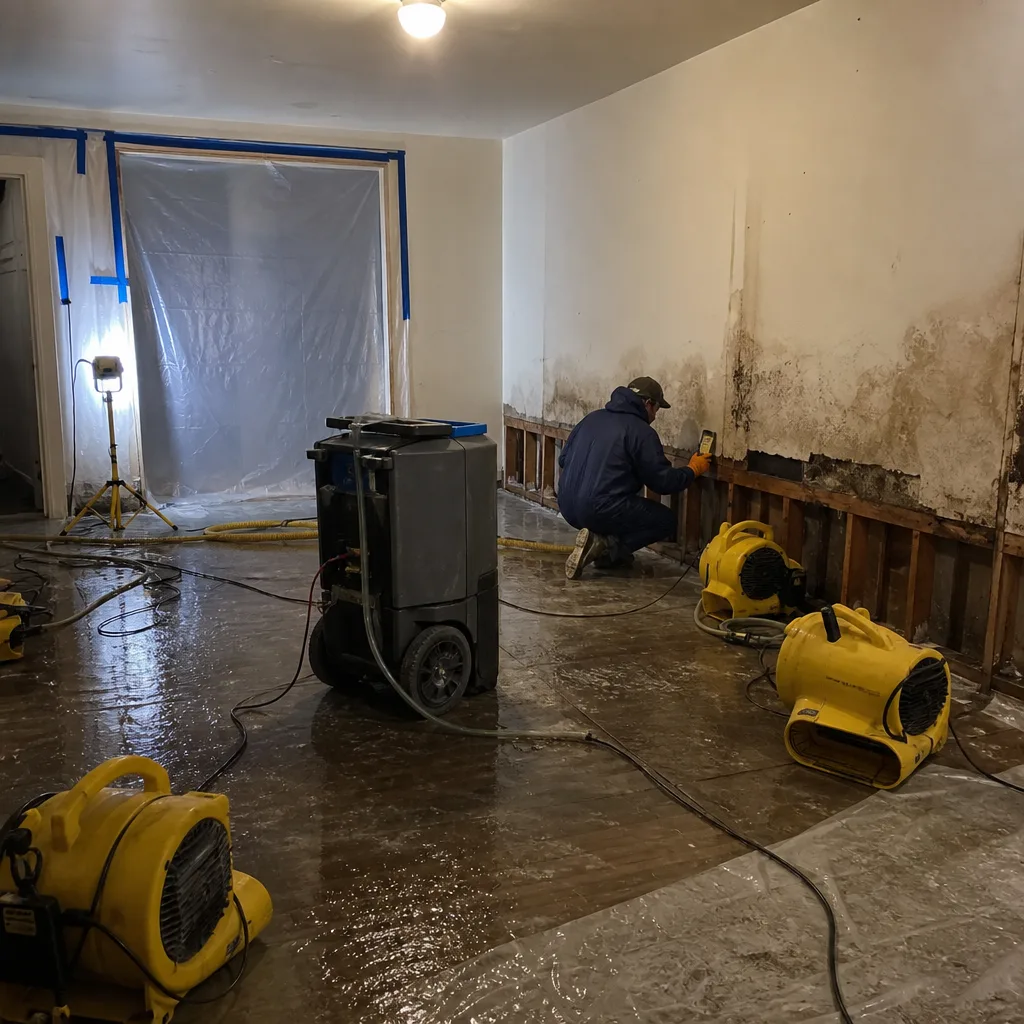
Flood Cleanup
Auburn flood cleanup is where our local expertise matters most. The Green River Valley floor is FEMA-mapped floodplain, and when the river rises - or when the water table climbs during extended Cascade runoff - valley-floor properties take on water that’s Category 3 black water by classification. That means sediment, agricultural runoff, and on mixed-use blocks near Auburn Way, potential light-industrial contamination commingled with residential floodwater. We run full hazmat protocols: containment barriers, antimicrobial treatment of all affected surfaces, and documented clearance testing before rebuild. Treating this as clean Category 1/2 water is a failure mode we’ve seen from out-of-area crews who don’t know Auburn’s floodplain reality.
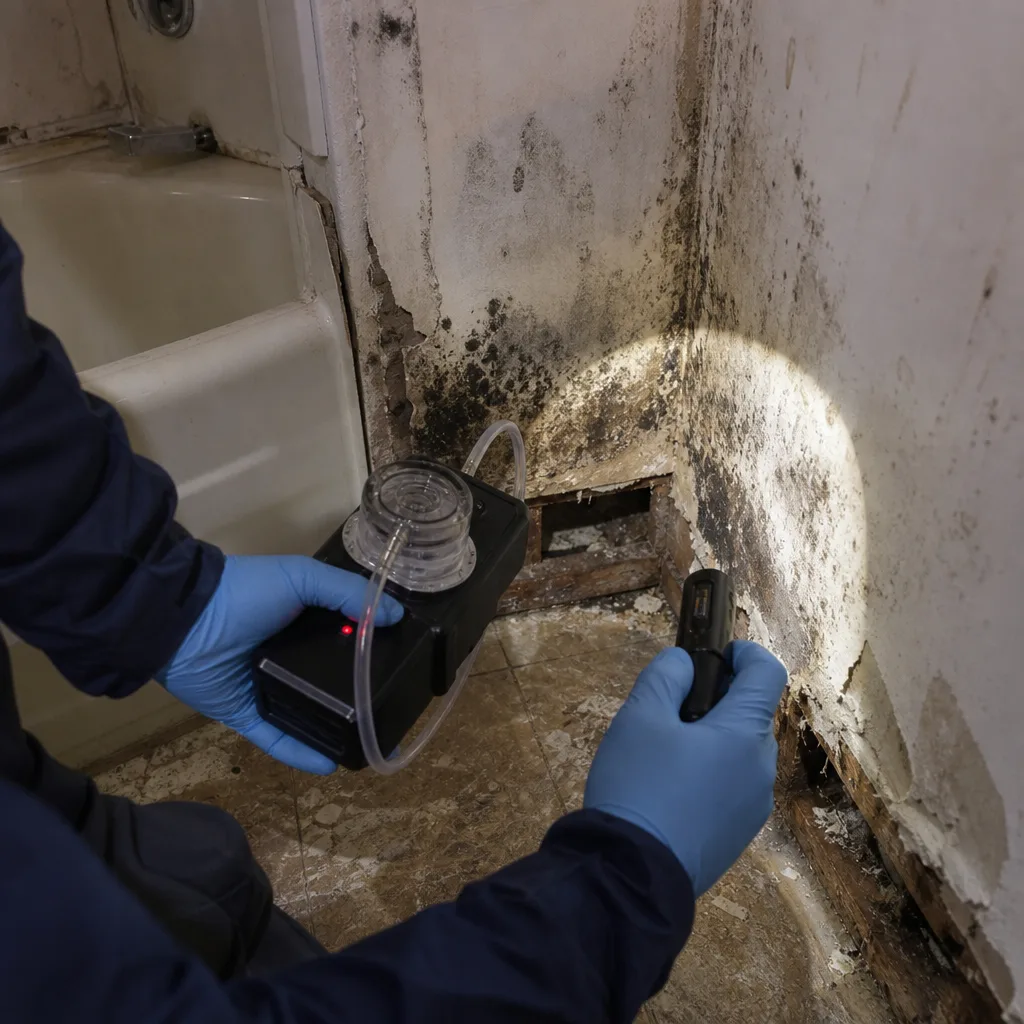
Burst Pipe Restoration
Burst pipes in Auburn follow a seasonal pattern: freeze events on exposed lines in older valley-floor ranches, and pressure failures in East Hill homes where original copper meets newer PEX at irregular junctions. We extract, dry, and document the full damage path - including moisture trapped in wall cavities where the break occurred - then deliver a written scope for any necessary reconstruction. Every photo, every reading, every drying day is logged.
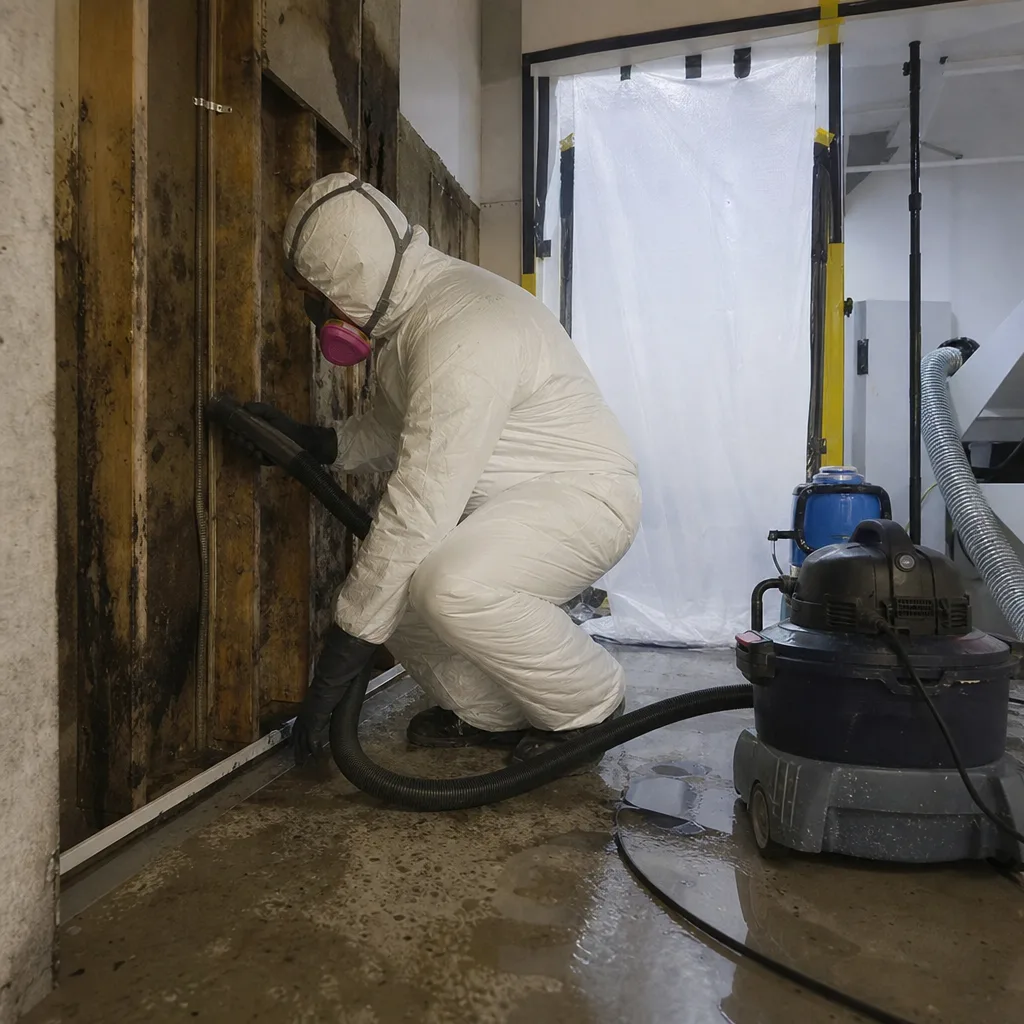
Basement Water Removal
Basement water removal in Auburn often means slab-on-grade water intrusion, not true basement construction. The valley floor’s shallow foundations and minimal flood-proofing make these properties acutely vulnerable to groundwater rise. We pump, extract, and dry - but we also map the water’s entry path, because chronic crawl-space or slab-edge intrusion needs a different long-term solution than a one-time flood event.
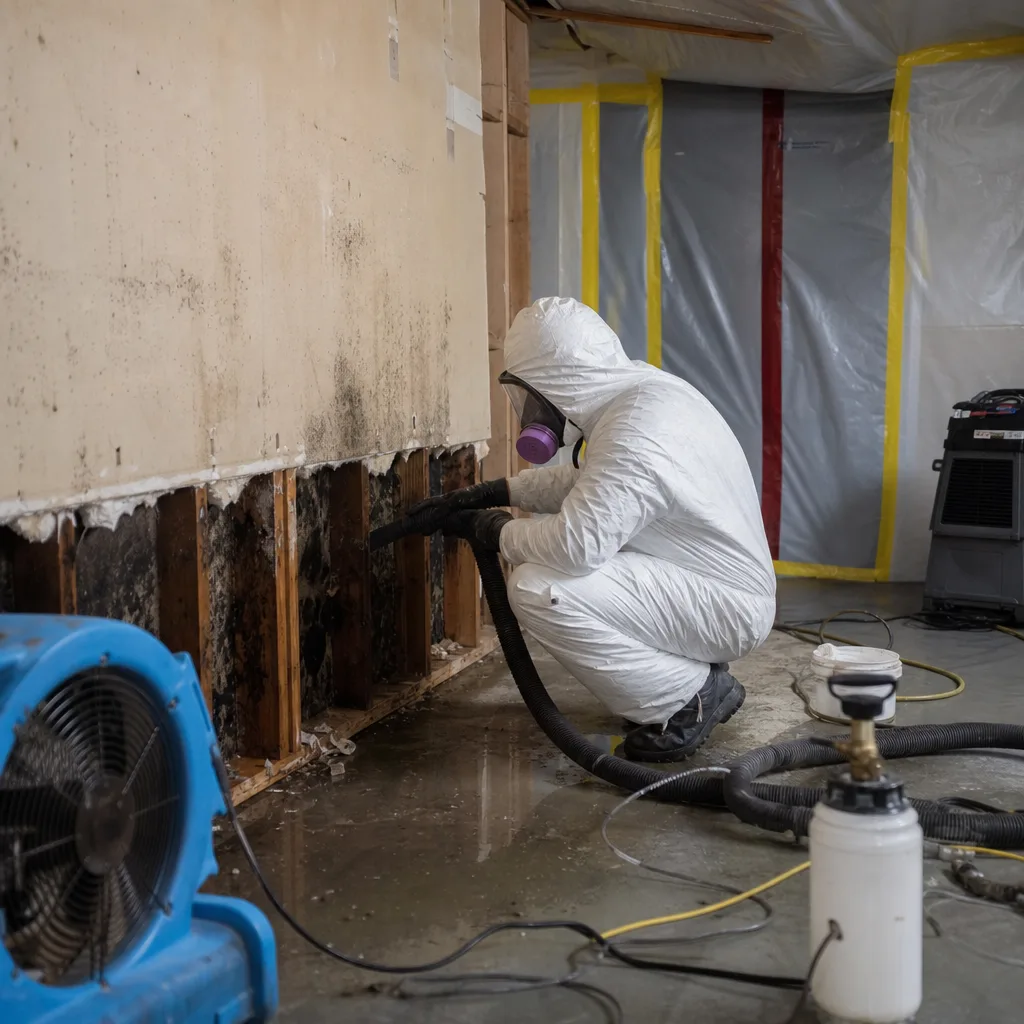
Ceiling & Roof Leak Water Damage
Ceiling and roof leak damage in Auburn’s prolonged damp season can hide for weeks before visible staining appears. By then, insulation is compromised and mold colonization may have started. We open affected ceiling assemblies, document the full spread with photos, and run targeted drying before any rebuild - with moisture readings proving the assembly is dry, not just surface-dry.
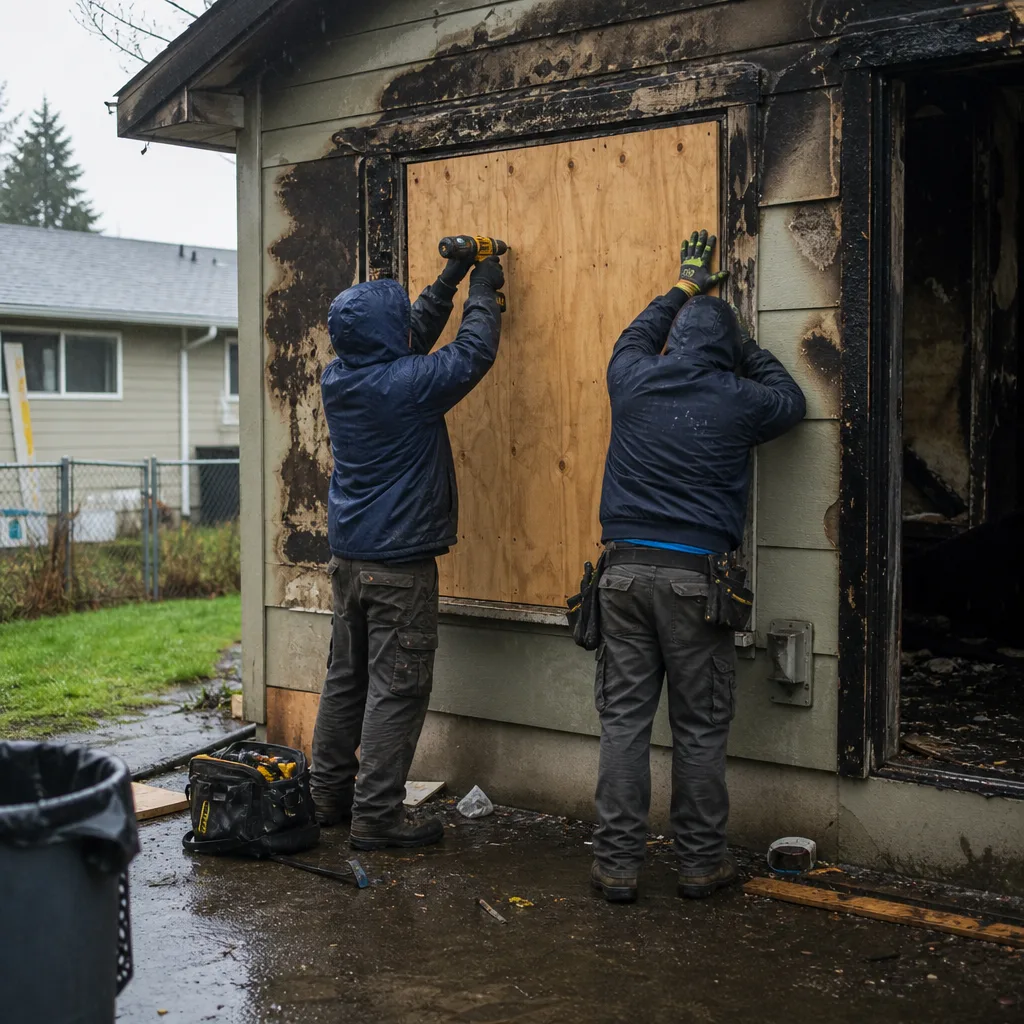
What happens when you call
- 1
A real person answersNo phone trees - you reach a local pro.
- 2
You get an upfront price rangeHonest numbers before anyone is dispatched.
- 3
A background-checked tech heads outLicensed & insured, dispatched right away.
- 4
You approve before work beginsNothing starts until you say go.
BeforeAfterTrusted Brands We Service in Auburn
Our equipment fleet runs on Dri-Eaz, Phoenix, and XPOWER systems - professional-grade drying technology documented to IICRC, RIA, and IFA standards. We don’t rent equipment by the job; we own it, maintain it, and stage it for Auburn’s specific challenges. That matters when a Green River event hits multiple valley-floor properties simultaneously and rental fleets dry up. Our crews carry the right dehumidification capacity, the right air mover count, and the right cavity-drying attachments to complete structural drying in one trip - even on properties with long access drives where restaging costs hours.
Common Water Damage Restoration Problems We See in Auburn Homes
- Category 3 misclassification on valley-floor floods. Green River floodwater carries sediment and mixed contamination that makes it black water under IICRC standards. Crews who treat it as clean water skip antimicrobial treatment and leave homeowners with failed rebuilds and denied secondary-damage claims.
- Hidden crawl-space saturation behind dry-looking slabs. Auburn’s rising water table during extended rain seasons fills crawl spaces even without river overtopping. Moisture wicks into subflooring and wall plates while the visible slab appears unaffected. Within 48-72 hours, mold colonizes behind OSB sheathing in unventilated spaces.
- Mixed-use block contamination near Auburn Way and A Street. Residential structures on blocks with light-industrial occupancies can take on floodwater commingled with hydraulic fluids or chemical storage residue. Standard residential scopes skip the containment and hazmat protocols this contamination requires.
- OSB sheathing failure on East Hill and Lea Hill. 1980s-2000s wood-frame construction uses OSB that fails faster than older plywood when moisture penetrates exterior walls. Sustained Pacific Northwest humidity drives mold growth behind sheathing before visible interior damage appears.
Pricing for Water Damage Restoration in Auburn, WA
Here’s what water damage restoration costs in Auburn’s market, based on jobs we’ve scoped and documented since 2011:
| Service | Typical Range in Auburn |
|---|---|
| Emergency water extraction (standard residential) | $1,200 - $2,800 |
| Structural drying & dehumidification (3-5 day cycle) | $1,600 - $3,400 |
| Category 3 flood cleanup with antimicrobial treatment | $4,200 - $8,500 |
| Burst pipe restoration (extraction, drying, minor repair) | $2,800 - $5,200 |
| Crawl-space water removal and drying | $2,400 - $4,800 |
| Contents pack-out and inventory (per job) | $800 - $2,200 |
These ranges reflect Auburn’s specific conditions: valley-floor floodplain properties need more extensive antimicrobial treatment, East Hill and Lea Hill homes often require cavity drying behind sheathing, and mixed-use blocks near the industrial corridor trigger hazmat protocols that straightforward residential jobs don’t. Every job gets a written price before work begins - Haven Standard, Clause 1 - with no additions once the crew is inside. Call (360) 469-6341 for your exact quote; estimates are free.
We Also Serve Cities Near Auburn
Our crews respond throughout the south King County corridor. We provide Water Damage Restoration in Auburn and also serve Federal Way, Kent, Maple Valley, and Renton. Each city’s geography and housing stock shapes the restoration approach - upland neighborhoods in Federal Way and Renton don’t face the Green River floodplain conditions that define valley-floor work in Auburn, and we scope accordingly.
Serving Auburn, WA - Our Local Coverage Area
We’re based in the Auburn area and know this community well. Use the map below to see our service coverage - if you’re nearby, we can almost certainly help.
FAQs - Water Damage Restoration in Auburn
Yes. Green River floodwater is Category 3 black water under IICRC standards because it carries sediment, agricultural and industrial runoff, and potential chemical contamination from mixed-use blocks. That classification triggers mandatory antimicrobial treatment, containment protocols, and documented clearance before rebuild - requirements we follow on every valley-floor job. Call (360) 469-6341 if you’re unsure what category your floodwater falls under; we’ll assess and document it on arrival.
Auburn’s low valley elevation causes the water table to rise rapidly during extended Cascade-runoff rain seasons, producing chronic crawl-space intrusion through foundation seepage and slab-edge wicking. The prolonged damp winters create sustained elevated humidity that keeps materials from drying naturally. We map the moisture source, install targeted dehumidification, and deliver drying logs that prove the space reached equilibrium - documentation your adjuster needs if mold becomes a later claim. Call (360) 469-6341 for a moisture assessment.
Yes. Mixed residential-industrial occupancy on the same block means floodwater may carry light-industrial contamination - hydraulic fluids, chemical storage residue - that standard residential scopes don’t address. We run hazmat protocols including containment barriers, full PPE, and antimicrobial treatment of all affected surfaces, then document clearance before any rebuild begins. That protocol difference is why local knowledge matters: an out-of-area crew running a standard residential scope would miss it. Call (360) 469-6341 and we’ll scope it properly.
Within 24 hours, and preferably faster. Auburn’s sustained Pacific Northwest humidity - 40-50 inches concentrated October through March - means mold colonization behind OSB sheathing can begin within 48-72 hours of water intrusion. The clock starts at saturation, not when you notice staining. We answer calls live 24/7 and typically reach East Hill and Lea Hill properties within 45-60 minutes. Call (360) 469-6341; every hour of delay expands the affected area and the final restoration cost.
Not always, but often yes on valley-floor Category 3 jobs. Contaminated floodwater affects porous contents - upholstered furniture, mattresses, cardboard storage, textiles - that can’t be surface-cleaned to safe standards. We inventory, photograph, and pack out salvageable items to controlled storage, documenting condition for your insurance claim. Non-salvageable items are inventoried and photographed for proof-of-loss before disposal. The photo record is included as standard, never an upsell. Call (360) 469-6341 and we’ll assess what stays and what goes on arrival.
On a slab ranch off A Street near the Auburn Way industrial corridor, floodwater had left six inches of Category 3 silt inside the living space of a home zoned residential but sharing the block with a machine shop. Our crew set containment, pulled standing water with water extraction units, then ran antimicrobial treatment on the slab and lower wall plates before moisture mapping showed the assembly was ready for structural drying. Because the doors were oversized and the only access was a long driveway, we staged Dri-Eaz and Phoenix dehumidification and air movers in one trip, packed out salvageable contents, and closed with drying logs the homeowner could hand straight to their adjuster.
Water damage in Auburn doesn’t wait, and neither should your documentation. Call (360) 469-6341 now for a free estimate. We’ll deliver a written price before any work begins, document every visit with photos, and back the job with our 365-Day Done Right Promise - signed, not verbal. That’s The Haven Standard, and it’s how we’ve operated since 2011.
Written by Alicia Brennan, Owner at DryMark Restoration Renton, serving Auburn and the south King County corridor since 2011.